
Finding a reliable control your mind book in the Philippines can feel like searching for a needle in a haystack. With local bookstore shelves and online marketplaces flooded with generic motivational titles, distinguishing between scientifically backed mental discipline guides and superficial positive-thinking pamphlets is crucial. Developing mental discipline—the ability to direct your focus, regulate your emotions, and maintain productive habits—requires structured, actionable frameworks rather than fleeting inspiration. This guide provides a comprehensive roadmap to help you evaluate, select, and apply the most effective literature on mental discipline available in the local market.
How to Evaluate Books on Mental Discipline
To build lasting mental strength, you must learn to filter out books that offer nothing more than repetitive platitudes. The first step in evaluating any self-help book is investigating the author’s background. Authors with formal training in clinical psychology, neuroscience, or cognitive behavioral therapy bring scientific rigor to their writing. Alternatively, look for authors who have demonstrated exceptional, verifiable discipline in high-stakes environments, such as athletic coaches, organizational leaders, or seasoned practitioners of specific mental disciplines.
Next, examine the methodology presented in the text. A high-quality book on mind control or mental discipline relies on evidence-based practices rather than purely personal anecdotes. Look for references to peer-reviewed studies, clinical trials, or established psychological theories. If an author claims a single mental trick can permanently solve deep-seated behavioral issues without citing supporting research, treat those claims with skepticism.
Products mentioned in this guide
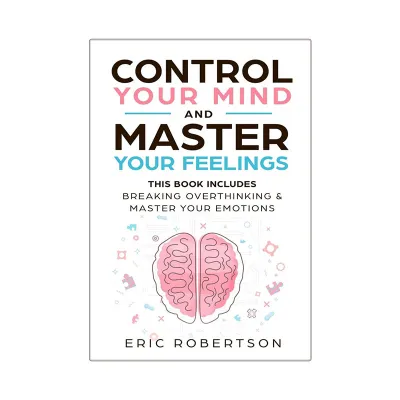
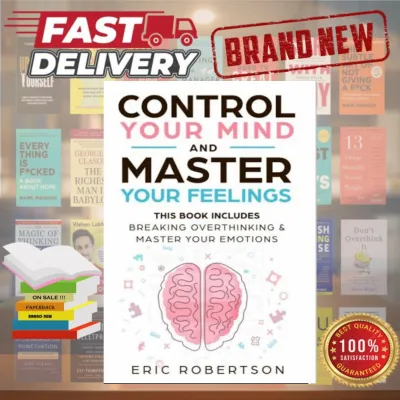
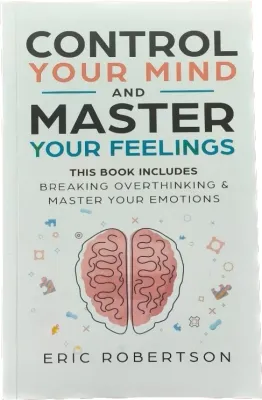
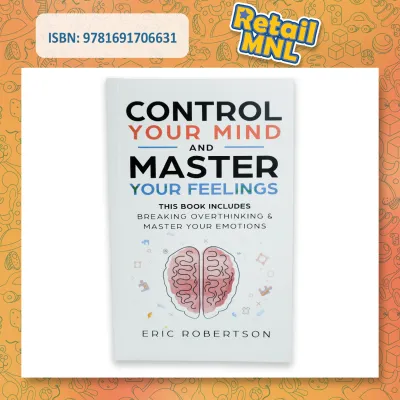
Prices are valid at publication and may change. Please refer to the product page for the latest price.
A practical way to assess a book before purchasing is to review its table of contents and introduction. Actionable books typically feature clear frameworks, step-by-step exercises, and diagnostic questionnaires. If the chapter titles are vague or focus entirely on why you should change rather than how to change, the book may lack the practical depth needed to guide your daily routine.
In the Philippine market, filtering out low-quality titles is especially important due to the high volume of unauthorized reprints and low-effort compilations found on online platforms. These substandard editions often suffer from poor translation, missing chapters, and typographical errors that disrupt the learning experience. Prioritizing authorized editions from reputable publishers ensures you receive the complete, accurate text as intended by the author.
Core Themes to Explore in Mind Control Literature
Mental discipline is a broad field, and no single book can address every aspect of cognitive control. To find the right material, you must identify which specific sub-genre aligns with your current personal and professional challenges. Most literature in this category falls into three primary themes, each addressing distinct psychological hurdles.

Habit Formation and Behavioral Conditioning
Books focusing on habit formation address the challenge of consistency by teaching you how to automate your daily routines. These texts typically break down the psychological loop of cue, routine, and reward, explaining how your brain builds automatic pathways. By understanding this loop, you can systematically dismantle negative behaviors and replace them with productive habits.
When evaluating books in this sub-genre, look for practical exercises on habit stacking—the practice of pairing a new habit with an existing one—and environment design. In a tropical, fast-paced environment, managing your physical surroundings to reduce friction is incredibly powerful. A book that teaches you how to alter your immediate environment to make good habits easier and bad habits harder is far more valuable than one that simply tells you to try harder.
Cognitive Restructuring and Mindfulness
If your primary struggle is managing intrusive thoughts, anxiety, or emotional reactivity, books centered on cognitive restructuring and mindfulness are highly beneficial. These works teach you how to observe your thoughts objectively without immediately reacting to them. They bridge the gap between clinical cognitive behavioral therapy and everyday mental management.
When browsing these titles, check if they include practical tools such as thought-record templates, cognitive distortion checklists, or guided meditation frameworks. These tools help you actively challenge negative self-talk and reframe your perspective. For readers dealing with daily stressors, learning to restructure your cognitive response to external pressures is a foundational step in mastering mental discipline.
Focus Management and Deep Work
In an era dominated by constant digital notifications and short-form media, maintaining focus is a significant hurdle. Books dedicated to focus management and deep work provide strategies to reclaim your attention span and protect your cognitive energy from constant fragmentation.
Look for authors who offer concrete strategies on time-blocking, digital minimalism, and managing smartphone addiction. These books should address the modern reality of remote work and digital distractions, offering realistic methods to carve out periods of uninterrupted concentration. Understanding how to manage your attention budget is essential for executing long-term goals in a highly connected world.
Choosing the Right Format and Edition
Selecting the appropriate format for your self-help books directly impacts how well you retain and apply the information. Physical books, e-books, and audiobooks each offer distinct advantages and trade-offs that you must weigh against your lifestyle and reading habits.
Physical books remain highly effective for active study and deep retention. They allow you to easily highlight key passages, write notes in the margins, and flip back and forth between chapters to reference diagrams or exercises. However, in the humid tropical climate of the Philippines, physical books require careful storage to prevent yellowing, foxing, and mold. If you prefer paperbacks or hardcovers, ensure you store them in a well-ventilated area away from direct sunlight and high humidity.
E-books offer unmatched convenience and portability, allowing you to carry an entire library on a single device. They are highly practical for daily commutes or travel, and digital highlighting tools make it easy to compile your favorite quotes. While e-books lack the tactile feedback of physical pages, they are immune to environmental degradation and are often more affordable than imported physical copies.
Audiobooks are excellent for passive learning during daily activities like commuting through traffic or doing household chores. They can introduce you to valuable concepts while you are on the move. However, audiobooks are less suited for active note-taking and deep study. If you choose to listen to books on mental discipline, consider pairing them with a dedicated digital notebook or purchasing a physical workbook to ensure you actively engage with the material rather than just listening passively.
Additionally, pay close attention to language editions. If you are reading a translated work, verify the quality of the translation by reading sample pages online. A clumsy translation can obscure complex psychological concepts, making the book much harder to understand and apply.
Where to Source and Verify Availability Locally
Acquiring legitimate, high-quality books in the Philippines requires navigating both physical retail spaces and digital marketplaces with care. To ensure you are purchasing authorized editions that support the authors and contain complete content, follow a structured sourcing strategy.
Start by checking the online inventory of major local bookstore chains, such as Fully Booked or National Book Store, before visiting a physical branch. Many of these retailers allow you to search their catalogs online and even check stock levels at specific branches. If a book is out of stock, you can often request a special order or sign up for restock notifications.
When shopping on online marketplaces or ecommerce platforms, exercise extreme caution to avoid pirated or low-quality counterfeit prints. Look for stores that carry official mall badges or authorized distributor labels. Read customer reviews carefully, paying close attention to photos uploaded by previous buyers; look for signs of poor print quality, such as blurry text, thin paper, or misaligned covers. If the price of a paperback seems too good to be true—such as costing less than ₱150 for a newly released international title—it is highly likely to be an unauthorized copy.
For older, out-of-print, or foundational texts on mental discipline, explore second-hand book markets and local library networks. Specialty pre-loved bookshops often carry high-quality imported editions at a fraction of their original retail price. When purchasing second-hand, inspect the binding and pages for water damage or excessive wear that could hinder your reading.
Finally, compare shipping times and return policies across different platforms. If you need a book immediately for a structured study plan, purchasing a digital edition or buying directly from a local physical bookstore is the fastest option. For physical deliveries, verify that the seller packages the books securely in bubble wrap or cardboard to protect them from moisture and rough handling during transit.
Building a Practical Reading and Application Plan
Simply reading a book on mental discipline will not change your behavior; you must actively apply the concepts to your daily life. To get the most value out of your reading material, establish a structured plan for consumption and implementation.
Begin by setting a realistic reading schedule that prevents cognitive overload. Instead of rushing through an entire book in a single weekend, commit to reading one chapter or a set number of pages each day. This slow, deliberate pace gives your brain time to process the concepts and consider how they apply to your personal circumstances.
Create a dedicated system for taking notes and tracking your progress. Keep a journal or a digital document where you summarize key takeaways from each chapter in your own words. Write down specific action steps inspired by the text, and track your execution of these steps over several weeks. For example, if a book recommends a specific time-blocking technique, commit to trying it for at least two weeks and record your observations.
Schedule periodic reviews of the frameworks you have learned. Every month, revisit your notes to assess how well you are implementing the book’s strategies. Mental discipline is a skill that requires continuous refinement, and returning to foundational concepts helps reinforce good habits and correct any behavioral drift. By treating your self-help books as practical manuals rather than casual entertainment, you can translate theoretical knowledge into lasting personal growth.
Frequently Asked Questions (FAQ)
How can I tell if a self-help book is based on real science?
To verify if a book is scientifically grounded, look for a comprehensive bibliography, endnotes, or a references section at the back of the book. Reputable authors will cite peer-reviewed journal articles, clinical studies, and academic research to support their claims. Additionally, check the author’s credentials; individuals with advanced degrees in psychology, neuroscience, or medicine, or those affiliated with respected academic institutions, are more likely to present evidence-based frameworks rather than speculative advice.
Are audiobooks effective for learning mental discipline?
Audiobooks are highly effective for introducing you to new concepts and maintaining motivation during passive activities like commuting. However, because mental discipline books often require active reflection, note-taking, and completing exercises, relying solely on audio can limit your retention. To maximize their effectiveness, use audiobooks for your initial exposure to the material, and use a physical notebook or a digital note-taking app to write down key insights and action plans later.
What should I do if a recommended book feels too theoretical?
If a book feels overly dense or academic, try skipping directly to the practical application chapters or summary sections usually found at the end of each chapter. Many authors summarize their main points and provide actionable checklists for quick reference. If the text remains inaccessible, look for companion workbooks or practical study guides written specifically to accompany the main book. Alternatively, do not hesitate to switch to a different author whose writing style is more aligned with your learning preferences.

Community discussion
Share your experience or ask a question. Comments are reviewed before publication.