
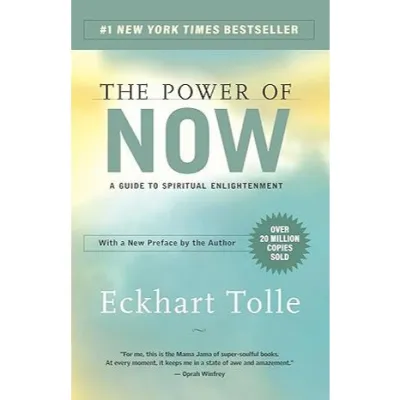
Reading The Power of Now by Eckhart Tolle often marks a turning point for readers seeking mental clarity and inner peace. In the Philippines, where the fast pace of urban life, long daily commutes, and constant digital connectivity can easily lead to sensory overload, Tolle’s message of anchoring oneself in the present moment offers a welcome sanctuary. However, once you finish the final chapter, you may find yourself wondering how to continue this journey of self-discovery.
Finding your next book requires looking beyond generic bestseller lists. The key is to identify which specific elements of Tolle’s writing resonated with you—whether it was the deep spiritual philosophy, the practical breathing exercises, or the quiet, meditative tone. By understanding these preferences, you can navigate the vast landscape of self-help and spiritual literature to find books that offer complementary perspectives and practical tools tailored to your daily life.
Understanding the Core Appeal of The Power of Now
To choose a worthy successor to The Power of Now, it helps to dissect what made the book impactful for you. Tolle’s work operates on several distinct levels, and different readers connect with different aspects of his message. Identifying your personal touchpoints will help you narrow down your search in local bookstores or digital catalogs.
Products mentioned in this guide

![THE POWER OF NOW BY ECKHART TOLLE [100% BRAND NEW QUALITY GUARANTEED]](https://img.lazcdn.com/g/p/cb2cf26babeae5d1822224e8dd986579.jpg_400x400q80.jpg_.webp)
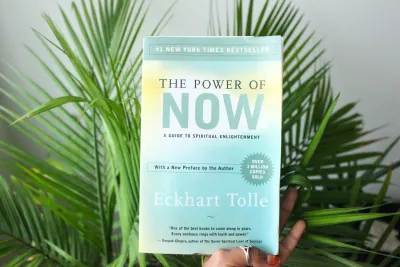
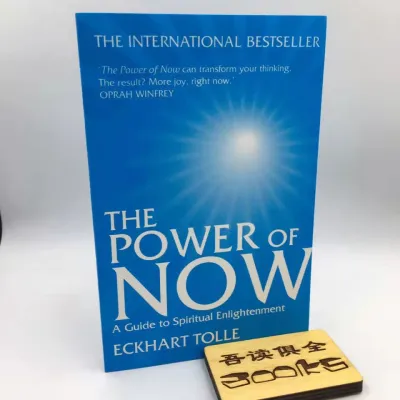
Prices are valid at publication and may change. Please refer to the product page for the latest price.
First, consider whether you were drawn to the philosophical concepts or the practical applications. Tolle introduces profound ideas such as the “ego,” the “pain-body,” and the illusion of linear time. If these metaphysical discussions excited you, your next step should be toward philosophical or spiritual texts that explore the nature of consciousness. On the other hand, if you found the most value in his simple instructions on how to feel your inner body, observe your thoughts, or practice silent observation, you will likely prefer books that function as practical guides, offering structured exercises, meditation prompts, and daily mindfulness routines.
Second, reflect on your preferred writing style. Tolle writes in a highly distinct, meditative, and almost poetic tone, often using a question-and-answer format to address common doubts. Some readers find this style deeply soothing, while others may prefer a narrative-driven approach filled with personal anecdotes, real-world case studies, and conversational language. Knowing whether you want a deeply philosophical text or a light, story-based guide will prevent reader fatigue.
Finally, distinguish between spiritual awakening literature and clinical psychological approaches. The Power of Now is firmly rooted in spiritual mysticism, drawing from various religious traditions without aligning with any single one. If you prefer to keep your reading secular, scientific, or grounded in modern psychology, you can look for books on mindfulness that rely on cognitive behavioral principles, neuroscience, and evidence-based emotional regulation rather than spiritual transcendence.
Key Dimensions for Choosing Your Next Mindfulness Book
When evaluating potential books to add to your reading list, using a structured framework ensures that your next purchase aligns with your current growth goals. You can assess any self-help or spiritual book using three primary dimensions: its philosophical roots, its balance of theory and practice, and its overall accessibility.

Philosophical Roots
Mindfulness literature generally stems from one of two major intellectual traditions, though modern authors frequently blend them:
- Eastern Traditions: Many books draw heavily from Buddhist psychology, Zen philosophy, or Taoist principles. These texts emphasize concepts like non-attachment, the impermanence of all things, and harmony with the natural flow of life. They are ideal if you enjoyed Tolle’s focus on letting go of resistance.
- Western and Cognitive Approaches: Other books are grounded in Stoicism or modern cognitive science. Stoic-influenced literature focuses on distinguishing between what you can control and what you cannot, emphasizing duty, resilience, and rational thought. Modern psychological texts focus on how the brain processes stress, habits, and emotions, offering a secular path to presence.
Practicality vs. Theory
Every book falls somewhere on the spectrum between abstract theory and concrete action. Understanding where a book sits on this spectrum helps manage your expectations:
- Theoretical and Metaphysical: These books focus on changing how you perceive reality. They require deep contemplation and are best read slowly, allowing the ideas to settle. They provide the "why" behind mindfulness.
- Actionable and Workbook-Style: These books prioritize the "how." They feature daily challenges, journaling prompts, breathing patterns, or step-by-step meditation guides. If you struggle to apply abstract concepts to your busy routine, a highly practical book will help build consistent habits.
Accessibility and Tone
An author’s voice can make or break your reading experience. Consider these common tones when browsing:
- The Spiritual Guide: Gentle, poetic, and contemplative. This tone mirrors Tolle’s style and is excellent for quiet evening reading.
- The Academic or Clinician: Analytical, objective, and backed by research. This tone appeals to readers who want to understand the neurological benefits of meditation.
- The Companion or Storyteller: Warm, humorous, and highly relatable. These authors share their personal struggles with anxiety or distraction, making the practice of mindfulness feel achievable amidst a chaotic modern lifestyle.
Exploring Complementary Themes in Spiritual and Personal Growth
Rather than searching for an exact replica of The Power of Now, you can expand your horizons by exploring specific thematic categories. These themes address the core concepts of presence, awareness, and inner peace from different angles. When searching online catalogs or asking for recommendations at local bookshops, using these thematic keywords will yield excellent results.
Modern Mindfulness and Psychology
If you want to understand how presence affects your daily habits and mental health, look for books focusing on emotional regulation and secular meditation. This category bridges the gap between ancient contemplative practices and modern neuroscience. These books explain how the brain reacts to stress, why we fall into negative thought loops, and how we can use mindfulness to break bad habits. They are highly practical and offer tools that you can easily integrate into a busy work environment or a stressful commute.
Ancient Wisdom and Philosophy
For those who appreciated the timeless, universal truth of Tolle’s writing, exploring ancient philosophy is a natural next step. Look for modern translations of classic Eastern texts or accessible guides to Stoicism. These works remind us that human struggles with anxiety, ambition, and distraction are not unique to the twenty-first century. Reading these perspectives provides a grounding sense of historical continuity and offers time-tested strategies for maintaining equanimity in the face of life’s inevitable ups and downs.
Somatic and Body-Mind Connection
In The Power of Now, Tolle frequently emphasizes the importance of connecting with the “inner body” to anchor yourself in the present. A growing body of literature focuses specifically on this somatic connection. These books explore how emotional trauma, stress, and anxiety are physically stored in the body, and how physical awareness—through breathwork, conscious movement, or sensory grounding—can quiet an overactive mind. This theme is particularly helpful for readers who find it difficult to meditate sitting still and prefer a more physical, embodied approach to mindfulness.
Sourcing and Verifying Mindfulness Books in the Philippines
Finding high-quality, authentic copies of spiritual and self-help books in the Philippines requires some care. Whether you prefer physical paperbacks to hold during your quiet mornings or digital formats for reading on the go, taking steps to verify your purchase ensures a seamless reading experience.
Navigating Physical Bookstores
Visiting local physical bookstores remains one of the best ways to discover new titles. It allows you to flip through the pages, assess the font size, and read the introduction to see if the author’s tone resonates with you. Major retail chains in local malls often have dedicated sections for “Self-Help,” “Mindfulness,” or “Eastern Philosophy.” If you live in a major metropolitan area, independent specialty bookshops and boutique stores often carry curated selections of spiritual and philosophical texts that you might not find in larger commercial outlets.
Safe Online Purchasing and Avoiding Piracy
If you prefer shopping on online marketplaces or digital storefronts, you must be vigilant against counterfeit prints. The local online market is flooded with unauthorized, pirated copies of popular self-help books, often sold at suspiciously low prices ranging from ‛50 to ‛150. While these prices are tempting, these pirated editions frequently suffer from severe quality issues, including missing pages, blurry or faded text, poor binding that falls apart after one reading, and numerous typographical errors that disrupt the flow of reading.
To ensure you are buying an authentic copy, use these verification steps:
- Check the Price: Authentic imported paperbacks typically cost between ‛500 and ‛1,200, depending on the publisher and format. If a listing offers a brand-new book for a fraction of this price, it is highly likely a counterfeit.
- Verify the Seller: Look for official store badges, verified distributor marks, or established local independent bookshops operating on the platform. Avoid buying from generic, unverified sellers with random alphanumeric names.
- Examine Customer Reviews: Scroll down to the review section and look for photos uploaded by previous buyers. Check the paper quality (authentic books usually have high-quality cream or white paper, while counterfeits often use cheap, thin, greyish newsprint) and look at the spine and cover printing for any blurriness.
Format Considerations for the Tropical Climate
When deciding between physical books, e-books, or audiobooks, consider your lifestyle and environmental factors. The high humidity in the Philippines can cause physical books to develop foxing (brown spots on the pages) or warp over time if they are not stored in a dry, well-ventilated space. If you collect physical books, keep them away from direct sunlight and damp walls.
For those who commute long hours in traffic or prefer a minimalist lifestyle, digital formats are highly practical. E-books allow you to carry an entire library on a single lightweight device, and many e-readers feature screens that are easy on the eyes even in bright tropical sunlight. Audiobooks are another excellent option, transforming a stressful drive or a tedious chore into an opportunity for mindful listening. Before purchasing digital formats, always verify that the file format is compatible with your specific e-reader or app, and check for any regional restrictions that might prevent downloading the title in your location.
Pre-Purchase Checklist
Before you head to the checkout counter or click the buy button online, run through this quick checklist to ensure you are getting the exact edition you want:
- Edition and Language: Ensure the book is written in a language you are comfortable reading. For translated works, check if there are multiple translations available, as some translators capture the poetic essence of ancient texts better than others.
- Content Completeness: Verify if the book is an unabridged edition. Some online listings sell condensed summaries or study guides rather than the full text.
- Publisher Details: Authentic listings will clearly state the publisher (such as Penguin, HarperCollins, or vintage spiritual presses). If this information is missing or vague, treat the listing with caution.
Frequently Asked Questions (FAQ)
Should I read secular mindfulness books if I liked the spiritual tone of The Power of Now?
Yes, exploring secular mindfulness books can be highly beneficial, even if you deeply appreciated the spiritual essence of Tolle’s work. While spiritual texts focus on experiential awakening and inner transformation, secular books offer structured, evidence-based frameworks that explain why these practices work on a neurological level.
Transitioning to secular literature does not mean losing the sense of peace you found in spiritual books. Instead, it provides you with concrete, practical tools to handle stress, anxiety, and focus. If you want to bridge this gap, look for authors who are both experienced meditators and trained scientists or psychologists. These writers successfully combine contemplative wisdom with modern neuroscience, offering a balanced approach that satisfies both the analytical mind and the seeking spirit.
How can I avoid pirated or low-quality self-help books online?
Avoiding pirated books on online marketplaces requires a combination of price awareness and seller verification. The most reliable red flag is the price: if a paperback is listed for under ‛200, it is almost certainly an unauthorized reprint. Authentic books imported to the Philippines are subject to shipping and customs costs, which naturally reflects in their retail price.
Always prioritize purchasing from the official digital storefronts of established local book retailers or verified independent bookstores. When browsing third-party sellers on ecommerce platforms, look for detailed product descriptions that include the book’s ISBN, publisher, and publication date. Read the customer reviews carefully, paying close attention to user-submitted photos that show the book’s paper color, binding quality, and print clarity. Investing in an authentic copy not only supports the authors and publishers who create these valuable resources but also ensures a comfortable, distraction-free reading experience.
Community discussion
Share your experience or ask a question. Comments are reviewed before publication.