
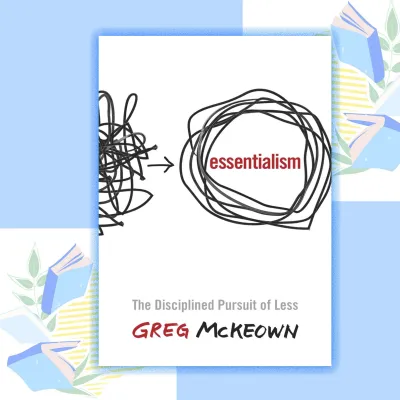
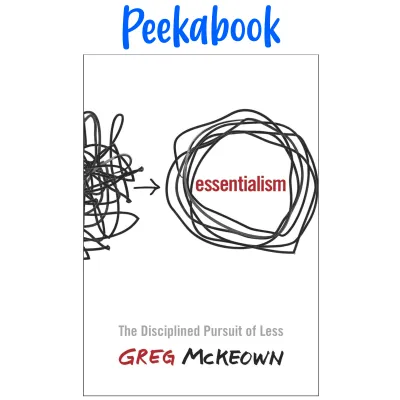
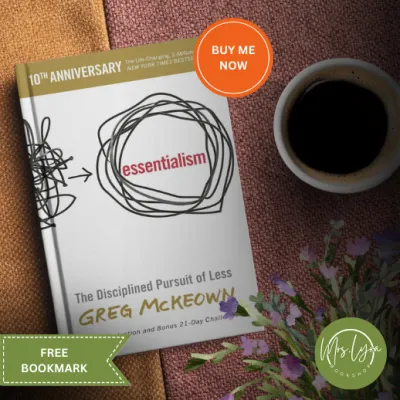
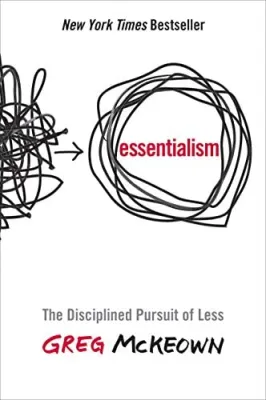
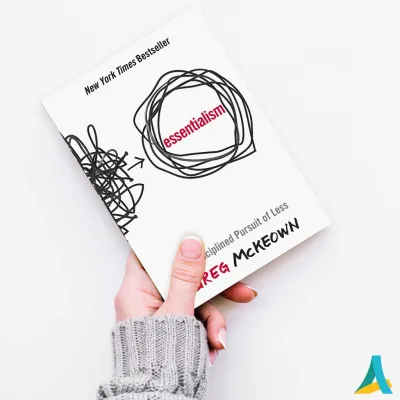
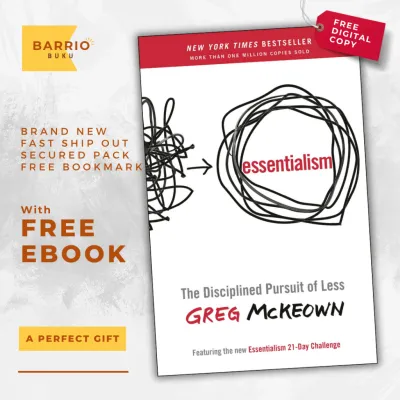
Finding the mental space to focus on what truly matters can feel like an uphill battle, especially when navigating the fast-paced demands of modern Filipino life. Between long, exhausting commutes in metropolitan areas, the constant buzz of social media notifications, and the cultural pressure to always say “yes” to family and social commitments, our energy is often stretched to its absolute limit. Greg McKeown’s Essentialism introduced readers to the liberating philosophy of “less but better”—the disciplined pursuit of doing fewer things but executing them at the highest possible level. If this mindset resonated with you, several other foundational self-help books can help you deepen your focus, build sustainable daily habits, and reclaim control over your time.
How to Choose Your Next Read on Prioritization and Focus
Selecting your next book should not be a matter of random choice; it requires a clear understanding of your current personal and professional bottlenecks. If you find yourself constantly busy but ultimately unproductive, your primary challenge might not be a lack of effort, but rather a lack of direction. Identifying whether your main obstacle is digital distraction, inconsistent daily routines, unclear long-term priorities, or sheer burnout from overcommitment will help you target the exact framework you need to study next.
You should also consider your preferred learning style and how you absorb information. Some readers thrive on philosophical mindset shifts that challenge how they view their entire lives, while others require highly structured, step-by-step behavioral systems that they can implement immediately. If you prefer high-level conceptual frameworks, books that explore the theory of focus will suit you best. If you struggle with daily execution, look for titles that offer concrete templates, habit trackers, and actionable daily rules.
Products mentioned in this guide
Prices are valid at publication and may change. Please refer to the product page for the latest price.
Format availability is another practical factor that directly impacts how consistently you will engage with a book. For those spending hours in transit or stuck in heavy traffic, audiobooks can transform dead travel time into highly productive learning sessions. If you prefer highlighting key passages and taking notes during quiet weekend mornings at a local coffee shop, a physical paperback or hardcover remains unmatched. Alternatively, e-books offer the convenience of carrying an entire library on a single lightweight device, which is ideal for reading during short breaks or power outages.
Finally, assess the time commitment required to implement a book’s core frameworks. Some systems demand an immediate, intensive lifestyle overhaul, such as a multi-week digital detox or a complete restructuring of your work environment. Others allow for gradual, incremental adjustments that build up over several months. Be realistic about your current bandwidth so you can choose a book that integrates smoothly into your schedule rather than becoming another stressful item on your to-do list.
Recommended Books for Deep Work and Undivided Attention
To truly live an essentialist life, you must protect your cognitive resources from constant fragmentation. Eliminating non-essential tasks is only the first step; the next crucial phase is actively cultivating high-value, uninterrupted concentration. The following books explore how to shield your mind from modern distractions and direct your full attention toward your most critical goals.

Deep Work by Cal Newport
In Deep Work, author Cal Newport presents a rigorous framework designed to help professionals and students eliminate distractions and produce high-quality cognitive output. Newport argues that the ability to perform deep work—defined as professional activities performed in a state of distraction-free concentration that push your cognitive capabilities to their limit—is becoming increasingly rare and valuable in our modern economy.
This philosophy aligns perfectly with the core tenets of Essentialism. While McKeown teaches you how to filter out the non-essential commitments in your life, Newport provides the exact cognitive tools needed to execute your remaining essential tasks without interruption. Instead of merely doing less, Deep Work ensures that the few things you choose to do are completed with an extraordinary level of depth, quality, and focus.
This book is highly recommended for knowledge workers, writers, software developers, and students who find their workdays fragmented by constant emails, instant messages, and administrative tasks. If you struggle to find long blocks of uninterrupted time to think deeply or complete complex projects, Newport’s structured strategies will help you establish firm boundaries around your cognitive focus.
Digital Minimalism by Cal Newport
Another powerful guide by Cal Newport, Digital Minimalism, addresses the specific ways modern technology and social media platforms consume our limited time and mental energy. Newport does not advocate for a complete rejection of technology; instead, he proposes a philosophy of technology use in which online tools are carefully selected and optimized to support the things you deeply value.
The centerpiece of this book is a structured, 30-day digital declutter process. During this period, readers are encouraged to take a break from optional digital tools, allowing them to reset their relationship with technology and rediscover offline activities that bring genuine satisfaction. Once the 30 days are complete, you slowly reintroduce only those digital tools that offer clear, substantial benefits to your life, configuring them to minimize distraction.
This book is an essential read for anyone who feels overwhelmed by the constant barrage of notifications, the urge to endlessly scroll through social feeds, and the societal pressure to be constantly reachable. It provides a practical, step-by-step roadmap to reclaim your attention from attention-economy business models and realign your digital habits with an intentional, essentialist lifestyle.
Recommended Books for Habit Building and Single-Tasking
Understanding the value of prioritization is a great starting point, but maintaining that focus day after day requires reliable systems. Building consistent daily routines reduces the decision fatigue associated with constantly choosing what is essential. By automating your positive behaviors, you make single-tasking your default state and successfully resist the chaotic pull of modern multitasking culture.
Atomic Habits by James Clear
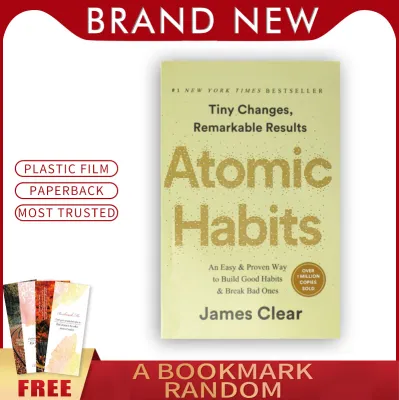
In Atomic Habits, James Clear delivers a comprehensive, science-backed system for building good habits and breaking bad ones. Clear’s core philosophy is that massive life changes do not come from singular, monumental shifts, but rather from the compounding effect of tiny, one-percent improvements made consistently over time. He emphasizes the importance of system design and identity-based habits over sheer willpower.
This behavioral framework serves as the practical execution engine for Essentialism. While Essentialism helps you identify your highest-priority goals, Atomic Habits gives you the precise tools to build the daily routines necessary to achieve them. Clear’s four laws of behavior change—making habits obvious, attractive, easy, and satisfying—provide a clear blueprint for maintaining your essentialist choices effortlessly.
This book is best suited for readers who know exactly what they want to achieve but struggle with consistency and daily execution. If you find yourself repeatedly setting ambitious goals only to abandon them a few weeks later, Clear’s focus on environment design and incremental progress will help you build habits that stick for the long term.
The ONE Thing by Gary Keller and Jay Papasan
Written by Gary Keller and Jay Papasan, The ONE Thing introduces an extreme prioritization framework designed to cut through the noise of overwhelming to-do lists. The authors argue that behind every successful result is a single, concentrated effort. They challenge the myth of multitasking and encourage readers to identify the single most impactful task that will make all other subsequent tasks easier or entirely unnecessary.
This concept reinforces the “less but better” mindset of Essentialism by forcing you to apply a rigorous, singular filter to your daily schedule. By asking yourself their signature focusing question, you learn to bypass minor distractions and dedicate your peak energy to your highest-leverage activity. It is a powerful antidote to the scattered, overcommitted lifestyle that many professionals mistake for productivity.
This book is highly recommended for entrepreneurs, project managers, and busy professionals who are juggling multiple complex responsibilities and feel paralyzed by competing demands. If you need a straightforward, aggressive method to identify your true leverage points and protect your schedule from non-essential tasks, this book offers the clarity you need.
How to Source and Verify Books in the Philippines
When looking to purchase these self-help titles in the Philippines, it is important to navigate local and online retail channels carefully to ensure you receive authentic, high-quality editions. Major physical bookstore chains located in local malls remain reliable sources for popular international self-help titles. For a more curated selection, independent local bookstores often carry imported editions and can sometimes place special orders for specific titles upon request.
If you prefer the convenience of online shopping, you must exercise caution on major e-commerce platforms and online marketplaces. To avoid purchasing pirated, poorly printed, or incomplete bootleg copies, always look for official store badges, verified seller status, or direct mall-guaranteed listings. Reading customer reviews specifically looking for photos of the book’s print quality, paper texture, and binding can also help you verify authenticity before checking out.
Before finalizing your purchase, take a moment to verify the specific product details of the book. Check the publisher, publication year, language, and format—whether paperback, hardcover, or digital—to ensure the edition matches your preferences. Be aware that some international editions may have slight variations in cover art or paper stock, but the core content should remain complete and unabridged. If you are purchasing an e-book or audiobook, verify that the file format is fully compatible with your specific e-reader, tablet, or smartphone, and check for any regional digital rights management restrictions.
For readers looking for cost-effective alternatives before committing to a physical purchase, digital lending applications and local library networks are excellent options. Many public and institutional libraries in the Philippines now offer digital access through platforms like Libby, allowing you to borrow e-books and audiobooks for free using a valid library card. This is a highly sustainable way to explore a book’s core concepts and determine if its framework aligns with your lifestyle before investing in a permanent copy for your personal bookshelf.
Frequently Asked Questions (FAQ)
What is the main difference between Essentialism and minimalism?
While both philosophies advocate for simplicity, they apply this principle to different areas of life. Minimalism is primarily concerned with physical possessions, encouraging individuals to reduce material clutter, live with fewer items, and appreciate aesthetic simplicity. It asks how many physical things you truly need to be content.
Essentialism, on the other hand, is a system of time and energy management. It focuses on commitments, tasks, and social obligations rather than physical objects. Essentialism asks where you can make your highest possible contribution, helping you eliminate non-essential activities so you can direct your limited personal energy toward the things that matter most.
Should I read these books in a specific order?
There is no single correct order to read these books, as the best sequence depends entirely on your immediate productivity bottlenecks. If you are currently overwhelmed by digital distractions and screen time, starting with Digital Minimalism will provide immediate relief. If you struggle with daily consistency, pairing Essentialism with Atomic Habits creates a highly effective combination of mindset and execution.
A balanced approach is to alternate between mindset-focused books and system-focused books. Reading a conceptual book like Essentialism or The ONE Thing helps clarify your overall vision and priorities. Following it with a practical, execution-oriented book like Atomic Habits or Deep Work then provides the concrete tools and daily structures needed to turn those high-level priorities into lasting, effortless routines.
Community discussion
Share your experience or ask a question. Comments are reviewed before publication.