
If you found Ryan Holiday’s Ego Is the Enemy impactful, finding your next read involves identifying whether you want to dive deeper into ancient Stoic philosophy, modern organizational psychology, or cognitive behavioral mindsets. The book’s unique blend of historical anecdotes and practical humility serves as a gateway to several distinct genres of personal development. By understanding what specific elements resonated with you—whether it was the cautionary tales of historical figures or the practical strategies for managing ambition—you can select books that offer genuine, structured guidance for your personal and professional growth. Navigating the vast landscape of self-help literature requires a clear framework to filter out repetitive titles and locate high-quality, authentic editions that suit your reading habits and lifestyle in the Philippines.
Identifying What You Loved About 'Ego Is the Enemy'
To find a book that matches the impact of Ego Is the Enemy, start by analyzing the specific narrative and structural elements that kept you turning the pages. Ryan Holiday’s writing style relies heavily on historical storytelling, using the lives of figures like John Boyd, Eleanor Roosevelt, and George Marshall to illustrate abstract philosophical concepts. If this anecdotal approach was your favorite aspect, you will want to look for books that prioritize historical biography and narrative-driven lessons over dry, theoretical frameworks. Conversely, if you were more drawn to the underlying Stoic principles themselves, your search should focus on classical philosophy and modern commentaries that dissect these ancient rules for living.
Another critical distinction is whether you resonate more with cautionary tales or aspirational guidance. Ego Is the Enemy is unique because it spends a significant amount of time warning readers about the dangers of pride, self-delusion, and early success. It acts as a mirror, showing how easily ambition can turn into self-sabotage. If you found these warnings eye-opening, you may want to explore books that focus on cognitive biases, psychological blind spots, and the mechanics of failure. However, if you prefer books that offer a constructive, step-by-step roadmap for building positive habits, character, and long-term resilience, you should steer toward actionable personal development guides.
Products mentioned in this guide
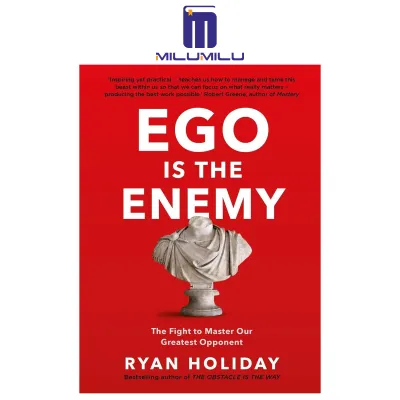
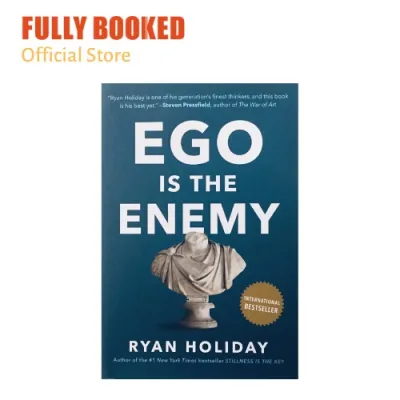
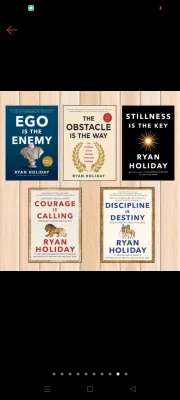
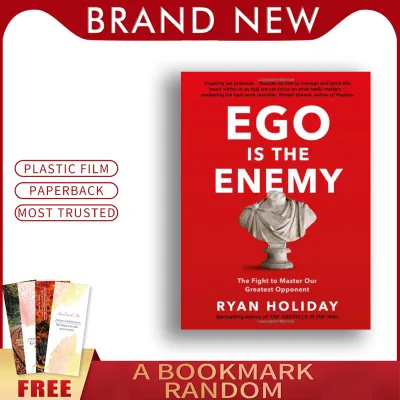
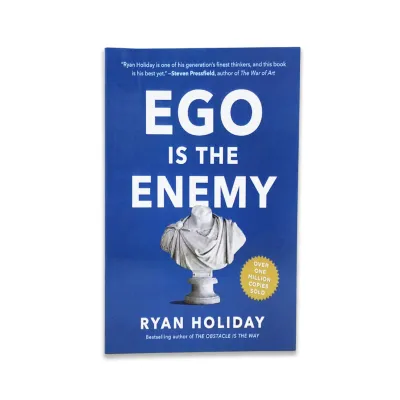
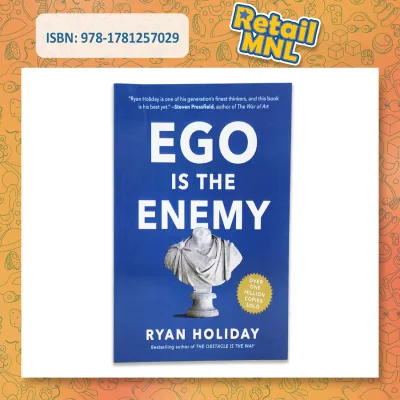
Prices are valid at publication and may change. Please refer to the product page for the latest price.
Finally, assess your preferred reading density and intellectual depth. Some readers enjoy light, conversational prose that can be easily digested during a daily commute or a quick coffee break. Others prefer dense, academic research backed by extensive footnotes, psychological data, or direct translations of ancient texts. Knowing your tolerance for academic density helps filter out books that might feel either too superficial or overly dry, ensuring your next read matches both your intellectual curiosity and your available reading time.
Essential Criteria for Selecting Similar Self-Help Books
When searching for your next self-help book, establishing clear selection criteria prevents you from wasting time and money on derivative works. The self-help industry is filled with authors who repackage popular concepts without adding original insight or rigorous research. To avoid this, always verify the author’s background and philosophical alignment. Look for authors who are recognized experts in their fields, whether they are clinical psychologists, academic researchers, or established practitioners of a specific philosophical school. Checking the bibliography and references section of a book is an excellent way to determine if the author has done original work or is simply summarizing other popular titles.

For books rooted in classical philosophy or historical translations, the specific edition and translator credentials are of utmost importance. A poor translation can make even the most profound ancient wisdom feel dry, confusing, or irrelevant to modern life. When looking at classical Stoic texts, for example, compare different translations to find one that balances historical accuracy with modern readability. Additionally, check the publication dates and edition numbers; newer editions often include updated forewords, modern annotations, and study guides that provide invaluable context for contemporary readers.
Format compatibility is another practical consideration that directly impacts your reading experience. In the tropical climate of the Philippines, high humidity can easily damage physical books, causing pages to yellow or bindings to weaken over time. If you collect physical copies, look for publishers known for high-quality paper stock and durable bindings. If you prefer digital reading, verify the e-book’s reflowability and formatting on your specific e-reader, as poorly formatted digital files can ruin the reading flow of books with complex layouts or footnotes. For those who prefer audiobooks, always listen to a sample first to evaluate the narrator’s pacing, tone, and clarity, ensuring it fits your listening preferences during a noisy commute or a workout.
Thematic Directions and Classic Examples to Explore
Instead of searching for a direct clone of Ego Is the Enemy, it is far more productive to approach your next read through thematic branching. This method involves identifying the core themes of Holiday’s work—such as emotional resilience, professional humility, and cognitive awareness—and exploring foundational texts within those specific sub-genres. By branching out, you can align your reading choices with your current life challenges, whether you are navigating a career transition, managing a team, or working on personal emotional discipline. The examples provided in the following sections are widely recognized, foundational works that serve as excellent starting points for your exploration.
Stoicism and Emotional Resilience
If the philosophical foundation of Ego Is the Enemy was what resonated most with you, exploring classical Stoicism is the logical next step. Stoicism teaches that while we cannot control external events, we have absolute control over our internal reactions, judgments, and character. Classical texts, such as Marcus Aurelius’s personal journals or Seneca’s letters, offer direct, unfiltered access to the minds of ancient practitioners who grappled with the exact same challenges of pride, ambition, and adversity that we face today.
When selecting classical Stoic texts, the choice of translation is critical for accessibility. For instance, older, public-domain translations of Marcus Aurelius can feel archaic and difficult to parse, whereas modern translations focus on clear, contemporary English that preserves the urgent, practical nature of the original writings. Look for annotated editions that provide historical context about the Roman Empire or the specific challenges the authors faced, as this background information makes the philosophical advice much easier to apply to modern scenarios.
It is also helpful to understand the structural differences between primary historical philosophy and modern self-help adaptations. Ancient texts were rarely written as cohesive, step-by-step guides; they were often personal journals, letters, or lecture notes compiled by students. If you prefer a more structured, thematic approach, look for modern commentaries and study guides that synthesize these ancient ideas into organized chapters and practical daily exercises, bridging the gap between historical philosophy and modern life.
Humility, Leadership, and Organizational Culture
For readers who found the sections on professional success and ambition in Ego Is the Enemy most valuable, exploring the intersection of humility and leadership is highly beneficial. In professional environments, ego is often the primary driver of corporate failure, toxic team dynamics, and poor decision-making. Books focusing on organizational psychology and servant leadership explore how cultivating personal humility can actually make you a more effective, respected, and resilient leader.
When evaluating business and leadership books, pay close attention to the relevance of the case studies and corporate examples provided. Many classic leadership texts rely on case studies of massive Western corporations from the late 20th century. Before purchasing, consider whether these examples translate well to your specific industry, career stage, or organizational structure. A framework designed for a multinational manufacturing firm may require significant adaptation if you are working in a fast-paced digital startup or a creative agency.
Additionally, it is important to cross-reference Western leadership concepts with local corporate cultures and societal values. In the Philippines, professional relationships are heavily influenced by cultural concepts like pakikisama (interpersonal harmony) and respect for hierarchy. While Western texts may advocate for radical candor or flat organizational structures, applying these ideas successfully requires a nuanced understanding of local workplace dynamics, ensuring that your efforts to manage ego and build trust align with the cultural expectations of your team.
Mindset, Self-Sabotage, and Cognitive Behavioral Approaches
If you were fascinated by how the ego distorts reality and leads to self-sabotage, diving into cognitive psychology and mindset theory will provide deeper scientific insights. The ego often operates through cognitive biases, defensive mechanisms, and a “fixed mindset” where individuals view their intelligence and talents as static traits that must be constantly defended. By understanding the psychological patterns that drive these behaviors, you can learn to recognize and interrupt self-sabotaging habits before they derail your progress.
When exploring this genre, distinguish between academic literature, clinical psychology texts, and mainstream self-help summaries. Mainstream books often simplify complex psychological theories into easy-to-read anecdotes, which can be highly motivating but may lack scientific depth. If you want a more rigorous understanding, look for books written by licensed psychologists or behavioral economists who back their claims with peer-reviewed studies and clinical evidence, offering a more reliable foundation for personal growth.
To get the most out of psychology-backed books, check if they include actionable exercises, self-assessment tools, or companion workbooks. Reading about cognitive distortions is highly informative, but actively identifying your own mental blind spots requires structured reflection and daily practice. Books that provide practical, step-by-step exercises allow you to apply psychological theories directly to your daily life, turning passive reading into active cognitive restructuring.
Sourcing and Verifying Book Editions in the Philippines
Finding and purchasing high-quality book editions in the Philippines requires navigating a mix of physical retail, online marketplaces, and digital distribution channels. While major physical bookstore chains in urban centers offer a curated selection of popular self-help titles, they may not always stock niche translations or academic commentaries. Independent local bookstores and specialized online book retailers are excellent alternative sources, often carrying a more diverse range of philosophical texts and high-quality international editions.
One of the biggest challenges for local book buyers is the prevalence of unauthorized, low-quality reprints and pirated digital copies, particularly on online e-commerce platforms. These counterfeit books are often sold at suspiciously low prices, sometimes under ₱150 for a thick paperback. To ensure you are purchasing an authentic edition, always verify the publisher’s imprint and check the book’s ISBN against official databases. Authentic paperbacks feature crisp, legible typography, consistent margins, and durable binding, whereas counterfeits often have blurry cover art, thin newsprint pages that tear easily, and missing or misordered chapters.
If you prefer reading on digital devices or listening to audiobooks, pay close attention to regional restrictions and account compatibility. Some international digital storefronts restrict access to certain titles or editions based on your billing address or IP location. Before purchasing an e-book, ensure the file format is fully compatible with your specific e-reader and supports reflowable text rather than static, scanned PDF pages, which are incredibly difficult to read on smaller screens. For audiobooks, verify that the platform you use is fully supported on your local devices and offers seamless offline listening for your daily commute.
Frequently Asked Questions (FAQ)
Are audiobooks as effective as physical copies for philosophy-heavy self-help books?
The effectiveness of an audiobook compared to a physical copy depends largely on your learning style and how you plan to interact with the material. Physical books are often more practical for dense, philosophy-heavy texts because they allow you to easily highlight passages, write notes in the margins, and control your reading pace when grappling with complex ideas. However, audiobooks offer unmatched convenience for narrative-driven self-help books that rely on historical storytelling, making them perfect for listening during commutes or daily chores. If you choose the audio format, always listen to a sample first to evaluate the narrator’s pacing, tone, and clarity, ensuring their voice helps you stay engaged with the material rather than distracting you from the core message.
How can I avoid self-help books that just repeat the same concepts?
To avoid purchasing derivative self-help books that offer little original value, make a habit of thoroughly examining a book’s structure and references before buying. Check the bibliography, endnotes, and index to see if the author relies on a wide range of primary sources, scientific studies, and historical texts, or if they are simply citing other popular self-help authors. Additionally, look for independent reader reviews on dedicated book platforms, specifically searching for feedback regarding the book’s originality, actionable depth, and whether it offers a unique framework or simply repeats common platitudes. Choosing books written by established experts, academics, or practitioners in specific fields is also a reliable way to ensure you are getting deep, original insights rather than recycled advice.

Community discussion
Share your experience or ask a question. Comments are reviewed before publication.