
To address the complex emotional legacy of growing up with emotionally immature parents, readers in the Philippines need a structured approach to selecting self-help literature. Finding the right books involves matching specific psychological themes—such as emotional neglect, enmeshment, or boundary setting—to your personal experiences, while carefully verifying book editions and sourcing authentic copies from local and international sellers. By focusing on clinical credibility and practical exercises, you can build a reading list that serves as a reliable companion for your healing journey.
Navigating family dynamics where parents lack emotional maturity often leaves adult children feeling confused, guilty, or chronically unfulfilled. Fortunately, the growing field of family systems literature offers deep insights into these patterns. Rather than picking books at random from bestseller lists, taking a systematic approach ensures that the literature you purchase directly addresses your specific emotional wounds and provides actionable strategies for recovery.
Identifying Your Healing Needs: Core Themes in Emotional Immaturity Literature
Before purchasing any self-help book, it is essential to clarify your specific reading objectives by understanding the primary psychological concepts covered in this genre. Emotional immaturity in parents manifests in various ways, and different books target different aspects of the resulting trauma. Pinpointing your personal experiences allows you to select literature that speaks directly to your situation rather than wasting time on generalized advice.
Products mentioned in this guide
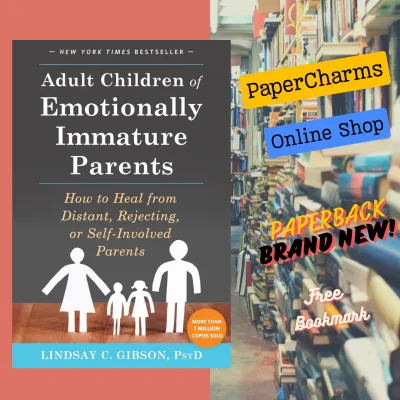
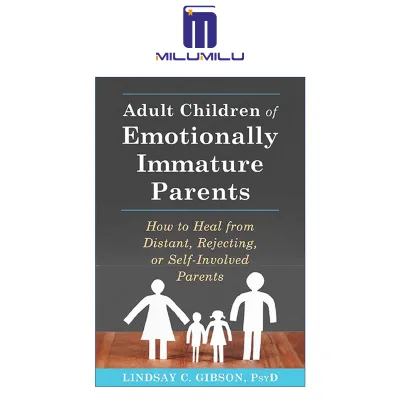
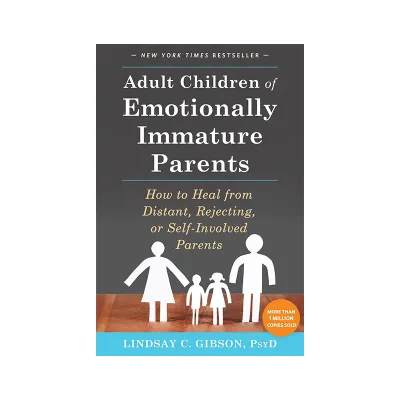
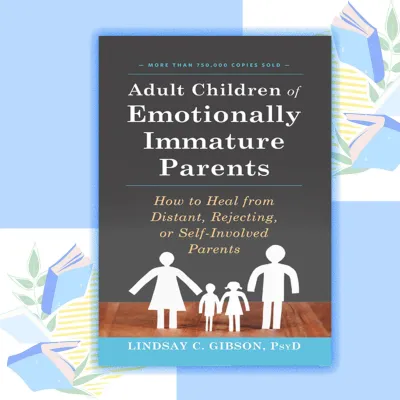
Prices are valid at publication and may change. Please refer to the product page for the latest price.
One major theme in this literature is the distinction between emotional neglect, emotional enmeshment, and overt emotional abuse. Emotional neglect occurs when parents are physically present but entirely unavailable to meet their child’s emotional needs, leaving the child feeling invisible or chronically lonely. Emotional enmeshment, on the other hand, involves a complete lack of personal boundaries, where the parent expects the child to absorb, manage, or mirror the parent’s emotional states. Overt emotional abuse includes active rejection, volatile outbursts, and constant criticism. Identifying which of these dynamics dominated your childhood will help you choose books that address those specific wounds.
Another critical area of focus is “inner child” healing and reparenting techniques. Many authors emphasize that healing as an adult requires learning how to nurture, validate, and protect the vulnerable parts of yourself that were neglected during childhood. Books that focus on reparenting provide practical frameworks for self-soothing, identifying unmet childhood needs, and developing self-compassion. If you struggle with low self-esteem, chronic self-doubt, or difficulty identifying your own emotions, prioritizing books with a strong focus on reparenting and inner child work is highly beneficial.
Setting and maintaining healthy boundaries is perhaps the most challenging yet necessary skill for adult children of emotionally immature parents. In close-knit family structures, such as those commonly found in the Philippines, collectivism and deep respect for elders can sometimes blur personal boundaries, making the act of setting limits feel like a betrayal or an act of disrespect. Literature that provides clear, step-by-step frameworks for establishing boundaries—both internal boundaries to protect your emotional peace and external boundaries to limit toxic interactions—is invaluable. Look for books that offer scripts, boundary-setting exercises, and strategies for managing the inevitable guilt that arises when you begin to prioritize your own well-being.
Finally, understanding how authors define and categorize the traits of emotionally immature caregivers can provide immense clarity. Many clinical writers classify these parents into distinct types, such as the emotional parent (who is ruled by feelings and creates instability), the driven parent (who is busy and controlling but emotionally disconnected), the passive parent (who avoids dealing with anything difficult), and the rejecting parent (who is dismissive and punitive). Recognizing these specific profiles helps demystify your parent’s behavior, allowing you to stop taking their emotional limitations personally.
How to Evaluate and Select the Right Book for Your Journey
With the abundance of self-help literature available online and in physical bookstores, evaluating books critically is essential to ensure you receive credible, evidence-based guidance. Because addressing childhood trauma can bring up intense emotions, relying on books written by qualified professionals minimizes the risk of encountering superficial advice or harmful generalizations.

Your first step should always be to verify the author’s professional credentials. Prioritize books written by clinical psychologists, licensed marriage and family therapists, or recognized academic researchers who specialize in family systems, developmental psychology, or trauma recovery. Authors with active clinical practices often bring real-world case studies and tested therapeutic modalities—such as Cognitive Behavioral Therapy (CBT), Acceptance and Commitment Therapy (ACT), or Internal Family Systems (IFS)—into their writing, ensuring the advice is grounded in established psychological science.
Next, assess the book’s practical utility by checking for actionable exercises. A good self-help book in this niche should not merely analyze the problem; it must also guide you toward a solution. Look for titles that include journaling prompts, reflection questions, behavioral exercises, or worksheets. These interactive elements encourage you to apply the concepts to your own life, helping you process difficult memories and practice new coping mechanisms actively rather than passively consuming information.
When browsing online marketplaces or book review platforms, evaluate reader reviews critically. Instead of focusing solely on overall star ratings, look for detailed, qualitative feedback. Pay attention to reviews that discuss the book’s emotional resonance, the clarity of its writing, and the practical application of its tools. Be cautious of reviews that seem overly generic or focus entirely on shipping speed and packaging, as these do not reflect the book’s actual content. Look for reviews from readers who share similar family backgrounds, as their insights can give you a clearer picture of whether the book will suit your needs.
Lastly, match the book’s tone and clinical depth to your current emotional capacity and reading preferences. Some books are highly analytical, dense, and clinical, which may appeal to readers who want a deep scientific understanding of their trauma. Other books adopt a gentle, compassionate, and conversational tone, which can be more comforting if you are in the early, highly sensitive stages of your healing journey. If you feel overwhelmed easily, starting with a gentle, workbook-style guide is often more manageable than diving straight into a heavy academic text.
Foundational Benchmarks and Complementary Topics to Explore
When building your reading list, starting with widely recognized benchmark literature provides a solid foundation before branching out into specialized topics. In the realm of family dynamics, certain books have defined the modern discourse and serve as essential starting points for anyone seeking to understand the impact of parental emotional immaturity.
The foundational benchmark in this specific niche is the work of Lindsay C. Gibson. Her writing on the experiences of adult children of emotionally immature parents has set the standard for how therapists and readers alike conceptualize these relationships. Gibson’s books offer a clear, compassionate, and highly structured framework for identifying parental immaturity, understanding its psychological toll on children, and learning how to protect your emotional autonomy. Starting with this benchmark allows you to grasp the core terminology and concepts that other authors frequently reference.
Once you have established a foundational understanding, exploring complementary psychological topics can deepen your healing process. Many adult children of emotionally immature parents experience Complex PTSD (C-PTSD), a condition resulting from chronic, long-term interpersonal trauma. Books focusing on C-PTSD offer valuable insights into nervous system regulation, emotional flashbacks, and somatic healing techniques. Additionally, exploring attachment theory can help you understand how your childhood relationships have shaped your adult romantic and platonic attachments, revealing whether you tend toward anxious, avoidant, or disorganized attachment styles.
Another highly relevant area of study is the “fawn” response or chronic people-pleasing. Children of emotionally immature parents often learn to suppress their own needs and appease their caregivers to maintain safety and connection. Over time, this coping mechanism hardens into a habit of prioritizing others at the expense of oneself. Reading books specifically dedicated to overcoming people-pleasing, codependency, and the fear of conflict can provide you with the practical tools needed to reclaim your personal agency.
To expand your reading list effectively, use these specific psychological keywords—such as “attachment theory,” “somatic healing,” “codependency,” and “family systems therapy”—when conducting targeted searches in local bookstores or online catalogs. Understanding how different authors approach the subject, ranging from rigorous clinical analysis to deeply personal memoirs and highly structured workbooks, allows you to curate a balanced reading list that addresses both your intellectual curiosity and your emotional healing.
Navigating Online Bookstores: Verifying Editions and Avoiding Piracy
Sourcing authentic physical or digital copies of self-help books in the Philippines requires careful navigation, especially when shopping on major e-commerce platforms and online marketplaces. The high demand for popular psychology books has led to an influx of unauthorized, low-quality reprints and pirated editions. Ensuring you purchase legitimate copies not only respects the intellectual property of the authors but also guarantees you receive complete, readable, and durable texts.
To verify that you are purchasing an authentic edition, always cross-reference the International Standard Book Number (ISBN), publisher, and publication year listed on the product page with official publisher websites or global book databases. Legitimate listings will clearly state the publisher (such as New Harbinger Publications or Penguin Random House) and provide a valid 13-digit ISBN. If a listing lacks this information or contains generic placeholders, it is a strong indicator that the book may not be genuine.
Carefully check the product descriptions for format details and page counts. Unauthorized reprints often suffer from formatting errors, missing pages, or illegible, shrunken text. Compare the listed page count of the book you are viewing with the official page count of the publisher’s edition. If there is a significant discrepancy, or if the description is vague about whether the book is a paperback, hardcover, or digital file, proceed with caution. Additionally, verify that the book is in English, as some international listings may feature translated editions without clear labeling.
Recognizing red flags for pirated copies is essential when browsing online marketplaces. Be highly suspicious of listings that feature blurry, low-resolution cover images, or those that lack official publisher logos on the cover. Price is another major indicator: while authentic imported paperbacks in the Philippines typically retail between ₱600 and ₱1,200 depending on the publisher and shipping costs, pirated reprints are often priced significantly lower, sometimes between ₱100 and ₱250. While these low prices may seem appealing, the physical quality of these counterfeits is often extremely poor, featuring thin paper, smudged ink, and weak bindings that fall apart quickly.
Living in a tropical climate like the Philippines also introduces unique considerations for physical book preservation. High humidity, seasonal rains, and heat can cause paperbacks to warp, develop mold, or attract pests like silverfish. If you prefer physical books, ensure you store them in dry, well-ventilated areas, away from direct sunlight, and consider using silica gel packets on your bookshelves to absorb excess moisture. Alternatively, choosing digital formats, such as Kindle editions or authorized audiobooks, completely eliminates the risk of humidity damage and ensures instant access without waiting for shipping.
When purchasing physical books, factor in shipping times and logistics. Local independent bookstores and authorized distributors often maintain physical inventory within the Philippines, ensuring faster delivery and safer packaging. If you choose to buy from cross-border sellers on online marketplaces, check their seller ratings, read customer reviews specifically mentioning packaging quality, and expect longer delivery windows. Opting for established, reputable local sellers reduces the risk of transit damage and ensures your books arrive in excellent condition.
Frequently Asked Questions (FAQ)
Are audiobooks as effective as physical copies for this type of self-help reading?
Audiobooks can be highly effective, but their utility depends largely on your personal learning style and how you plan to engage with the material. Listening to an audiobook during your daily commute or while doing household chores is an excellent way to absorb concepts and make consistent progress through a book. For many, hearing a compassionate narrator discuss sensitive family dynamics can also feel deeply comforting and validating, making the emotional content easier to process.
However, physical books or e-books are often superior when a title includes interactive elements, such as journaling prompts, self-assessment quizzes, or step-by-step exercises. Pausing an audiobook to write down detailed reflections can disrupt your flow, and it is much harder to flip back to reference specific chapters or diagrams. If the book you select is highly practical or workbook-based, a physical copy that allows you to highlight text and write in the margins is generally recommended. For purely theoretical or narrative-driven books, an audiobook is an excellent, highly accessible alternative.
Should I read these books alongside professional therapy?
While self-help books are incredibly valuable educational tools, they are designed to supplement, not replace, professional psychological treatment. Reading about parental emotional immaturity can bring deeply buried memories, grief, and unresolved anger to the surface. Processing these intense emotions entirely on your own can sometimes feel overwhelming or trigger severe stress responses.
If you find that reading this literature causes persistent anxiety, depressive symptoms, or difficulty functioning in your daily life, it is highly recommended to seek the guidance of a licensed therapist or counselor. A professional can provide a safe, non-judgmental space to help you navigate the complex feelings that arise from your reading. Discussing specific insights, chapters, or exercises from your books with a therapist allows you to tailor the concepts to your unique life history, ensuring that your healing journey is both safe and effective.

Community discussion
Share your experience or ask a question. Comments are reviewed before publication.