
Starting a business in the Philippines requires more than just passion; it demands a solid foundation of practical knowledge. While there is no single book that guarantees success, the ideal reading list is one tailored to your specific operational stage, industry, and immediate challenges. By focusing on books that address local market realities, financial management, and entrepreneurial resilience, you can build a highly effective roadmap for your startup journey. Rather than relying on generic bestseller lists, this guide helps you build a tailored, high-impact reading list that addresses the unique realities of starting and growing a business.
Core Criteria for Evaluating Business Books
To build a truly effective library, you must establish a practical framework to filter and select books that offer actionable value for your specific startup phase. The business landscape is flooded with literature, but not every title will serve your current needs. The first step is matching the book’s core subject to your current business lifecycle stage. If you are in the ideation phase, a book on scaling global operations will only distract you; instead, you need resources focused on market validation, prototyping, and initial customer discovery. Conversely, if you are already running an active enterprise, your focus should shift toward team management, systemization, and operational efficiency.
Another critical factor is evaluating the relevance of case studies and market contexts to your local business environment. A strategy that works seamlessly in highly developed Western markets may fail in the Philippines due to differences in infrastructure, consumer trust, and purchasing power. For instance, books that assume a fully digital supply chain or universal credit card adoption might not translate well to a market where cash-on-delivery and localized logistics networks are the norm. Look for authors who either address emerging market dynamics directly or present universal principles that can be easily adapted to local realities.
Products mentioned in this guide
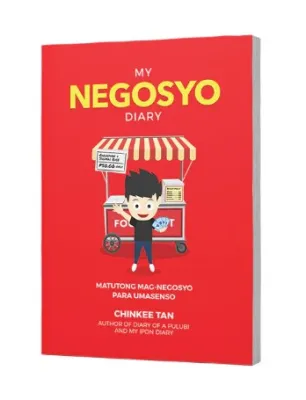

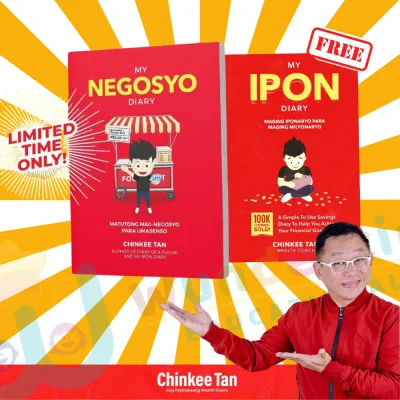



Prices are valid at publication and may change. Please refer to the product page for the latest price.
Finally, always check publication dates to ensure the strategies reflect the current digital, economic, and technological landscapes. The rapid evolution of social commerce, digital payment systems, and remote work has rendered many older business guides obsolete. While classic foundational texts on marketing or human psychology remain valuable, operational guides must be up-to-date. A book written before the widespread adoption of mobile wallets and localized e-commerce platforms may offer outdated advice on distribution and customer acquisition, making modern relevance a non-negotiable criterion.
Beyond these structural checks, consider seeking recommendations from active business owners within your local community or industry networks. Peer reviews from fellow entrepreneurs who have successfully navigated the same market can offer invaluable guidance. They can point you toward hidden gems that may not top global bestseller lists but contain highly practical, localized advice that directly applies to your business model.
Essential Knowledge Pillars for Your Reading List
A balanced reading plan is essential for early-stage founders who must wear multiple hats daily. Relying too heavily on a single topic, such as marketing or motivational literature, can create critical blind spots in your business planning and execution. To build a sustainable enterprise, your reading list should cover three foundational knowledge pillars: financial literacy, local market dynamics, and entrepreneurial mindset. Balancing these areas ensures that you do not just dream about business, but actually understand how to fund, operate, and scale it within a competitive landscape.

Financial Literacy and Cash Flow Management
Many promising businesses fail not because of a lack of customers, but due to poor cash flow management. As a startup founder, you must seek resources that build foundational skills in budgeting, pricing, and managing operational cash flow. You do not need to become a certified public accountant, but you must understand the language of money. Look for books that explain basic accounting principles, balance sheets, and cash flow statements without requiring a formal finance background. These resources should demystify financial jargon and provide clear, step-by-step guidance on tracking every peso that enters and leaves your business.
A critical area of focus should be practical frameworks on pricing strategies and profit margin calculation. Many local entrepreneurs make the mistake of pricing their products too low to compete, only to realize they are operating at a loss once overhead costs are factored in. Your chosen reading material should teach you how to calculate your cost of goods sold, account for hidden operational expenses, and set prices that ensure long-term viability. Additionally, look for books that emphasize the importance of separating personal finances from business accounts—a common pitfall for micro and small enterprises in the Philippines where personal and business expenses often blur.
Furthermore, understanding cash flow forecasting is vital for navigating seasonal fluctuations. In a tropical market where weather patterns, holidays, and school seasons heavily influence consumer spending, your business must survive lean months. Books that offer practical templates or methodologies for predicting cash flow will help you determine when to conserve capital and when it is safe to reinvest in inventory or marketing.
It is also beneficial to look for books that address tax compliance and basic bookkeeping for small businesses. Navigating local tax structures can be incredibly daunting for a new entrepreneur. Finding resources that break down these obligations into simple, manageable steps can help you maintain clean financial records from day one, preventing costly penalties and ensuring your business remains in good standing with regulatory authorities.
Local Market Dynamics and Consumer Behavior
To succeed locally, you must find materials that address the unique cultural, economic, and logistical realities of selling in the Philippines. Understanding the local consumer mindset is key to positioning your product or service effectively. Look for resources that offer insights into local purchasing habits, such as the “tingi” or micro-retail culture, where consumers prefer buying in small, affordable quantities rather than bulk. Understanding these behavioral patterns allows you to adapt your packaging, pricing, and distribution strategies to match the actual spending habits of your target audience.
Payment preferences and trust factors also play a massive role in local commerce. While digital wallets and online banking have grown rapidly, cash remains a dominant force in many regions. Books or case studies that explore how local businesses build trust, handle cash-on-delivery logistics, and leverage social media platforms for direct-to-consumer sales are incredibly valuable. These insights help you design a frictionless buying experience that respects the payment habits and security concerns of local shoppers.
Logistics and regulatory compliance are additional hurdles that require specialized knowledge. The geographical reality of an archipelago presents unique supply chain challenges, from inter-island shipping costs to urban traffic delays. Seek out materials that discuss local supply chain management, sourcing raw materials, and navigating regulatory requirements. Understanding how to register your business with the Department of Trade and Industry (DTI) or the Securities and Exchange Commission (SEC), and how to comply with Bureau of Internal Revenue (BIR) guidelines, will save you from costly legal errors and operational disruptions down the line.
Additionally, pay close attention to books that discuss the role of community and relationship-building in local commerce. In the Philippines, business is highly relational, and trust is often built through personal connections and word-of-mouth recommendations. Understanding how to leverage these cultural dynamics can give your startup a significant advantage, helping you build a loyal customer base and establish strong partnerships with local suppliers and distributors.
Entrepreneurial Mindset and Operational Resilience
The journey of a startup founder is filled with high stress, uncertainty, and inevitable setbacks. To survive the early years, you must guide your reading toward literature that builds psychological endurance and problem-solving skills. Look for books that address failure management and decision-making under pressure. Understanding how to pivot when a business model fails, how to manage the anxiety of fluctuating revenues, and how to lead a team through a crisis is just as important as knowing how to balance a spreadsheet.
Leadership development is another crucial aspect of this pillar. As your business grows from a solo venture to a small team, your role will shift from doing all the work to managing others. Books that teach communication, delegation, and conflict resolution will help you build a cohesive and motivated team. Look for authors who emphasize empathy, clear goal-setting, and organizational culture, as these traits are highly valued in local workplaces where personal relationships and community dynamics are deeply intertwined with professional environments.
However, it is vital to balance motivational content with actionable operational habits. While inspirational stories can spark enthusiasm, they rarely provide the practical tools needed for daily execution. Prioritize books that offer concrete systems for time management, productivity, and goal tracking. Learning how to structure your workday, prioritize high-impact tasks, and establish repeatable business processes will turn inspiration into consistent, measurable progress.
Verifying Book Editions, Formats, and Authenticity
Once you have identified the topics you need to study, the next step is ensuring you purchase authorized, complete, and suitable versions of your selected books. The local market has seen a rise in unauthorized, low-quality reprints and pirated digital copies, especially on various online marketplaces and social media channels. Purchasing these pirated versions not only deprives authors of their rightful earnings but often leaves you with missing pages, illegible text, and incomplete content. To avoid this, always verify authorized sellers, official publisher stores, or reputable local bookstores before making a purchase.
When selecting a book, carefully check the language, edition number, and format against your personal learning preferences and device compatibility. If you prefer physical books, ensure the seller is offering a genuine print edition rather than a bound photocopy. If you prefer digital formats, verify that the e-book file is compatible with your e-reader, tablet, or smartphone. For those with busy schedules or long daily commutes through urban traffic, audiobooks can be an excellent alternative, allowing you to absorb valuable business lessons while on the go.
Additionally, review product descriptions thoroughly to check for region locks, abridged content, or missing supplementary materials. Some international business books come with access codes for online workbooks, templates, or video lectures that are highly beneficial for practical application. These codes are often single-use or restricted to specific geographic regions. Ensuring that your purchase includes all necessary supplementary materials guarantees that you get the full educational value out of your investment.
Building and Executing Your Personalized Shortlist
With a clear understanding of what to look for, you can now build a structured workflow to finalize your initial book selections and integrate reading into your busy startup schedule. Start by selecting no more than three books to form your immediate shortlist. Prioritize titles that directly address your most pressing operational bottleneck. For example, if you are struggling to get your first ten customers, choose a book focused entirely on grassroots marketing or sales validation rather than a broad text on corporate strategy.
To ensure you actually absorb and apply the knowledge, set realistic reading goals. Trying to read a book a week while launching a business is often unsustainable and leads to superficial comprehension. Instead, aim for a manageable target, such as fifteen to thirty minutes of focused reading each morning before your operational day begins. Create a system to extract, document, and apply key business takeaways. Keep a dedicated notebook or digital document where you write down actionable ideas, and challenge yourself to implement at least one concept from each chapter into your business operations immediately.
Finally, develop the discipline to pause or abandon a book that no longer serves your needs. Your time as an entrepreneur is incredibly valuable, and not every book will deliver on its promises. If you find that a book is overly repetitive, purely theoretical, or irrelevant to your current business model, do not feel obligated to finish it. Put it aside and move on to a resource that offers immediate, practical value to your venture.
Frequently Asked Questions (FAQ)
Are translated business books as effective as the original English versions?
Translated business books can be highly effective, especially if they allow for faster comprehension and a more comfortable learning pace. Reading complex financial or strategic concepts in your native language can help you grasp the core ideas more deeply without the barrier of unfamiliar terminology. However, it is important to weigh this benefit against the potential loss of specific business jargon or context during translation. Some specialized terms do not have direct local equivalents, which can sometimes lead to confusion. When choosing a translated edition, check the translator’s credentials and reader reviews to ensure that the translation is accurate, professional, and maintains the practical utility of the original text.
Should I prioritize local authors over international bestsellers?
A successful reading list should strike a balance between local authors and international bestsellers, as both offer distinct and valuable perspectives. International business books are excellent for learning universal frameworks, scaling strategies, and global market trends that can help you think big and structure your business professionally. On the other hand, local authors provide indispensable, grassroots insights into the specific regulatory environment, cultural nuances, and consumer behaviors unique to the Philippines. While a global bestseller might teach you how to design a world-class brand, a local author will show you how to navigate local business permits, manage relationships with local suppliers, and connect with Filipino consumers on a personal level.

Community discussion
Share your experience or ask a question. Comments are reviewed before publication.