
Selecting the right New American Standard Bible (NASB) for daily devotions in the Philippines requires balancing the translation’s literal accuracy with physical readability and durability. Because the NASB is highly regarded for its word-for-word precision, your devotional experience will depend heavily on how comfortable the physical book is to read, hold, and carry in local conditions. Finding the ideal edition involves matching your personal study habits with specific typographic layouts, paper weights, and binding styles that can withstand the tropical climate.
Key Features to Evaluate for Devotional Reading
A daily devotional Bible is more than a reference book; it is a companion for quiet reflection, prayer, and journaling. To ensure your reading sessions remain focused and comfortable, several physical and typographic features deserve close attention before you make a purchase.
Font size and typeface clarity are critical for preventing eye fatigue during extended reading sessions. In the Philippines, where devotional reading often occurs in early morning light or under soft evening lamps, a clear, highly legible typeface is essential. Look for editions that utilize modern, high-contrast typefaces designed specifically for Bibles, which maximize readability even at smaller point sizes. Point sizes ranging from 9 to 11 are generally considered the sweet spot for daily reading, offering a balance between legibility and book portability.
Products mentioned in this guide
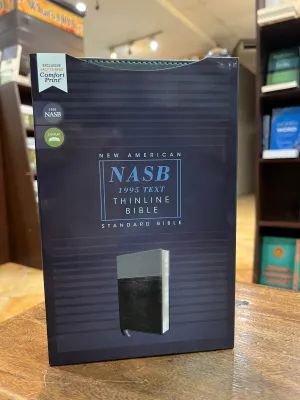
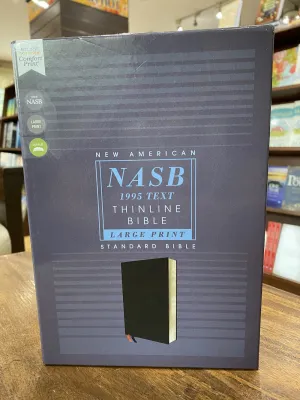
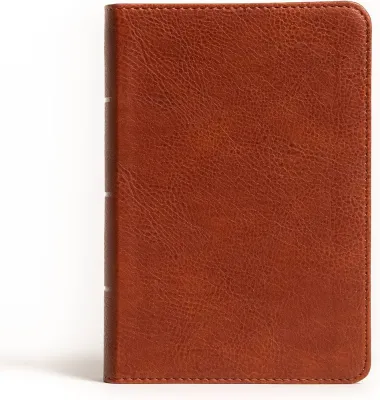
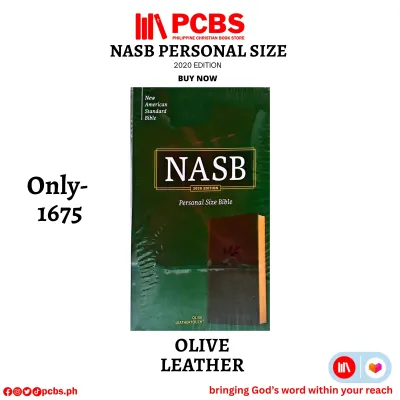
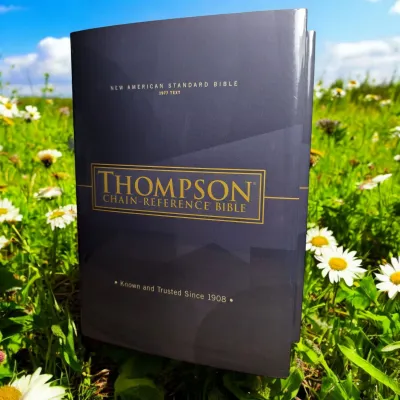
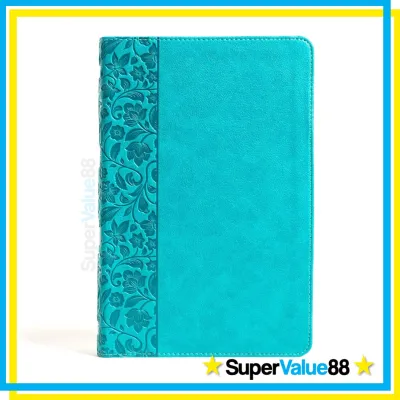
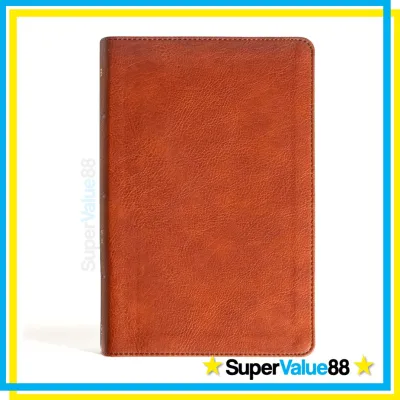
Prices are valid at publication and may change. Please refer to the product page for the latest price.
Another crucial typographic feature is line matching, where the lines of text on both sides of a page are printed in the exact same position. This alignment significantly reduces the visual distraction of ghosting, as the dark text on the reverse side is hidden directly behind the text you are currently reading. When evaluating a Bible, checking if the publisher utilizes line matching can make a substantial difference in reading comfort, especially on thinner paper.
The choice between single-column and double-column layouts significantly alters how you engage with the text. Single-column layouts present the scriptures like a standard novel, which supports a natural, continuous reading flow ideal for narrative passages. This layout is particularly beneficial for devotional reading, as it allows the eyes to move smoothly across the page without the frequent line breaks of traditional layouts. Double-column layouts, while traditional, are often more compact and allow you to locate specific verses quickly, though they can sometimes feel more academic than reflective.
Paper opacity and thickness are vital considerations, especially if you enjoy highlighting key verses or writing prayers in the margins. Thin Bible paper, often called India paper, is prone to ghosting, where text from the reverse side shows through, or direct ink bleed-through. Opting for editions with higher paper opacity, often measured in grams per square meter (GSM), ensures that your notes and highlights do not obscure the text on the next page. For active journaling, paper with a rating of 30 GSM or higher is highly recommended to prevent ink saturation.
Lay-flat binding is another indispensable feature for hands-free use during prayer or journaling. Bibles with sewn bindings, rather than glued ones, naturally lie flat on a desk or lap without requiring you to hold the pages down. This structural durability also prevents the spine from cracking over time, ensuring the book survives years of daily handling. In humid tropical environments, glued bindings can degrade more rapidly as the adhesive dries out or softens, making sewn bindings a much more reliable choice for long-term use.
Matching NASB Formats to Your Devotional Style
Different devotional habits require different physical designs. Whether you prefer to study at a dedicated desk, write extensive personal reflections, or carry your Bible during a daily commute, there is a specific format tailored to your routine.

Wide Margin and Journaling Bibles
Wide margin and journaling Bibles are designed specifically for readers who interact actively with the text by writing down prayers, insights, and sermon notes. These editions typically feature margins of one to two inches on the outer edges of the page, providing ample space for creative expression or structured study notes.
Some journaling Bibles offer ruled lines in the margins to help keep your handwriting neat, while others leave the space completely blank for sketches, hand-lettering, or unstructured thoughts. Depending on your preferred style of reflection, choosing between lined or unlined margins can greatly enhance your daily journaling experience.
To accommodate writing, publishers generally use heavier paper with a matte finish that absorbs ink quickly and resists smudging. This thicker paper makes the Bible highly compatible with various pens, fine-liners, and dry highlighters, reducing the risk of ruining subsequent pages. The textured surface of the paper also prevents pens from slipping, allowing for neat and legible handwriting.
However, the addition of wide margins and thicker paper inevitably increases the overall thickness and weight of the book. These editions are often best suited for desk-based study or home devotions, as their bulk can make them less convenient for daily travel or carrying in a small bag. If you primarily do your devotions at a dedicated desk or altar space, the extra weight is a minor trade-off for the creative freedom these Bibles offer.
Thinline and Portable Editions
If your devotional time takes place during a daily commute, in a local coffee shop, or while traveling, a thinline or portable edition offers the ideal balance of convenience and utility. These Bibles are engineered to be lightweight and slim, often measuring less than an inch in thickness and weighing under 500 grams.
Given the high humidity and tropical climate of the Philippines, the choice of cover material for a portable Bible is highly important. Synthetic covers, such as high-quality imitation leather or polyurethane, often resist moisture and daily wear better than basic paper-board covers, preventing the edges from warping in humid air. Genuine leather is also highly durable but requires occasional conditioning to prevent mold growth in damp environments. Bonded leather, which consists of glued leather scraps, is generally less durable in humid climates and may peel over time, making polyurethane or genuine leather a better long-term investment.
The primary trade-off with portable editions is the reduction in font size and layout spacing. To keep the profile slim, publishers often use smaller fonts, typically between 7 and 9 points, and tighter line spacing, which may cause eye strain during prolonged reading sessions. Additionally, these editions rarely have space for extensive notes, making them better suited for straightforward reading rather than active journaling.
Large Print and Reference Editions
For those who prioritize visual comfort or engage in deep cross-referencing during their quiet time, large print and reference editions provide an excellent solution. These Bibles feature larger text sizes, usually starting at 10 points and going up to 12 points or more, which significantly reduces visual strain in low-light environments.
Reference editions also incorporate helpful study aids, such as center-column cross-references, concordances, and topical indexes. These tools allow you to trace themes and historical connections across different books of the Bible, enriching your daily devotional study without requiring external commentary volumes. This is particularly useful for thematic devotions, where you want to see how a specific concept is developed throughout scripture.
The formatting of these references can vary, with some editions placing them in a central column between the text columns, and others placing them at the bottom of the page or in the margins. Center-column references are highly traditional and efficient, while side-column or bottom-of-the-page references can offer a cleaner, less interrupted reading experience.
Because of their larger dimensions and heavier weight, these Bibles are best enjoyed when resting on a desk or a lap. They are less suited for carrying around but offer an exceptionally comfortable and immersive reading experience for dedicated home study spaces. The larger format also allows for wider line spacing, which contributes to a clean, uncluttered page design that is easy on the eyes.
Verifying the Translation Update and Edition Details
When shopping for a NASB Bible, it is crucial to verify the specific translation edition and physical specifications to ensure you get exactly what you need for your devotional practice.
The NASB has undergone several updates, with the 1995 update and the 2020 revision being the most common versions available today. The 1995 edition is highly praised for its strict, formal equivalence and traditional vocabulary, while the 2020 revision modernizes some of the sentence structures and gender-related terms for improved readability. You can distinguish between these two versions by checking the publisher’s product details, the copyright page, or the unique International Standard Book Number (ISBN) before purchasing.
Carefully review the product descriptions for specific physical features that match your preferences. For instance, check whether the text is “red-letter” (printing the words of Christ in red) or “black-letter,” and look for features like thumb indexing, which uses cut-outs on the page edges to help you navigate books quickly. Additionally, verify the cover material, noting whether it is genuine leather, imitation leather, or hardcover, as this affects both durability and price. Multiple ribbon markers are also a valuable feature, allowing you to keep track of different reading plans simultaneously.
In the Philippines, prices for imported NASB Bibles can vary widely, typically ranging from around ₱1,000 for basic paperback or thinline editions to ₱4,000 or more for premium leather-bound reference editions. When purchasing through local online marketplaces or specialized bookstore accounts, always verify the seller’s ratings and read customer reviews. Look for feedback that confirms the authenticity of the book, as well as comments on packaging quality, to ensure your Bible arrives safely without bent corners or water damage from transit.
Frequently Asked Questions (FAQ)
How does the NASB translation style affect daily reading flow?
The NASB is renowned for its word-for-word translation philosophy, which prioritizes literal accuracy over stylistic smoothness. This approach preserves the original sentence structures and idioms of the biblical languages, which can sometimes result in a more formal or rigid reading rhythm compared to thought-for-thought translations.
While this precision is excellent for deep study, some readers may find it less fluid for continuous devotional reading. To bridge any historical or cultural context gaps, you can use study notes, companion devotionals, or reading guides that explain the literal phrasing in a modern context.
Ultimately, balancing strict textual accuracy with personal reading preference is a subjective choice. Many readers find that the slightly formal cadence of the NASB encourages them to slow down and meditate more deeply on each word, which can enhance the reflective nature of daily devotions.
What should I check when buying a Bible online in the Philippines?
When purchasing a physical Bible from an online marketplace in the Philippines, start by verifying the publisher, the exact publication year, and the ISBN. This step helps you avoid counterfeit copies, poor-quality reprints, or older editions that do not match your desired layout or translation version.
Next, examine seller reviews specifically for packaging quality. A reputable seller should use sturdy cardboard boxes, bubble wrap, or plastic wrapping to protect the book’s corners and spine from being crushed during transit through local sorting hubs.
Finally, consider the shipping conditions and potential exposure to high humidity or rain during delivery. Confirming that the seller uses moisture-resistant packaging is essential for preventing water damage, ensuring your new Bible arrives in pristine, readable condition.
Community discussion
Share your experience or ask a question. Comments are reviewed before publication.