
Starting your drumming journey in the Philippines requires a reliable way to build muscle memory, rhythm, and stick control without disturbing your family or neighbors. A high-quality drum pad practice set serves as the foundation of your daily routine, allowing you to practice rudiments quietly at any hour. Because local living spaces often range from compact apartments in Metro Manila to shared family homes, selecting a setup that balances noise reduction, realistic rebound, and structural stability is essential. By focusing on physical specifications, material durability under tropical conditions, and configuration options, you can find a practice set that aligns with your learning goals and space constraints.
Understanding Practice Pad Set Configurations
When selecting a drum pad practice set, the first decision involves choosing between a single-pad setup and a multi-pad configuration. A single-pad setup is highly portable, easy to store, and excellent for focusing purely on hand technique, grip, and basic rudiments. It fits easily on a desk, tabletop, or a small snare stand, making it an ideal choice if you have limited space or need to practice while traveling.
In contrast, a multi-pad configuration mimics the physical layout of a full acoustic drum kit. These sets typically feature separate pads representing the snare drum, tom-toms, and sometimes a dedicated bass drum kick pad with a pedal mount. While multi-pad sets require significantly more floor space, they help you develop spatial awareness, stick-to-pad transitions, and limb coordination. If your goal is to transition to a full acoustic or electronic drum kit in the near future, a multi-pad configuration provides a more realistic training ground.
Products mentioned in this guide
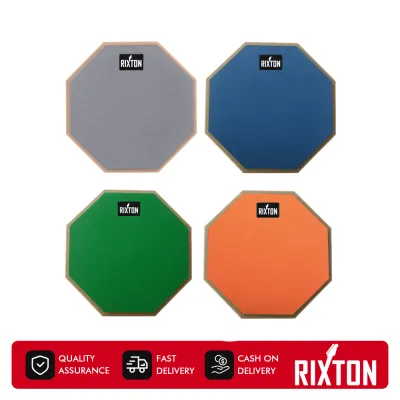
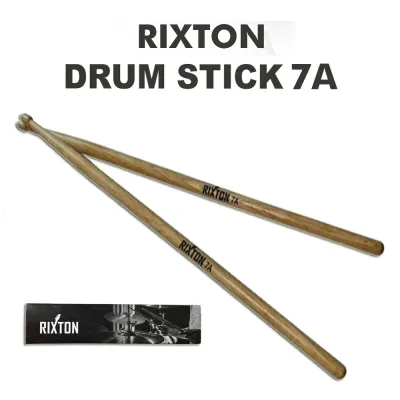
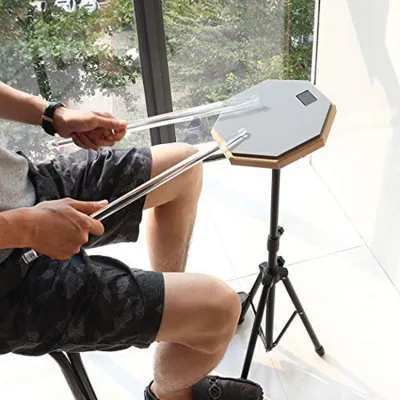
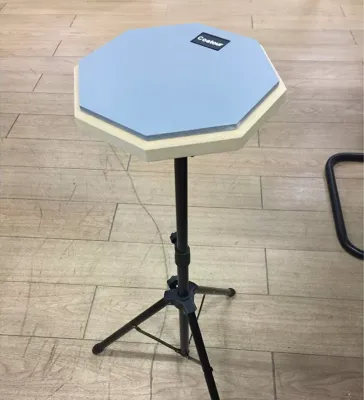
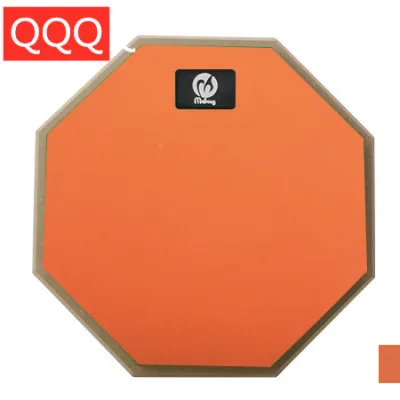
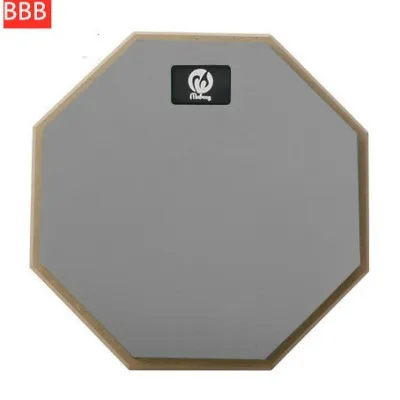
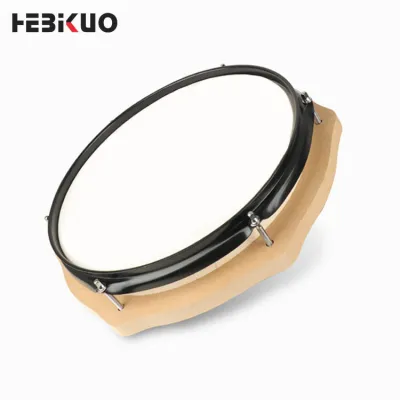
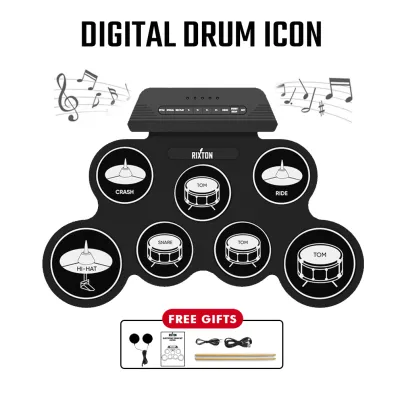
Prices are valid at publication and may change. Please refer to the product page for the latest price.
The mounting hardware is another critical factor that determines how and where you can practice. Tabletop-only designs are highly convenient and budget-friendly, but they can slide around during intense practice sessions unless they feature a high-friction, non-slip backing. Dedicated stands or mounting clamps offer superior stability and allow you to adjust the height and angle of the pad to match your playing posture. Look for heavy-duty, double-braced stands if you plan to keep the set in a permanent location, as they resist wobbling much better than lightweight, single-braced alternatives.
Finally, consider the trade-offs between compact, travel-friendly kits and heavier, stationary setups. If you frequently travel between school, music lessons, or different homes, a lightweight, foldable practice set that fits into a backpack is highly advantageous. However, these compact designs often sacrifice some stability and may shift when you practice heavy accents or foot techniques. Stationary setups, while bulky and difficult to transport, provide a solid, realistic feel that closely replicates the physical resistance and stability of an acoustic drum rack.
Key Selection Criteria for Beginner Drummers
To find a practice set that supports your development, you must evaluate several core specifications, starting with the pad diameter and playing surface area. Standard practice pads typically range from 6 inches to 12 inches in diameter. A smaller 6-inch pad is highly portable and forces you to develop precise stick targeting, but it offers very little room for error and cannot be easily mounted on standard snare stands. For beginners, a 10-inch or 12-inch pad is generally recommended because it fits comfortably on standard snare drum stands and provides a realistic playing area that accommodates wide stick movements during complex rudiment practice.

Reviewing the rebound response characteristics is equally important for building proper hand strength and technique. The rebound of a pad determines how closely it mimics the natural bounce of an acoustic drumhead. Some advanced practice sets feature tunable tension mechanisms, allowing you to tighten or loosen the playing surface using a standard drum key. This feature is incredibly valuable for simulating different drum types, such as a tight, snappy snare drum or a looser, deeper floor tom, helping you adapt your wrist movements to different playing surfaces.
Noise reduction and acoustic dampening are crucial considerations, especially for practice in shared living environments, condominiums, or townhouses. While practice pads are significantly quieter than acoustic drums, they are not completely silent. The impact of wooden drumsticks on hard rubber can produce a high-pitched clicking sound that easily penetrates thin walls or floors. If you live in close proximity to others, look for pads designed with acoustic dampening layers or soft foam backings. These materials absorb the shock of the strike, converting the sharp click into a low-frequency thud that is much less disruptive to neighbors.
Additionally, pay attention to the stability of the bass drum kick pad if the set includes one. Kick pads must withstand heavy, repetitive impacts from a bass drum pedal without sliding forward or rocking side to side. Look for kick pads that feature adjustable carpet spikes or heavy-duty velcro strips on the base to secure them firmly to a rug or carpet, ensuring a stable and consistent pedal response during practice.
Evaluating Pad Materials and Surface Textures
The material of the playing surface directly influences the feel, sound, and durability of your practice set. Gum rubber is the most traditional material, offering a highly responsive, springy rebound that helps build wrist strength and endurance. Silicone pads tend to be slightly quieter than rubber and offer a smoother, more consistent texture that resists wear over time. Mesh heads, similar to those found on electronic drum kits, provide the quietest performance and can often be tensioned to your exact preference, though they require a sturdy rim to hold the mesh in place.
When reviewing product descriptions, verify manufacturer claims regarding stick wear, rebound consistency, and surface texture. High-humidity environments in the Philippines can cause certain low-grade synthetic rubbers to become sticky, attract dust, or degrade prematurely. Look for materials that are specified as moisture-resistant or UV-resistant, ensuring the pad maintains its physical integrity and consistent rebound even after months of daily, high-impact practice in warm weather.
Many high-quality practice sets offer dual-sided pads with different textures to provide varied practice routines. Typically, one side features a soft gum rubber surface for realistic rebound and quiet practice, while the reverse side consists of a harder, recycled rubber or neoprene surface. The harder side produces less rebound and a louder click, forcing your muscles to work harder to lift the stick and helping you analyze your rhythmic precision and stick height more clearly.
Before finalizing your choice, check the mounting thread specification on the underside of the pad. Most standard pads feature an 8mm or 6mm threaded insert, which allows them to be screwed directly onto compatible cymbal stands or practice pad stands. Verifying this specification ensures you can easily integrate the pad with your existing hardware or find a compatible stand without needing proprietary adapters.
Building Your Shortlist: Pre-Purchase Verification
Before purchasing a drum pad practice set from an online marketplace or a local music retailer, it is essential to perform a thorough pre-purchase verification. Start by cross-referencing the product listing to confirm exactly what accessories are included in the package. Some sets are sold as standalone pads, requiring you to purchase stands, mounting clamps, and drumsticks separately. Opting for an all-in-one bundle that includes a carrying bag, a pair of matched drumsticks, and a dedicated stand can save you significant time and ensure all components are fully compatible out of the box.
If you are considering a practice set with electronic triggers or hybrid capabilities, verify the required connections and compatibility. These sets often use standard quarter-inch jack cables to connect to external drum modules, amplifiers, or audio interfaces. Ensure the product specifications explicitly state compatibility with your existing hardware or mobile apps, as some proprietary trigger systems only function with specific brand-name modules or require specialized adapters to connect to modern smartphones and tablets.
Reviewing the seller’s reputation and return policies is another crucial step when buying musical instruments online. Look for authorized local distributors or highly rated stores on major ecommerce platforms to ensure you receive an authentic product rather than a low-quality counterfeit. Verify that the seller offers a clear return policy in case of manufacturing defects, and check if the manufacturer’s warranty is valid locally, which is crucial for resolving any hardware issues with stands, clamps, or pad surfaces.
Finally, consider the assembly requirements of the practice set. Some multi-pad configurations require extensive assembly and tuning before they can be used. Check if the product listing mentions the inclusion of assembly tools, such as a drum key or hex wrenches, and look for downloadable user manuals or assembly guides on the manufacturer’s official website to ensure you can set up the kit quickly and correctly.
Frequently Asked Questions (FAQ)
How do I clean and maintain my practice pads?
Begin by performing a simple visual inspection to check for accumulated dust, wood shavings, or sweat marks on the playing surface. Use a dry microfiber cloth to wipe away loose debris before applying any liquids. If the surface requires deeper cleaning, consult the manufacturer’s manual to verify approved cleaning solutions, as harsh chemicals or alcohol-based cleaners can dry out rubber and cause it to crack. Generally, a slightly damp cloth with a mild, diluted dish soap is safe for most silicone and rubber pads. Always store your practice set in a cool, dry place away from direct sunlight and extreme tropical heat to prevent the materials from warping or losing their elasticity.
Can I use a practice pad set with electronic drum modules?
Standard acoustic practice pads made of solid rubber, silicone, or wood do not contain the electronic sensors required to communicate with a drum module. To trigger digital sounds, a pad must feature built-in piezo triggers or specialized electronic sensors that convert physical vibrations into MIDI or analog signals. If you wish to integrate your practice set with an electronic module, you must purchase pads explicitly labeled as electronic trigger pads or install aftermarket trigger clips. Always check your drum module’s user manual to verify the input specifications, trigger settings, and required cable types to ensure seamless compatibility and accurate dynamic response.
Community discussion
Share your experience or ask a question. Comments are reviewed before publication.