
Selecting the right people skills book is a strategic investment in your professional growth. To make an effective choice, you must first identify your most pressing communication hurdle, whether that is resolving conflicts with peers, leading a newly formed team, or expanding your professional network.
Cultural context plays a critical role in how communication advice translates to real-world success. A strategy that works seamlessly in a low-context, highly direct corporate environment might cause friction in a workplace that values indirect diplomacy and collective harmony.
Before purchasing any title, verify its relevance by checking the publication date, the author’s professional background, and the specific edition. Ensuring the book includes practical exercises rather than just theoretical concepts will help you apply these lessons directly to your daily office interactions.
Products mentioned in this guide
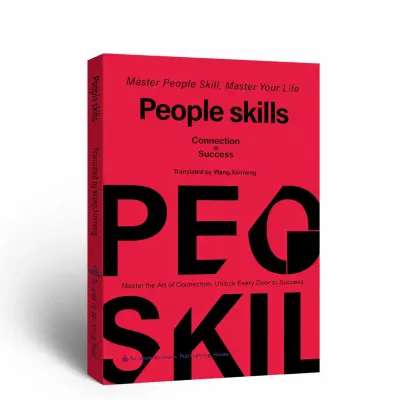
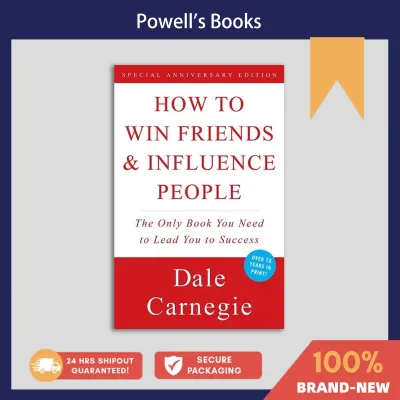

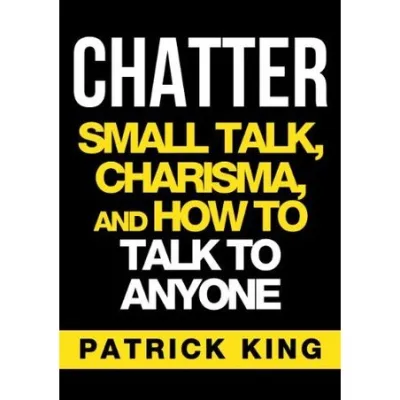
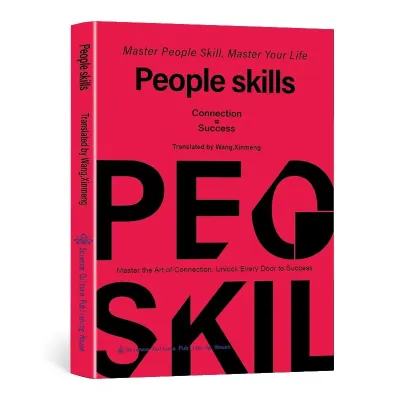
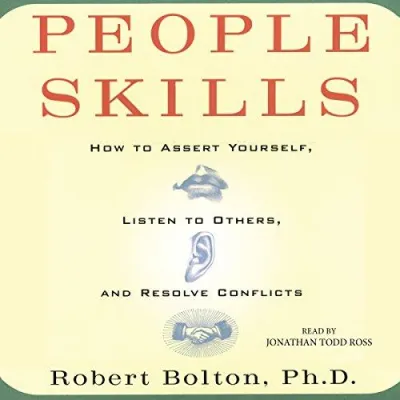

Prices are valid at publication and may change. Please refer to the product page for the latest price.
Diagnosing Your Specific Workplace Communication Challenges
To find the most effective literature, you must first diagnose the specific interpersonal friction points you encounter in your daily professional life.
Navigating hierarchical structures is a common challenge in many traditional corporate offices. If you find it difficult to share ideas with senior management or feel hesitant to speak up during executive meetings, you need a book that focuses on upward communication and diplomatic assertiveness. The right guide will teach you how to present your ideas clearly while respecting established organizational boundaries.
Managing peer collaboration and cross-departmental teamwork requires a different set of interpersonal tools. When projects involve multiple stakeholders with competing priorities, communication breakdowns can easily delay progress. Books focusing on lateral leadership, negotiation, and collaborative problem-solving can help you build consensus without relying on formal authority.
Handling constructive feedback and navigating performance reviews can also be emotionally taxing. If you tend to take professional critiques personally, or if you struggle to deliver difficult feedback to your subordinates, look for titles centered on radical candor, emotional intelligence, and constructive dialogue. These resources provide frameworks for separating personal relationships from professional performance.
Building a robust professional network and establishing mentorship relationships are essential for long-term career advancement. If networking events leave you feeling drained or if you struggle to maintain professional connections outside your immediate team, prioritize books that offer practical advice on organic relationship-building, active listening, and professional rapport.
Core Criteria for Evaluating Interpersonal Skills Books
Evaluating a people skills book before purchasing ensures that the time and money you invest will yield practical benefits in your career.

Start by assessing the author’s background and industry relevance. An author with decades of corporate leadership experience will offer highly practical, scenario-based advice, whereas an academic psychologist might provide deeper insights into human behavior and cognitive patterns. Both perspectives are valuable, but your choice should align with whether you need immediate, actionable scripts or a foundational understanding of interpersonal dynamics.
Cultural adaptability is another crucial factor to consider. Many popular self-help and professional development books are written from a Western perspective, which often champions directness and individual achievement. When evaluating these titles, consider whether the communication frameworks can be adapted to environments that place a high value on group cohesion, respect for seniority, and subtle non-verbal cues.
Look for books that emphasize actionability over abstract theory. A high-quality guide should feature practical exercises, self-assessment quizzes, communication templates, and real-world case studies. These tools allow you to practice new behaviors in a structured manner, making it easier to transition from reading about a concept to implementing it in your daily routine.
Finally, consider how the book’s format fits into your daily schedule and learning preferences. Physical books are excellent for active study, allowing you to highlight key passages, write notes in the margins, and keep the text on your desk as a constant visual reminder. E-books offer unmatched portability, making it easy to read during short breaks or while traveling. Audiobooks are highly convenient for professionals who want to utilize their daily commute, allowing them to absorb valuable communication strategies while navigating heavy traffic or waiting in transit lines.
Aligning Book Themes with the Philippine Corporate Environment
The corporate landscape in the Philippines has its own unique set of cultural norms, making it essential to select book themes that align with local workplace dynamics.
High-context communication is a defining feature of many local offices, where what is left unsaid is often just as important as the spoken word. Professionals must learn to read subtle non-verbal cues, tone of voice, and body language to fully understand their colleagues’ intentions. Books that focus on active listening, empathy, and decoding non-verbal communication are incredibly valuable in this environment.
Balancing smooth interpersonal relations with professional assertiveness is another common challenge. There is often a strong cultural preference for maintaining harmony and avoiding open confrontation, which can sometimes lead to passive-aggressive behavior or a reluctance to point out errors. Selecting literature that teaches healthy boundary-setting and respectful assertiveness will help you address issues directly without damaging your professional relationships.
Upward management requires a delicate touch when dealing with hierarchical structures. Proposing a new idea or expressing a dissenting opinion to a senior manager must be handled with utmost respect to avoid appearing confrontational. Look for books that offer strategies on how to frame suggestions collaboratively, present data-driven arguments, and build trust with leadership.
Adapting global communication standards to local team dynamics is particularly important in hybrid work setups and multinational corporations. As more organizations adopt flexible working arrangements, maintaining strong interpersonal connections across digital channels has become a vital skill. Books that address virtual collaboration, digital etiquette, and cross-cultural communication can help you bridge the gap between global corporate expectations and local team preferences.
Where to Buy and How to Verify Book Editions
Once you have identified the right themes and criteria, the next step is sourcing your chosen people skills book safely and cost-effectively.
When deciding where to purchase, compare the advantages of local physical bookstores, official brand stores, and established online marketplaces. Physical bookstores allow you to browse the pages, check the print quality, and assess the layout before buying. Official online brand stores and verified sellers on major ecommerce platforms offer convenience and often carry a wider selection of international titles that might not be readily available on local shelves.
Always verify the publication date and edition of the book before finalizing your purchase. The business world changes rapidly, and communication frameworks that were highly effective two decades ago may not address the nuances of modern digital communication, instant messaging platforms, and remote team collaboration. Opt for revised or updated editions whenever possible to ensure the advice remains relevant to today’s workplace.
Be sure to check whether you are purchasing the complete, unabridged version of the book. Some retailers sell abridged editions, simplified translations, or standalone study guides that may omit crucial case studies, exercises, or chapters. Reading the product description carefully and checking the page count can help you avoid accidentally buying an incomplete version.
Be vigilant about pricing and watch out for unauthorized or pirated copies. While it can be tempting to purchase extremely cheap paperbacks priced at ₱50 to ₱150 on online marketplaces, these are often low-quality, illegal reprints. Pirated books frequently suffer from missing pages, illegible text, poor binding that falls apart quickly, and severe typographical errors. Investing in genuine copies from authorized distributors ensures you receive a high-quality product while supporting the authors and publishers who create these valuable resources.
Frequently Asked Questions (FAQ)
How long should I spend on one people skills book to see workplace improvements?
Rather than rushing to finish a book in a single weekend, aim to read mindfully and focus on long-term behavioral changes. Spending two to three weeks on a single book allows you to digest the concepts thoroughly and practice them in real-time.
Try selecting one specific communication technique or script from a chapter and testing it in low-stakes office scenarios, such as casual team chats or weekly status updates. Track your interactions and note how colleagues respond to your adjusted approach before moving on to the next section of the book.
Are audiobooks as effective as physical copies for learning communication skills?
Audiobooks are highly effective for absorbing conceptual frameworks, understanding vocal tone, and learning conversational pacing, making them an excellent choice for busy professionals during long daily commutes. Hearing an author deliver a dialogue script can help you understand the emotional nuance behind the words.
However, physical books or e-books are generally superior when it comes to completing written exercises, studying complex communication templates, or referencing specific chapters quickly. For the best results, consider a hybrid approach: listen to the audiobook for inspiration during your commute, and use a physical copy at your desk to study and practice the exercises.
Community discussion
Share your experience or ask a question. Comments are reviewed before publication.