
Deciding between a sealed and an unsealed K-pop album comes down to what you value most in your collection: the thrill of the random draw or the certainty of getting exactly what you want at a lower price. A sealed album remains in its original factory shrink-wrap, preserving every random photocard, postcard, and pre-order benefit exactly as packaged by the music label. An unsealed album has been opened, meaning a previous owner or seller has sliced through the plastic to inspect, sort, or remove specific contents—most commonly the highly coveted random photocards. For collectors who prioritize completing their photobook collections or securing a specific member’s items without spending a fortune on random pulls, unsealed albums offer a practical, budget-friendly alternative.
Understanding the nuances of these two options helps you navigate the secondary music market with confidence. Whether you are a casual listener who just wants the physical CD and photobook or a dedicated collector hunting for a specific concept version, knowing what to look for ensures you get the best value for your money. By learning how to verify inclusions, evaluate physical condition, and choose the right version for your favorite group member, you can build a collection that brings you joy without breaking the bank.
Sealed vs. Unsealed K-Pop Albums: Key Differences
A factory-sealed K-pop album is exactly as it left the manufacturing plant. It is wrapped in tight, clear plastic or shrink-wrap, ensuring that no human hands have touched the contents inside since it was packaged. When you buy a sealed album, you are guaranteed to receive all standard inclusions, including the photobook, CD, lyric booklet, and any random items like photocards, postcards, or stickers. This option is ideal for collectors who love the element of surprise and want to experience the excitement of unboxing an album for the first time.
Products mentioned in this guide


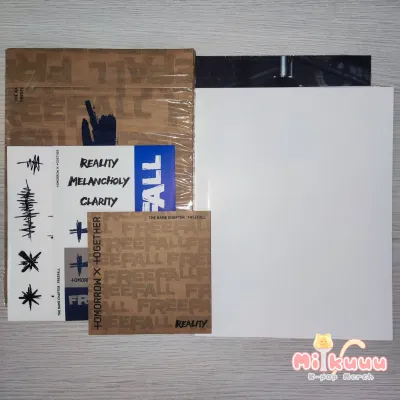
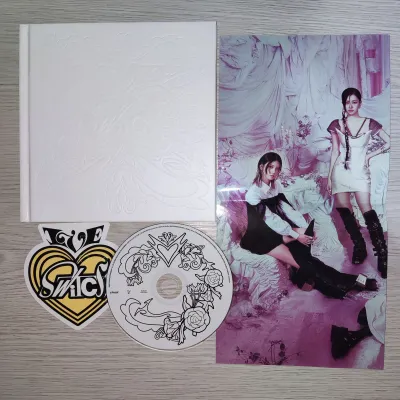
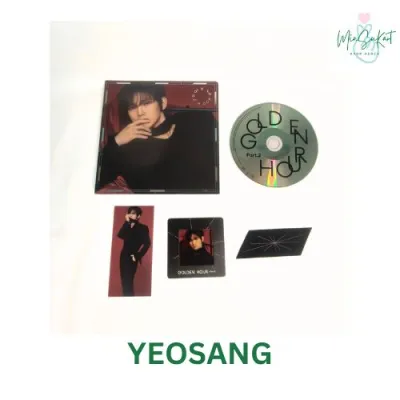
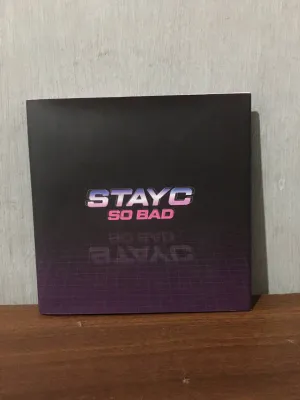
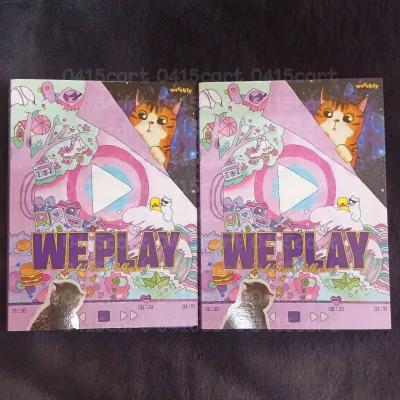
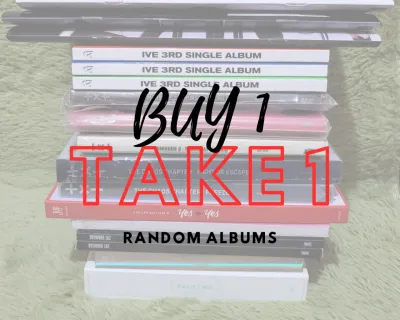
Prices are valid at publication and may change. Please refer to the product page for the latest price.
An unsealed K-pop album, on the other hand, has had its outer plastic seal broken or completely removed. Once an album is unsealed, its contents are no longer guaranteed to be complete. Sellers often open albums to extract specific high-value items, leaving the rest of the package behind. While the outer box, photobook, and CD are almost always present, the smaller, random items are frequently missing or swapped.
The reasons sellers offer unsealed albums are varied and highly relevant to the secondary market. A common driver is the phenomenon of group orders, where organizers purchase albums in bulk to secure exclusive pre-order benefits or to conduct photocard sorting for buyers. Once the desired photocards are distributed to participants, the remaining opened albums are sold at a heavily discounted rate. Other times, unsealed albums come from store displays, collectors downsizing their holdings, or packages that suffered minor seal damage during international transit.
What to Expect Inside an Unsealed K-Pop Album
When purchasing an unsealed album, you must carefully verify the exact inclusions to avoid disappointment. K-pop agencies typically publish detailed inclusion lists on their official social media channels or retail store pages before a release. These lists detail every item included in the package, from the number of pages in the photobook to the specific dimensions of the stickers. Before buying an unsealed copy, cross-reference the seller’s description with these official lists to identify exactly what has been removed.

High-value items are the most common casualties of the unsealing process. Random photocards, limited-edition polaroids, pre-order benefits, and event application tickets are almost always removed because they hold significant individual resale value. In contrast, standard inclusions like the CD, photobook, and lyric book are usually left intact. These bulkier items are more expensive to ship individually and have a much lower resale demand on their own, making them the core of what you receive in an unsealed purchase.
To protect yourself from misleading listings, learn to spot common red flags in seller descriptions. Phrases like “album only” or “no PC” indicate that all random photocards have been removed, leaving only the photobook and CD. Listings that mention “missing poster” or “no POB” mean you will not receive any pre-order bonuses. If a seller’s description is vague or simply states “unsealed” without listing the missing items, always message them directly to ask for a written inventory of what is included before finalizing your purchase.
How to Choose the Right Unsealed Version for Your Bias
Most K-pop releases come in multiple concept versions, often designated by names like Day/Night, Ver. A/B/C, or specific thematic titles. Each version features entirely different photobook concepts, styling, and a distinct pool of random photocards. If you are buying an unsealed album to support a specific member, or bias, you must first identify which version contains the photobook concepts and styling that you prefer. Checking official unboxing videos or concept photo teasers online is an excellent way to determine which version aligns with your taste.
If you are looking for an unsealed listing that actually includes your bias’s photocard, verification is critical. Because photocards are easily replicated, you should ask the seller for clear, close-up photos or a video of the photocard under direct light. This allows you to check for official manufacturing marks, such as tiny stem cuts on the edges, and inspect the card for surface scratches, bent corners, or printing defects. A reputable seller will gladly provide a video showing the photocard alongside a piece of paper containing their username and the current date to prove ownership.
Evaluating the physical condition of the photobook and CD is equally important when buying unsealed. In warm, humid tropical climates, paper goods are highly susceptible to moisture damage, warping, or sticky pages if they are stored poorly after being unsealed. Ask the seller if the album has been kept in a smoke-free, pet-free environment and whether it has been stored away from direct sunlight to prevent cover fading. Inspect photos of the album’s spine and corners for dents or creases that may have occurred during handling or storage.
Sealed vs. Unsealed: Which One Should You Buy?
Choosing between sealed and unsealed albums ultimately depends on your budget, collecting goals, and how much you value the unboxing experience. If you enjoy the suspense of not knowing which photocard you will pull, or if you are a completionist who wants a pristine, untouched product, buying a sealed album is the right path. Sealed albums are also the preferred choice if you are purchasing a rare or out-of-print release, as they preserve the maximum historical and monetary value of the physical media.
Conversely, unsealed albums are the ideal choice if you are operating on a budget and want to save hundreds of ₱ on your purchase. They are perfect for collectors who only care about displaying the photobook on their shelf or listening to the physical CD. Buying unsealed is also highly efficient if you want to skip the trading process entirely; you can often find sellers offering the unsealed album bundled with your exact bias’s photocard for a set price, saving you the time and stress of trading random pulls online.
Before making any purchase, always perform a quick verification check. If the seller’s description is brief, the price seems too good to be true, or the packaging condition is not clearly visible in the photos, pause and ask questions. Verifying the edition, language, and physical completeness of the album beforehand ensures that your new addition to your collection is exactly what you expected.
Frequently Asked Questions (FAQ)
Is it safe to buy unsealed K-pop albums online?
Buying unsealed K-pop albums online is generally safe if you take steps to verify the seller’s reputation. Look for sellers with high ratings, positive reviews, and a history of successful transactions on established e-commerce platforms or local community boards. Always request actual photos of the album’s current condition rather than relying on stock images. To protect your purchase, use secure payment methods offered by the platform that include buyer protection policies, which allow you to request a refund if the item arrives damaged or does not match the description.
Do unsealed albums still count towards official sales charts?
Unsealed albums purchased on the secondary market do not count towards official music charts like Hanteo or Circle. Chart tracking relies entirely on the initial retail purchase from authorized stores that report directly to these charting systems. When a seller or group order manager originally bought the sealed albums from an authorized retailer, those sales were already registered on the charts. Buying that same album unsealed from a secondary seller is considered a peer-to-peer transaction and has no additional impact on the group’s official sales figures.
Community discussion
Share your experience or ask a question. Comments are reviewed before publication.