
Choosing your first digital piano is a major milestone, especially when navigating the balance between authentic touch, sound quality, and available living space. The Roland FP-10, Yamaha P-45, and Casio CDP-S110 represent three of the most popular entry-level 88-key weighted instruments on the market. Each model approaches the beginner experience with a distinct set of design priorities, making the right choice highly dependent on your personal goals.
To find your ideal match, you must weigh what matters most to your daily practice. If your primary goal is developing classical finger strength, key action realism will likely guide your decision. If you have limited space in a compact apartment or need to transport the instrument frequently, physical dimensions and weight become the deciding factors. Before making a final decision, it is always best to verify current stock, bundle options, and warranty terms at authorized local music distributors or official online marketplaces.
Key Action and Keyboard Feel
For anyone learning to play the piano, the physical connection to the keys is the most critical element of the instrument. Weighted, hammer-action keys are designed to mimic the mechanical resistance of an acoustic piano, which is essential for building proper finger strength, control, and muscle memory. Without this resistance, transitioning to a traditional acoustic piano can feel jarring and difficult for a developing student.
Products mentioned in this guide
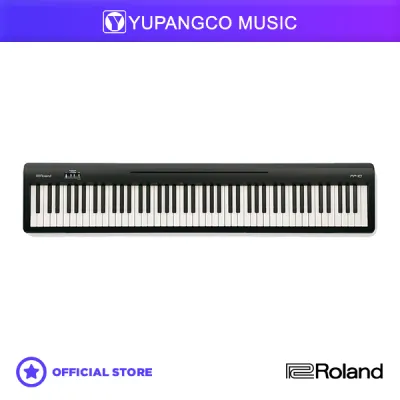
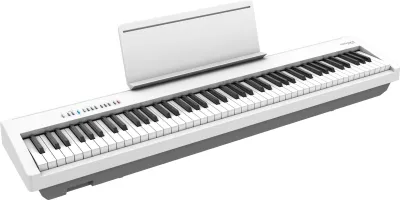
Prices are valid at publication and may change. Please refer to the product page for the latest price.
When evaluating these three models, pay close attention to how the manufacturers scale the weight across the keyboard. Graded hammer action means the keys in the lower register feel heavier to press than those in the higher register, mirroring the behavior of thicker strings on an acoustic grand. You should check the official manufacturer specifications to verify the specific action names, such as Roland’s PHA-4 Standard, Yamaha’s Graded Hammer Standard (GHS), and Casio’s Scaled Hammer Action Keyboard II.
When testing these instruments in a physical showroom, observe several key physical characteristics:
- Key Resistance and Bounce: Press the keys slowly to feel the point of resistance. Some actions simulate the subtle "click" or let-off feel of an acoustic grand piano, while others offer a smooth, linear descent.
- Surface Texture: Look for matte or textured key surfaces. In the warm, humid climate of the Philippines, glossy plastic keys can easily become slippery during extended practice sessions. Matte finishes help absorb moisture and provide a more secure grip.
- Mechanical Noise: Play the keys with the volume turned completely down. Listen to the physical thud or springiness of the key bed. A quieter key mechanism is highly desirable if you plan to practice late at night using headphones.
- Pivot Length: Press a key near its back edge, close to the fallboard. A longer pivot length makes it easier to play deep inside the keys, which becomes increasingly important as your repertoire advances.
Sound Engine and Audio Quality
A digital piano’s sound engine determines how realistically it translates your physical keystrokes into audible tones. Entry-level instruments use digital sampling, which involves playing back high-resolution recordings of premium acoustic grand pianos. The sophistication of the sound engine dictates how smoothly the volume and tonal character change depending on how hard or soft you strike the keys.

To assess the acoustic realism of each model, you should research their proprietary sound technologies. Roland utilizes its SuperNATURAL sound engine, Yamaha relies on its AWM (Advanced Wave Memory) stereo sampling, and Casio employs its multi-dimensional sound source. Rather than relying solely on marketing terms, focus on how naturally the notes decay after you strike them and whether you can hear the subtle resonance of virtual strings vibrating together.
Speaker configuration is another vital element of your practice environment. Check the manufacturer specifications for the total amplifier wattage and the physical placement of the speakers. Models with downward-facing or rear-facing speakers may sound muffled if placed directly against a wall or on a soft surface like a bed. If you are setting up the piano in a small room, a modest speaker system is usually sufficient, but larger spaces may require external amplification.
To truly evaluate the raw audio quality of the internal sound engine, always bring a high-quality pair of studio headphones to the store. Testing with headphones eliminates the acoustic interference of a noisy showroom or a poorly treated room, allowing you to hear the true clarity, stereo imaging, and dynamic range of the piano samples.
Connectivity, Apps, and Extra Features
Modern digital pianos offer a variety of digital integration options designed to enhance your learning workflow and simplify daily practice. Before purchasing, examine the back panel of each instrument to verify the available physical ports. A standard USB-to-Host port (Type-B) is essential for connecting the piano to a computer, tablet, or smartphone to use as a MIDI controller.
Wireless connectivity is another feature to verify on official spec sheets. Some entry-level models include built-in Bluetooth MIDI, which allows you to connect to educational apps without cluttering your practice space with cables. However, keep in mind that Bluetooth availability can sometimes vary by region or specific product sub-edition, so it is crucial to confirm this feature with your local retailer.
Companion applications provided by the manufacturers can significantly improve your user experience. These apps allow you to adjust internal settings—such as touch sensitivity, metronome speed, and layering sounds—directly from a graphical interface on your tablet or smartphone, bypassing confusing key-combination shortcuts on the piano itself. Check the compatibility of the following official apps with your specific mobile device operating system:
- Roland Piano App: Offers interactive practice diaries, companion exercises, and remote control of internal settings.
- Smart Pianist (Yamaha): Provides intuitive control over voice selection, layering, and can even analyze songs in your device's music library to generate chord charts.
- Casio Music Space: Features interactive score viewing, piano roll learning tools, and environmental acoustic simulators.
Portability, Design, and Build
For many players in the Philippines, living space is at a premium. Whether you are setting up in a shared condominium, a cozy bedroom, or a multi-purpose living area, the physical footprint of the digital piano is a major practical consideration. You should compare the exact dimensions and weight listed in the official product manuals to ensure the instrument fits your designated space.
Chassis depth is particularly critical if you plan to place the piano on a narrow desk or a portable stand. Casio’s CDP-S series is specifically engineered with an ultra-slim profile, making it highly compact and easy to store away when not in use. Roland and Yamaha models tend to have slightly deeper and heavier cabinets to accommodate their respective hammer-action key beds. Weighing the trade-off between a slimmer chassis and a heavier, more substantial key action is a key step in your decision process.
Environmental factors also play a role in the longevity of your instrument. In tropical climates with high humidity, dust and moisture can gradually degrade internal electronic contacts and key sensors. Investing in a fitted dust cover is highly recommended. Additionally, check what accessories are included in the retail box. While most models come with a basic plastic footswitch and a music rest, you may want to verify if a matching wooden furniture stand or a triple-pedal unit is available as an optional upgrade to create a more stable, permanent setup.
Specification and Feature Matrix
Because technical specifications can vary by production year and regional distribution, always verify these details on the physical product label or the manufacturer’s official local website before finalizing your purchase.
| Feature | Roland FP-10 | Yamaha P-45 | Casio CDP-S110 |
|---|---|---|---|
| Keyboard Action | PHA-4 Standard (Verify on label) | Graded Hammer Standard (Verify on label) | Scaled Hammer Action II (Verify on label) |
| Key Surface Texture | Ivory Feel (Matte) | Matte Black Keys | Textured (Matte) |
| Sound Engine | SuperNATURAL Piano | AWM Stereo Sampling | Stereo L/R Sampling |
| Bluetooth MIDI | Check regional availability | Not available | Not available |
| Companion App | Roland Piano App | Smart Pianist | Casio Music Space |
| Headphone Output | 3.5mm Stereo Mini Jack | 1/4-inch Stereo Jack | 3.5mm Stereo Mini Jack |
| Chassis Depth | Check official spec sheet | Check official spec sheet | Check official spec sheet |
| Instrument Weight | Check official spec sheet | Check official spec sheet | Check official spec sheet |
Pricing and Value Considerations in the Philippines
When shopping for a digital piano in the Philippines, the total cost of ownership often extends beyond the base price of the keyboard itself. Retail prices fluctuate based on shipping costs, import duties, and promotional seasons. To get an accurate picture of current ₱ pricing, check authorized local music distributors and their official brand stores on major e-commerce platforms.
Be sure to factor in the cost of essential accessories that may not be included in the standard box. A basic package often includes only the keyboard, a power adapter, and a simple sustain button. For a complete and ergonomic practice setup, you will likely need to budget for:
- A Stable Stand: A sturdy double-braced X-stand or a dedicated wooden stand to prevent the keyboard from shaking while playing dynamically.
- An Upgraded Sustain Pedal: A piano-style damper pedal that offers realistic physical travel and resistance compared to basic plastic footswitches.
- A Comfortable Bench: A height-adjustable bench to ensure proper playing posture and prevent wrist strain.
- Power Protection: Given the occasional voltage fluctuations in local power grids, using a high-quality surge protector or voltage regulator is a wise precaution to safeguard your instrument's internal circuitry.
Finally, exercise caution when encountering online listings with prices that seem unusually low. Purchasing from unauthorized parallel importers may save money upfront, but it often leaves you without a valid local warranty. Authorized distributors provide official warranty coverage, ensuring you have access to genuine replacement parts and qualified technicians if your instrument requires servicing.
Final Decision Framework: Choose Based on Your Needs
To make your final choice, align the unique strengths of each model with your specific living situation and musical goals.
- Choose the Roland FP-10 if: Your highest priority is achieving the most realistic key feel possible at an entry-level price point. If you plan to focus heavily on classical piano technique and want a key action that closely mimics the weight and texture of an acoustic instrument, this model is a strong candidate. Verify first if the Bluetooth MIDI feature is active on the specific unit available in your region.
- Choose the Yamaha P-45 if: You prefer a straightforward, time-tested user experience with a traditional acoustic sound character. If you want an intuitive interface that does not require navigating complex menus or companion apps to access core features, this model offers a reliable, plug-and-play solution for daily practice.
- Choose the Casio CDP-S110 if: Space is your primary constraint, or you need an instrument that is highly portable. If you live in a compact apartment, need to store the piano under a bed or in a closet between practice sessions, or plan to travel with your keyboard frequently, its ultra-slim chassis and lightweight design make it exceptionally practical.
Before committing financially, visit a physical music showroom if possible. Spend time sitting at each instrument, pressing the keys, and listening through headphones. Your personal comfort with the key resistance and the character of the piano tone is the ultimate guide to choosing an instrument that will keep you motivated to practice for years to come.
Frequently Asked Questions (FAQ)
Do I need to buy a dedicated stand and pedals?
While you do not strictly need a dedicated wooden furniture stand to begin playing, a stable support system is essential. A flimsy stand can cause the keyboard to wobble during energetic passages, which disrupts your hand positioning and technique. If you plan to keep the piano in a permanent spot, a dedicated wooden stand offers the best stability and allows you to attach a secure triple-pedal unit. If you need a portable setup, a heavy-duty double-braced metal stand is a practical alternative. Additionally, check the box contents; if only a basic plastic footswitch is included, upgrading to a weighted, piano-style sustain pedal will greatly improve your control over note decay.
Can I connect these pianos to learning apps?
Yes, all three models support connection to popular interactive learning and sheet music applications on iOS and Android devices. This connection is typically established using a standard USB cable paired with an appropriate adapter for your tablet or smartphone. Once connected, the piano sends MIDI data to the app, allowing the software to detect which notes you are playing in real-time and provide instant feedback. Before purchasing, visit the official website of your preferred learning app to verify its compatibility requirements and check if your chosen digital piano model requires any specific firmware updates to connect smoothly.

Community discussion
Share your experience or ask a question. Comments are reviewed before publication.