
When searching for a Yamaha acoustic guitar suited for strumming and rhythm playing, the primary focus should be on body shapes that deliver strong projection, full bass response, and balanced tonal clarity. Yamaha’s Dreadnought and Jumbo models, particularly within the FG and LL series, are structurally designed to handle aggressive picking and chord-based playing without compressing the sound. This guide outlines the specifications, series options, and setup requirements to help you select the right instrument for your rhythm needs.
Selecting an instrument for rhythm playing requires understanding how physical design translates into acoustic energy. Strumming involves striking multiple strings simultaneously, which creates a complex wave of sound that can easily become muddy or distorted if the guitar body cannot process the energy efficiently. By focusing on specific design elements, you can ensure your chords sound articulate, powerful, and balanced whether you are practicing at home, recording in a studio, or performing live on stage.
What Makes an Acoustic Guitar Ideal for Strumming?
An ideal strumming guitar must possess a body shape that provides sufficient internal air volume to project sound clearly. Dreadnought and Jumbo body sizes are the traditional standards for rhythm playing because their deep bodies and wide lower bouts act as natural amplifiers. This physical space allows lower frequencies to develop fully, giving your strumming patterns a rich, warm bass foundation that supports vocals or other instruments in an ensemble.
Products mentioned in this guide



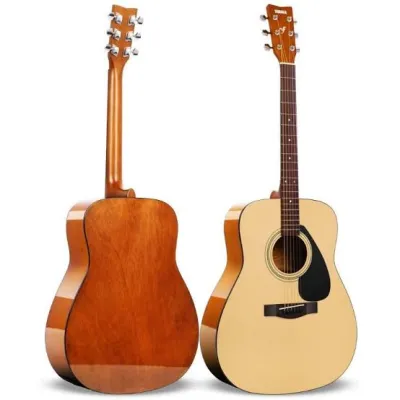
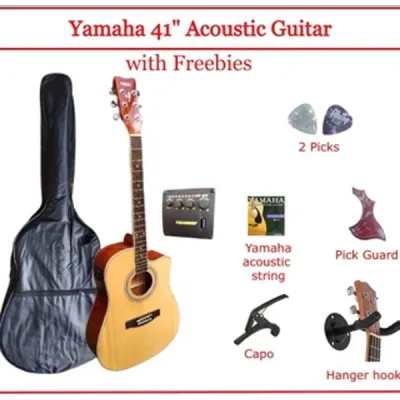
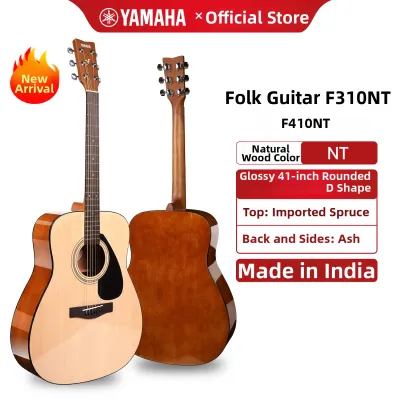
Prices are valid at publication and may change. Please refer to the product page for the latest price.
The choice of top wood, or soundboard, is equally critical for handling the dynamics of chord-based playing. Solid spruce is highly favored for strumming because of its exceptional strength-to-weight ratio, which allows it to vibrate freely under heavy picking while maintaining structural integrity. This wood species offers a wide dynamic range, meaning it can transition smoothly from soft, delicate strumming to loud, aggressive chord work without losing definition or causing the individual notes of a chord to blur together.
Beneath the soundboard, the internal bracing pattern dictates how the guitar projects its voice and handles physical tension. Bracing refers to the wooden struts glued to the underside of the top, which reinforce the structure against the pull of the strings. Yamaha utilizes both traditional non-scalloped bracing and modern scalloped bracing designs across different models. Scalloped bracing, which involves carving out sections of the wooden struts, increases the flexibility of the soundboard, resulting in enhanced low-end resonance and a more open, immediate projection that benefits rhythmic playing.
Yamaha Series Suited for Rhythm and Chord-Based Playing
Yamaha offers several distinct acoustic guitar families, each tailored to different playing styles, budgets, and performance environments. When looking for a dedicated rhythm instrument, navigating these series requires understanding how construction methods change as you move from entry-level options to professional-grade models.

As you progress through Yamaha’s lineup, the construction transitions from laminated woods to all-solid wood configurations. Laminated models are highly durable and cost-effective, making them excellent choices for beginners or travel. Intermediate and professional tiers introduce solid tops and solid back and sides, which offer superior resonance, greater dynamic sensitivity, and a more complex harmonic profile that matures and improves in tone over years of consistent playing.
The FG Series (Dreadnought)
The FG series is one of Yamaha’s most recognizable and enduring lines, celebrated for delivering reliable performance and robust acoustic projection. Designed with a traditional dreadnought body shape, these guitars are built to serve as versatile workhorses for players of all skill levels. The deep body and broad shoulders of the FG shape provide a naturally loud acoustic voice that easily fills a room without the need for external amplification.
Standard specifications for the FG series typically include a scale length of approximately 650mm (25.6 inches) and a comfortable nut width of 43mm (1.69 inches). This neck profile is highly accessible for forming open chords and executing rapid rhythm transitions. The body depth ranges from 100mm to 118mm, ensuring there is ample internal volume to generate a strong, punchy acoustic response when you strike the strings with a pick.
The tonal profile of the FG series is characterized by a strong mid-range presence and a tight, punchy bass response. This specific frequency balance ensures that your rhythm playing cuts through a mix, making it an excellent choice for accompanying singers or playing alongside other acoustic instruments. The clarity of the high frequencies prevents complex chords, such as major sevenths or suspended chords, from sounding muddy or indistinct.
For the target player, the FG series represents a dependable, durable instrument that can withstand the rigors of daily practice, travel, and frequent gigging. Its robust construction makes it highly resilient, allowing players to focus on developing their strumming techniques and rhythm patterns without worrying about delicate structural vulnerabilities.
The LL Series (Jumbo and Traditional)
For players seeking a more refined acoustic experience with maximum volume and warmth, the LL series offers a premium alternative. These instruments feature Yamaha’s original jumbo body shape, which is designed to maximize acoustic resonance and provide a wider dynamic range than standard dreadnought designs. The LL series represents a higher tier of craftsmanship, incorporating advanced wood treatment technologies and premium materials.
The body dimensions of the LL series feature a slightly wider lower bout and a more defined waist compared to the traditional FG dreadnought. This unique footprint alters the internal airflow and vibration patterns, resulting in a sound that is both incredibly loud and exceptionally balanced. The larger surface area of the soundboard allows for greater projection, making it ideal for unamplified performances.
Tonal characteristics of the LL series include an incredibly rich low-frequency response, warm mid-ranges, and sweet, singing highs. The bass is deep and resonant without becoming boomy, providing a solid foundation for heavy strumming. Additionally, the LL series is known for its exceptional headroom, meaning the guitar can be strummed with significant force without the tone breaking up or compressing, allowing for highly expressive rhythm playing.
The target player for the LL series is the performing musician, singer-songwriter, or advanced enthusiast who demands a highly responsive instrument. These guitars are designed to deliver professional-grade tone on stage and in the studio, offering a level of detail and harmonic richness that elevates simple chord progressions into captivating acoustic performances.
Selecting the Right Wood Configuration
Understanding the wood configuration of an acoustic guitar is essential for predicting how the instrument will respond to your strumming style and how it will perform over time. The combination of the top wood and the back and side woods creates the overall acoustic voice of the guitar, and different pairings offer distinct advantages depending on your tonal preferences and environmental conditions.
When evaluating top woods, the choice between solid and laminated construction is a primary consideration. A solid wood top consists of a single piece of wood sliced down the middle and joined together, allowing it to vibrate as a single, cohesive unit. This results in superior volume, sustain, and a tone that matures and improves as the wood ages. Laminated tops, made of multiple thin layers of wood glued together, do not mature tonally but are highly stable and resistant to cracking caused by temperature and humidity fluctuations.
For the back and sides, the choice of wood species significantly influences the warmth and sustain of your rhythm playing:
- Rosewood: Known for its deep, warm bass and sparkling high frequencies. It creates a slightly scooped mid-range, which provides a beautiful, lush background that complements vocals perfectly.
- Mahogany: Offers a very different tonal profile, characterized by a strong, punchy mid-range and a faster decay. This results in a dry, woody sound that is highly articulate and excellent for fast, rhythmic strumming where note separation is key.
- Nato or Okoume: Often utilized in intermediate and entry-level models as alternative tonewoods. They share similar physical and acoustic properties with mahogany, offering a warm, mid-focused tone at a more accessible price point.
To ensure you are getting the exact wood configuration you desire, always verify the specifications on the manufacturer’s official product labels or documentation rather than relying solely on visual finishes. Many budget-friendly guitars use laminate woods with outer veneers that mimic the appearance of premium solid woods. Look closely for the word “solid” in the specifications for the top, back, and sides to confirm the construction type before making your purchase.
Pre-Purchase Checks and Setup Requirements
Before finalizing your purchase of a Yamaha acoustic guitar, performing a series of physical checks and planning for a proper setup will ensure the instrument is optimized for comfortable rhythm playing. A guitar straight out of the box or off the retail display wall may require adjustments to perform at its best, especially when subjected to specific regional climates.
First, inspect the string action and neck relief. Action refers to the height of the strings above the fretboard. For strumming, the action should be set slightly higher than what is typical for fingerstyle playing; if the strings are too close to the frets, they will buzz when struck with a pick. Check the straightness of the neck by sighting down the edge of the fretboard from the headstock to the body. A slight forward bow, known as neck relief, is necessary to allow the strings room to vibrate cleanly.
Next, consider whether you require an acoustic-electric model. If you plan to perform live, lead worship services, or play in a band, choosing a model equipped with a built-in pickup and preamp system is highly practical. Yamaha’s proprietary pickup systems are designed to capture the natural acoustic resonance of the body, allowing you to plug directly into a sound system or amplifier while maintaining a realistic acoustic tone.
Climate protection is a critical consideration for guitar owners in the tropical climate of the Philippines. High relative humidity can cause solid wood components to swell, raising the action and potentially warping the soundboard over time. Conversely, constant exposure to dry air conditioning can cause the wood to shrink and crack. To protect your investment, budget for a high-quality hard case or a heavily padded gig bag, and use a digital hygrometer to monitor humidity levels. Utilizing specialized two-way humidity control packets inside the case will help maintain a stable environment for the wood.
Finally, when planning your purchase, allocate a portion of your budget in Philippine Pesos (₱) for professional setup services and essential accessories. A local luthier or technician can adjust the nut, saddle, and truss rod to match your specific strumming strength. Additionally, investing in a fresh set of high-quality coated strings will help resist the corrosive effects of sweat and humidity, ensuring your new Yamaha acoustic guitar maintains its bright, resonant tone for as long as possible.
Frequently Asked Questions (FAQ)
Do I need a cutaway body for strumming?
A cutaway body is not necessary for traditional strumming and rhythm playing. Cutaways are designed to allow easier access to the higher frets, which is highly beneficial for lead guitarists and soloists playing melodic lines high up the neck. For rhythm players who primarily utilize open chords, barre chords, and first-position patterns, a non-cutaway body is generally preferred. Non-cutaway designs maximize the internal air volume of the guitar body, which helps preserve the full bass response and natural acoustic projection needed for a robust rhythm sound.
Are smaller body shapes like the FS series good for rhythm?
While smaller body shapes like Yamaha’s FS series are highly comfortable and excellent for fingerstyle playing, they are generally less suited for heavy, unamplified rhythm strumming. The smaller, shallower body and tighter waist of the FS shape produce a focused mid-range with less low-end projection and overall volume. If you strum heavily on a smaller body, the sound can compress quickly and lack the deep, warm bass foundation provided by an FG or LL model. However, the FS series can work well for light strumming in a studio recording environment where a massive acoustic projection is not required.
How often should I change strings on a strumming guitar?
Strumming guitars require more frequent string changes than fingerstyle guitars because the physical impact of a pick accelerates string wear. You should consider changing your strings every one to three months, or sooner if you notice signs of degradation. Visual indicators include discoloration, dark spots of rust, or a rough texture along the strings. Tonally, old strings will sound dull, lose their sustain, and struggle to stay in tune. For players in humid tropical climates, using coated acoustic strings can significantly extend string life by protecting the metal from moisture and sweat.
Community discussion
Share your experience or ask a question. Comments are reviewed before publication.