
Finding the perfect New Living Translation (NLT) Bible for your daily devotional time in the Philippines requires balancing readability, physical durability, and your personal reflection style. Because the NLT uses a thought-for-thought translation philosophy, it reads naturally and fluidly, making it an excellent choice for morning devotions, quiet time, or reading on your daily commute. However, the ideal edition for your desk at home might not be the one you want to carry in your bag through the humid tropical weather. By understanding the key physical formats and design features available, you can select an NLT Bible that enhances your daily spiritual routine and lasts for years to come.
How to Choose the Right NLT Bible for Your Devotional Needs
When selecting a Bible for daily reading, the typeface and font size directly impact your reading stamina. Small print can cause eye strain during extended sessions, especially under dim morning light or during evening reflections. Look for editions that utilize clear, modern typefaces designed specifically for Bibles, which optimize the space between letters and lines to improve legibility. If you plan to read for more than fifteen minutes at a time, prioritizing a highly readable font layout will keep your focus on the text rather than on squinting.
Bible paper is notoriously thin to keep the overall book manageable, but this thinness can lead to ghosting, where the text on the reverse side of the page shows through. For devotional reading, high opacity is crucial, particularly if you enjoy using highlighters or underliners to mark meaningful passages. Look for paper specifications that mention high opacity or a higher GSM (grams per square meter) rating. If you plan to write extensive notes, choosing paper specifically treated to resist ink bleed-through will keep your pages clean and readable.
Products mentioned in this guide
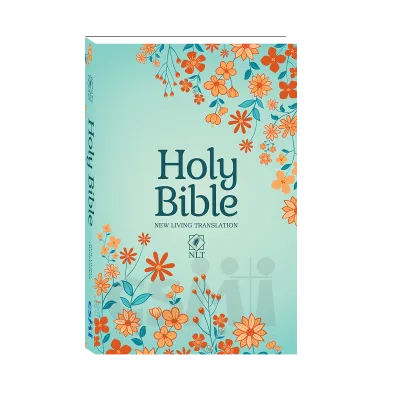
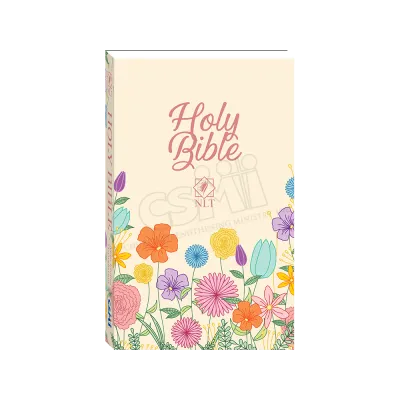
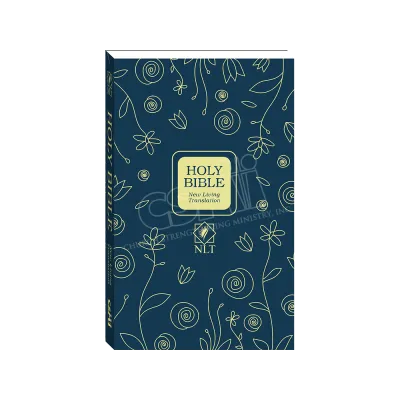
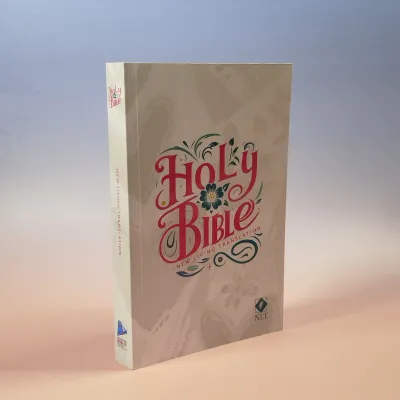
![NLT [New Living Translation] - Old and New Testament: Compact Edition (NEW](https://img.lazcdn.com/g/p/d4ab7c5d65631f87c285ba0eae5a37d2.png_400x400q80.png_.webp)
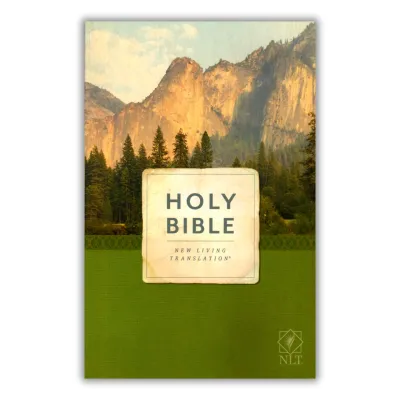
![NLT [New Living Translation] - Old and New Testament: WEDDING (NEW)](https://img.lazcdn.com/g/p/3e458927157d112d86ce1fc97345c95b.png_400x400q80.png_.webp)
Prices are valid at publication and may change. Please refer to the product page for the latest price.
The way a Bible is bound determines how easily it opens and how long it survives daily use. Smyth-sewn bindings, where groups of pages are folded and stitched together before being glued into the spine, are the gold standard for durability. A sewn Bible will lay flat on your desk or lap right from the start, allowing you to read hands-free without the pages constantly flipping shut. In contrast, cheaply glued bindings tend to resist laying flat and can crack over time, especially when exposed to fluctuating indoor temperatures and humidity.
The cover of your Bible protects the pages from wear and tear, but your choice of material should match your environment. Genuine leather covers are highly durable and age beautifully, though they require occasional conditioning to prevent drying out. Synthetic leather, often labeled as imitation leather or polyurethane (PU), offers a flexible, budget-friendly alternative with beautiful designs, but low-quality synthetics can peel or become sticky in hot, humid climates. Hardcover editions provide excellent protection and a sturdy writing surface, making them ideal for home use, while flexible paperback covers are lightweight but prone to curling at the edges.
Recommended NLT Bible Formats for Different Devotional Styles
Matching the physical format of your NLT Bible to your specific devotional style ensures that your reading time remains a seamless, distraction-free experience. The ideal format depends heavily on where you do most of your reading and how you interact with the text.

Journaling and Wide-Margin Editions
Journaling and wide-margin editions are designed specifically for readers who process their thoughts through writing, sketching, or creative lettering. These Bibles typically feature margins measuring 1.5 to 2 inches wide, providing ample space next to the scripture text for personal reflections, prayers, or cross-references. You can choose between ruled margins, which help keep your handwriting neat, and unruled or dotted margins that offer more freedom for creative illustrations.
While these editions are incredibly rewarding for active study, they do come with physical trade-offs. The extra margin space naturally increases the overall width and weight of the book, making wide-margin Bibles less convenient for travel or reading while standing. Additionally, because these Bibles are meant for writing, they require thicker paper to prevent ink from bleeding through to the next page. When choosing a journaling edition, verify that the paper weight is robust enough to handle your preferred pens, markers, or highlighters without ruining the text on the other side.
Thinline and Portable Editions
Thinline and portable editions are the go-to choice for readers who integrate their devotional time into a busy lifestyle outside the home. These Bibles are engineered to be exceptionally slim, often measuring less than an inch in thickness, and lightweight enough to slip easily into a backpack, tote bag, or briefcase. They are perfect for reading during your daily commute on public transit, during lunch breaks at work, or while traveling.
To achieve such a compact footprint, publishers must make compromises, most notably in font size and paper thickness. Thinline Bibles often feature smaller print, sometimes ranging from 7-point to 8.5-point fonts, which may require more effort to read in low-light conditions. When shopping for a portable edition, look for comfort print layouts that maximize readability even at smaller sizes, and opt for a flexible, durable cover that can withstand being repeatedly pulled in and out of a packed bag.
Large Print and Comfort Print Editions
Large print and comfort print editions prioritize visual ease, making them excellent for extended reading sessions, older readers, or anyone who experiences eye fatigue. For daily devotional reading, a font size of 10 to 12 points is generally considered the sweet spot for comfort, allowing you to read for long periods without strain. Some specialized giant print editions go even larger, offering 14-point fonts or higher for maximum accessibility.
The primary trade-off for larger text is the physical size and weight of the Bible itself. To accommodate the larger font without making the book incredibly thick, publishers must either increase the overall dimensions of the pages or split the Bible into multiple volumes, which is rare. Consequently, a large print Bible is often best suited for a dedicated reading spot at home, such as a bedside table or a favorite armchair, where its weight and footprint are not a hindrance.
Study and Devotional Bibles
Study and devotional Bibles are designed for readers who want structured guidance, historical context, or daily application prompts alongside the biblical text. While standard study Bibles focus heavily on historical, linguistic, and theological commentary, devotional Bibles are geared toward personal reflection, offering daily reading plans, character profiles, and short essays written by various authors. These features help bridge the gap between ancient scripture and modern daily life.
Before purchasing a study or devotional edition, it is important to check the theological perspective and authorship of the supplementary notes to ensure they align with your personal learning goals. Additionally, keep in mind that the inclusion of hundreds of pages of commentary, maps, and articles significantly increases the thickness and weight of the book. If you prefer a lightweight Bible, you might find it more practical to use a standard NLT text edition alongside a separate devotional book or mobile app.
What to Check Before Buying an NLT Bible in the Philippines
Purchasing an NLT Bible in the Philippines requires a bit of careful verification to ensure you receive a high-quality, authentic edition that suits your needs. First, always verify the exact translation and edition year listed by the seller. The New Living Translation has undergone minor revisions since its original release in 1996, with updates in 2004, 2007, and 2015 to improve accuracy and readability. Checking the product specifications or copyright page will help you confirm you are getting the most current text.
When comparing prices, which typically range from around ₱500 for basic paperback editions to ₱3,000 or more for premium leather-bound volumes, look across local Christian bookshops, official brand stores, and reputable online marketplaces. Be cautious of listings with prices that seem unusually low, as these may be unauthorized reproductions with poor print quality, missing pages, or weak glued bindings that will quickly fall apart.
Because the Philippines experiences high humidity and heavy rainfall, pay close attention to how sellers package their books for shipping. Read customer reviews to see if previous buyers received their Bibles wrapped securely in bubble wrap and waterproof packaging to prevent water damage during transit. Finally, always confirm the seller’s return and exchange policy so you can easily return the Bible if it arrives with printing defects, upside-down pages, or damaged covers.
Frequently Asked Questions (FAQ)
Is the NLT translation accurate enough for deep theological study?
Yes, the NLT is highly respected for its accuracy, though it approaches translation differently than word-for-word versions. It utilizes dynamic equivalence, or thought-for-thought translation, which focuses on conveying the original meaning of the ancient texts in clear, contemporary English. While word-for-word translations are excellent for analyzing specific Greek or Hebrew sentence structures, the NLT is outstanding for understanding the overarching narrative and flow of a passage. Many readers find it helpful to use the NLT for their primary devotional reading and cross-reference with a literal translation when diving into deep theological study.
How can I protect my Bible from humidity in the Philippines?
Protecting your Bible from the tropical climate of the Philippines requires a few simple preventive habits. High humidity can cause pages to wavy, covers to warp, and mold to develop over time. To prevent this, store your Bible in a well-ventilated area of your home rather than in a closed, damp drawer or against an exterior concrete wall. You can also place small silica gel packets inside your Bible cover or storage box to absorb excess moisture. Avoid leaving your Bible in direct sunlight or inside a hot car, as extreme heat can dry out leather covers and melt the glue used in the binding.
Do I need a specific NLT edition to follow a daily reading plan?
No, you do not need a specialized edition to follow a daily reading plan. While some devotional Bibles come with built-in daily reading schedules, you can easily use any standard NLT Bible with a separate printed reading plan or a mobile application. Many free digital tools offer customizable plans—such as reading through the Bible in a year, chronologically, or focusing on specific themes—that allow you to track your progress on your phone while reading from your physical Bible. This approach gives you the freedom to choose a Bible based purely on its physical comfort and readability rather than its built-in reading structure.
Community discussion
Share your experience or ask a question. Comments are reviewed before publication.