
Building genuine independence in the modern Philippines requires moving past generic motivational quotes and focusing on concrete, actionable skill-building. True self-reliance is not about feeling inspired; it is about acquiring ‘the lost skills of independence’—the practical capabilities needed to manage your own finances, run a household efficiently, and establish firm emotional boundaries. To achieve this, readers must learn how to filter out superficial self-help literature and select books that offer structured, real-world frameworks. This guide provides a strategic roadmap for evaluating, choosing, and applying self-help literature to foster genuine, everyday autonomy.
By shifting your focus from abstract inspiration to measurable skill acquisition, you can build the resilience needed to handle local economic and environmental realities. Rather than relying on motivational fluff, the focus must be on identifying books that teach practical, everyday abilities required to manage finances, households, and emotional boundaries.
Why Focus on Practical Independence Skills?
Many popular self-help books offer a temporary emotional high but leave readers without a clear plan of action. In the Philippines, where daily life presents unique structural challenges—such as navigating long, exhausting commutes, managing tight household budgets, and balancing family obligations—mere motivation is insufficient. True independence requires practical competence. ‘The lost skills of independence’ refer to those basic, hands-on abilities that allow an individual to navigate life’s friction points without constantly relying on external support systems.
Products mentioned in this guide
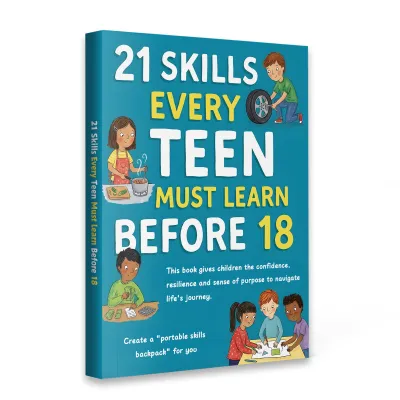
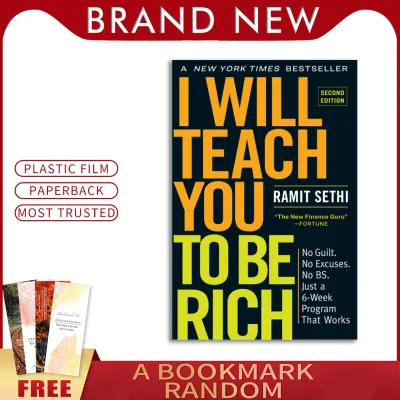
Prices are valid at publication and may change. Please refer to the product page for the latest price.
When you focus on actionable skill-building, you shift your energy toward measurable outcomes. Instead of simply wishing for a better financial situation, you learn how to construct a working budget, track daily expenses, and manage debt. Instead of feeling overwhelmed by household chores, you establish systems that keep your living space functional. This practical approach demystifies self-reliance, turning it from an intimidating, abstract concept into a series of manageable, daily habits.
Relying solely on motivational literature often creates a cycle of passive consumption. Readers buy book after book, chasing the temporary emotional high of feeling like they are improving their lives, without actually changing their daily habits. This phenomenon, often called ‘self-help addiction,’ can be avoided by shifting your focus to books that demand active participation. When a book requires you to put down the pages and perform a real-world task, it breaks the cycle of passive reading and forces you to build actual competence.
Furthermore, developing these skills builds a deep sense of personal agency. When you know how to repair a basic household fixture, prepare a nutritious meal with limited ingredients, or negotiate a professional contract, you stop viewing yourself as a passive participant in your own life. You become resourceful, adaptable, and capable of handling unexpected crises. This resourcefulness is the true core of modern independence, providing a stable foundation that external circumstances cannot easily shake.
How to Evaluate Self-Help Books for Real-World Application
To avoid wasting time and money on books that offer little practical value, you must develop a critical eye when browsing bookstore shelves or online marketplaces. The first step is to look for actionable frameworks, worksheets, or step-by-step guides within the text. A high-quality self-help book should read more like a manual and less like a memoir. If a book is filled with endless personal anecdotes without clear, repeatable steps, it is unlikely to help you build practical skills.

Before purchasing, take a close look at the table of contents and sample chapters. A high-quality book will clearly outline the specific skills you will acquire in each chapter. Look for visual aids, summary boxes, and diagnostic quizzes that help you assess your current skill level. If the table of contents consists of vague, poetic chapter titles that do not clearly state what you will learn, it is a strong indicator that the book prioritizes style over substance.
Next, examine the author’s background and credentials. Is the author someone with lived, practical experience in the field they are writing about, or are they a professional motivational speaker who profits primarily from selling inspiration? An author who has successfully navigated career transitions, managed complex projects, or built financial stability from scratch is more likely to offer realistic, battle-tested advice than someone who relies solely on academic theories or abstract concepts.
Finally, assess whether the book’s advice is realistic given your environmental and systemic constraints. For instance, a book on home organization written for suburban Western households may not translate well to a compact apartment or a shared multi-generational home in a dense urban area. Look for authors who acknowledge these structural limitations and offer adaptable strategies rather than rigid, one-size-fits-all solutions. This ensures that the skills you learn are actually applicable to your daily life.
Key Categories of Independence to Target in Your Reading
To build a comprehensive foundation of self-reliance, it is helpful to divide your reading into distinct pillars. Rather than buying books indiscriminately, you should diagnose your personal skill gaps to choose the right category and avoid buying books that do not address immediate needs. This targeted approach ensures that every book you read serves an immediate, practical purpose in your journey toward self-reliance.
By categorizing your reading, you can systematically address your weaknesses. If you struggle with budgeting, focus on financial literature. If your living space is chaotic, prioritize household management guides. If you find it difficult to say no to family demands, seek out books on emotional boundaries. This structured method prevents information overload and keeps your learning focused on real-world application.
Financial and Career Self-Reliance
In the local context, managing personal finances requires a deep understanding of daily expenses, inflation, and the importance of building an emergency fund denominated in ₱. Look for books that offer concrete strategies for tracking expenses, reducing debt, and establishing a sustainable savings rate. Avoid literature that promises effortless passive income or get-rich-quick schemes, as these often gloss over the real risks involved and can lead to devastating financial setbacks.
Building financial self-reliance also means understanding how to protect your purchasing power against local inflation. An effective financial guide will teach you how to allocate your income systematically, ensuring that your emergency fund is kept in accessible, low-risk accounts that can be quickly liquidated in times of crisis. By mastering these foundational concepts, you can make informed decisions that safeguard your household’s financial stability without relying on external assistance.
Instead, prioritize resources that teach valuable career skills, such as salary negotiation, professional upskilling, and validating side-hustle ideas before investing significant capital. A good financial guide will teach you how to mitigate risks and make informed decisions based on your actual income and expenses. By focusing on sustainable financial habits, you build a reliable safety net that protects you from unexpected economic downturns.
Additionally, seek out books that explain the fundamentals of local investment options and tax systems. Understanding how to navigate these systems legally and efficiently is a crucial aspect of long-term financial independence. By mastering these practical financial skills, you transition from living paycheck to paycheck to actively planning and securing your financial future.
Practical Life and Household Management
Living independently requires a baseline of practical domestic skills that are rarely taught in formal education. This includes basic home maintenance, meal planning to reduce waste, and establishing efficient chore routines. In tropical environments, managing a household also means dealing with high humidity, pest control, and food preservation challenges. Look for books that emphasize resourcefulness, teaching you how to solve common household problems with limited tools or space.
Acquiring basic household maintenance skills is not just about convenience; it is a highly effective way to save money. When you can troubleshoot a minor plumbing issue, repair a simple electrical appliance, or maintain your home’s structural integrity against tropical weather, you save thousands of pesos in professional service fees. These savings can then be redirected toward your financial goals, accelerating your journey toward complete independence.
Furthermore, prioritize resources that cover preventive physical health and basic first aid. Knowing how to maintain your physical well-being, recognize early symptoms of illness, and administer basic care is the ultimate foundation of long-term self-reliance. A healthy body is your most valuable asset, and learning how to protect it prevents minor health issues from escalating into major financial and personal crises.
By mastering these daily living skills, you reduce your dependence on external services and convenience products, which can be highly costly over time. You learn to take pride in maintaining your environment, creating a clean, organized, and functional home that supports your mental and physical well-being. This domestic competence is a vital, yet often overlooked, pillar of true independence.
Emotional Resilience and Decision-Making
True independence is as much mental as it is physical or financial. In the Philippines, where close-knit, multi-generational family structures are the norm, setting healthy emotional boundaries can be incredibly challenging. Books in this category should offer clear frameworks for assertive communication, helping you navigate family expectations and cultural obligations without sacrificing your personal growth, financial stability, or mental health.
In many local households, cultural concepts of mutual obligation and family loyalty can sometimes blur the lines of personal boundaries. Books that focus on assertive communication teach you how to honor your family relationships while still protecting your personal space, financial goals, and mental well-being. Learning to navigate these delicate dynamics respectfully but firmly is one of the most important emotional skills you can develop for long-term self-reliance.
Look for guides that teach critical thinking and risk assessment, enabling you to make independent decisions despite social pressure or the fear of failure. A valuable resource will help you distinguish between toxic positivity—which encourages ignoring real problems—and genuine emotional regulation, which teaches you how to process difficult emotions and resolve conflicts constructively.
By developing emotional resilience, you build the mental fortitude required to stand by your choices, even when they run counter to societal expectations. You learn to view failure not as a personal defect, but as a valuable source of feedback. This psychological strength allows you to pursue your goals with confidence, knowing that you have the internal resources to handle whatever challenges arise.
What to Check Before Buying or Downloading a Book
Before purchasing a book, especially from online marketplaces or digital platforms, it is crucial to verify its specifications. First, verify the edition, language, and publication year to ensure the advice is current and culturally applicable. Financial regulations, career strategies, and technological tools change rapidly; reading an outdated edition can lead to applying obsolete or incorrect advice to your current situation.
Second, check format compatibility with your existing devices and reading habits. If you prefer digital reading, ensure the file format (such as ePub or PDF) is fully compatible with your e-reader app or tablet, particularly if you plan to read offline during long, daily commutes. For audiobooks, verify that the platform’s app is compatible with your smartphone and that you have sufficient storage capacity to download the files for offline listening.
Finally, always confirm the seller’s authorization and content completeness. Discounted or bundled digital downloads on online marketplaces are often unauthorized, poorly formatted, or missing crucial chapters, worksheets, and appendices. To ensure you receive a complete, high-quality copy that includes all necessary learning materials, purchase only from reputable, authorized booksellers or official digital platforms.
How to Build a Reading Plan for Skill Application
Reading a book is only the first step; the real value lies in application. To avoid information overload and self-help fatigue, design a structured reading plan that limits your intake and maximizes your output. Instead of rushing through a book in a single weekend, commit to reading slowly and deliberately, focusing on one chapter or concept at a time.
Break down each chapter into weekly actionable tasks or small-scale experiments that you can test in your daily life. For example, if you are reading a book on budgeting, spend the first week simply tracking every single expense without changing your spending habits. If you are reading about boundary-setting, practice saying no to one minor, non-essential request. These small, low-risk experiments help you build confidence and integrate new habits gradually.
Keep a dedicated skill-tracking journal to document your progress, note what worked, analyze failures, and adjust your approach. If you find yourself overwhelmed by information, pause your reading entirely. Focus solely on executing the steps from the last chapter before moving forward. Remember, the goal of reading self-help is not to finish as many books as possible, but to permanently upgrade your real-world capabilities.
Frequently Asked Questions (FAQ)
How do I know if a self-help book is culturally relevant to the Philippines?
To determine if a book’s advice is culturally relevant, check if the author addresses structural realities such as multi-generational living, local commuting challenges, or regional economic factors. Look for reviews from local readers discussing how they applied the book’s frameworks to their daily lives in the country. If a book is written from a Western perspective, you can still extract value by adapting its universal principles—such as budgeting or boundary-setting—to fit local cultural norms and family dynamics, rather than expecting an exact scenario match.
Are audiobooks as effective as physical books for learning practical skills?
Audiobooks are highly convenient for maximizing productive time during long commutes or while performing household chores, but their effectiveness depends on the type of skill you are learning. For complex frameworks, financial formulas, or step-by-step technical guides, physical or digital text is generally superior because it allows you to easily pause, highlight, and refer back to charts and worksheets. If you choose to listen to an audiobook for practical skills, ensure it comes with a downloadable companion PDF or workbook, and set aside dedicated time to complete the written exercises.

Community discussion
Share your experience or ask a question. Comments are reviewed before publication.