
Finding a book that resonates with the profound themes of The Purpose Driven Life requires looking beyond bestseller lists to understand your own spiritual and personal needs. For readers in the Philippines, where faith, family, and community run deep, finding literature that addresses the core questions of existence is a deeply personal journey. To find the right match, you should seek out books that align with your personal faith, offer structured reflection, and address the universal search for meaning while respecting local cultural values.
When searching for books similar to the purpose drivenlife, the goal is to find texts that do not just offer superficial motivation. Instead, you want books that challenge your perspective, encourage daily discipline, and help you discover a calling greater than yourself. This guide helps readers in the Philippines navigate the landscape of purpose-driven literature by outlining core themes, evaluation criteria, and thematic categories. Rather than prescribing a rigid ranking, it provides a framework to identify books that align with your values, along with practical advice on selecting the right editions and formats for your reading journey.
Understanding the Core Themes of Purpose-Driven Literature
Purpose-driven literature occupies a unique space in the literary world, blending spiritual growth, personal meaning, and practical life application. Unlike standard self-help books that focus primarily on individual ambition, financial success, or productivity hacks, purpose-driven books start from the premise that your life has an inherent, higher design. They encourage readers to look outward and upward, shifting the focus from self-centered achievement to service, community, and spiritual alignment.
Products mentioned in this guide
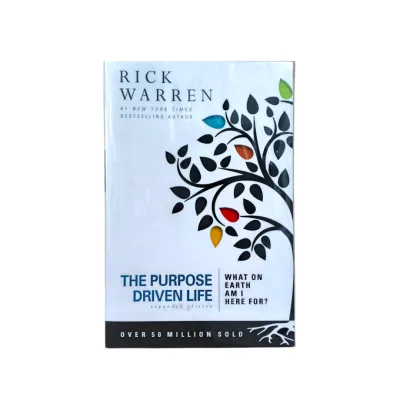
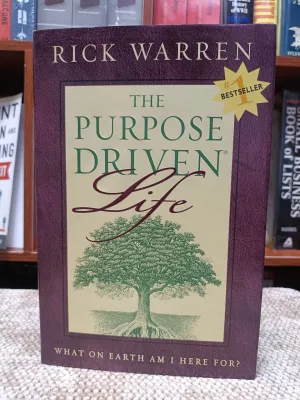
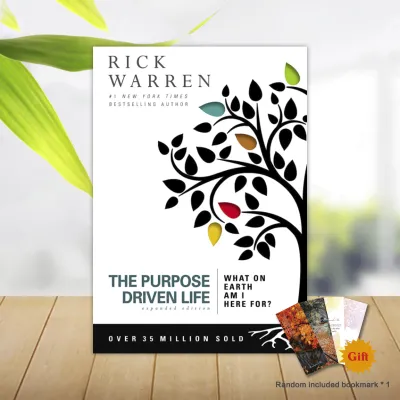
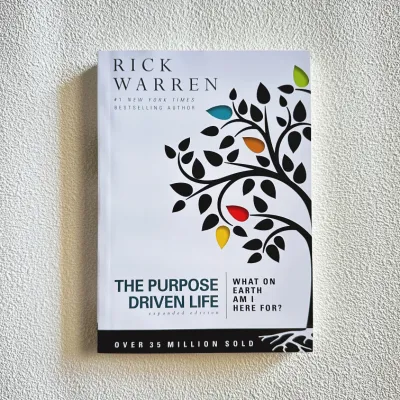

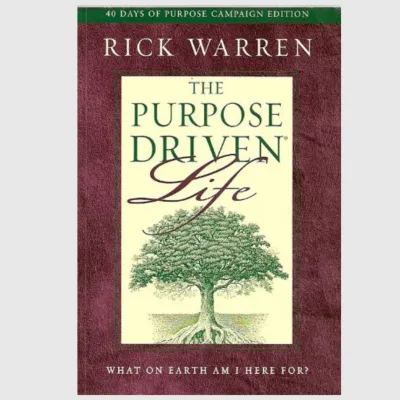
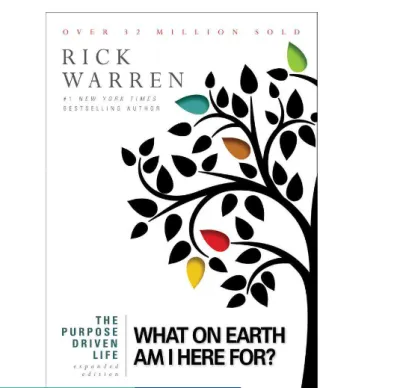
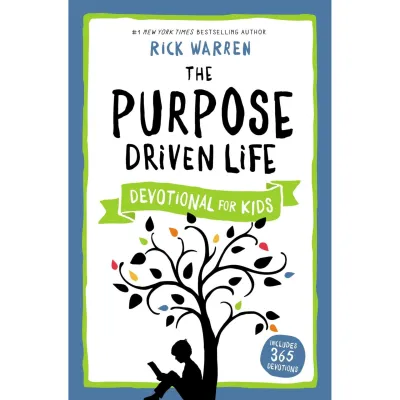
Prices are valid at publication and may change. Please refer to the product page for the latest price.
In the Philippines, cultural and personal values heavily influence how readers receive these themes. The deeply ingrained concept of communal unity, close-knit family structures, and a naturally spiritual outlook mean that personal purpose is rarely viewed in isolation. A Filipino reader often seeks a purpose that integrates harmoniously with their responsibilities to their family, their community, and their faith. Consequently, books that emphasize relational health, shared burdens, and collective spiritual growth tend to resonate far more deeply than those promoting radical individualism.
Understanding the distinction between secular self-help and faith-based or purpose-driven literature is crucial when selecting your next read. Secular self-help often relies on self-reliance, willpower, and personal goal-setting as the primary drivers of change. In contrast, purpose-driven literature—especially books akin to the purpose drivenlife—posits that true fulfillment is discovered by aligning oneself with a divine plan or a larger existential framework. This distinction changes how you interact with the text, transforming reading from a solo self-improvement project into a spiritual practice.
Key Criteria for Choosing Your Next Spiritual Growth Book
With countless titles available on physical and digital shelves, selecting a book that genuinely fosters spiritual growth requires a thoughtful evaluation process. The first step is to assess the author’s background, theological or philosophical alignment, and credibility. Understanding where an author comes from helps you anticipate their perspective on faith, suffering, and personal responsibility. You can research their educational background, their active ministry or philosophical work, and how their core beliefs align with your own spiritual foundation.

Another critical factor is the book’s structure and format. Some books use a highly structured devotional format, which breaks down complex spiritual concepts into manageable, daily readings over a set number of weeks. When evaluating a new book, consider whether you prefer this bite-sized approach or a continuous narrative format. Continuous narratives, such as spiritual memoirs or deep theological treatises, allow for a more immersive reading experience but may require you to create your own study schedule to digest the material effectively.
Finally, consider the target audience and the specific life stages addressed in the book. A book written primarily for young professionals navigating career choices will offer different insights than one focused on finding meaning during retirement, grief, or family transitions. Reflect on your current life situation and identify the specific challenges or questions you are facing. Choosing a book that directly addresses your current season of life ensures that the lessons remain highly relevant and actionable.
Exploring Categories of Purpose and Meaning
To build a well-rounded reading list, it is helpful to categorize purpose-driven books by their primary thematic approach. Not all books address the search for meaning in the same way; some focus heavily on scriptural study, while others explore psychological resilience or daily habit formation. By understanding these distinct categories, you can select books that complement one another and address different facets of your personal development.
Categorizing your reading choices also prevents burnout and keeps your reflection practice engaging. For instance, you might pair a deep, faith-based study with a practical, action-oriented journal, or follow a heavy philosophical book with a lighter, daily devotional. This balanced approach ensures that you are engaging both your intellect and your daily habits as you seek to live a more purposeful life.
Books Focused on Faith and Divine Purpose
Books in this category are characterized by their strong reliance on scripture, prayer, and theological foundations. They are designed for readers who want to explore their life’s purpose through the lens of a specific faith tradition. These texts often feature structured reflections, guided prayers, and biblical commentary aimed at helping readers discern their spiritual calling and deepen their relationship with the divine.
When exploring this space, classic authors and well-known spiritual writers serve as excellent starting points for your research. Authors who have stood the test of time often provide timeless wisdom that transcends temporary cultural trends. As you look for books similar to the purpose drivenlife, seek out titles that focus on discipleship, spiritual disciplines, and the practical application of faith in daily decisions.
Before purchasing, it is highly advisable to check the denominational alignment or specific theological perspective of the book. Different Christian traditions may have varying interpretations of grace, free will, calling, and community life. Verifying that the book’s theological framework aligns with your personal beliefs—or at least offers a perspective you are comfortable exploring—will prevent unnecessary friction and help you engage more fully with the material.
Books Focused on Existential Meaning and Resilience
For many readers, the search for purpose is sparked not by quiet contemplation, but by facing significant life challenges, loss, or transition. Books focused on existential meaning and resilience explore how to find purpose in the midst of suffering and adversity. These works often draw from psychological principles, philosophical inquiry, and real-life stories of survival to demonstrate how the human spirit can find hope and direction even in the darkest circumstances.
These books serve as an invaluable complement to faith-based literature. While devotional books teach you how to live out your purpose daily, existential works help you rebuild your foundation when your life is disrupted by unexpected hardships. They address the raw, emotional realities of grief, doubt, and pain, offering a realistic framework for maintaining hope and finding a renewed sense of mission.
Because these books often deal with intense human experiences, it is important to check for content warnings or review the table of contents before purchasing. Some books may discuss heavy topics such as trauma, severe illness, or profound loss in detail. Ensuring that you are emotionally prepared to engage with these themes will help you approach the book as a tool for healing and growth rather than a source of distress.
Books Focused on Daily Devotion and Practical Application
If your goal is to build consistent, daily habits of reflection, books focused on practical application and daily devotion are ideal. These books often come in the form of daily readers, guided journals, or interactive workbooks. They are designed to fit easily into a busy schedule, offering short, impactful passages paired with writing prompts, self-assessments, or action steps that you can complete in just a few minutes each day.
The primary benefit of interactive elements is that they encourage active participation rather than passive reading. Writing down your thoughts, answering challenging questions, and tracking your progress over time significantly improves retention and helps translate abstract concepts into concrete behavioral changes. This hands-on approach is particularly effective for readers who want to see tangible progress in their spiritual and personal lives.
When selecting interactive books, always verify whether the workbook or journal requires a separate purchase or if it is designed to be used alongside a main textbook. Some publishers offer comprehensive study kits that include a core book, a study guide, and video resources. Checking these details beforehand ensures you have all the necessary materials to complete the study program successfully without unexpected interruptions.
How to Evaluate Editions, Translations, and Formats
Choosing the right format and edition of a book is just as important as selecting the right title. In the Philippines, your daily routine and environment should play a major role in this decision. For instance, if you spend hours commuting in heavy traffic or transit, audiobooks can transform otherwise stressful travel time into a period of peaceful reflection. On the other hand, if you prefer to highlight passages and write notes in the margins, a high-quality physical book remains unmatched. E-books offer a convenient, lightweight alternative that is easy to read in low-light conditions, though they require a reliable device and charging source.
Another critical aspect to consider is the translation and language edition of the book. Spiritual and philosophical concepts can be highly nuanced, and a poor translation can obscure the author’s original meaning. If you prefer reading in Tagalog or a bilingual format, look for editions translated by reputable local publishers who understand the cultural context and linguistic subtleties. For English editions, check if the book uses a translation of scripture or philosophical terms that you find accessible and easy to understand.
Finally, when purchasing books from online marketplaces or independent sellers, it is essential to verify publisher authenticity. The market is often flooded with unauthorized, pirated, or poorly printed copies that may contain missing pages, low-quality paper, or numerous typographical errors. To ensure you are supporting the authors and receiving a complete, high-quality text, look for official publisher seals, check seller ratings, and buy from authorized distributors or established local bookstores.
Building a Personal Reading and Reflection Plan
To truly benefit from a purpose-driven book, you must integrate its lessons into your daily life rather than rushing through the pages. Pacing your reading is key to deep comprehension. If a book is structured around daily readings, commit to reading just one chapter or section per day, allowing your mind time to process the concepts. If you are reading a continuous narrative, consider setting aside dedicated time during the weekend for a more intensive study session, taking detailed notes as you go.
Reflection tools can greatly enhance your reading experience. Keeping a dedicated reading journal allows you to track your thoughts, write down key quotes, and document how your perspective changes over time. Additionally, sharing your reading journey with others can provide valuable accountability and support. Consider joining a local community group, a church small group, or a book club in your neighborhood or online. Discussing the book’s themes with fellow readers in the Philippines allows you to share local insights and encourage one another.
Lastly, give yourself permission to pivot if a book is not meeting your needs. Not every highly recommended book will resonate with your current spiritual state or learning style. If you find yourself constantly struggling to get through a book, experiencing persistent theological friction, or feeling like reading has become a chore, it may be a sign that the book is not the right fit for this season of your life. Gently set it aside and choose another resource that speaks more directly to your heart, without feeling any guilt or sense of failure.
Frequently Asked Questions (FAQ)
Are there local Filipino authors who write about purpose and spiritual growth?
Yes, there is a vibrant and growing community of local Filipino authors, pastors, and motivational speakers who write extensively about purpose, faith, and personal growth. These authors offer a unique advantage because they write directly from the perspective of Filipino culture, addressing local challenges, family dynamics, and societal values. You can find these publications at local Christian bookstores, independent bookshops, and through the online storefronts of local publishing houses. When evaluating local books, apply the same criteria of theological alignment, author credibility, and personal relevance to find the best match for your journey.
How can I find these books if they are out of stock in local stores?
If a specific book is out of stock at your local physical bookstore, there are several reliable alternatives. Many authorized local distributors and independent bookstores operate official stores on major e-commerce platforms and online marketplaces. Additionally, digital formats such as e-books and audiobooks are widely available through global digital platforms, offering instant access without waiting for shipping. Be cautious when browsing online marketplaces; avoid unauthorized sellers offering physical or digital copies at suspiciously low prices in ₱, as these are often low-quality, pirated editions that violate copyright laws and may contain incomplete text.
Community discussion
Share your experience or ask a question. Comments are reviewed before publication.