
Quick Answer: Which Book Should You Read First?
For the absolute beginner in the Philippines, The Psychology of Money by Morgan Housel is the superior starting point. This book focuses on behavior, emotional control, and the foundational habits of saving and wealth preservation. Before you can successfully build or deploy wealth, you must first master the psychological impulses that lead to overspending and financial instability. Housel’s practical, humble approach provides the exact mental toolkit needed to survive and thrive in a volatile economic landscape.
Conversely, Rich Dad Poor Dad by Robert Kiyosaki is a paradigm-shifting classic that is best read second. Kiyosaki focuses on the mechanics of wealth creation, cash flow, entrepreneurship, and aggressive asset acquisition. While highly motivating, his strategies carry a higher level of risk and assume a level of financial discipline that absolute beginners may not yet possess. Attempting to acquire assets or use investment leverage without first mastering the behavioral discipline taught by Housel can lead to costly financial mistakes.
Ultimately, your choice depends on your current financial stage. If you struggle to save, live paycheck to paycheck, or feel overwhelmed by financial decisions, start with Housel. If you already have a stable savings habit, a fully funded emergency fund, and want to learn how to make your money work aggressively for you, pick up Kiyosaki.
Products mentioned in this guide
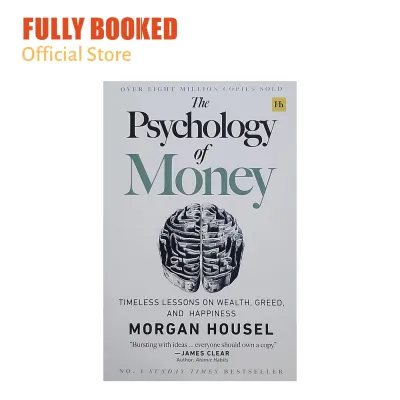
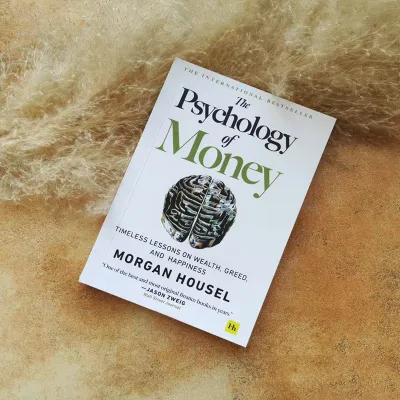
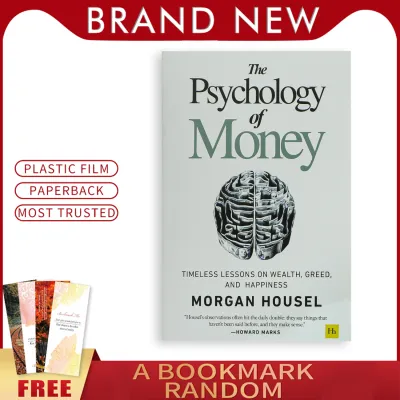
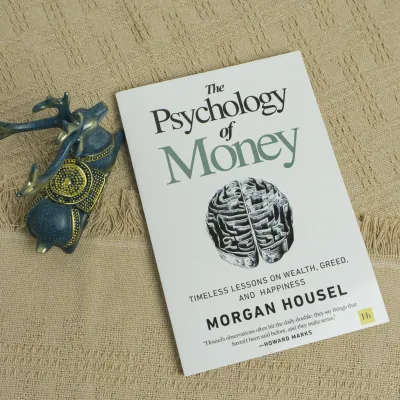
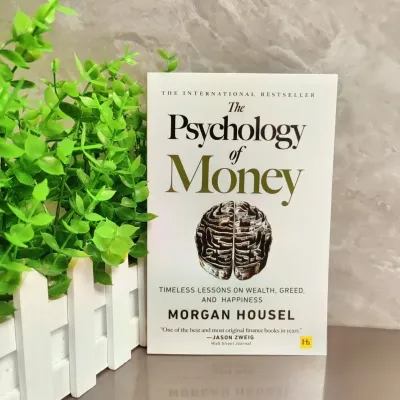
Prices are valid at publication and may change. Please refer to the product page for the latest price.
Core Philosophies: Mindset vs. Wealth Mechanics
Understanding the fundamental differences between these two books requires looking at their core premises. While both aim to help readers achieve financial freedom, they approach the destination from completely different directions. One treats money as a soft skill governed by psychology, while the other treats it as a structural game governed by rules and leverage.

The Psychology of Money: Mastering Financial Behavior
Morgan Housel’s central thesis is that doing well with money has surprisingly little to do with how smart you are and a lot to do with how you behave. Financial success is not a hard science filled with complex mathematical formulas; it is a soft skill where your behavior is more important than your technical knowledge. You can be a highly educated financial analyst and still ruin yourself financially if you lack emotional control.
Housel structures his book around short, real-world stories that illustrate how human emotions like greed, envy, and fear dictate our financial outcomes. He emphasizes the immense power of compounding, explaining that the most successful investors are not those who make the highest returns, but those who can consistently stay invested over the longest period.
Another key concept in the book is the difference between getting wealthy and staying wealthy. Getting wealthy requires taking risks, optimism, and putting yourself out there, whereas staying wealthy requires the exact opposite: humility, fear that what you made can be taken away, and a healthy dose of paranoia. Housel also challenges readers to define their own concept of “enough,” warning that the hardest financial skill is getting the goalpost to stop moving as your income rises.
Rich Dad Poor Dad: Redefining Assets and Liabilities
Robert Kiyosaki’s book operates on a completely different frequency, focusing on the structural mechanics of wealth and cash flow. His core premise is that the rich do not work for money; instead, they make money work for them. He presents this through a narrative contrast between his biological father (the “Poor Dad,” a highly educated government official who struggled financially) and his best friend’s father (the “Rich Dad,” a high-school dropout who became a wealthy entrepreneur).
The foundational lesson of the book lies in Kiyosaki’s simple, unconventional definitions of assets and liabilities. According to Kiyosaki, an asset is anything that puts money into your pocket, while a liability is anything that takes money out of your pocket. By this definition, he famously argues that a primary residence is not an asset, but a liability, because it requires ongoing mortgage payments, maintenance, and taxes without generating direct cash flow.
Kiyosaki heavily criticizes the traditional education system, arguing that schools train people to become excellent employees who work hard for earned income, which is the most heavily taxed form of income. He advocates for robust financial education, urging readers to transition away from being employees or self-employed individuals and instead focus on becoming business owners and investors who acquire cash-flowing assets.
Actionability for a Filipino Beginner
While both books offer invaluable global perspectives, their lessons must be translated carefully to fit the unique economic realities, cultural nuances, and financial systems of the Philippines.
Applying Housel’s Lessons to Local Savings and Emergencies
Housel’s emphasis on maintaining a “margin of safety” and saving for unpredictable events is incredibly relevant for young Filipino professionals. The local economic landscape is frequently subjected to external shocks, ranging from severe typhoons that disrupt livelihoods to sudden medical emergencies that can deplete a family’s savings. Because local social safety nets and public healthcare coverages are often limited, building a robust emergency fund is the ultimate act of financial survival.
Furthermore, Housel’s advice on saving money without a specific goal is a vital lesson for young workers earning entry-level salaries in major cities like Manila or Cebu. Instead of waiting for a major purchase like a car or a house to start saving, Housel advocates for saving simply to buy yourself time, flexibility, and options. This flexibility is highly valuable when you want to transition to a better career, start a small business, or take a break to avoid professional burnout.
Managing “lifestyle creep” is another area where Housel’s book shines in a local context. In the Philippines, cultural expectations like balato (sharing winnings or bonuses) or the pressure to treat friends and family after receiving a promotion can make saving difficult. Housel’s warning that “wealth is what you don’t see” serves as a powerful shield against the urge to buy expensive consumer goods on installment plans just to project an image of success on social media. It encourages beginners to prioritize quiet, invisible financial security over visible, high-maintenance luxury.
Adapting Kiyosaki’s Strategies to Local Business and Real Estate
Kiyosaki’s call to buy real estate and build businesses has inspired millions, but applying his strategies directly in the Philippines requires extreme caution. The book’s real estate advice is highly tailored to the United States market of the late 20th century, where low-interest rates, high leverage, and specific tax laws (like the 1031 exchange) make flipping properties and acquiring rental debt highly lucrative.
In the Philippines, the structural realities are vastly different. Commercial bank interest rates for housing loans can be high, and securing financing requires a stable income and a clean credit history. Additionally, transaction costs for local real estate—including documentary stamp taxes, transfer fees, registration fees, and real property taxes—can quickly eat into a beginner’s thin margins. Blindly taking on heavy debt to buy a pre-selling condominium in Metro Manila under the assumption that it will easily generate passive rental income can lead to severe cash flow crises if the unit remains vacant or rental rates drop.
Filipino readers must verify local property laws, consult licensed real estate brokers, and understand the Bureau of Internal Revenue (BIR) tax regulations before attempting any of Kiyosaki’s leveraged strategies. While his core message of prioritizing cash flow over capital gains is sound, the execution must be thoroughly localized. Beginners should start by building cash flow through simpler, low-cost local options, such as Pag-IBIG MP2 savings, high-yield digital bank deposits, or small-scale digital businesses, before jumping into complex real estate transactions.
Side-by-Side Book Comparison
To help you decide which book aligns best with your current learning goals, here is a structured breakdown of their key specifications and target audiences:
| Feature | The Psychology of Money | Rich Dad Poor Dad |
|---|---|---|
| Author | Morgan Housel | Robert Kiyosaki |
| Core Theme | Behavioral finance, emotional control, and long-term wealth preservation. | Financial literacy, distinguishing assets from liabilities, and cash flow. |
| Reading Difficulty | Easy to Moderate (written as a series of highly engaging, independent essays). | Very Easy (written as a narrative story with simple, repetitive concepts). |
| Best Target Audience | Absolute beginners, impulsive spenders, and those looking to build stable saving habits. | Aspiring entrepreneurs, corporate employees looking for a mindset shift, and risk-tolerant individuals. |
| Primary Takeaway | Doing well with money is about behavior, not intelligence. Keeping money requires humility. | Buy assets that generate cash flow; do not work for money, make money work for you. |
When purchasing either of these books, it is highly recommended to buy only authorized, original editions from reputable local bookstores. Online marketplaces in the Philippines are often flooded with cheap, unauthorized physical reprints and pirated digital PDF copies. These counterfeit versions frequently contain missing chapters, severe typographical errors, and low-quality printing that ruins the reading experience. Purchasing from authorized sellers ensures you receive complete, accurate content while supporting the intellectual property rights of the authors.
How to Choose Based on Your Financial Stage
Your choice between these two books should not be based on which one is more popular, but on where you currently stand on your personal financial journey.
Choose The Psychology of Money if:
- You struggle with saving consistently: If your bank account routinely hits zero before the next payday, you do not need investment strategies yet—you need to fix your relationship with spending. Housel will help you understand the emotional triggers behind your purchases.
- You are intimidated by financial jargon: This book does not require any prior knowledge of accounting, economics, or stock market terminology. It is written in a warm, conversational style that focuses on human nature.
- You want a low-stress, long-term investment philosophy: If your goal is to build wealth steadily over time without constantly monitoring market charts, Housel’s advocacy for simple compounding and index-style investing is the perfect fit.
- You feel societal pressure to show off: If you find yourself spending money to keep up with the lifestyles of your peers or colleagues, this book provides the psychological grounding to prioritize true wealth over temporary status.
Choose Rich Dad Poor Dad if:
- You already have a solid financial cushion: If you have successfully built an emergency fund and have extra savings that you are ready to put to work, Kiyosaki’s asset-focused mindset will push you to think bigger.
- You want to transition from employee to business owner: If you feel trapped in the corporate cycle and want to understand how business systems and investments operate, this book provides a powerful motivational spark.
- You want to understand how the wealthy view debt and taxes: If you are curious about how businesses use corporate structures and legal leverage to protect and grow their wealth, Kiyosaki offers an accessible introduction to these concepts.
- You have a higher tolerance for risk: If you are willing to study local markets, take calculated risks, and potentially fail in business or investing to achieve financial independence, this book will validate your ambitions.
Read Both if:
To build a truly comprehensive financial foundation, the ideal path is to read both books sequentially. Start with The Psychology of Money to establish your behavioral foundation, learn the discipline of saving, and build a secure financial safety net. Once you have mastered your emotions and secured your cash reserves, move on to Rich Dad Poor Dad to learn how to aggressively deploy those savings into assets that generate passive income.
Verify First if:
Keep in mind that neither book serves as a technical, step-by-step manual for local investing. If you are looking for specific instructions on how to open a local stock brokerage account, buy Philippine government bonds, register a business with the Department of Trade and Industry (DTI), or file taxes with the BIR, you will not find those details here. You must supplement these books with specialized local guides, official government resources, or advice from certified local financial professionals.
Frequently Asked Questions (FAQ)
Is Rich Dad Poor Dad still relevant for beginners today?
Yes, the core concepts of the book remain highly relevant, but readers must separate the timeless principles from the outdated or highly specific Western examples. The fundamental lesson of prioritizing cash-flowing assets over lifestyle liabilities is just as true today as it was when the book was first published. However, the specific real estate tactics, tax strategies, and macroeconomic assumptions are highly reflective of the US market in the late 1990s. Modern readers should focus on absorbing the mindset shift rather than trying to replicate the exact transactions described in the text.
Do these books teach specific Philippine stock market strategies?
No, neither book teaches specific Philippine stock market strategies or names local investment products. Both authors are based in the United States and write for a global audience using general financial principles. They do not cover local entities like the Philippine Stock Exchange (PSE), local mutual funds, or government-backed savings programs like Pag-IBIG MP2. To apply the principles from these books locally, you must pair them with educational resources from licensed local financial institutions or consult qualified investment advisors in the Philippines.
Should I buy the physical book, e-book, or audiobook?
The best format depends on your lifestyle and learning preferences. Physical books are excellent for active study, as they allow you to easily highlight key passages, write notes in the margins, and refer back to specific tables or concepts. E-books offer excellent portability and are often more affordable, making them a great option for budget-conscious readers. Audiobooks are ideal for multitasking, allowing you to turn long, exhausting commutes in Metro Manila traffic into productive learning sessions. Whichever format you choose, ensure you purchase from authorized digital platforms or official local bookstores to guarantee content completeness and support the creators.
Community discussion
Share your experience or ask a question. Comments are reviewed before publication.