
Selecting the right psychology books for personal growth requires a deliberate approach that balances scientific credibility with your individual self-improvement goals. With countless titles promising life-altering transformations, finding books that offer genuine, evidence-based value is essential for meaningful development. Rather than chasing viral trends or sensationalist claims, readers benefit most from books that align with their specific needs, feature verifiable research, and provide practical frameworks for daily life.
By understanding how to evaluate authors, match psychological frameworks to your personal challenges, and actively apply what you read, you can turn a simple reading habit into a powerful tool for self-discovery. This guide outlines a structured approach to selecting, verifying, and utilizing psychology books to support your long-term personal growth journey.
Identify Your Specific Personal Growth Goals
Before browsing the shelves or online catalogs, you must clarify what you hope to achieve through reading. Personal growth is a broad category, and a book that excels in one area may be entirely irrelevant to your current needs. For instance, some readers seek skill-building resources to improve productivity, time management, or decision-making. Others require emotional regulation tools to manage stress, understand anxiety, or navigate complex interpersonal relationships. Identifying your primary objective prevents you from becoming overwhelmed by the sheer volume of available literature.
Products mentioned in this guide

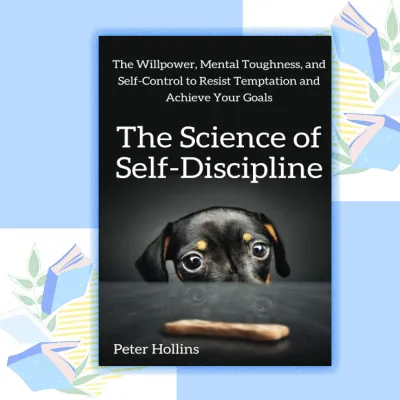


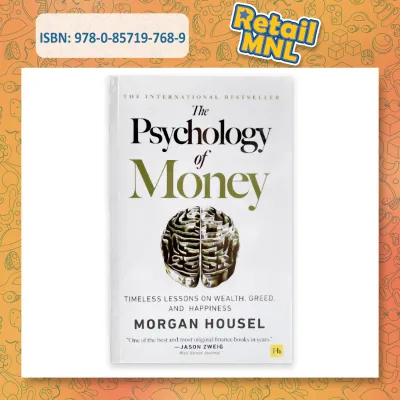
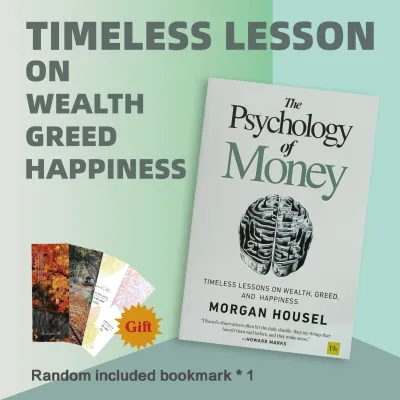

Prices are valid at publication and may change. Please refer to the product page for the latest price.
Your current life stage and immediate challenges also dictate the type of psychological insight that will be most beneficial. A young professional navigating the high-pressure corporate environments of busy business districts will require different resources than someone experiencing a major life transition, such as retirement or relocation. Aligning your reading choices with your immediate circumstances ensures that the concepts you encounter are immediately relevant and applicable to your daily routine.
It is equally important to set realistic expectations for what reading can accomplish. While high-quality psychology books offer valuable frameworks, coping strategies, and self-awareness, they are educational tools rather than therapeutic cures. Reading is a self-directed activity that cannot replace the personalized care, diagnostic expertise, and clinical support of a licensed psychologist or counselor. Recognizing this boundary allows you to use books as a complement to, rather than a substitute for, professional mental health care when dealing with clinical conditions.
Evaluate the Credibility and Relevance of Psychology Books
With the rise of self-published titles and digital media, distinguishing between rigorous, evidence-based psychology and speculative self-help is more critical than ever. The first step in assessing a book’s credibility is examining the author’s professional credentials. Look for authors who hold advanced degrees, such as a Ph.D. or Psy.D. in psychology, or those with extensive clinical experience and active academic appointments at recognized universities. These backgrounds indicate that the author is trained in scientific methodology and is accountable to professional standards.

Next, evaluate how the book balances scientific research with practical application. The most reliable psychology books do not rely solely on personal anecdotes or isolated success stories. Instead, they synthesize peer-reviewed research, historical psychological theories, and diverse case studies to support their claims. A credible book explains the “why” behind human behavior using established scientific principles, while also providing clear, actionable steps that readers can implement in their own lives.
Transparency is another hallmark of a trustworthy psychology book. Turn to the back of the book to check for a comprehensive bibliography, endnotes, or reference section. Authors who are confident in their work will clearly cite their sources, allowing readers to verify the studies mentioned in the text. Be highly skeptical of books that make absolute claims, promise instant results, or present “secret” formulas that dismiss mainstream scientific consensus. Genuine psychological growth is a gradual process, and credible literature reflects this reality.
Match Psychological Frameworks to Your Self-Improvement Needs
Different schools of psychological thought offer distinct lenses through which to view personal development. Understanding these frameworks helps you choose a book that directly addresses the mechanics of your specific goals.
Cognitive and Behavioral Frameworks
Books grounded in cognitive and behavioral frameworks focus primarily on the relationship between your thoughts, feelings, and actions. These resources often draw from Cognitive Behavioral Therapy (CBT) principles, exploring how cognitive distortions—such as all-or-nothing thinking or catastrophizing—influence daily behavior. They also delve into habit loops, examining how cues, cravings, responses, and rewards shape our routines.
This framework is highly suited for readers who want structured, actionable strategies to optimize their daily lives. If your goals include breaking procrastination cycles, improving focus amidst modern digital distractions, or building healthier daily habits, cognitive-behavioral books provide the practical tools you need. However, these books typically focus on present behaviors and may have limitations if you are attempting to process deep-seated childhood trauma or complex, chronic clinical conditions.
Emotional Intelligence and Interpersonal Dynamics
If your primary goals center on self-awareness, empathy, and relationship management, books focusing on emotional intelligence and interpersonal dynamics are ideal. These resources explore how we perceive, understand, and manage emotions, both within ourselves and in our interactions with others. Key topics often include active listening, communication styles, conflict resolution, and the vital art of setting personal boundaries.
These books are particularly valuable for improving workplace dynamics, navigating family relationships, or strengthening personal partnerships. When evaluating books in this category, look for those that offer practical communication scripts, self-assessment questionnaires, or reflective exercises. This ensures you are learning how to apply emotional intelligence in real-world scenarios, rather than simply studying the theory of human emotion.
Meaning, Resilience, and Deep Psychology
For those navigating profound existential questions, grief, or major life transitions, books rooted in deep psychology, logotherapy, or modern trauma-informed perspectives offer the necessary depth. These frameworks look beyond daily habits to explore the search for personal meaning, the integration of difficult life experiences, and the development of long-term psychological resilience. They encourage readers to examine their core values and understand how the nervous system processes stress and survival mechanisms.
This approach is highly beneficial when you are searching for purpose, recovering from significant setbacks, or trying to understand long-standing emotional patterns. Because these books often touch on sensitive and potentially triggering topics, you should approach them with patience. It is wise to read them in a safe, stable environment and to seek professional therapeutic guidance if the material brings up intense emotional distress that is difficult to manage alone.
Verify Editions, Formats, and Content Integrity Before Purchasing
Before finalizing your purchase, taking the time to verify the specific details of the book ensures you receive a high-quality, complete, and accurate text. Psychological science is constantly evolving, meaning that older books may contain outdated theories or terminology that has since been revised. Checking the publication date and looking for the latest revised or expanded editions ensures you are accessing the most current research and updated clinical insights.
Language and translation quality are also critical factors, especially when reading works originally written in other languages. Nuanced psychological terms can easily lose their precise meaning if translated poorly. When purchasing translated psychology books, research the publisher and the translator’s credentials to ensure the translation maintains academic and conceptual integrity. Authorized editions from reputable global or local publishers are the safest choice for preserving the author’s original intent.
Additionally, consider how the book’s format aligns with its content. Audiobooks are highly convenient for narrative-heavy psychology books that focus on case studies or historical overviews. However, if a book contains extensive cognitive worksheets, self-assessment tables, or complex diagrams, a physical book or an e-book is often much more practical. If you do choose the audiobook format, verify beforehand whether the publisher provides an accompanying digital PDF containing these essential visual aids and exercises.
Finally, always source your books from authorized retailers, official brand stores, or reputable public libraries. In many markets, including the Philippines, online marketplaces are often flooded with cheap, unauthorized reprints or pirated digital copies. These counterfeit versions frequently suffer from missing pages, low-resolution charts, and severe typographical errors that can disrupt your reading and compromise the accuracy of psychological exercises. Investing in legitimate editions, which typically range from ₱400 to ₱1,200 depending on the format, guarantees content completeness and supports the authors and researchers who produce this valuable work. For physical book collectors in tropical climates, storing these authorized editions in well-ventilated, low-humidity areas will prevent page yellowing and mold growth.
Transition from Passive Reading to Active Psychological Application
To experience genuine personal growth, you must transition from passively reading a book to actively applying its concepts to your life. Treat your psychology books as interactive study guides rather than casual novels. Keep a dedicated journal specifically for your reading, using it to write down key insights, answer the author’s reflection prompts, and document how specific concepts manifest in your daily behavior.
Pacing is another crucial element of active application. Rushing through a dense psychology book can lead to cognitive overload, preventing you from fully absorbing and integrating the material. Instead of trying to finish a book quickly, try reading only one chapter per week. Dedicate the remaining days to observing your thoughts, practicing the recommended exercises, and tracking any behavioral changes. This slow, deliberate pace allows the concepts to take root in your daily routines.
Lastly, sharing your insights with others can significantly enhance your understanding and accountability. Consider discussing key chapters with a trusted friend, joining a local book club focused on personal development, or sharing your reflections with a mentor. If you are currently working with a therapist or counselor, bringing concepts, exercises, or questions from your reading into your sessions can provide a valuable starting point for deeper, personalized therapeutic work.
Frequently Asked Questions (FAQ)
How do I know if a psychology book is scientifically grounded?
A scientifically grounded psychology book will feature an extensive reference section, endnotes, or a bibliography citing peer-reviewed studies from established academic journals. The author will typically hold advanced professional degrees in psychology or psychiatry and maintain a balanced, objective tone. Be cautious of books that rely entirely on personal anecdotes, make sweeping generalizations, or promise instant, effortless solutions to complex behavioral challenges.
Should I read academic textbooks or popular psychology books?
Your choice depends on your current goals and familiarity with the subject. Popular psychology books are written for a general audience, offering accessible language, engaging stories, and practical, everyday applications, making them excellent starting points for self-improvement. Academic textbooks provide a highly structured, comprehensive, and rigorous overview of psychological theories and research methodologies, which is ideal if you want a formal, deep understanding of the discipline.
Are audiobooks as effective as physical copies for self-improvement?
Audiobooks are highly effective for narrative-driven psychology books that focus on history, case studies, or general concepts. However, for books that require active participation—such as those containing cognitive behavioral worksheets, self-assessment quizzes, or complex diagrams—physical books or e-books are generally superior. If you prefer listening, consider combining both formats: use the audiobook for your initial exposure and keep a physical or digital copy on hand for highlighting, note-taking, and completing exercises.

Community discussion
Share your experience or ask a question. Comments are reviewed before publication.