
Choosing the perfect electric guitar involves balancing your budget, playing style, and long-term musical goals. For players exploring the Paul Reed Smith lineup, this decision typically centers on three distinct tiers: the accessible SE series, the mid-tier S2 series, and the flagship Core series. Each line represents a different approach to manufacturing, materials, and hardware, catering to different stages of a guitarist’s journey.
If you are a beginner or working with a strict budget, the overseas-manufactured SE series offers exceptional value and reliable playability. For intermediate or gigging players seeking US-made craftsmanship without the flagship price tag, the S2 series provides a balanced middle ground with streamlined aesthetics. If you are a professional or advanced player demanding premium materials, top-tier hardware, and uncompromising tonal versatility, the Core series is the definitive investment. Ultimately, the right choice depends on aligning your current skill level, performance requirements, and available budget with the specific manufacturing and feature differences of each tier.
Decoding the PRS Lineup: SE, S2, and Core Explained
To navigate the PRS catalog, you must first understand where and how these instruments are built. The manufacturing origin serves as the primary dividing line between the tiers, directly influencing the production methods, labor costs, and final retail pricing.
Products mentioned in this guide
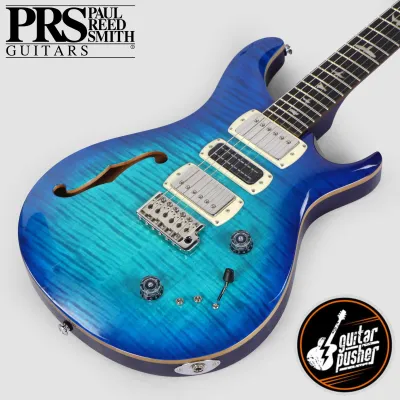
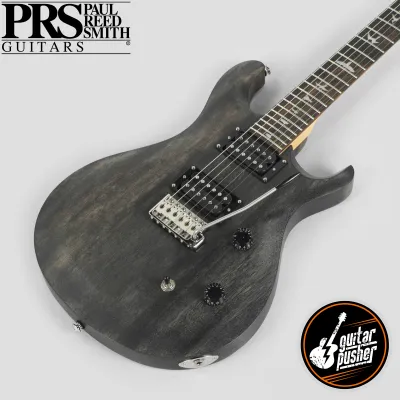
6 Lazada user ratings
Nice packaging guitar pusher. na set up na rin ang guitar. Plug and play talaga sya, i'm happy safe dumating ang gitara sa akin.
IT IS A REALLY REALLY REALLY GOOD GUITAR, OFCOURSE PRS NA YAN E TALAGANG YOU GET WHAT YOU PAID FOR!
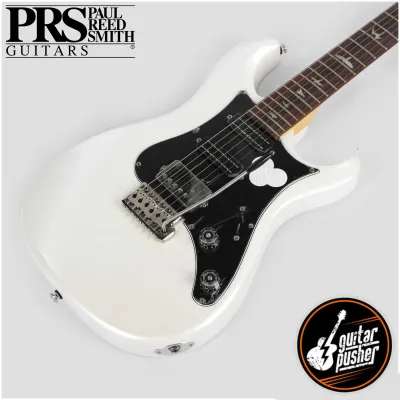
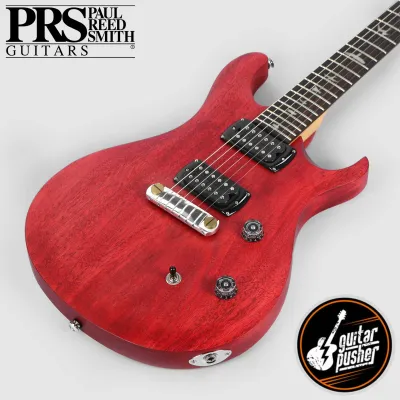
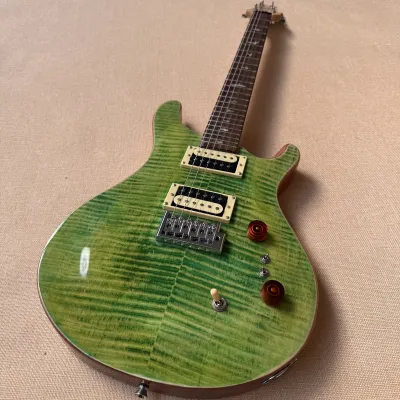
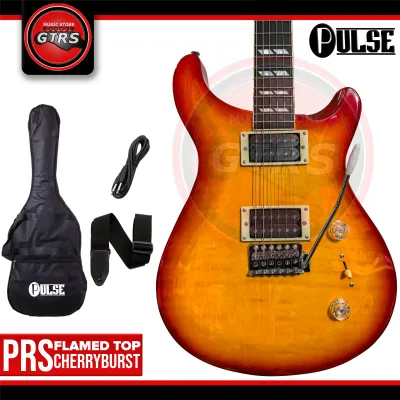
Prices are valid at publication and may change. Please refer to the product page for the latest price.
The SE (Student Edition) line is manufactured overseas in partner facilities, primarily in Indonesia. This outsourcing allows the brand to leverage high-volume production techniques while keeping costs manageable for everyday players. Despite the lower price point, these instruments undergo rigorous quality control checks to ensure they meet the brand’s playability standards before reaching store shelves.
Moving up the ladder, both the S2 (Stevensville 2) and Core series are crafted at the main PRS factory in Maryland, USA. The S2 series, introduced to bridge the gap between overseas production and premium American builds, utilizes streamlined manufacturing processes, simplified body bevels, and hybrid hardware to offer a US-made instrument at a more accessible price point.
The Core series represents the pinnacle of the brand’s standard production. Built in the same Maryland facility, Core guitars receive the highest level of individual bench attention, featuring intricate wood carving, proprietary US-made electronics, and premium cosmetic appointments. Understanding these structural differences helps you evaluate which tier matches your dedication and financial plan.
PRS SE Series: Maximizing Value on a Strict Budget
The PRS SE series is designed to deliver the brand’s signature aesthetic and playability to budget-conscious musicians. This line is highly favored by beginners who want a reliable starting instrument, intermediate players looking for a dependable backup, and hobbyists who enjoy modifying their gear.

In tropical climates like the Philippines, high humidity and temperature fluctuations can challenge a guitar’s structural integrity. The SE series addresses this by utilizing robust multi-ply neck construction and durable polyurethane finishes that resist moisture absorption better than traditional nitrocellulose. This makes the SE line exceptionally stable for local gigging or practicing in non-air-conditioned spaces.
When browsing SE models, you should carefully verify the specifications on the product label. While many models feature mahogany bodies with maple tops, the maple portion is typically a thin veneer over a thicker maple cap, rather than a deeply carved solid maple top. The hardware and electronics are proprietary designs manufactured overseas, which perform reliably but lack the complex tonal nuances of their American-made counterparts.
The primary limitations of the SE series lie in these simplified components and cosmetic details. The fretwork and nut materials, while highly consistent for this price bracket, may require occasional adjustments or minor setups to achieve optimal action. For players who want the classic PRS look and feel without a massive financial commitment, the SE series remains an outstanding entry point.
PRS S2 Series: Balancing US Craftsmanship and Cost
The S2 series offers a compelling option for intermediate players and active gigging musicians who want an American-made instrument but do not require ultra-premium cosmetic details. By rethinking how a guitar is shaped and finished, the Maryland factory produces these workhorse instruments with the same structural integrity as the flagship models.
To keep costs down, S2 guitars feature a simplified, asymmetrical beveled top instead of the deeply carved “violin” top found on Core models. The finishes are also streamlined, often utilizing a thin satin or gloss nitrocellulose lacquer that allows the wood to resonate freely while requiring fewer labor hours to polish. This design philosophy results in a sleek, modern aesthetic that appeals to players who prefer a more understated look on stage.
Hardware and electronics on the S2 series represent a hybrid approach. While the pickups and bridges are often designed by PRS, many are manufactured overseas to the brand’s specifications, or they utilize specific components shared with the SE line. However, the neck and body woods are sourced and machined in the USA, ensuring a highly stable foundation that handles frequent tuning adjustments and heavy stage use.
Before purchasing an S2, it is wise to check the specific model’s spec sheet. Some recent S2 models have begun incorporating US-made pickups and electronics, making it crucial to verify the exact production year and component list. For touring musicians in humid environments, the stable US-made necks and reliable hardware offer peace of mind during transit and live performances.
PRS Core Series: Investing in Flagship Performance
The PRS Core series is the definitive expression of the brand’s design philosophy, crafted for professional studio musicians, advanced performers, and dedicated collectors. Every instrument in this line is built with premium tonewoods, featuring highly figured maple tops, solid mahogany backs, and dark, dense rosewood fingerboards.
The hallmark of a Core guitar is its exquisite craftsmanship. The deep, hand-carved violin top requires extensive machining and hand-sanding, creating a dramatic visual depth that highlights the wood grain. The aesthetic details are equally meticulous, featuring iconic abalone or mother-of-pearl bird inlays, matching wood headstock veneers, and pristine gloss finishes that require weeks to cure and polish.
Beyond aesthetics, the Core series is defined by its proprietary, US-made hardware and electronics. The pickups are wound in-house to deliver exceptional clarity, dynamic range, and touch sensitivity, while the switching systems offer versatile coil-splitting options without volume drops. The bridges and locking tuners are engineered for maximum tuning stability, which is essential for professional recording sessions where tuning drift cannot be tolerated.
Investing in a Core model is a significant financial decision. This tier is justified when your career or passion demands flawless playability, maximum tonal versatility, and an instrument that retains its value exceptionally well over time. Because Core models often feature specialized neck shapes (such as Pattern or Pattern Thin) and custom wiring, verifying the exact specifications of your chosen model is essential before finalizing your purchase.
Key Specifications to Compare Across Tiers
To make an informed decision, you must compare the physical and structural differences across the three tiers. While individual artist models or limited runs may deviate from standard specifications, the general characteristics of each line provide a reliable framework for your research.
The following table outlines the typical features you will find when comparing standard models across the SE, S2, and Core lines. Use this as a starting guide when reviewing product tags at your local authorized dealer or on official spec sheets.
General Tier Characteristics to Verify
| Feature Category | PRS SE | PRS S2 | PRS Core |
|---|---|---|---|
| Manufacturing Origin | Overseas (primarily Indonesia) | United States (Maryland) | United States (Maryland) |
| Typical Body/Neck Woods | Mahogany body, maple top veneer, maple neck | Mahogany body, maple top (flat/bevel), mahogany neck | Premium mahogany body, carved figured maple top, mahogany neck |
| Hardware & Bridge Grade | Overseas-manufactured proprietary hardware | US-machined hardware with hybrid/imported components | Proprietary US-made precision hardware and locking tuners |
| Electronics & Switching | Overseas-wound pickups, standard multi-way switches | Hybrid or US-wound pickups, push-pull coil taps | Premium US-wound pickups, advanced custom switching |
| Aesthetic & Finish Details | Durable polyurethane finish, pearloid bird inlays | Streamlined satin or gloss finish, simple bevels, subtle inlays | Deep violin carve, high-gloss lacquer, premium abalone bird inlays |
While this table provides a general overview, you should always verify the exact specifications of the specific model you are eyeing. Manufacturers frequently update pickup configurations, neck profiles, and finish types, so relying on the official product documentation is the safest approach.
Additionally, trying the guitar in person is highly recommended. The physical feel of a neck profile—such as the difference between a Wide Thin neck on an SE and a Pattern Regular neck on a Core—can only be truly evaluated in your hands. If visiting a local showroom in Manila or other major cities is not possible, ensure you purchase from an authorized online retailer with a clear, flexible return policy.
How to Choose the Right PRS Tier for Your Needs
Selecting the right guitar requires a realistic assessment of your budget, playing environment, and commitment level. By matching your specific needs to the strengths of each tier, you can find an instrument that inspires you to play without causing financial strain.
Choose PRS SE if:
- You are a beginner or intermediate player looking for a highly reliable, budget-friendly instrument.
- You live in a highly humid tropical climate and want a durable polyurethane finish that requires minimal maintenance.
- You enjoy modifying your guitars with aftermarket pickups, tuners, or nuts to customize your sound.
- You need a dependable backup guitar for travel, practice, or outdoor gigs where you prefer not to risk a high-value instrument.
Choose PRS S2 if:
- You are a gigging musician who wants the structural stability and feel of an American-made neck and body.
- You prefer a streamlined, modern aesthetic with a comfortable beveled top rather than flashy cosmetic details.
- You want a road-ready workhorse that delivers professional playability at a moderate price point.
- You are comfortable with hybrid hardware or plan to upgrade specific components over time.
Choose PRS Core if:
- You are a professional musician, studio recording artist, or serious collector who demands uncompromising tonal clarity and tuning stability.
- You appreciate fine craftsmanship, intricate hand-carved wood tops, and premium aesthetic appointments like abalone inlays.
- You require specialized neck profiles and advanced switching options tailored to your exact playing style.
- You view your guitar purchase as a long-term investment and prioritize high resale value retention.
Before making your final decision, always verify the neck shape, scale length, and pickup voicings of the specific model. Testing the guitar through your own amplifier setup, or consulting detailed manufacturer specifications, will ensure your chosen PRS guitar perfectly aligns with your musical journey.
Frequently Asked Questions (FAQ)
Is it worth upgrading an SE with aftermarket parts?
Upgrading an SE model can be a highly rewarding project if you want to customize your tone or improve tuning stability. Common modifications include installing premium US-made pickups, a high-quality nut, and locking tuners. However, you must calculate the total cost of these upgrades carefully. If the price of the guitar plus the aftermarket parts approaches the cost of a new or used S2 model, it may be more practical to save for the higher-tier instrument, which offers a US-made neck and body out of the box.
Do S2 guitars hold their resale value like Core models?
Generally, Core models retain a higher percentage of their original retail value due to their premium materials, collectibility, and status as flagship instruments. S2 guitars, being mid-tier workhorses, experience standard depreciation typical of intermediate instruments. To get an accurate picture of current market values, you should check local online marketplaces and authorized dealer trade-in programs in your area, as regional demand can significantly influence resale prices.
Can beginners benefit from starting directly with a Core model?
A beginner can certainly benefit from the exceptional playability, low action, and tuning stability of a Core model, which can make the early stages of learning much more comfortable and inspiring. However, the high financial commitment carries risks, especially if you are unsure of your long-term dedication to the instrument. Additionally, beginners are more likely to accidentally ding or scratch the delicate lacquer finish. For most novices, starting with a durable SE model is a more practical choice, allowing you to build your skills before investing in a premium flagship guitar.
Community discussion
Share your experience or ask a question. Comments are reviewed before publication.