
Finding a truly transformative self-help book—often referred to as a personal “power book”—requires looking beyond flashy covers and viral social media trends. For readers in the Philippines, the ideal personal development literature must bridge global wisdom with local realities, such as navigating dense urban commutes, managing tight household budgets, and building resilient careers in competitive industries. A powerful book is not just one that inspires temporary excitement, but one that provides actionable frameworks compatible with your daily life, cultural context, and long-term aspirations.
To make the most of your reading journey, it is essential to approach self-help with a critical eye. This guide outlines how to select books that align with your specific goals, explores core themes in personal growth literature, highlights technical checks to perform before buying, and offers strategies for building a sustainable reading habit that leads to real-life transformation.
How to Choose Self-Help Books That Match Your Personal Goals
To find a book that delivers actual value, start by diagnosing your immediate growth areas. Personal development is a broad field, and trying to address every aspect of your life simultaneously often leads to reading fatigue and lack of focus. Pinpoint the specific challenges you want to overcome before browsing the shelves.
Products mentioned in this guide
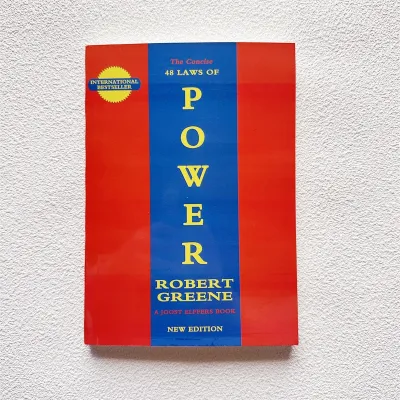

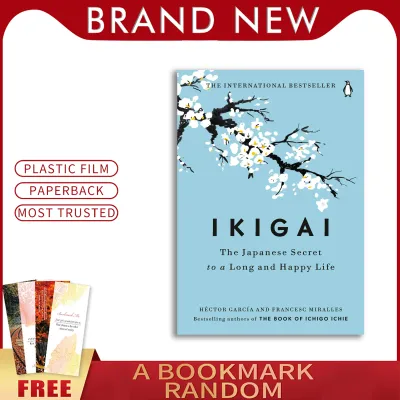
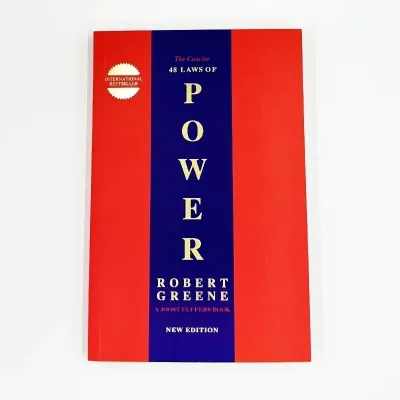

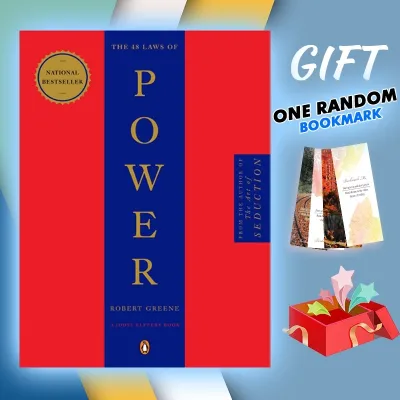
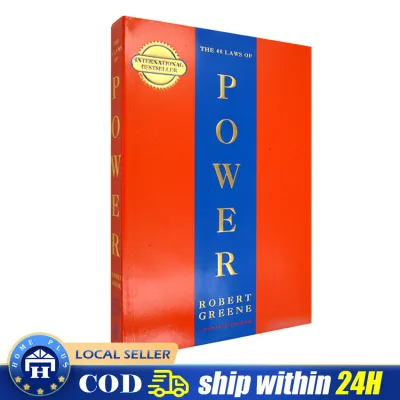
Prices are valid at publication and may change. Please refer to the product page for the latest price.
Productivity and Time Management If you find your days slipping away to endless tasks, long commutes, or digital distractions, look for books focusing on behavioral systems. These books help you structure your day, set boundaries, and optimize your energy levels rather than just managing your clock.
Emotional Intelligence and Resilience For those dealing with workplace stress, interpersonal conflicts, or anxiety about the future, prioritize literature centered on emotional regulation and cognitive reframing. These books teach you how to manage internal narratives and respond calmly to external pressures.
Career Advancement and Leadership If you are aiming for a promotion, transitioning into a management role, or starting a business, focus on literature covering communication, negotiation, and strategic thinking. These books offer frameworks for navigating professional hierarchies and leading teams effectively.
Financial Literacy and Wealth Building When the goal is securing your financial future, look for titles that demystify budgeting, saving, and investing. These books should focus on the psychology of money rather than complex, high-risk trading schemes, helping you build sustainable wealth-building habits.
Next, distinguish between the three primary tones of self-help literature to match your learning style:
Motivational Literature These books rely on high-energy prose, inspiring anecdotes, and emotional appeals. They are excellent for overcoming initial inertia or finding enthusiasm during a career slump, but they often lack step-by-step instructions.
Practical and Actionable Guides These texts function almost like workbooks. They feature exercises, templates, and clear behavioral rules. If you prefer concrete steps and measurable progress, this category is your best fit.
Philosophical and Mindset Books These works explore deeper concepts, such as Stoicism, mindfulness, or existential clarity. They do not tell you what to do hour-by-hour; instead, they reshape how you view your relationship with the world, providing a foundation for long-term mental resilience.
Finally, evaluate the author’s credibility before committing your time. Check if the author has professional credentials, years of experience in their field, or if their concepts are backed by peer-reviewed research. A well-researched framework is far more reliable than a collection of personal opinions or unverified success stories.
Core Themes in Self-Help Literature and Classic Examples to Consider
Understanding the core themes of self-help literature allows you to build a balanced reading list that addresses different facets of your life. Rather than reading multiple books on the same topic, select classic works from distinct categories to create a comprehensive personal development library.

Habit Formation and Productivity
The foundation of any personal transformation lies in daily behavior. Classic literature in this category shifts the focus away from sheer willpower—which is a finite resource—and toward building robust behavioral systems.
A classic concept in this space is the idea of making tiny, incremental adjustments to your daily routine. By focusing on small changes, such as reading just five pages a day or preparing your workspace the night before, you reduce the friction of starting. Over time, these small actions compound into significant lifestyle shifts.
Another key framework is habit stacking, where you pair a new habit with an existing, deeply ingrained routine. For example, you might practice a brief mindfulness exercise immediately after pouring your morning coffee. This anchors the new behavior to an established trigger, making it easier to maintain.
Overcoming procrastination is also a major focus. Authors in this niche often advocate for time-blocking techniques or the “two-minute rule,” which states that if an action takes less than two minutes, it should be done immediately to prevent mental clutter.
Mindset Shifts and Emotional Resilience
How you interpret events dictates your emotional state and subsequent actions. Books in this category draw heavily from cognitive behavioral therapy (CBT) and ancient philosophical traditions like Stoicism to help readers manage their internal dialogue.
A central theme is the dichotomy of control: distinguishing between what is within your power to change and what is not. In a bustling environment where traffic, weather, and economic shifts are outside your control, focusing solely on your responses, preparation, and attitude prevents emotional burnout.
These books teach readers to identify cognitive distortions, such as catastrophizing or all-or-nothing thinking. By reframing challenges as opportunities for growth or learning, you build the mental stamina required to navigate career setbacks and personal hardships.
Developing a growth mindset is another cornerstone. This perspective views intelligence and talent as abilities that can be developed through dedication and hard work, rather than fixed traits you are born with, encouraging continuous learning.
Financial Literacy and Wealth Building
True financial freedom begins with understanding your relationship with money. Classic financial self-help books move away from complex mathematical formulas and focus instead on the psychological barriers to saving and investing.
A foundational concept is the distinction between assets and liabilities. Readers are encouraged to acquire income-generating assets rather than accumulating depreciating liabilities that drain monthly cash flow.
Another critical theme is the power of compounding interest and long-term planning. These books emphasize that wealth is not necessarily about high earnings, but about the gap between what you earn and what you spend, and how consistently you invest that difference.
By understanding the psychology of greed, fear, and social comparison, readers learn to resist lifestyle inflation—the tendency to spend more as income increases—ensuring that financial gains translate into genuine, long-term security.
Essential Checks Before Buying or Downloading Your Next Book
Before spending your hard-earned money on a new book, performing a few technical and content checks will ensure you receive a high-quality, complete edition that fits your reading setup.
Verifying Edition and Language
Many classic self-help books undergo revisions, resulting in updated anniversary editions. These newer versions often contain updated examples, revised statistics, and additional chapters that address modern challenges like digital distractions. Always check the publication date and edition number.
If you are purchasing a translated work, research the quality of the translation. A poor translation can obscure the author’s original meaning and make the text difficult to read. Look for editions translated by reputable professionals or recommended by established literary communities.
For readers in the Philippines, some publishers offer localized or bilingual editions. These versions may include local prefaces, relevant cultural context, or simplified language that makes complex concepts more accessible. Verify if these adaptations preserve the complete original framework.
Checking Media Format and Device Compatibility
If you prefer digital reading, ensure the file format matches your e-reader or tablet. Standard formats like ePub are highly reflowable and adapt well to various screen sizes, whereas PDFs can be cumbersome to read on smaller smartphone screens.
For audiobooks, listen to a sample before purchasing. The narrator’s tone, pacing, and accent can significantly impact your listening experience and retention. Ensure your playback device supports the audiobook platform’s proprietary application or file format.
Consider the physical environment when choosing a format. In highly humid tropical climates, physical books require proper storage to prevent mold, page yellowing, and insect damage. If you lack dry, air-conditioned storage space, digital formats may offer better long-term durability.
Ensuring Content Completeness and Avoiding Piracy
Be cautious of abridged versions unless you are specifically looking for a condensed summary. Abridged editions often strip away the nuanced case studies, exercises, and detailed explanations that make the core concepts actionable.
When shopping on online marketplaces, look out for red flags that indicate pirated or unauthorized copies. Extremely low prices (such as physical books sold for under ₱100), blurry cover images, poor paper quality reviews, and vague seller descriptions are common indicators of counterfeit prints.
Pirated books often suffer from missing chapters, severe printing errors, and misaligned text that ruins the reading experience. Purchasing from official brand stores, authorized local book dealers, or reputable global digital platforms guarantees you receive a complete, high-quality text while supporting the authors and publishers.
How to Build a Sustainable Reading Habit for Real Transformation
Buying a book is easy; reading and applying it is where the real challenge lies. To turn your reading list into a tool for genuine personal growth, you must establish a consistent, active reading practice.
Setting Realistic Goals
Avoid the temptation to set overly ambitious goals, such as reading a book a week, which often leads to burnout and shallow comprehension. Instead, commit to a modest, daily target, such as reading for 15 minutes every morning or completing 10 pages before bed.
Track your progress using a simple journal or a digital reading application. Focus on consistency rather than speed; reading daily builds a stronger habit than binge-reading an entire book once a month.
Practicing Active Reading
Passive reading rarely leads to behavioral change. To truly absorb the material, read with a pen, highlighter, or digital note-taking tool in hand. Underline key passages, write questions in the margins, and summarize chapters in your own words.
Create an action plan for every book you finish. Identify at least one concrete concept or exercise from the text and commit to practicing it for 30 days. Write down how you will implement this change in your daily routine and monitor the results.
Knowing When to Pivot
Not every book will resonate with your current life stage or learning style. If you find yourself struggling to get through a book after several chapters, or if the advice feels irrelevant to your goals, give yourself permission to pause or abandon it.
Forcing yourself to finish a book that no longer serves you can stall your reading habit entirely. Your time is valuable; switch to a different title that addresses your immediate challenges and sparks your curiosity.
Frequently Asked Questions (FAQ)
Are audiobooks as effective as physical self-help books?
Audiobooks are highly effective for consuming content during passive activities, such as commuting in heavy traffic, exercising, or doing household chores. They allow you to utilize time that would otherwise be unproductive.
However, physical books and e-readers generally offer better retention and focus for complex, highly technical material. Physical reading makes it easier to pause, flip back to reference a previous diagram, highlight key passages, and take detailed notes.
For the best results, match the format to the book’s style. Use audiobooks for narrative-driven, motivational titles, and reserve physical or digital print editions for practical workbooks that require active exercises and deep study.
How can I avoid buying pirated or unauthorized book copies online?
To avoid counterfeit copies on e-commerce platforms, always check the seller’s profile and ratings. Look for verified badges, official store labels, and detailed customer reviews that include photos of the actual book received.
Be skeptical of prices that seem too good to be true. If a popular paperback is priced significantly lower than the standard retail rate at major physical bookstores, it is highly likely to be an unauthorized reprint.
Whenever possible, purchase directly from the official online storefronts of established local book retailers, authorized independent bookshops, or reputable global digital marketplaces. This ensures you receive a complete, error-free edition with proper formatting.
Community discussion
Share your experience or ask a question. Comments are reviewed before publication.