
The decision to start learning a keyboard instrument is an exciting step, but it often begins with a fundamental choice: should you buy a portable keyboard or a digital piano? While both instruments feature a familiar black-and-white key layout, they are engineered for entirely different musical paths, learning styles, and budgets. Making the wrong choice early on can lead to frustration, poor playing habits, or unnecessary expenses when you eventually have to upgrade.
Choosing between these two instruments depends on your primary musical goals, available space, and budget. If your goal is to master classical piano, build traditional finger technique, and enjoy the authentic feel of an acoustic grand, a digital piano is your best path. Conversely, if you want to explore diverse instrument sounds, produce electronic music, practice in a highly compact space, or stick to a tighter budget, a portable keyboard is the ideal entry point. Neither instrument is universally superior; instead, they serve distinct musical workflows. Evaluating your personal goals early prevents costly upgrades later.
Core Differences: Keys, Sound, and Playability
Although portable keyboards and digital pianos look similar at a glance, their internal mechanics and design philosophies are worlds apart. One is built to be a lightweight, versatile sound station, while the other is engineered to replicate the acoustic piano experience as closely as possible.
Products mentioned in this guide
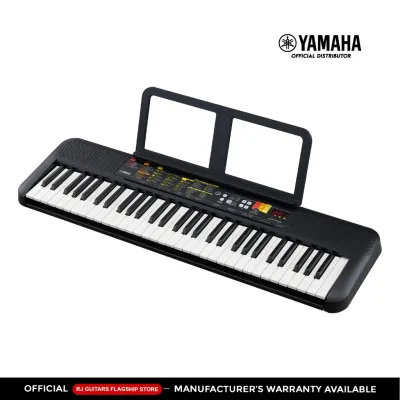
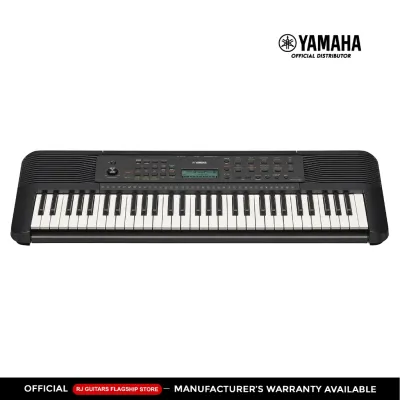
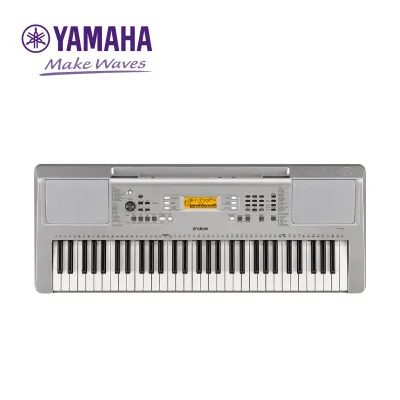
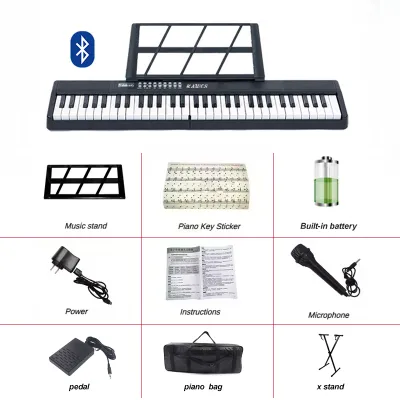
Prices are valid at publication and may change. Please refer to the product page for the latest price.
Key Action and Touch Response
The most critical difference between these two instruments lies in the key action, which refers to the physical mechanism beneath the keys. Portable keyboards typically feature unweighted or synth-action keys. These keys use simple plastic springs to return to their original position, offering very little physical resistance. While this makes the instrument lightweight and easy to play, the keys can feel springy or “mushy.” This spring-based resistance makes it difficult to control the volume of individual notes, which can hinder your expressive development.
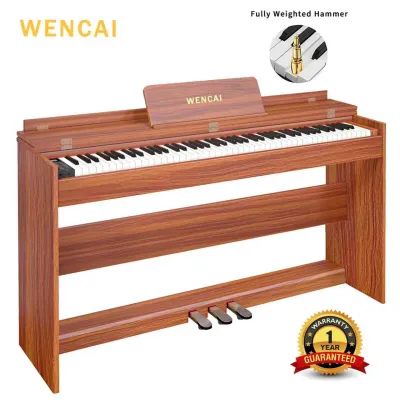
In contrast, digital pianos feature fully weighted or hammer-action keys. These instruments use mechanical weights and levers to simulate the physical hammers of an acoustic piano. Many advanced models feature graded hammer action, where the keys in the lower register feel heavier than those in the higher register, mimicking a real grand piano. This resistance is essential for developing finger independence, hand strength, and proper wrist technique.
Touch sensitivity, or velocity response, is another vital factor. A touch-sensitive instrument detects how hard or soft you strike a key and adjusts the volume and tonal character accordingly. While virtually all digital pianos have high-resolution touch sensitivity, some entry-level portable keyboards lack this feature entirely. Playing an instrument without touch sensitivity means every note sounds at the exact same volume, which severely limits your ability to play with emotion and dynamics. Always verify that a model explicitly lists “touch-sensitive” or “velocity-sensitive” keys in its specifications before purchasing.
Sound Engine and Built-in Features
The sonic priorities of these two instruments are fundamentally different. Digital pianos focus intensely on reproducing a high-fidelity acoustic piano sound. Manufacturers dedicate significant processing power to high-quality stereo sampling, capturing the complex resonance of strings, the sound of the wooden cabinet, and the dampening pedal effects. They also offer high polyphony—the number of individual notes or tones that can sound at the same time—which prevents notes from cutting off abruptly during complex classical passages or when using the sustain pedal.
Portable keyboards prioritize sonic variety over pure acoustic realism. They are packed with hundreds of built-in sounds, known as voices or patches, including brass, woodwinds, synthesizers, organs, and drum kits. This variety allows beginners to experiment with different genres and arrangements. However, their polyphony is often much lower, sometimes limited to 32 or 48 notes, which is acceptable for simple melodies but can cause notes to drop out if you play complex chords with a sustain pedal.
Additionally, portable keyboards often feature auto-accompaniment rhythms. By playing a simple chord with your left hand, you can trigger a full virtual backing band that follows your tempo and chord progression. Many portable models also include built-in interactive lesson suites, guided light-up keys, and compatibility with educational mobile apps. While these features are highly engaging for casual players, digital pianos tend to keep their control panels minimalist to foster a focused, distraction-free practicing environment.
Aligning Your Choice with Learning Goals and Space
Your daily living environment and musical aspirations are major factors in deciding which instrument will serve you best over time. A mismatched choice can lead to an instrument that either limits your progress or sits unused due to space constraints.

Casual Playing, Songwriting, and Music Production
For those interested in modern pop, electronic music, beatmaking, or songwriting, portable keyboards offer immense creative flexibility. Most modern portable models feature USB-MIDI connectivity, allowing them to function as MIDI controllers. You can easily plug the keyboard into a computer, tablet, or smartphone to control software instruments and record directly into a Digital Audio Workstation (DAW).
The physical footprint of a portable keyboard is a massive advantage for urban dwellers. In cozy apartments or shared condominium spaces in Metro Manila, space is at a premium. A typical 61-key portable keyboard is compact enough to fit on a standard study desk, and it can be easily stored under a bed or in a closet when not in use.
Portability is also a key selling point for active musicians. Weighing only three to five kilograms, these instruments are highly mobile. You can easily carry them to school, church services, or a friend’s house in a lightweight gig bag. Many models can also run on standard AA batteries, making them highly convenient for outdoor jam sessions or areas prone to power interruptions.
Classical Technique, Formal Lessons, and Exams
If you or your child plan to enroll in formal classical piano lessons or prepare for international music examinations, such as those from ABRSM or Trinity College London, an 88-key digital piano is a strict requirement. The standard acoustic piano has 88 keys, and classical repertoire frequently utilizes the extreme high and low registers. Learning on a 61-key or 76-key portable keyboard will quickly leave you running out of keys as you progress past basic beginner pieces.
Furthermore, developing proper finger posture and hand strength requires weighted keys. Piano teachers place heavy emphasis on “arm weight” and curved finger positions to project sound dynamically. If a student practices exclusively on unweighted keys, they will lack the physical finger strength required to play a real acoustic piano. This can lead to collapsed knuckles, tense wrists, and poor habits that are incredibly difficult to unlearn later.
A digital piano also encourages a focused, disciplined practice routine. Without the distraction of hundreds of sound effects, drum loops, and flashing lights, students can dedicate their full attention to timing, articulation, and reading sheet music. The physical presence of a digital piano in a room also establishes a dedicated practice space, which can help foster a more serious commitment to the instrument.
Budget Considerations and Long-Term Value
Investing in a musical instrument requires balancing immediate affordability against long-term utility. Understanding local price tiers and accessory costs will help you make a financially sound decision.
In the Philippines, entry-level portable keyboards typically range from ₱3,000 to ₱10,000. These are highly accessible but may feature unweighted keys and basic sound engines. Mid-range portable keyboards with touch-sensitive keys and better sound quality sit between ₱10,000 and ₱20,000. Digital pianos represent a larger upfront investment. Beginner-friendly 88-key weighted models usually start around ₱20,000 to ₱35,000, while mid-range console digital pianos with built-in wooden cabinets can range from ₱35,000 to over ₱60,000.
While the lower price of a portable keyboard is tempting, consider the “upgrade cycle.” If you are committed to learning traditional piano, you may outgrow a basic 61-key unweighted keyboard within six months. In this scenario, buying a ₱5,000 keyboard only to replace it with a ₱25,000 digital piano later costs more than investing in the digital piano from the start. Digital pianos from reputable brands also tend to hold their resale value much better on the local secondhand market.
Accessory costs must also be factored into your budget. Portable keyboards often require you to purchase a stand (such as an X-stand or Z-stand), a sustain pedal, and a bench separately. Be careful with cheap bundles that include flimsy stands; a heavy-handed player can cause a lightweight stand to shake, which disrupts your playing. A sturdy, double-braced X-stand is highly recommended.
Protecting your investment in a tropical climate like the Philippines is essential. High humidity can affect internal electronics and key contacts over time, leading to sticky keys or dead sensors. It is wise to budget for a fitted dust cover and consider placing silica gel packs near the keys or using a dehumidifier in your practice room to prevent moisture damage.
Side-by-Side Comparison at a Glance
To help you visualize the key differences, here is a direct comparison of the typical specifications and features of portable keyboards and digital pianos.
| Feature | Portable Keyboards | Digital Pianos |
|---|---|---|
| Key Count | Typically 61 or 76 keys | Standard 88 keys |
| Key Action | Unweighted or synth-action | Fully weighted or hammer-action |
| Sound Focus | Wide variety (hundreds of voices, rhythms) | High-quality acoustic piano samples |
| Portability | Highly portable, lightweight (3-5 kg) | Stationary (cabinet) or semi-portable (slab, 11-25 kg) |
| Best Use Case | Casual play, songwriting, music production | Classical training, formal lessons, exams |
| Typical Budget Tier | Entry-level (₱3,000 – ₱15,000) | Mid to high-level (₱20,000 – ₱60,000+) |
Final Verdict: When to Buy Which
Making the final decision comes down to matching your personal circumstances with the strengths of each instrument type. Use the following guide to finalize your choice.
Choose a portable keyboard if:
- Your budget is strictly under ₱15,000.
- You have limited floor space and need an instrument that can be stored away easily.
- You want to produce electronic music, create beats, or explore a vast library of different instrument sounds.
- You need a highly portable instrument for travel, outdoor play, or gigging.
Choose a digital piano if:
- Your primary goal is to learn traditional piano technique and classical repertoire.
- You are taking formal lessons or preparing for music examinations.
- You want the realistic physical feel and expressive control of an acoustic piano.
- You have dedicated space in your home for a permanent musical setup.
Verify first if:
- You are unsure of your long-term commitment; starting with a high-quality, touch-sensitive 61-key keyboard can be a low-risk way to test your interest before investing in an 88-key digital piano.
- You live in a condominium or apartment; verify the dimensions of your designated space and ensure you have a good pair of headphones to practice quietly without disturbing neighbors during late-night sessions.
- You purchase from an authorized local dealer in the Philippines to ensure you receive a valid warranty and reliable after-sales support for electronic components.
- You plan to use interactive learning apps; verify your device's compatibility, system requirements, and regional app availability before purchasing digital sheet music or subscriptions.
Frequently Asked Questions (FAQ)
Can I take formal piano lessons using a portable keyboard?
While you can use a portable keyboard to learn basic music theory, note reading, and simple melodies during your first few months, it is not recommended for long-term formal lessons. Most music teachers and exam boards require a transition to an 88-key weighted instrument within six to twelve months. This transition is crucial because unweighted keys do not build the necessary finger strength, wrist flexibility, or dynamic control required to play intermediate and advanced classical pieces correctly. Practicing exclusively on unweighted keys can also lead to poor physical habits, such as collapsed knuckles and tense wrists, which can cause discomfort or injury when you eventually try to play on a weighted piano.
Do I need an amplifier or external speakers for either instrument?
No, you do not need an external amplifier or speakers for home practice. Both portable keyboards and digital pianos come equipped with built-in speakers that are more than adequate for a typical room. They also feature dedicated headphone jacks, allowing you to practice silently at any hour without disturbing others. You would only need an external amplifier, keyboard amp, or PA system if you plan to perform live in large venues, play alongside louder acoustic instruments like drums, or require high-fidelity studio monitors for music production.
Community discussion
Share your experience or ask a question. Comments are reviewed before publication.