
Finding the right planning and productivity books in the Philippines requires looking beyond standard global advice that assumes a highly predictable environment. When daily life involves navigating multi-hour commutes, sudden weather disruptions, and deep-seated family commitments, rigid productivity frameworks often fall apart. Many readers search for guidance when their carefully structured schedules collapse, leading to the familiar feeling of looking back at a failed planner and realizing how much their circumstances have changed. The key is selecting books that offer adaptable frameworks, balancing tactical time management with the self-compassion needed to handle life’s inevitable detours.
By focusing on titles that address both the emotional and practical sides of organization, you can build a personalized system that works for your specific reality. Whether you are a hybrid worker trying to establish boundaries at home or a student balancing academic pressure with household responsibilities, the right book can help you transition from rigid, stressful scheduling to a more fluid, sustainable way of living.
How to Choose the Right Productivity Book for Your Lifestyle
To find a book that actually improves your daily life, you must first identify your primary productivity bottleneck. Many people mistake physical or mental exhaustion for poor time management. If you are working a hybrid schedule or spending hours in transit every day, your main challenge might not be how you schedule your hours, but how you manage your limited energy reserves. Recognizing whether you need help with energy management, task prioritization, or emotional burnout will prevent you from buying books that do not address your actual needs.
Products mentioned in this guide

Prices are valid at publication and may change. Please refer to the product page for the latest price.
You must also factor in the unique realities of the local environment. Global productivity literature often assumes a high degree of control over one’s surroundings, such as quiet, uninterrupted workspaces and highly predictable transit times. In the Philippines, professionals frequently balance shared household spaces, multi-generational family dynamics, and unpredictable utility or internet interruptions. A book that demands a rigid, distraction-free morning routine might not be realistic if your household wakes up early to prepare shared meals or manage family responsibilities. Look for authors who advocate for flexibility and micro-routines that can be completed anywhere.
Finally, it is helpful to distinguish between mindset-shifting books and tactical manuals. Mindset books address the psychological barriers to productivity, such as fear of failure, perfectionism, or the guilt of saying no to social and family requests. Tactical manuals, on the other hand, provide concrete tools like spreadsheets, time-blocking templates, and habit trackers. Choosing the wrong type can lead to frustration; a tactical planner will not help if you are too burnt out to open it, while a philosophical book won’t give you a concrete filing system.
Books for Mindset Shifts and Adaptable Life Planning
Traditional goal-setting often treats life as a linear path, where any deviation is marked as a failure. This rigid mindset can cause immense guilt when unexpected events—such as a family emergency, a sudden shift in company policy, or a long commute delay—disrupt your timeline. Books that focus on emotional resilience teach readers to view plans as flexible guides rather than absolute contracts. By learning to tolerate ambiguity, a sudden change in plans becomes a minor detour rather than a catastrophic failure.

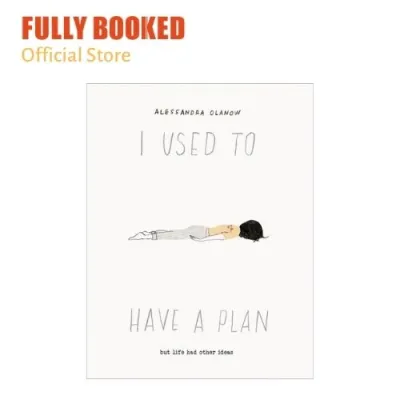
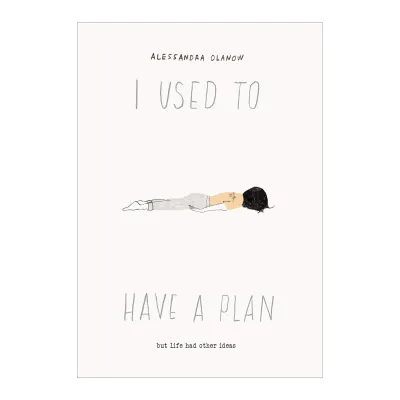
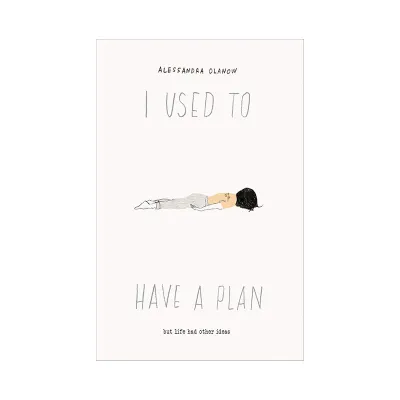
If you have ever picked up a copy of the i used to have a plan book or similar reflective journals, you know that losing your way is a normal, even beautiful, part of personal growth. Instead of demanding higher output, these books encourage readers to pause, assess their current mental state, and rebuild their routines from a place of self-compassion. This approach is highly valuable for local professionals navigating high-stress industries where burnout is common and work-life balance is difficult to maintain.
Before adopting any author’s philosophy, examine their underlying assumptions about success. Some books promote a hyper-individualistic lifestyle that prioritizes personal achievement above all else. For many local readers, success is deeply tied to community, family support, and collective well-being. Look for authors who acknowledge that setting boundaries does not mean abandoning your responsibilities to others, but rather preserving your energy so you can contribute more effectively to your loved ones and team.
Ultimately, the goal of a mindset shift is to move away from the pressure of optimizing every single minute of your day. When you embrace a more adaptable approach to life planning, you allow space for rest, spontaneous family moments, and recovery. This mental flexibility is a crucial skill for navigating modern career paths, where job descriptions and industry demands are constantly evolving, requiring us to constantly reinvent our daily routines.
Practical Guides for Daily Habits and Time Management
For readers who have their mindset aligned but struggle with execution, tactical guides offer structured systems. These books focus on the mechanics of habit formation, breaking down large, intimidating goals into small, repeatable daily actions. By focusing on the system rather than the end result, you build momentum that carries you through low-motivation days. These actionable frameworks are particularly useful for students and young professionals looking to build professional discipline.
When exploring tactical books, you will encounter several popular methodologies. Time-blocking involves assigning specific tasks to dedicated time slots throughout the day, which works well for highly structured roles. Micro-habits focus on starting with actions so small they require almost no willpower, such as reading a single page of a book or writing one line of a report. Essentialism advocates for identifying the absolute minimum number of high-impact tasks and ruthlessly eliminating the rest. Each method has its place depending on your daily level of autonomy and work environment.
However, it is important to recognize the limitations of highly rigid productivity systems when applied to unpredictable daily schedules. While time-blocking is highly praised in global productivity circles, it can be incredibly difficult to maintain when faced with a sudden two-hour delay in traffic or an unexpected power outage. If your schedule is highly reactive—such as in customer service, operations, or collaborative team environments—rigidly blocked hours can quickly become a source of stress. In these scenarios, list-based prioritization or flexible time-theming often proves more resilient than strict hourly scheduling.
The most effective productivity system is rarely a single book’s methodology adopted wholesale. Instead, successful planners borrow elements from various sources to create a personalized toolkit. You might use micro-habits to establish a morning routine, essentialism to filter your weekly goals, and a simple checklist to manage daily tasks. Adjusting the balance as your workload and personal life demand ensures that your system remains a tool for support rather than a source of anxiety.
Where to Buy and How to Verify Authentic Editions
When looking for productivity books, it is essential to purchase from authorized physical bookstores or official flagship stores on reputable e-commerce platforms. The local market has seen a rise in unauthorized, low-quality reprints sold at unusually low prices, often ranging from ₱50 to ₱150. While these cheap copies might seem tempting, they often suffer from severe printing defects that ruin the reading experience and undermine the author’s work.
Counterfeit books are typically produced using cheap scanning methods, resulting in blurry text, uneven margins, and poor ink distribution. In some cases, entire chapters or crucial worksheets are missing, which is particularly damaging for interactive planning books that rely on visual layouts and self-assessment templates. To verify authenticity, check the paper quality—genuine editions usually have consistent paper weight, clean, secure binding that does not fall apart when opened flat, and clear, crisp typography.
For readers who prefer e-books or audiobooks to utilize their commute times, purchasing from legitimate digital platforms is crucial. Ensure that the platform you use has the proper regional licensing for the Philippines, as some titles may be geo-restricted. Verify device compatibility before buying, especially if you plan to sync your reading progress between a smartphone, tablet, or dedicated e-reader. Legitimate digital purchases also ensure that authors receive their rightful royalties, supporting the creation of future resources.
Frequently Asked Questions (FAQ)
How do I know if a productivity book is actually working for me?
A productivity book is successful if it helps you feel more in control of your day, even if you do not complete every single task on your list. Measurable signs of improvement include a noticeable reduction in daily anxiety, clearer boundaries between work and personal life, and a better ability to prioritize tasks when everything feels urgent. If you find yourself consistently applying even one small concept from a book to your daily routine, the book has done its job.
If a book’s methodology makes you feel guilty, overwhelmed, or inadequate, it is likely not the right fit for your current life stage. Some systems are designed for highly specific corporate environments and do not translate well to creative, entrepreneurial, or family-focused lifestyles. Do not hesitate to abandon a book or modify its rules to protect your mental well-being, as a productivity system should always serve you, not the other way around.
Are audiobooks as effective as physical books for learning productivity systems?
Audiobooks are exceptionally well-suited for mindset-shifting books, memoirs, and conceptual guides. Listening to an inspiring narrator during a long commute or while doing household chores can turn otherwise unproductive hours into valuable learning time. The conversational tone of these books makes them easy to digest auditorily, allowing you to absorb key concepts without needing to sit down with a physical copy.
For books that contain detailed frameworks, diagrams, templates, or interactive exercises, a physical book or a high-quality e-reader is generally superior. These formats allow you to easily flip back and forth between sections, write notes in the margins, and fill out worksheets. If you prefer audiobooks but need the tactical tools, check if the publisher provides a downloadable PDF companion containing the book’s visual aids, which can be printed out or viewed on your device.

Community discussion
Share your experience or ask a question. Comments are reviewed before publication.