
The Pearl Roadshow drumset is widely considered a highly practical starting point for beginner drummers in the Philippines who want a complete, ready-to-play acoustic package. It eliminates the confusion of buying individual drums, stands, pedals, and cymbals separately, making it an attractive option for novices. However, as an entry-level kit, it is important to set realistic expectations. While the shells and hardware provide a solid foundation for learning, the included cymbals and factory drumheads are designed primarily for durability rather than professional-grade acoustic performance. Understanding these trade-offs will help you decide if this kit aligns with your learning goals, budget, and living situation.
Choosing your first instrument is a significant milestone, and the right setup can make the difference between a frustrating experience and a lifelong passion. Acoustic drums require a balance of structural durability, responsive hardware, and acceptable tonal quality. By evaluating how this specific package holds up under daily practice, you can make an informed decision before investing your hard-earned money.
Core Evaluation Criteria for Beginner Drum Kits
Before diving into the specifics of any single model, it is essential to establish what makes an acoustic drum set suitable for a beginner. A complete starter kit must include several core components to be truly ready to play out of the box. These components consist of the drum shells (typically a bass drum, snare drum, and one or more toms), the necessary mounting hardware, a bass drum pedal, a hi-hat stand, a cymbal stand, basic cymbals, and a drum throne. Missing even one of these items can lead to unexpected extra costs and delays in your practice routine.
Products mentioned in this guide

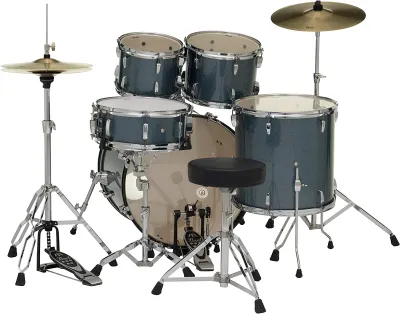
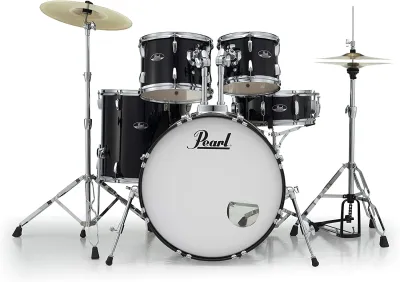
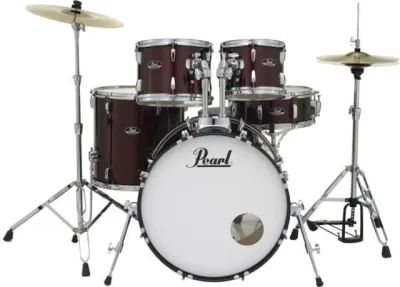
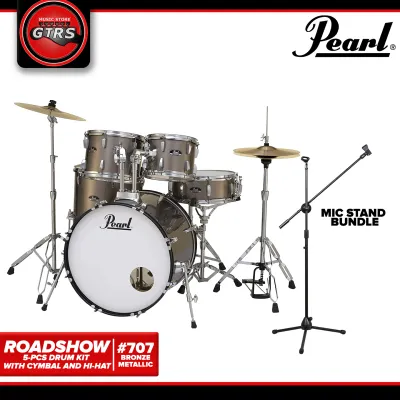
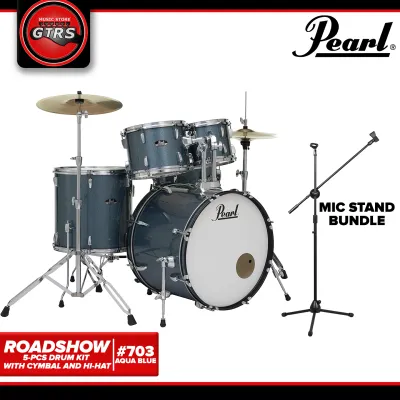

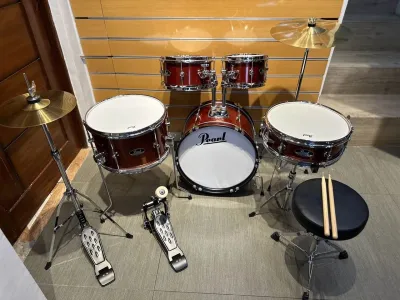
Prices are valid at publication and may change. Please refer to the product page for the latest price.
All-in-one bundles offer a major advantage in terms of convenience and cost-effectiveness. Sourcing each component individually requires a deep understanding of hardware compatibility, drum sizes, and mounting systems, which most beginners do not yet possess. A pre-configured bundle ensures that all stands fit the shells perfectly and that the pedals are compatible with the hoops. The trade-off, however, is that manufacturers often include lower-tier cymbals and drumheads in these packages to keep the overall price accessible.
When evaluating an entry-level kit, durability should always take precedence over acoustic refinement. A beginner’s kit will endure inconsistent striking forces, frequent height adjustments, and constant tuning experimentation. The hardware must be sturdy enough to prevent the drums from sliding or tipping over during enthusiastic practice sessions. While professional-grade tone is desirable, it is a secondary concern at this stage; a stable, reliable kit that stays in tune is far more valuable for developing proper technique.
Breaking Down the Pearl Roadshow Components
The Pearl Roadshow is designed to address the needs of new players by offering a standardized configuration that accommodates various musical genres. Whether you are interested in rock, pop, jazz, or church worship music, the drum sizes and layout provide a familiar setup used by instructors worldwide. This standardization makes it easier to follow online tutorials and drum method books.

However, because bundle configurations can vary significantly depending on the retailer or the specific online marketplace listing, you must carefully verify the exact box contents before purchasing. Some packages may exclude the drum throne or the cymbals to offer a lower price point, while others might include extra accessories like drumsticks or a stick bag. Always read the product description thoroughly to ensure you are getting a truly complete package.
Shells and Construction
The drum shells of the Roadshow series are typically constructed from multiple plies of poplar wood. Poplar is a common choice for entry-level instruments because it is relatively easy to source and shape, allowing manufacturers to keep costs down. Tonal characteristics of poplar include a soft, warm sound with a boosted high and low end, providing a punchy quality that works well for modern music styles.
Upon receiving your drum kit, it is highly recommended to inspect the shells for manufacturing quality. Remove the drumheads and check the bearing edges—the top and bottom edges of the wooden shell where the drumhead makes contact. These edges should be smooth, flat, and free of splinters or dents, as any imperfections can cause tuning difficulties and premature drumhead wear. Additionally, inspect the outer wrap finish to ensure there are no bubbles, lifting seams, or scratches, which can sometimes occur during transit or storage in humid climates.
It is important to remember that the raw wood shell is only one part of the acoustic equation. The overall sound of your drums is heavily dependent on the quality of the drumheads and your tuning technique. Even modest poplar shells can sound surprisingly deep and resonant when fitted with high-quality heads and tuned correctly, making the Roadshow a highly capable platform for sonic improvement over time.
Hardware and Stability
Hardware is often the weakest link in budget drum sets, but it is crucial for a satisfying playing experience. The Roadshow package features double-braced legs on the cymbal, snare, and hi-hat stands. Double-bracing provides significantly more stability and weight than single-braced alternatives, preventing the stands from wobbling or creeping across the floor when you play with energy.
The bass drum pedal and the hi-hat stand are the primary mechanical interfaces of the kit, and they must operate smoothly. The included bass drum pedal utilizes a chain-drive mechanism, which offers a direct and responsive feel underfoot. The hi-hat stand should have a reliable spring tension that allows for clean open-and-close footwork. While these components are robust enough for learning, they do not offer the advanced adjustments found on professional hardware.
To maintain stability and prolong the life of your hardware, regular maintenance is necessary. Entry-level metal threads and castings can wear out if subjected to excessive force. Get into the habit of tightening wing nuts and memory locks firmly but without over-exerting yourself, as over-tightening can strip the threads. Regularly check that the rubber feet on the stands are intact to prevent the metal legs from scratching your floors or slipping during practice.
Cymbals and Drumheads
The cymbals included in entry-level drum bundles are generally designed for durability rather than complex tonal beauty. Typically made from brass or basic sheet bronze alloys, these cymbals are thick and sturdy, allowing them to withstand the heavy, unrefined strikes of a learning drummer. However, they tend to produce a bright, clanging sound with very little sustain or warmth.
Similarly, the factory-installed drumheads are usually thin, single-ply heads. While they are perfectly fine for your first few weeks of learning basic stick patterns, they are prone to denting quickly under heavy hitting. Thin heads also lose their ability to hold tension over time, resulting in a flat, muddy sound that can make practicing less enjoyable.
Upgrading these components is a natural part of a drummer’s progression. Replacing the factory drumheads with reputable aftermarket double-ply heads is the most cost-effective way to instantly upgrade the sound of the kit. You do not need to replace the cymbals immediately, but you should plan a future budget for intermediate bronze cymbals as your ears develop and you begin to play with other musicians.
Practical Setup and Space Requirements
Before purchasing an acoustic drum set, you must carefully consider where it will live. A standard five-piece acoustic kit requires a dedicated floor space of approximately 1.5 meters by 1.5 meters. This space must accommodate not only the physical footprint of the drums and stands but also the drum throne and the natural movement of your arms and legs while playing.
Acoustic drums are inherently loud instruments. In typical residential areas in the Philippines, such as subdivisions, townhouses, or apartments, the sound of a drum kit can easily travel through walls and disturb neighbors. To maintain good community relations, you should evaluate your practice environment. Consider setting up the kit in a room with heavy curtains, rugs, or wall hangings to help absorb sound. You can also purchase rubber mute pads or mesh heads to temporarily quiet the drums for late-night practice.
The tropical climate of the Philippines also presents unique challenges for musical instruments. High humidity and temperature fluctuations can cause wooden drum shells to expand and contract, which affects their tuning stability. To protect your investment, avoid placing the drum set in direct sunlight, near open windows where rain might splash, or directly under air conditioning vents. Wipe down the metal hardware with a dry microfiber cloth after sweaty practice sessions to prevent rust and corrosion.
Ergonomics play a vital role in preventing physical strain and developing good habits. Set your drum throne height so that your thighs are parallel to the floor or angled slightly downward. Position your snare drum and toms at heights and angles that allow you to strike the center of the heads comfortably without hitting the metal rims. Your cymbals should be within easy reach, preventing you from overextending your shoulders or back.
Target Audience and Alternative Paths
The Pearl Roadshow is an ideal match for absolute beginners, young students, and hobbyists who want a straightforward, reliable path to learning the drums. It removes the guesswork of matching components, allowing you to focus entirely on developing your rhythm and coordination. If you are committed to learning the acoustic drum set and have a suitable space to play, this package offers excellent value.
However, if you live in a high-density condominium or a shared household with strict noise limitations, an acoustic kit may not be practical. In these scenarios, an electronic drum kit is often a better alternative. Electronic kits allow you to practice silently using headphones, offer a wider variety of built-in sounds, and generally occupy a smaller physical footprint. The trade-off is that electronic pads do not fully replicate the physical rebound, stick response, and dynamic expression of real acoustic drumheads and cymbals.
Another alternative is searching the local used market for a mid-tier acoustic kit. While you can sometimes find higher-quality shells and hardware for a similar price, this path carries significant risks for beginners. Without experience, it is difficult to spot warped hoops, stripped hardware threads, or damaged bearing edges. For most novices, the peace of mind, warranty, and complete nature of a brand-new entry-level bundle make it the safer and more practical choice.
Pre-Purchase Verification Checklist
To ensure a smooth purchasing experience and avoid common pitfalls, run through this checklist before finalizing your order with an online marketplace or a local music retailer:
- Verify the Configuration: Confirm the exact shell sizes (such as the 18-inch, 20-inch, or 22-inch bass drum configurations) to ensure the kit fits your physical height and preferred musical style.
- Check the Box Contents: Read the listing details carefully to verify that the drum throne, cymbals, bass drum pedal, and stands are explicitly included in the package.
- Review the Return Policy: Because drum kits are heavy, bulky, and shipped in large boxes, returning a defective item can be costly and difficult. Ensure the seller offers a clear return policy and shipping damage protection.
- Confirm Warranty Coverage: Check if the manufacturer or local distributor provides a warranty on the wooden shells and metal hardware against manufacturing defects.
- Assess Local Support: Verify if replacement parts, such as tension rods, washers, or memory locks, are easily accessible through local music stores in case any hardware components wear out over time.
Frequently Asked Questions (FAQ)
Do I need to buy extra cymbals immediately?
No, you do not need to purchase additional cymbals right away. The cymbals included in the package are entirely sufficient for learning basic stick control, hand-foot coordination, and simple drum beats. It is highly recommended to practice with the stock cymbals for several months until you develop a clear understanding of your playing style and tonal preferences before investing in higher-quality bronze upgrades.
How much space does a full acoustic kit require?
A standard five-piece acoustic drum set requires a dedicated floor area of about 1.5 meters by 1.5 meters (approximately 5 feet by 5 feet). This space allows you to position the bass drum, snare, toms, and stands comfortably while leaving enough room for the drum throne and your physical movement. Make sure to also check the clearance around the kit so your drumsticks do not accidentally strike nearby walls, shelves, or furniture during practice.
Community discussion
Share your experience or ask a question. Comments are reviewed before publication.