
The physical music revival has taken the Philippine music industry by storm, and Pinoy Pop (P-Pop) is leading the charge. While digital streaming platforms offer unmatched convenience, collectors and passionate fans are increasingly turning back the clock to analog formats. If you are wondering whether your favorite P-Pop groups offer cassette tape albums and where you can safely purchase them in the Philippines, you are in the right place. Prominent P-Pop acts, including trailblazers like SB19 and BINI, have indeed released limited-edition cassette tapes of their landmark projects. These physical releases serve as highly coveted collector’s items, blending retro nostalgia with modern pop aesthetics.
Acquiring these physical releases in the Philippines requires a bit of strategy. Because cassette tapes are often produced in limited quantities, they sell out quickly on official channels, leading to a bustling secondary market. To secure genuine copies and support your favorite artists directly, you must know how to navigate official webstores, authorized physical record shops, and online marketplaces safely. Additionally, because the tropical climate of the Philippines presents unique challenges for analog media preservation, knowing how to store and maintain your tapes is crucial to keeping your collection in pristine playing condition.
How to Evaluate P-Pop Cassette Releases Before Buying
Collecting analog music is an incredibly rewarding hobby, but it requires a discerning eye, especially when navigating the P-Pop secondary market. Before you finalize any purchase, it is essential to evaluate the specific cassette release to ensure you are getting a genuine, high-value product that matches your expectations.
Products mentioned in this guide
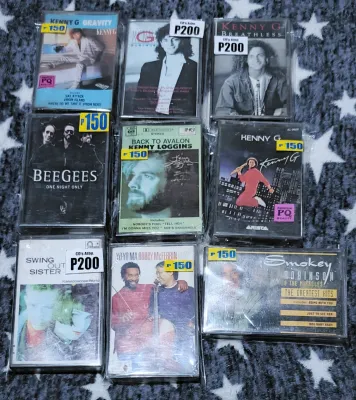
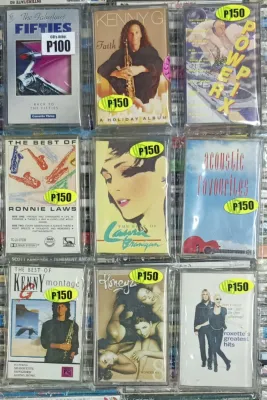
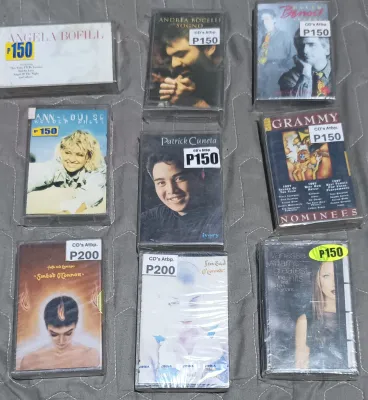
Prices are valid at publication and may change. Please refer to the product page for the latest price.
Publishing labels often release cassettes in multiple physical formats to appeal to different segments of the fanbase. Standard editions typically feature a classic solid black or opaque white plastic shell housed in a standard clear Norelco case with a basic J-card. In contrast, limited-edition variants are highly stylized. These may feature transparent shells, neon colorways, glitter-infused plastic, or even custom pad-printed graphics directly on the cassette body. Limited runs sometimes come in premium packaging, such as cardboard slipcases, O-cards, or miniature box sets. Understanding which variant you are looking at helps you determine whether the seller’s asking price aligns with the item’s actual market rarity.
In the world of P-Pop, physical albums are rarely just about the music; they are comprehensive merchandise packages. Cassette releases often include exclusive items that are not available with the CD or digital versions. When evaluating a cassette listing, check for the presence and condition of:
- Photocards: High-quality, glossy cards featuring individual group members or the entire group. Missing or damaged photocards significantly reduce the collector value of the package.
- Lyric Booklets and J-Cards: The J-card is the paper insert that wraps around the cassette case. Premium releases feature multi-panel J-cards that fold out into mini-posters or detailed lyric booklets.
- Sticker Sheets and Postcards: Small, era-specific decorative elements that add a personal touch to the release.
Always verify with the seller whether the item is “sealed” (containing all original inclusions) or “unsealed” (where the original photocards may have been removed or swapped).
As physical music formats regain popularity, counterfeit releases have unfortunately become more common. To protect your investment and ensure your money supports the artists, look for official licensing markers. Authentic Philippine music releases often carry a holographic sticker from the Philippine Association of the Record Industry (PARI) or a proprietary hologram from the group’s management label (such as 1Z Entertainment or Star Music). Examine the print quality on the J-card: fake releases often exhibit blurry text, pixelated images, or off-center cutting. The cassette shell itself should have clean, crisp molded plastic edges and high-quality label printing rather than a cheap paper sticker slapped onto a generic blank tape.
Before checking out, read the product details carefully to confirm content completeness. Verify the tracklist to ensure it includes all the songs from the digital release, as physical constraints sometimes force track alterations or split tracks differently across Side A and Side B. Additionally, confirm the language of the printed materials (such as lyric translations) and the media format details. Standard commercial cassettes are typically Type I (Normal Bias/Ferric Oxide) tapes, which are compatible with virtually all cassette players, but verifying this ensures you have the correct playback hardware.
P-Pop Groups with Available Cassette Tape Albums
The physical music landscape in the Philippines has evolved rapidly, with local artists embracing retro physical formats to give fans a tangible piece of their musical eras. While vinyl records have seen a massive resurgence, cassette tapes offer a more affordable, highly nostalgic, and intensely collectible alternative. Several P-Pop groups have utilized this format to celebrate milestone releases.

SB19 Cassette Formats and Inclusions
As global pioneers of the modern P-Pop movement, SB19 has consistently pushed the boundaries of physical album design. The group has embraced the cassette format for key releases, turning these analog tapes into premium art pieces.
SB19’s cassette releases are characterized by a sleek, sophisticated design language. For projects like Pagsibol and PAGTATAG!, the visual themes mirror the gritty, industrial, and triumphant concepts of their respective eras. You will often find bold color palettes—such as deep blacks, metallic golds, and vibrant neon accents—printed on high-durability plastic shells.
A standard SB19 cassette package is a treasure trove for A’TIN. It typically features a multi-panel, accordion-style J-card that unfolds to reveal high-concept group and individual member photos, complete lyric sheets, and production credits. Exclusive photocard sets are a staple, often featuring unique concepts shot specifically for the physical album release. Some editions also include custom-designed outer slipcases that protect the plastic Norelco case from scratches.
When browsing official stores or trusted collector groups, look for the official EP cassette releases. These are highly sought after because of their limited production runs. Keep an eye out for clear or colored shell variants, which are significantly rarer than standard opaque versions and hold a special place in any OPM or P-Pop collection.
BINI Cassette Formats and Inclusions
BINI, dubbed the “Nation’s Girl Group,” has captured the hearts of millions with their bright harmonies, infectious energy, and vibrant bubblegum pop aesthetic. Their physical merchandise strategy perfectly reflects this cheerful identity, making their cassette releases highly prized among Blooms.
BINI’s cassette packaging is an explosion of color. Utilizing pastel pinks, bright blues, sunny yellows, and holographic finishes, their cassettes are designed to look like cute, retro accessories straight out of a Y2K dream. The cassette shells themselves often come in eye-catching translucent colors or solid pastel shades that match the thematic color scheme of the album or EP, such as Talaarawan.
Inside a BINI cassette case, you can expect to find a beautifully designed lyric booklet filled with bright, high-quality concept photos of the eight members. The inclusion of exclusive photocard sets is a major draw, with collectors actively trading to complete their favorite member sets. Some limited-edition packages also feature decorative sticker sheets, member-specific cover inserts that allow you to customize the front of your cassette case, and collectible keychains.
Because BINI’s popularity has soared exponentially, their limited-edition physical releases sell out almost instantly. These cassettes are not just audio media; they are vital pieces of the broader BINI merchandise ecosystem, sitting alongside lightsticks, photocard binders, and concert shirts as ultimate symbols of fan dedication.
Monitoring New P-Pop Cassette Releases
The P-Pop scene is dynamic, with new groups emerging and established acts constantly planning their next physical drops. Because cassette tapes are almost always produced in limited, one-off runs, staying informed is the only way to secure them at retail price before they hit the high-markup reseller market.
Your primary source of information should be the official social media channels and webstores of the artists and their management labels (such as 1Z Entertainment, Star Music, and Sony Music Philippines). Sign up for mailing lists on official webstores to receive immediate notifications when pre-order windows open.
Active fan communities on social media platforms are incredibly efficient at spreading news about merchandise drops. Fan clubs often organize “Group Orders” (GOs) to help members save on shipping costs, especially if the items are being shipped from centralized distribution hubs. These communities are also excellent resources for real-time restock alerts.
Legitimate Channels to Buy P-Pop Cassettes in the Philippines
Securing authentic P-Pop cassette tapes requires knowing where to shop. The surge in demand for physical music has led to an increase in unauthorized bootlegs and scalper listings. To ensure your money supports the artists and that you receive a genuine product, stick to these verified purchase channels.
The safest and most direct way to purchase P-Pop cassettes is through the artists’ official online stores or their managing labels’ direct-to-consumer websites. For instance, purchasing directly from the official 1Z Entertainment store for SB19 releases, or the Star Music shop for BINI merchandise, guarantees that you are receiving a 100% authentic product. These platforms also ensure that your purchase directly contributes to the artists’ physical sales charts. Always bookmark these official URLs and avoid clicking on suspicious redirect links from unverified sources.
If you prefer the tactile experience of browsing physical shelves, several reputable record stores in the Philippines stock official OPM and P-Pop physical releases. Major mall-based music retailers and specialized independent record boutiques are excellent brick-and-mortar options.
- Specialized Indie Record Stores: Boutique record shops located in creative hubs like Cubao Expo in Quezon City, or design-forward districts in Makati and Pasig, frequently stock indie releases, vinyl, and cassettes. Stores like Backspacer Records, Grey Market, and other OPM-focused music hubs often partner with local labels to carry official physical stocks.
- Mall-Based Retailers: While traditional music chains have scaled down, select branches of major book and music outlets still maintain physical music sections featuring local releases. It is always worth calling ahead or visiting their flagship branches in major Metro Manila malls to check their current inventory.
When official webstores sell out, many collectors turn to major online marketplaces. While these platforms host legitimate sellers, they also contain unauthorized listings. Follow these strict guidelines to protect your purchase:
- Verify Flagship Status: Only buy from stores marked as official flagship stores or authorized mall sellers (such as the official Sony Music or Star Music storefronts on the platform).
- Check Seller Ratings: Look for seller ratings of 95% or higher. A high rating coupled with a long tenure on the platform is a strong indicator of reliability.
- Read Customer Reviews: Do not just look at the star rating. Read individual reviews, focusing on those that include real photos and videos of the received product. Check if buyers mention the presence of official holographic stickers and secure packaging.
- Avoid Suspiciously Low Prices: If a cassette that normally retails for ₱800 to ₱1,500 is listed for ₱200, it is almost certainly an unauthorized bootleg or a scam.
Buying from unverified third-party sellers on social media marketplaces or classified ads carries significant risk. You run the risk of purchasing “sealed” items that have actually been opened and stripped of their valuable photocards, or worse, receiving poorly dubbed bootleg cassettes with low-quality audio and counterfeit packaging. If you must buy from a reseller, always request watermarked photos of the physical item, ask for proof of original purchase, and use secure payment methods that offer buyer protection.
Playback Equipment and Storage for Tropical Climates
Owning a cassette tape is only half the journey; playing and preserving it is where the true analog experience lies. Unlike digital files, magnetic tape is a physical, fragile medium that is highly sensitive to its environment. In a tropical country like the Philippines, high humidity and temperature fluctuations present significant challenges that every collector must address.
Before you play your valuable P-Pop cassettes, you need a reliable player that will not damage your tapes.
- Portable Players: Modern portable cassette players offer convenience and portability. When choosing a portable player, check its interface compatibility—ensure it has a standard 3.5mm headphone jack or reliable Bluetooth connectivity if you plan to use wireless headphones. Verify its power requirements; most run on AA batteries or charge via USB.
- Desktop Cassette Decks: For the best audio quality, a vintage or modern desktop cassette deck connected to a home stereo system is ideal. Ensure the unit's power specifications match the Philippine standard of 220V AC at 60Hz. If you import a vintage deck from Japan (which uses 100V) or the US (which uses 120V), you must use a high-quality step-down transformer to avoid destroying the motor or causing an electrical hazard.
The relative humidity in the Philippines frequently exceeds 80%, which is highly detrimental to magnetic tape. High humidity promotes the growth of mold and mildew on the tape pack, which can ruin the audio and damage your player’s heads. It can also cause the binder holding the magnetic particles to the plastic tape base to degrade (a condition known as “sticky-shed syndrome”).
- Store Upright: Always store your cassettes vertically (like books on a shelf) inside their plastic Norelco cases. Storing them flat or stacked on top of one another can cause the tape pack to slip, leading to uneven winding and potential jamming.
- Control the Environment: Keep your collection in a cool, dry place away from direct sunlight, which can warp the plastic shells and fade the J-card artwork.
- Use Airtight Containers and Desiccants: If you do not have a climate-controlled room, store your cassettes in airtight plastic storage bins. Place several rechargeable silica gel packets (desiccants) inside the bin to actively absorb moisture. Monitor these packets regularly and dry them out according to their instructions when they saturate.
- Keep Away from Magnetic Fields: Avoid storing your tapes near speakers, subwoofers, television sets, or other appliances that generate strong magnetic fields, as these can partially erase or distort the recorded audio on the tape.
Proper maintenance of both your tapes and your playback equipment will extend the lifespan of your collection.
- Check Tape Tension (The Pencil Trick): Before inserting a cassette into your player, look at the tape pack through the window. If the tape looks loose or has slack, insert a standard hexagonal pencil into one of the cassette hubs and gently turn it until the slack is wound up. Playing a loose tape can cause the player's capstan to eat the tape, resulting in permanent damage.
- Clean the Player Heads: Over time, magnetic oxide particles and dust accumulate on the player's playback head, capstan, and rubber pinch roller. This buildup causes muffled audio and speed instability (wow and flutter). To clean them, lightly moisten a clean cotton swab with 99% isopropyl alcohol. Gently wipe the metal playback head, the metal capstan pin, and the rubber pinch roller. Allow all components to dry completely (usually about 5 to 10 minutes) before playing a tape.
- Consult the Manual: Always consult your playback device's manufacturer manual for specific cleaning instructions, operational thresholds, and approved cleaning agents before performing any maintenance.
Frequently Asked Questions (FAQ)
Are P-Pop cassette tapes region-locked?
Analog cassette tapes are an entirely analog format and do not contain any digital region coding or regional playback restrictions. A cassette purchased in the Philippines will play perfectly on any cassette player anywhere in the world. However, you must ensure that your playback hardware matches local electrical standards. If you are using a desktop cassette deck imported from another country, verify its voltage and frequency requirements to ensure safe operation on the Philippine 220V, 60Hz power grid.
Do cassette albums include digital download codes?
Digital download codes are not a standard inclusion for all P-Pop cassette releases. While some record labels include a unique download code or a QR code inside the J-card as a modern convenience, many releases are treated strictly as physical collectibles, assuming the buyer will stream the music on digital platforms. Always read the official product description or packaging details carefully before purchasing if having a digital copy is a priority for you.
How can I tell if a P-Pop cassette is a bootleg?
Identifying a counterfeit cassette requires a close inspection of its physical characteristics. Look for these common red flags:
- Poor Print Quality: Bootleg J-cards often feature blurry, pixelated graphics, low-contrast text, or colors that look washed out compared to official promotional photos.
- Substandard Shell Construction: Authentic cassettes have clean, precisely molded plastic shells. Bootlegs often use cheap, lightweight plastic that rattles excessively or has rough, unfinished edges.
- Missing Security Markers: Official releases usually feature holographic authenticity stickers from the publishing label or PARI.
- Low-Quality Labels: Genuine releases typically have high-quality pad printing directly on the plastic shell or professionally aligned, high-grade paper labels. Bootlegs often feature crookedly applied, low-resolution paper stickers.
- Suspicious Pricing and Sellers: If the price is too good to be true or the seller cannot provide clear, custom photos of the item, it is highly likely to be a bootleg.
Community discussion
Share your experience or ask a question. Comments are reviewed before publication.