
Choosing between Malcolm Gladwell’s ‘Outliers’ and James Clear’s ‘Atomic Habits’ for your career development is not a matter of finding which book is universally superior. Instead, the decision depends entirely on the specific challenges you currently face in your professional journey. ‘Outliers’ investigates the macro-level forces that shape high achievers, focusing on external factors, cultural legacies, and the hidden advantages that allow certain individuals to excel. It is an excellent resource if you are trying to understand systemic barriers, plan long-term career pivots, or analyze the broader environment of your industry.
Conversely, ‘Atomic Habits’ operates on a micro-level, focusing on internal systems, daily routines, and the compounding power of tiny behavioral changes. If your primary struggle is maintaining consistency, managing your daily schedule, or acquiring specific technical skills, Clear’s framework offers immediate, actionable tools. By identifying whether your current career bottleneck is a lack of strategic direction or a breakdown in daily execution, you can determine which of these influential texts will deliver the most immediate value to your professional life.
Core Philosophies: Macro Opportunities vs. Micro Systems
To make an informed choice, it is essential to contrast the foundational premises of both authors. In ‘Outliers’, Malcolm Gladwell challenges the traditional narrative of the self-made individual. He argues that extraordinary success is rarely the result of raw talent or individual ambition alone. Instead, Gladwell demonstrates how historical timing, demographic luck, and cultural backgrounds play defining roles in who gets ahead. For instance, he examines how the birth years of tech pioneers or the cultural heritage of agricultural societies create unique advantages that are often invisible to the casual observer. This perspective encourages professionals to look outward, analyzing their environment and identifying structural waves they can ride to accelerate their careers.
Products mentioned in this guide
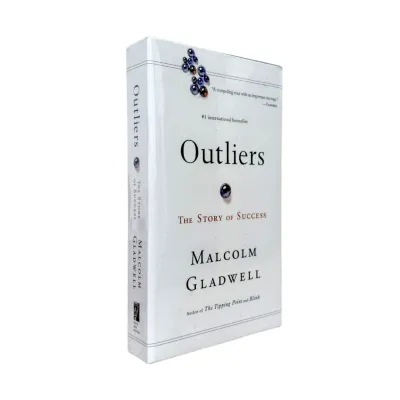
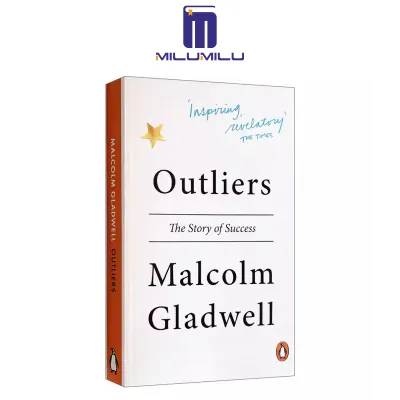

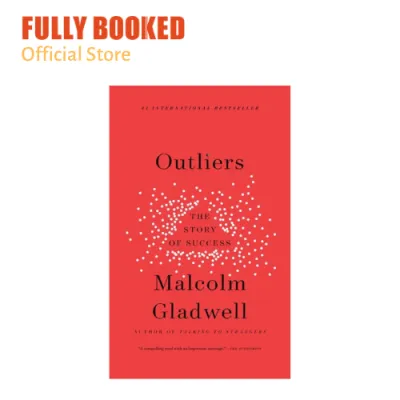
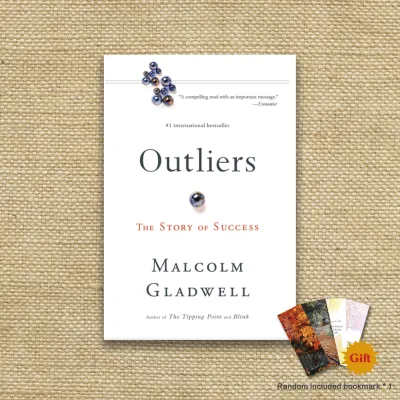


Prices are valid at publication and may change. Please refer to the product page for the latest price.
On the other hand, ‘Atomic Habits’ by James Clear shifts the focus entirely inward, asserting that your outcomes are a lagging measure of your daily habits. Clear argues that relying on willpower or setting ambitious goals is a flawed strategy for long-term improvement. Instead, he advocates for building reliable systems—small, one-percent improvements that compound over time into massive personal and professional transformations. The book introduces the concept of identity-based habits, suggesting that true behavior change starts not with what you want to achieve, but with who you wish to become.
These differing scopes serve distinct professional needs depending on your career stage. Gladwell’s macro-level analysis helps you understand the playing field, teaching you to recognize when a structural shift in your industry presents a rare window of opportunity. Clear’s micro-level system provides the tactical toolkit required to perform at your best once you enter that playing field. If you are trying to decide where to invest your energy, consider whether you need to redesign your daily workflow or completely re-evaluate the industry landscape you operate within.
Practical Applicability for Professionals in the Philippines
Translating these global concepts into the local professional landscape requires an understanding of the unique cultural and structural dynamics in the Philippines. In the local corporate and entrepreneurial sectors, relationships, hierarchy, and cultural legacies heavily influence career progression. Applying the concepts from ‘Outliers’ means recognizing how cultural traits like ‘pakikisama’ (harmonious relationships) or ‘utang na loob’ (debt of gratitude) shape workplace dynamics. By understanding these cultural legacies, you can navigate organizational hierarchies more effectively and position yourself for high-leverage opportunities. Furthermore, Gladwell’s discussion of the ‘10,000-Hour Rule’ highlights the importance of deep, deliberate practice. In competitive local fields such as business process outsourcing, software development, or creative industries, identifying and mastering a highly specialized niche can set you apart from a crowded talent pool.

Meanwhile, the practical strategies in ‘Atomic Habits’ are highly effective for managing the daily friction of working in major Philippine urban centers. For professionals facing grueling multi-hour commutes through Metro Manila traffic or navigating the blurred boundaries of hybrid work setups, maintaining energy and focus is a constant battle. Clear’s concept of ‘habit stacking’—anchoring a new habit to an existing routine—can be applied during these unavoidable pockets of downtime. For example, you might stack the habit of listening to an educational podcast or reading an e-book immediately after boarding your daily shuttle or train.
Additionally, ‘environment design’ is a powerful tool for local remote and hybrid workers. By creating a dedicated, clutter-free workspace at home that is physically separated from your relaxation areas, you can signal to your brain that it is time to focus, mitigating the domestic distractions that often lead to professional burnout.
To help you assess which framework to prioritize right now, consider this quick self-audit checklist:
- Are you struggling to stay focused during your working hours despite having clear career goals? (Focus on 'Atomic Habits')
- Do you feel like you are working hard every day but cannot seem to break through to the next organizational level? (Focus on 'Outliers')
- Is your physical or digital workspace contributing to procrastination and mental fatigue? (Focus on 'Atomic Habits')
- Are you planning to transition to a completely new industry and need to evaluate if the market conditions are in your favor? (Focus on 'Outliers')
Readability and Structural Comparison
The reading experience of each book is shaped by the distinct writing styles of the authors, which may appeal to different learning preferences. Malcolm Gladwell’s ‘Outliers’ is written in a narrative, journalistic style. It reads like a collection of compelling biographies and historical mysteries, using engaging storytelling to gently guide the reader toward his sociological conclusions. If you enjoy immersive case studies, rich historical context, and a conversational tone that feels like a high-quality documentary, Gladwell’s prose will likely captivate you. However, because it is narrative-driven, you will need to do some active reflection to extract direct, step-by-step instructions for your own career.
In contrast, James Clear’s ‘Atomic Habits’ is highly structured, direct, and explicitly designed for immediate application. Clear organizes his chapters around clear frameworks, utilizing bullet points, bold summaries, and visual diagrams to reinforce his points. Each section concludes with practical action steps, making it easy to reference and implement his advice immediately. If you prefer a highly actionable, textbook-style guide that minimizes narrative fluff and prioritizes practical exercises, ‘Atomic Habits’ is the more suitable choice.
Before committing to a purchase, it is highly recommended to sample a few pages or listen to an audio preview on authorized retail platforms. Both books are widely available in multiple formats, including physical paperbacks, digital e-books, and audiobooks. If you spend significant time commuting, the audiobook formats—often narrated by the authors themselves—can turn unproductive travel time into valuable professional development.
Decision Framework: Which Book Should You Read First?
To finalize your decision, evaluate your current professional circumstances against this targeted framework.
You should choose ‘Outliers’ first if you are standing at a career crossroads. If you are contemplating a major industry pivot, trying to understand why certain colleagues seem to advance faster despite similar skill levels, or seeking a broader perspective on how external trends shape success, Gladwell’s insights will expand your strategic vision. It helps you look at the macro environment to identify where the wind is blowing, allowing you to position yourself ahead of major market shifts.
You should choose ‘Atomic Habits’ first if your primary challenge is execution. If you already know what skills you need to develop but struggle to find the time or discipline to practice them, Clear’s system is indispensable. It is the ideal starting point for professionals who want to eliminate procrastination, establish a highly productive morning routine, or build consistent daily writing, coding, or design habits.
For the most comprehensive approach to career growth, reading both books sequentially offers a powerful synergy. You can use ‘Outliers’ to identify the high-leverage macro opportunities and cultural landscapes you want to target, and then deploy ‘Atomic Habits’ to build the daily, disciplined systems required to master those areas.
When you are ready to acquire these titles, ensure you purchase from authorized physical bookstores or verified online marketplaces. Be sure to verify the publisher details, language editions, and format compatibility for your specific e-reader or audio device to guarantee you receive the complete, high-quality text.
Frequently Asked Questions (FAQ)
Are these books available in local bookstores or online platforms?
Yes, both titles are widely distributed. You can check major national bookstore chains in the Philippines or visit authorized online marketplaces to find physical copies. When purchasing digitally or ordering online, always verify that you are buying from an official publisher representative or a reputable seller to avoid counterfeit prints or incomplete editions.
Can I apply the 10,000-hour rule to any career path?
The 10,000-hour rule discussed in ‘Outliers’ should be viewed as a conceptual framework highlighting the importance of deep, deliberate practice rather than a strict mathematical guarantee. In rapidly changing modern industries, the quality of your feedback loops, your adaptability, and your willingness to iterate on your skills often matter more than simply logging raw hours.
Community discussion
Share your experience or ask a question. Comments are reviewed before publication.