
Choosing the right guitar strings is not merely a matter of personal preference or musical taste; it is a fundamental decision dictated by the physical construction of your instrument. While nylon strings offer a warm, mellow tone and a gentler feel under the fingers, steel strings provide bright projection, crisp articulation, and long sustain. Installing the wrong type of string can lead to poor sound quality at best, and catastrophic, irreversible structural damage to your guitar at worst.
Understanding the mechanical differences between these two string materials is essential for every guitarist. Nylon and steel strings exert vastly different levels of tension on a guitar’s neck and bridge. Consequently, guitars are engineered specifically for one type or the other, meaning you must identify your instrument’s design before making a purchase.
The Golden Rule: Check Your Guitar's Compatibility First
Before you buy a new set of strings, you must determine whether your guitar is built for nylon or steel. Classical and flamenco guitars are designed exclusively for nylon strings. These instruments are constructed with lightweight internal bracing and typically lack a truss rod, which is the adjustable metal rod running through the neck of most modern guitars. Because nylon strings exert relatively low tension, classical guitars do not need this heavy internal reinforcement.
Products mentioned in this guide

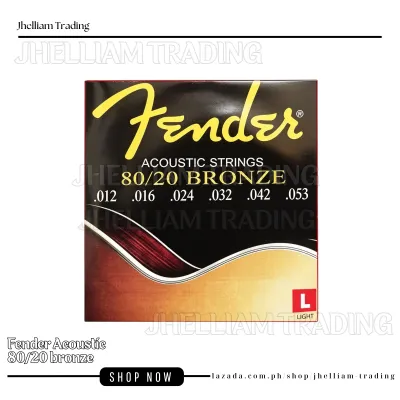


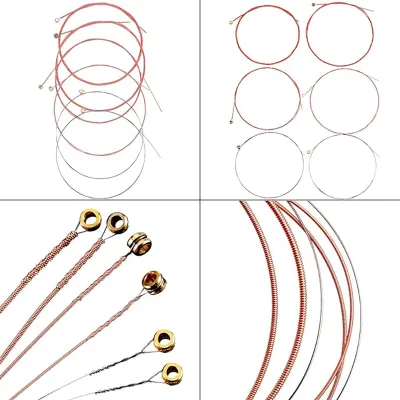
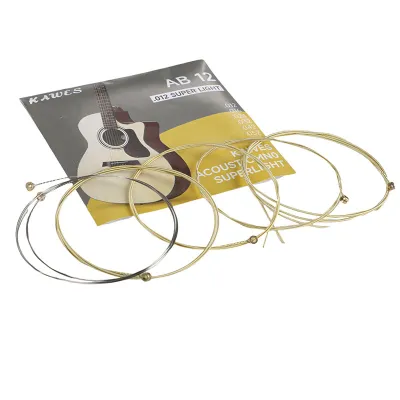


Prices are valid at publication and may change. Please refer to the product page for the latest price.
Furthermore, classical guitars feature a distinct tie-block bridge where the strings are physically tied around the bridge block rather than secured with pins. The headstock of a classical guitar is usually slotted, with thick plastic rollers where the strings wind. If you attempt to install steel strings on a classical guitar, the immense tension—which can be more than double that of nylon—will warp the neck, pull the bridge off the soundboard, or crack the top wood of the instrument.
Conversely, steel-string acoustic and electric guitars are built to withstand high tension. These instruments feature a solid wood or metal-reinforced neck containing an adjustable truss rod to counteract the pulling force of the steel. Their bridges use bridge pins or tailpieces to anchor the ball-end of the strings deep into the body. The headstock typically has solid metal posts rather than plastic rollers. Installing nylon strings on a steel-string guitar will not damage the instrument, but the low tension will fail to vibrate the heavy top wood, resulting in a quiet, muddy, and virtually unplayable sound.
To verify your guitar’s compatibility, inspect the headstock and the bridge. If you see vertical metal tuning posts and bridge pins holding the strings in place, you have a steel-string guitar. If you see horizontal plastic rollers in a slotted headstock and a bridge where strings are tied in knots, you have a classical guitar designed for nylon. If you remain unsure, consult the manufacturer’s specifications or visit a local music store to have a professional inspect the instrument.
Nylon Strings: Tone, Feel, and Playing Styles
Nylon strings are celebrated for their warm, mellow, and deeply rounded tonal characteristics. Unlike the bright chime of steel, nylon produces a softer attack and a focused midrange that allows individual notes to blend smoothly. This acoustic profile makes nylon strings the traditional choice for classical music, flamenco, bossa nova, and intricate fingerstyle arrangements where warmth and separation of voices are prioritized over raw volume.

The physical feel of nylon is another major draw, particularly for players seeking comfort. Nylon strings are thicker in gauge but significantly softer and more pliable than steel. Because they require much less finger pressure to press down against the frets, they cause far less fingertip fatigue and soreness. This makes them highly popular among beginners, younger players, and fingerstyle guitarists who prefer to play without a pick.
However, nylon strings present unique challenges regarding tuning stability and environmental sensitivity. Nylon is a highly elastic material that stretches continuously when first installed, requiring a breaking-in period of several days before it holds pitch reliably. Additionally, nylon is highly sensitive to temperature and humidity fluctuations. In tropical climates, such as in the Philippines, rapid shifts in humidity can cause nylon strings to expand or contract, necessitating frequent tuning adjustments before and during practice sessions.
Steel Strings: Brightness, Projection, and Genres
Steel strings deliver a bright, crisp, and highly resonant sound characterized by strong projection and long sustain. The metallic composition of these strings produces a sharp attack and a wide dynamic range, allowing the guitar to cut through the mix in a band setting. This bright tonal profile is the backbone of modern popular music, making steel strings the standard for rock, pop, folk, country, blues, and bluegrass.
In terms of physical feel, steel strings are thinner but much stiffer than nylon, operating under significantly higher tension. This high tension allows for precise string bending, fast flatpicking, and crisp chord strumming, but it demands greater finger strength. New players using steel strings must go through a breaking-in period to develop calluses on their fingertips, as the thin metal can feel sharp and cause discomfort during long playing sessions.
Maintenance is another critical factor when choosing steel strings. Because they are made of metal alloys like bronze, brass, or nickel-plated steel, they are highly susceptible to corrosion, rust, and tone degradation. Sweat, natural finger oils, and environmental moisture accelerate this oxidation process, especially in hot and humid climates. To prolong the life of steel strings and maintain their bright tone, players must wipe them down with a dry microfiber cloth after every session and replace them more frequently than nylon strings.
Nylon vs. Steel Strings: Quick Comparison Matrix
To help you quickly contrast these two string materials, the following matrix summarizes their core differences across key decision-making dimensions:
| Dimension | Nylon Strings | Steel Strings |
|---|---|---|
| Compatible Guitar Types | Classical, Flamenco | Acoustic (Steel-String), Electric |
| Tonal Profile | Warm, mellow, rounded, soft attack | Bright, crisp, resonant, long sustain |
| Tension and Feel | Low tension, soft, thicker gauge | High tension, stiff, thinner gauge |
| Primary Music Genres | Classical, Flamenco, Bossa Nova, Folk | Rock, Pop, Country, Blues, Bluegrass |
| Maintenance Requirements | High tuning sensitivity to humidity; long stretch-in period | Prone to rust and corrosion; requires regular wiping |
How to Make Your Final Decision
Making your final decision comes down to matching the string material to your specific instrument and your musical goals. You should choose nylon strings if you own a classical or flamenco guitar, as these are the only strings safe for its construction. Nylon is also the ideal choice if you plan to focus on classical repertoire, traditional fingerpicking, or if you require a low-tension string that is gentle on sensitive hands.
You should choose steel strings if you own a standard acoustic or electric guitar designed to handle high tension. Steel is the correct choice if you prefer strumming with a pick, need maximum volume and projection for live performances, or want to play modern genres like rock, pop, and country. Using steel strings on a compatible guitar ensures you get the bright, resonant sound the instrument was engineered to produce.
If you are still unsure about your guitar’s classification, do not guess. Stop and inspect the neck for a truss rod cover on the headstock or an adjustment nut inside the soundhole. If you cannot find these indicators, take your instrument to a qualified luthier or a reputable music store before purchasing any strings. Taking the time to verify compatibility protects your investment and ensures your guitar remains safe to play for years to come.
Frequently Asked Questions (FAQ)
Can I put nylon strings on a steel-string acoustic guitar?
While putting nylon strings on a steel-string guitar will not cause structural damage to the instrument, it is highly impractical. The low tension of nylon strings is insufficient to properly vibrate the thick, heavily braced top wood of a steel-string acoustic, resulting in a very quiet, thin, and muddy sound. Additionally, nylon strings lack the ball-ends required to seat securely under bridge pins, and their thicker gauges may not fit into the narrow slots of a steel-string guitar’s nut.
Can I put steel strings on a classical guitar?
No, you should never put steel strings on a classical guitar. Classical guitars are built with lightweight internal bracing and do not have a steel truss rod inside the neck to reinforce them against high tension. Installing steel strings will exert immense pulling force that can warp or snap the neck, lift the bridge off the soundboard, or permanently cave in the guitar’s top wood. If you have already installed steel strings on a classical guitar, loosen them immediately to relieve the tension and seek professional help from a luthier to assess any damage.
Which string type is better for beginners?
There is no universal winner, as the best string type for a beginner depends entirely on the guitar they own or plan to buy. Nylon strings are physically gentler on uncallused fingertips due to their lower tension and softer material, making the initial learning phase more comfortable. However, if a beginner wants to play rock, pop, or country music, learning on a classical guitar with nylon strings may not provide the desired sound. Beginners should choose their guitar based on the music they love, and then use the correct string type engineered for that specific instrument.

Community discussion
Share your experience or ask a question. Comments are reviewed before publication.