
Finding your next captivating read after finishing a sweeping historical romance like the Pursuit of Jade novel requires looking closely at the specific narrative threads that make such stories unforgettable. Readers who fall in love with this style of fiction are often chasing a very particular blend of high-stakes court politics, deeply resilient protagonists, and slow-burning romantic tension that develops against a backdrop of rigid societal expectations. Whether you prefer the intricate power struggles of imperial courts or the localized drama of colonial-era settings, the key to finding a worthy successor lies in identifying how these elements interact to create emotional resonance.
The search for similar books spans both English and Tagalog historical fiction, offering a rich tapestry of options for readers in the Philippines. From translated Asian imperial court dramas to locally written period romances set during the Spanish colonial era, the market offers diverse formats including physical paperbacks, digital e-books, and audiobooks. By understanding the core tropes that define this subgenre, you can systematically evaluate new titles, verify the quality of translations, and select authorized editions that will keep you turning pages late into the humid tropical night.
Identifying the Core Appeal of Pursuit of Jade
To find a novel that truly satisfies the craving left by the Pursuit of Jade novel, you must first dissect what made the reading experience so compelling. For many, the primary draw is the presence of palace intrigue—a setting where every conversation is a chess match, every gesture carries hidden meaning, and a single misstep can lead to ruin. This environment raises the stakes of the romance, as the main characters must navigate not only their personal feelings but also the dangerous political currents surrounding them. The romance is rarely straightforward; instead, it is forged in the fires of shared secrets, mutual survival, and strategic alliances.
Products mentioned in this guide
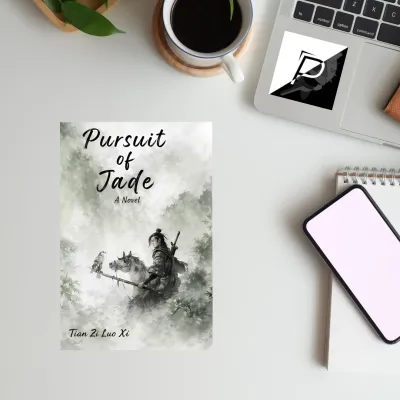
Prices are valid at publication and may change. Please refer to the product page for the latest price.
Another critical pillar is the characterization of the female lead. In these narratives, the heroine is rarely a passive observer of her own fate. Instead, she is a strong, intellectually sharp protagonist who uses her wit, resilience, and understanding of social structures to protect herself and those she loves. This creates a compelling dynamic where the romantic partner must respect her agency and intellect, leading to a partnership of equals rather than a traditional damsel-in-distress dynamic. When searching for your next book, deciding whether you prefer this type of active, strategic heroine over a more traditional romantic lead will significantly narrow down your options.
It is also helpful to distinguish between character-driven emotional arcs and plot-heavy political schemes. Some readers are drawn to the quiet, internal struggles of characters trying to maintain their integrity within a corrupt system, where the romance serves as a safe harbor from the storm. Others crave the adrenaline of complex, multi-layered conspiracies, where the romantic leads are active players on opposite sides of a political divide. Establishing a flexible checklist of your personal must-have tropes—such as forced proximity, enemies-to-lovers, or hidden identities—versus optional background elements like the specific historical dynasty or setting will make your future book hunting much more efficient.
Key Themes and Tropes in Similar Historical Romances
When exploring historical romance, the variations of court politics and societal constraints offer endless narrative possibilities. In Western historical romances, these dynamics often manifest as rigid aristocratic hierarchies, ballroom gossip, and inheritance disputes within Regency or Victorian settings. In contrast, Eastern historical romances and local Tagalog period pieces frequently deal with imperial decrees, clan rivalries, and the strict moral codes of colonial societies. Despite the differences in setting, the underlying appeal remains the same: characters must find a way to claim personal happiness and love within a system designed to restrict their choices.

The portrayal of resilient female leads navigating these patriarchal structures is a cornerstone of the genre. In many Asian-inspired historical novels, the heroine might leverage her knowledge of medicine, poetry, or court etiquette to carve out a position of influence. In Tagalog historical fiction, particularly stories set during the late Spanish colonial period, the female protagonist often navigates the strict religious and social expectations of her era, using her quiet strength, family influence, or involvement in underground movements to assert her independence. Comparing how different authors handle these struggles can help you appreciate the diverse ways strength can be depicted in historical fiction.
Pacing is another crucial element to consider when evaluating potential reads. A successful historical romance must strike a delicate balance between romantic development, historical world-building, and the progression of the central conflict. If the political intrigue moves too quickly, the romance can feel rushed or unearned; if the world-building is too dense, the narrative momentum can stall. The most satisfying novels in this category allow the romance to grow naturally out of the plot, where the shared trials of the characters deepen their bond over time, making the ultimate resolution feel both earned and deeply satisfying.
Sourcing English and Tagalog Historical Romances
Finding high-quality historical romance novels in the Philippines requires knowing where to look and how to verify what you are buying. Local physical bookstores remain a classic option, often stocking a curated selection of international historical fiction alongside dedicated sections for local literature. For a wider selection, particularly of translated works or niche subgenres, digital platforms and authorized online storefronts offer extensive catalogs. When browsing these digital spaces, it is important to use specific search terms beyond generic romance categories, such as historical fantasy, court intrigue, or period romance, to filter out contemporary titles.
Before making a purchase, especially when dealing with translated works, verifying the authorized nature of the edition is paramount. The rise of digital self-publishing and online marketplaces has made it easier for unauthorized, poorly translated, or heavily abridged versions of popular novels to circulate. Always check the publisher details, look for official translator credits, and read sample chapters if available to assess the quality of the prose. A high-quality translation preserves the cultural nuances, honorifics, and poetic tone of the original language, which are essential for maintaining the immersive atmosphere of a historical setting.
Whether you are budgeting for a premium paperback or looking for budget-friendly digital editions, verifying the seller’s credentials ensures your money supports the authorized creators. Format compatibility and regional availability are also critical practical considerations. Many digital platforms use proprietary file formats or apply Digital Rights Management (DRM) that restricts books to specific e-book readers or applications. Before purchasing a digital edition, ensure it is compatible with your preferred device, whether you read on a dedicated e-reader, a tablet, or a smartphone. Additionally, some international publishers restrict digital distribution by region, meaning certain titles may not be immediately available for purchase in the local market. Checking these details beforehand prevents the frustration of buying a book you cannot easily access or read.
Evaluating Your Next Read Before Committing
To ensure your next book choice aligns with your expectations, a systematic evaluation process is highly recommended. Start by thoroughly reviewing the official book description, author notes, and community-contributed tags on book tracking platforms. These elements often provide valuable clues about the story’s pacing, the prominence of specific tropes, and any potential content warnings. For instance, if you prefer a slow-burn romance where the political plot takes center stage, look for tags like intrigue-heavy or slow burn rather than romance-focused or fast-paced.
For translated works, paying close attention to the translator’s reputation and the completeness of the edition can save you from a disappointing reading experience. Some editions may omit entire chapters, poetic descriptions, or cultural footnotes to make the book shorter or more accessible to a general audience. Reading community discussions or reviews specifically focused on the translation quality can help you identify which version of a novel is considered the definitive English or Tagalog translation. This step is particularly important for complex court dramas where subtle word choices can alter the meaning of key political exchanges.
Finally, assess the technical aspects of your digital reading setup. If you are purchasing an e-book, verify if the platform requires a continuous internet connection or if the file can be downloaded for offline reading—a crucial feature for maintaining your reading habit during travel or power interruptions. Be mindful of region-locked platforms that may prevent you from syncing your progress across multiple devices. By taking a few minutes to verify these details, you can protect your investment and ensure a seamless, immersive reading experience from the first page to the last.
Frequently Asked Questions (FAQ)
Are there Tagalog historical romances with palace intrigue?
Yes, the local publishing landscape features historical romances that incorporate elements of intrigue, though the setting typically reflects the history of the Philippines rather than imperial courts. These stories are often set during the Spanish colonial era or the pre-colonial period, focusing on the power struggles between local nobility, colonial authorities, and revolutionary groups. To find these titles, readers can search local publishing catalogs, independent digital platforms, and specialized online book communities using keywords like historical fiction, colonial romance, or period drama. Many local authors successfully blend the high-stakes tension of political survival with deeply emotional romantic arcs that resonate with fans of the genre.
How can I avoid spoilers when researching similar books?
Avoiding spoilers while trying to determine if a book fits your preferences requires a strategic approach to research. Instead of reading detailed plot summaries or character biographies on fan wikis, focus on structured reviews, publisher blurbs, and community-curated trope lists. Many book tracking applications allow users to view a list of prominent tropes—such as arranged marriage or betrayal—without revealing how those elements are resolved in the plot. Additionally, when participating in online book communities, utilize spoiler-free discussion threads or apply keyword filters to hide posts containing specific plot points, ensuring your reading experience remains surprising and engaging.
Community discussion
Share your experience or ask a question. Comments are reviewed before publication.