
For anime enthusiasts in the Philippines, owning a physical copy of Masashi Kishimoto’s legendary series is the ultimate milestone. Whether you want to relive the Chunin Exams or witness the climax of the Fourth Shinobi World War, finding the right naruto dvd release requires navigating multiple editions, regional formats, and physical configurations. With over a decade of broadcast history and hundreds of episodes, the market features everything from massive complete collections to individual season sets.
Making an informed purchase involves more than just finding a listing online. Because physical media is subject to regional playback restrictions and varying audio configurations, you must carefully evaluate what you are buying. This guide breaks down the available physical releases, explains how to ensure compatibility with local players, and helps you select the ideal configuration for your shelf space and budget.
Understanding Available Naruto DVD Releases
To build a satisfying physical media library, you must first understand how the franchise is structured across different home video releases. The animated adaptation of Masashi Kishimoto’s manga is divided into two primary series: the original Naruto and its sequel, Naruto Shippuden. These are treated as distinct entities by licensing companies and home video distributors, meaning they are sold under separate product lines.
Products mentioned in this guide
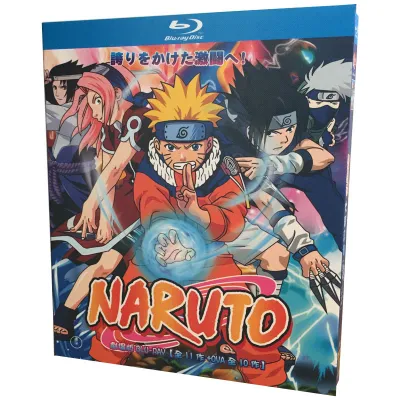
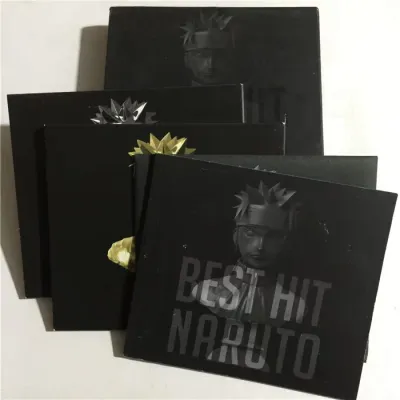
Prices are valid at publication and may change. Please refer to the product page for the latest price.
The original series consists of 220 episodes, capturing the protagonist’s childhood, his early missions with Team 7, and his training journey with Jiraiya. The sequel, Naruto Shippuden, spans 500 episodes and chronicles the high-stakes conflicts against the Akatsuki and the ultimate ninja war. Because of this massive episode count, you will rarely find a single, unified box set containing both series in their entirety. Instead, you will choose between separate complete collections for each series or smaller, segmented releases.
Physical configurations generally fall into two categories: complete series box sets and individual season or volume releases. Complete series sets compile hundreds of episodes into unified packaging, often featuring custom outer boxes, art books, and bonus materials. In contrast, season or volume releases break the series down into smaller chunks, typically containing 12 to 26 episodes per set. While individual volumes are easier to acquire incrementally, they occupy more cumulative shelf space and can lead to visual inconsistency if the spine designs change over time.
While high-definition Blu-ray editions exist for parts of the franchise, the classic naruto dvd format remains highly popular and accessible in the Philippines. Standard DVD sets are generally more affordable, widely distributed, and compatible with a broader range of legacy home theater systems. Furthermore, standard DVD releases of the early episodes preserve the original standard-definition broadcast presentation without artificial upscaling, which some purists prefer.
It is also important to note that theatrical movies and Original Video Animations (OVAs) are almost always excluded from standard television series box sets. If you want to own films like Naruto Shippuden: The Movie or The Last: Naruto the Movie, you must purchase them as standalone individual releases. Keep this in mind when budgeting for a complete franchise collection, as these cinematic additions will require separate purchases.
Region Codes and Playback Compatibility in the Philippines
Before purchasing any physical media, you must verify that the discs are compatible with your playback equipment. The DVD format utilizes a global system of region codes designed to control distribution across different geographic markets. If you purchase an imported box set with a region code that does not match your player, the device will display a playback error and refuse to read the disc.

The Philippines is traditionally designated as Region 3 (Southeast Asia) for standard DVD playback. However, many collectors in the country import their physical media from North America, which uses Region 1, or Europe and Japan, which use Region 2. To avoid compatibility issues, you must check the back of the DVD packaging for a small globe icon containing a number. If the globe contains the number 3 or is labeled “All” (Region Free), the disc will play on standard, locally purchased Philippine DVD players.
In addition to region codes, you must consider the television video standard used by the discs. The global home video market is divided between the NTSC and PAL formats. The Philippines uses the NTSC standard, which is also native to North America and Japan. If you import a PAL-formatted DVD set from the United Kingdom or Australia, your local DVD player and television must be capable of decoding and converting the PAL signal. Fortunately, most modern flat-screen televisions and HDMI-enabled DVD players in the Philippines support multi-system playback, but older analog CRT televisions may display a distorted, black-and-white image when fed a PAL signal.
To guarantee compatibility with imported media, many local collectors invest in a dedicated region-free (or multi-region) DVD player. These players are modified to bypass region code checks entirely, allowing you to play Region 1, Region 2, and Region 3 discs seamlessly on the same machine. Before buying an expensive imported box set, consult your player’s user manual or check the manufacturer’s specifications online to confirm its regional compatibility.
Choosing the Right Naruto DVD Configuration
Selecting the perfect home video release requires balancing your aesthetic preferences, storage conditions, and financial considerations. Because physical media collections are long-term investments, you must evaluate how a specific configuration fits into your daily life and home environment.
Space and Display Requirements The physical footprint of your collection is a major factor, especially when dealing with a series that spans 720 total television episodes. Complete series box sets are notoriously large, heavy, and thick. They demand dedicated, sturdy shelving and can dominate a small room’s display space. On the other hand, individual season sets are much slimmer and allow you to build your library gradually, adjusting your shelf arrangement as your collection grows. Additionally, because the Philippines experiences high relative humidity throughout the year, you must store these large cardboard box sets in well-ventilated, dry areas to prevent mold, warping, and disc rot.
Budget and Financial Planning Acquiring the entire saga requires a clear financial strategy. Purchasing a complete series box set requires a substantial upfront investment, often running into several thousands of pesos. While this option typically offers the best per-episode value, it can be a difficult expense to justify all at once. Buying season-by-season allows you to spread the cost over several months or years, making the hobby much more manageable for budget-conscious fans.
Content and Pacing Preferences Your viewing habits should dictate which portion of the franchise you purchase first. If you are a nostalgic fan who loves the early world-building and character introductions, starting with the original 220-episode series is the logical choice. However, if you have already streamed the early arcs and prefer the mature themes, complex battles, and emotional resolutions of the sequel, you can skip the original run entirely and focus your budget on the Shippuden sets.
Audio Tracks and Subtitle Options Always inspect the technical specifications printed on the back of the packaging to verify the available language options. Official releases intended for English-speaking markets generally feature dual-audio options: the original Japanese voice track with English subtitles, and the English-dubbed version. If you prefer the original voice acting, ensure the subtitles are official and easy to read. If you prefer the English dub, verify that the audio track is present for all episodes in that specific set, as some regional bootlegs or budget releases may omit alternative language tracks to save disc space.
Recommended Naruto DVD Box Sets for Different Collectors
The Ultimate Collector: Complete Series Box Sets
- Best for: Dedicated enthusiasts who want the complete, uninterrupted narrative presented in a premium, uniform showcase.
- Why choose this: Complete series sets offer the most visually striking presentation on a display shelf. They eliminate the hassle of hunting down individual out-of-print seasons and ensure that the entire story is kept together in matching packaging. These premium sets often include exclusive physical bonuses, such as art cards, character guides, and behind-the-scenes booklets, which add significant value for serious collectors.
- Limitations: These massive collections require a high upfront financial commitment, often costing upwards of ₱8,000 to ₱12,000 depending on the specific edition and import fees. They are also heavy and bulky, which can dramatically increase shipping costs when ordering from overseas retailers.
The Budget-Conscious Fan: Season-by-Season Releases
- Best for: Casual viewers and collectors who prefer to build their library gradually without a massive initial expense.
- Why choose this: This approach offers a low barrier to entry, with individual season sets typically priced between ₱1,500 and ₱2,500. It allows you to purchase and watch the series at your own pace, matching your spending to your monthly entertainment budget. Individual season cases are also much easier to handle, store, and transport if you move houses frequently.
- Limitations: Collecting season-by-season can lead to an inconsistent shelf appearance if publishers update their graphic design or packaging styles mid-run. It also takes a long time to complete the entire series, and you run the risk of specific middle seasons going out of print, leaving frustrating gaps in your collection.
The Shippuden Focused Viewer: Sequel-Only Sets
- Best for: Fans who have already consumed the original story digitally and want to own only the action-heavy, mature sequel.
- Why choose this: By focusing exclusively on Naruto Shippuden, you bypass the cost and physical space required for the first 220 episodes of the original series. This allows you to allocate your entire physical media budget toward the high-stakes battles, the Akatsuki arcs, and the emotional climax of the franchise.
- Limitations: Skipping the original series means your physical collection will lack the foundational character arcs, early rivalries, and essential world-building elements. If you ever host a marathon with friends who are new to the franchise, they may struggle to understand the deep emotional weight behind the sequel's conflicts without the context of the original episodes.
Where to Buy Authentic Naruto DVDs in the Philippines
The local market for physical anime media requires careful navigation due to the high prevalence of counterfeit merchandise. Unofficial copies, bootlegs, and low-quality burned discs are common on local e-commerce platforms and in physical flea markets. To protect your investment and support the creators, you must purchase through verified, legitimate channels.
When shopping online, prioritize authorized mall stores, official brand flagship stores, and established local book and media retailers. Trusted international specialty shops that ship directly to the Philippines are also excellent options for sourcing authentic North American or Japanese releases. While these channels may charge higher prices due to import taxes and shipping fees, they guarantee that you receive official, pressed discs with high-quality audio and video.
To spot counterfeit DVDs, look out for several common warning signs:
- Unusually Low Prices: If a listing offers a massive "Complete Series" box set containing hundreds of episodes for less than ₱1,000, it is almost certainly a counterfeit.
- Poor Print Quality: Bootleg covers often feature blurry, pixelated, or low-resolution artwork, misspelled words, or incorrect character names on the back jacket.
- Suspicious Compatibility Claims: Be wary of cheap multi-disc sets that claim to be "All Region" or "Region 0" while using generic, unbranded plastic cases.
- Burned Discs (DVD-R): Authentic commercial DVDs are industrially pressed and feature a silver or light gold reading surface. Counterfeit copies are often burned onto consumer DVD-R media, which typically has a distinct purple, blue, or dark green tint on the reflective side.
Before finalizing your purchase on any online marketplace, read the seller’s ratings and inspect recent customer reviews. Look for reviews that include clear, close-up photos of the physical packaging and the discs themselves to verify their authenticity. Finally, always review the platform’s return policy to ensure you can secure a refund if the item arrives damaged, defective, or turns out to be an unauthorized copy.
Frequently Asked Questions (FAQ)
Do Naruto DVDs released in the Philippines have English dubs?
Yes, most official releases available in the local market include the English-dubbed audio track alongside the original Japanese audio with English subtitles. However, because inventory can come from various global distributors, you must always verify the audio specifications printed on the back cover before purchasing. Some budget or European imports might have different language configurations, so double-checking the product description is essential.
Can I play US-imported Naruto DVDs on a standard Philippine DVD player?
Standard Philippine DVD players are typically locked to Region 3, whereas US imports are encoded for Region 1. If you attempt to play a Region 1 disc on a standard local player, it will fail to load. To play these imports, you will need a region-free DVD player, a computer with region-switching drive software, or a compatible gaming console that supports multi-region media playback.
Are the Naruto movies included in the standard TV series DVD box sets?
No, the theatrical movies and OVA specials are not included in the standard television series season or complete box sets. The films are treated as separate theatrical releases and must be purchased individually. If you want to own the complete animated story, including the films that bridge key narrative gaps, you will need to add those standalone movie discs to your shopping list separately.
Community discussion
Share your experience or ask a question. Comments are reviewed before publication.