
Selecting the right Catholic Bible is a deeply personal decision that shapes your daily prayer life, scripture study, and participation in the liturgy. To choose the best translation, you must balance your personal reading style with how closely you want the text to match what you hear proclaimed from the ambo during Mass. While several excellent translations exist, the three most prominent options for English-speaking Catholics are the New American Bible Revised Edition (NABRE), the Jerusalem Bible, and the Douay-Rheims Bible.
Each of these translations serves a distinct purpose, ranging from rigorous academic study to poetic devotional reading and traditional liturgical prayer. By understanding their translation philosophies, historical backgrounds, and physical formats, you can select an edition that truly enriches your spiritual journey.
Understanding the Core Catholic Bible Translations
To navigate the world of Catholic Bibles, it is helpful to understand the three major translations that have shaped modern Catholic devotions. The New American Bible (specifically its current iteration, the New American Bible Revised Edition or NABRE) is the standard translation for the Catholic liturgy in several regions. The Jerusalem Bible, first published in the mid-20th century, is celebrated worldwide for its literary beauty and narrative flow. The Douay-Rheims Bible, dating back to the late 16th century, remains the classic benchmark for traditional English-speaking Catholics.
Products mentioned in this guide
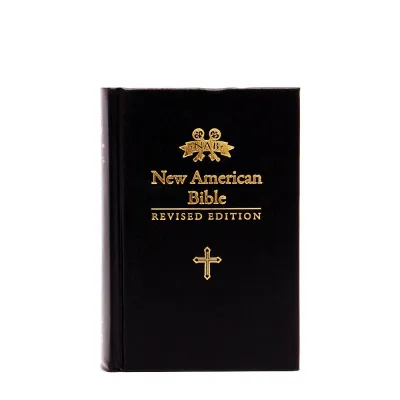
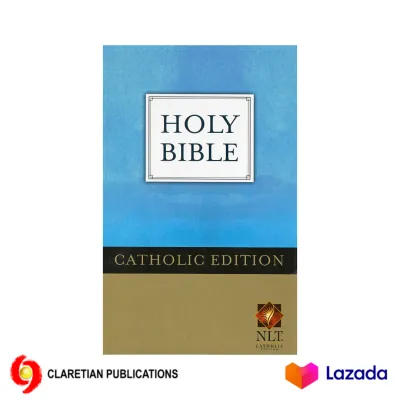
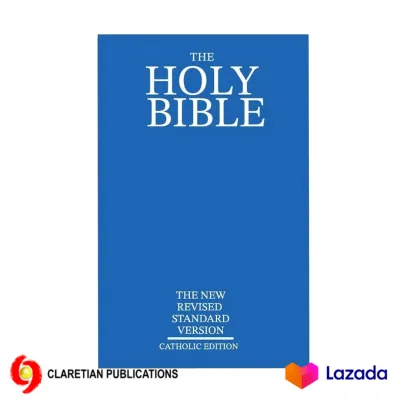


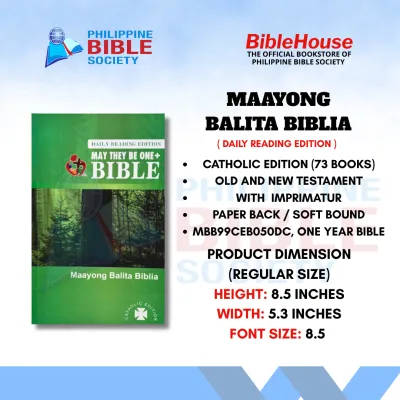
Prices are valid at publication and may change. Please refer to the product page for the latest price.
These translations differ primarily because of their translation philosophies. Formal equivalence, often called word-for-word translation, attempts to preserve the original grammatical structure and vocabulary of the source texts as closely as possible. Dynamic equivalence, or thought-for-thought translation, prioritizes the meaning and readability of the passage, translating ancient idioms into modern equivalents. Optimal equivalence strikes a balance, remaining literal where possible but shifting to dynamic phrasing when a word-for-word rendering would obscure the original meaning.
When purchasing any Catholic Bible, always verify the presence of an imprimatur and a nihil obstat in the front matter. These Latin terms indicate that a Catholic bishop and an official censor have reviewed the text and found it free from doctrinal or moral error. These declarations also guarantee that the Bible contains the complete Catholic canon, which includes the seven Deuterocanonical books of the Old Testament.
Comparing Readability and Translation Philosophy
The Douay-Rheims Bible is highly valued for its traditional, formal language and deep historical significance. Translated from the Latin Vulgate, it uses Elizabethan English, employing pronouns like “thee” and “thou” and classic verb endings. While this elevated language provides a profound sense of solemnity and majesty, it can present a steep learning curve for modern readers who are not accustomed to early modern English syntax.

In contrast, the Jerusalem Bible is widely praised for its exceptional literary quality and dynamic phrasing. The translators prioritized a flowing, narrative style that makes the scriptures highly accessible and engaging for daily reading. Notably, the famous author J.R.R. Tolkien served as a translator and lexicographer for this project, contributing to the poetic cadence of books like Jonah. It reads more like a literary masterpiece, making it an excellent choice for long-form devotional reading and meditation.
The NABRE offers a balanced approach, combining scholarly rigor with modern readability. It is a highly literal translation that benefits from decades of modern biblical archaeology and textual criticism. What sets the NABRE apart is its extensive library of scholarly footnotes and introductions for each book. These notes explain historical contexts, translation difficulties, and cultural nuances, making it an indispensable tool for deep textual analysis and academic study.
Matching the translation philosophy to your preferred study style is key to maintaining a consistent reading habit. If you enjoy parsing the precise grammatical structure of a verse, a formal equivalence translation like the Douay-Rheims or a modern equivalent is ideal. If you prefer to lose yourself in the narrative flow of scripture during your morning prayer, the dynamic, literary style of the Jerusalem Bible is highly recommended.
Liturgical Alignment and Mass Follow-Along
If your primary goal is to use your Bible to prepare for or follow along with the Sunday liturgy, you must consider regional liturgical variations. The Catholic Church does not use a single, universal Bible translation for the Liturgy of the Word. Instead, national conferences of bishops approve specific lectionaries for their respective territories, meaning the readings you hear at Mass can vary depending on where you live.
Before purchasing a Bible solely for Mass follow-along, it is wise to check the specific missal or lectionary used in your local parish. In the United States, the NABRE is the official translation used for the Liturgy of the Word, meaning a standard NABRE Bible will match the parish readings almost word-for-word. However, in other parts of the world, including the Philippines, the liturgical lectionaries are often based on the Jerusalem Bible, the New Revised Standard Version (NRSV), or the English Standard Version Catholic Edition (ESV-CE).
Because of these regional differences, a single Bible translation may not perfectly match the exact wording read by the lector at your local parish. If you find these minor textual discrepancies distracting during Mass, you might prefer to use a dedicated Catholic daily or weekly missal. These publications are specifically designed to compile the exact liturgical texts used in your region, allowing you to keep your study Bible at home for deeper personal reflection.
Physical Formats and Study Features to Consider
Once you have selected a translation, the physical format of the Bible will dictate how easily you can integrate it into your daily routine. Standard text editions are lightweight and highly portable, making them easy to carry to parish meetings, holy hours, or adoration chapels. Study Bibles are much thicker and heavier, packed with historical introductions, cross-references, and theological commentary that are best suited for a dedicated desk or home altar.
In tropical climates characterized by high humidity, physical durability is a critical factor to consider. High humidity can cause thin Bible paper, often referred to as “onion skin” or “India paper,” to cockle, curl, or stick together over time. When shopping, look for editions with slightly thicker paper and robust bindings. While genuine leather or high-quality synthetic leather (often marketed as “Leathersoft” or “TruTone”) resists humidity well, budget-friendly paperback editions may warp quickly in non-air-conditioned environments.
Consider the layout and typography of the edition you are viewing. A readable font size, typically 9-point or higher, prevents eye strain during early morning or late-night reading sessions. Helpful study aids, such as maps of the ancient Near East, topical indexes, and cross-references, enrich your understanding without requiring you to consult external commentaries. Journaling Bibles, which feature wide, lined margins, are also excellent if you prefer to write personal reflections and prayers directly next to the scripture.
Prices for Catholic Bibles vary widely based on these physical features and materials. A simple paperback or utility edition might cost a few hundred pesos, while a premium, edge-lined leather study Bible can range from ₱2,000 to ₱5,000 or more. Setting a clear budget in ₱ before browsing local religious bookstores or online marketplaces will help you narrow down your options to the most practical choice for your lifestyle.
How to Choose the Right Translation for Your Needs
To make your final decision, evaluate your primary spiritual goals and reading habits using a simple, conditional framework. Your choice should align with how you intend to interact with the sacred text on a daily basis.
Choose the NABRE if you prioritize scholarly footnotes, modern academic consensus, and alignment with North American liturgical media. Its extensive footnotes act as a built-in commentary, explaining cultural contexts, translation difficulties, and historical backgrounds. This makes it the premier choice for Catholics who want to understand the historical and theological development of the biblical text.
Choose the Jerusalem Bible if you prefer a literary, flowing narrative style that is highly accessible for daily devotional reading. Its poetic cadence makes the narrative portions of the Old and New Testaments read like a beautifully crafted story, keeping you engaged during daily devotional times and lectio divina.
Choose the Douay-Rheims if you value traditional, formal phrasing and historical continuity with older English Catholic texts. Its close relationship to the Latin Vulgate provides a direct link to centuries of Catholic theological and liturgical history, making it a favorite for those who appreciate classical English devotions.
Before making a final purchase, verify if your local parish uses a specific translation for the lectionary, or if you require a specific study Bible format for your reading plan. If you are still undecided, visiting a local Catholic bookstore to read a few passages from each translation side-by-side can help you determine which voice speaks most clearly to your heart.
Frequently Asked Questions (FAQ)
Do I need a specific imprimatur for a Catholic Bible?
Yes, verifying the presence of an imprimatur and a nihil obstat is highly recommended when purchasing a Bible for Catholic devotional use. These declarations are typically found on the copyright page in the front matter of the book. They indicate that the translation has been officially reviewed by Catholic authorities and found to be free from doctrinal or moral errors, ensuring that the text is safe and reliable for study and prayer.
Are the Apocrypha included in these translations?
Yes, all officially approved Catholic Bible translations include the seven Deuterocanonical books (Tobit, Judith, Wisdom, Sirach, Baruch, and 1 and 2 Maccabees, along with additions to Esther and Daniel). In Protestant traditions, these books are often referred to as the Apocrypha and are either omitted or placed in a separate section. When shopping, ensure you are buying a specifically Catholic edition of the translation to guarantee these books are integrated into the Old Testament canon.
Community discussion
Share your experience or ask a question. Comments are reviewed before publication.