
To elevate the sound and playability of a 23-inch concert ukulele, you do not need a collection of expensive gadgets. Instead, focusing on a few high-impact accessories—specifically premium synthetic strings, a reliable clip-on tuner, a supportive strap, and a well-fitted capo—will yield the most noticeable improvements. These tools directly address the physical limitations of the instrument, such as its small body size and short scale length, making it easier to hold, tune, and play. By selecting accessories tailored to the concert scale, you can unlock a warmer, more resonant tone while preventing hand fatigue during extended practice sessions.
How to Evaluate Ukulele Accessories for Your Concert Model
When upgrading your 23-inch concert ukulele, it is easy to get distracted by colorful straps, decorative decals, or novelty picks. To make a meaningful difference in how your instrument sounds and feels, you must prioritize functional upgrades over purely aesthetic additions. Focus first on components that interact directly with the strings and your hands. A high-quality set of strings or a precise tuner will do far more for your daily playing experience than a decorative soundhole cover.
Size compatibility is the most critical factor when shopping for accessories. While some items are labeled as universal, a concert ukulele has a specific scale length of approximately 15 inches and an overall body length of 23 inches. This means that accessories designed for soprano or tenor models, such as hard cases or form-fitting gig bags, will not fit your instrument. Similarly, the fretboard width and neck profile of a concert model require capos that exert the correct amount of tension without bending the strings out of tune or damaging the delicate wood.
Products mentioned in this guide
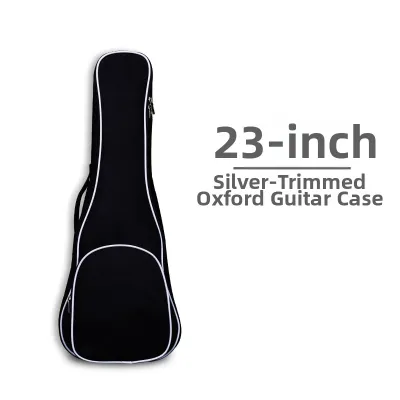
2 Lazada user ratings
🔨Durability:call
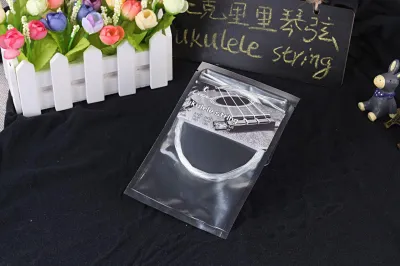
36 Lazada user ratings
This product is so legit, and it has free pic... The delivery took 2 weeks tho but its worth to wait... The quality is great but sadly its t…Read full reviewShow less
This product is so legit, and it has free pic... The delivery took 2 weeks tho but its worth to wait... The quality is great but sadly its transparent and not white but it doesnt matter, it still sounds great... Thank you seller, highly reccomended for ukelele users...
Affordable price for a set, Easy to install and use, Satisfied with my purchase, Improved my ukulele's sound,
Maganda Quality and may libre pa picks nice good seller
Sobrang nipis and Hindi rin siya white, clear nylon.
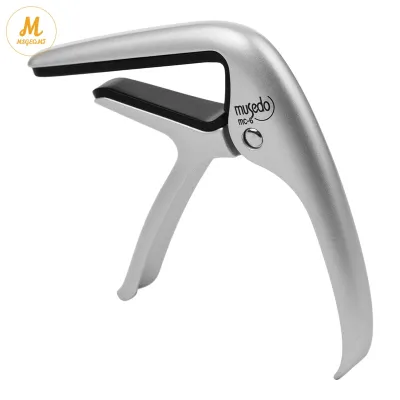
63 Lazada user ratings
Order received. Placed it just minutes past 12AM, and it got delivered around 6PM today. Talk about express delivery, this was super sonic f…Read full reviewShow less
Order received. Placed it just minutes past 12AM, and it got delivered around 6PM today. Talk about express delivery, this was super sonic fast. And that is COOL! 👍😎 And to top that the capo is of most excellent quality. Thank you much seller. Take a bow, because you rock!!! Thank you, too, Lazada, and the delivery guy.
This is the 4th time I purchased this item. I loved it. easy to transfer to other fret and the quality is good.
Securely holds strings in place, a must-have accessory for guitarists, Sleek and stylish design,
the product is good
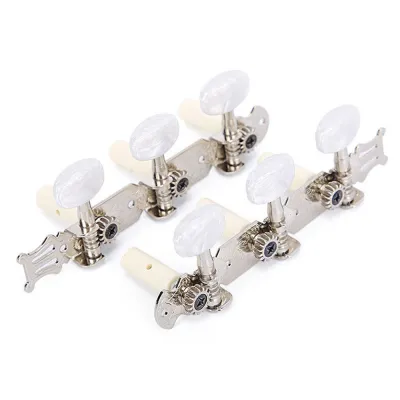
133 Lazada user ratings
It's perfect for my guitar. thanks
Durable and reliable tuners,
Great value for the price,
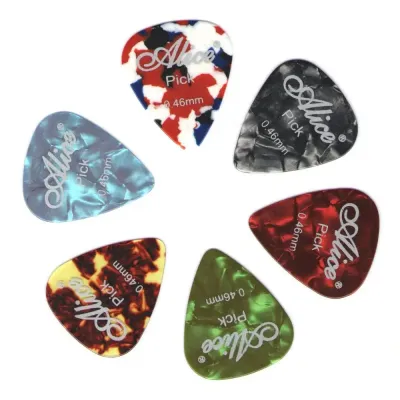
35 Lazada user ratings
Never gonna give you up Never gonna let you down Never gonna run around and desert you Never gonna make you cry Never gonna say goodbye Neve…Read full reviewShow less
Never gonna give you up Never gonna let you down Never gonna run around and desert you Never gonna make you cry Never gonna say goodbye Never gonna tell a lie and hurt you
High-quality cellulose material, accurate thickness measurement, suitable for both beginners and experts.
Quality:okay Price:good
maganda lahat
good quality
Prices are valid at publication and may change. Please refer to the product page for the latest price.
A smart budgeting strategy involves allocating your funds toward high-wear items and protective gear before purchasing secondary tools. Your strings are the primary source of sound production, and a protective case is your instrument’s only defense against physical damage and environmental changes. Investing in a premium set of fluorocarbon strings and a sturdy padded gig bag should take precedence over buying multiple capos or specialized cleaning kits. Once these essentials are secured, you can gradually expand your collection with secondary tools that match your evolving playing style.
Essential Accessories to Enhance Tone and Sound Projection
The acoustic voice of a concert ukulele is highly sensitive to any changes in its physical setup. Because the instrument has a relatively small soundboard and body cavity, even minor adjustments to the strings or the way you strike them can dramatically alter the volume, clarity, and warmth of your music. Understanding how different materials and tools interact with the wood of your ukulele is key to shaping your desired sound.

Upgrading to Premium Strings
The strings you choose are the single most influential factor in determining your ukulele’s tone. Standard nylon strings, which often come pre-installed on entry-level models, tend to produce a soft, warm, but sometimes muddy sound with limited projection. Upgrading to fluorocarbon strings is one of the most effective ways to brighten your tone and increase sustain. Fluorocarbon is a denser material than nylon, allowing for thinner strings that hold tension better, resist temperature fluctuations, and deliver a crisp, clear acoustic response that helps your concert ukulele cut through in group settings.
For players who prefer a deeper, more traditional acoustic warmth, specialized nylon blends or titanium-infused strings offer an excellent middle ground. If you want to expand the lower register of your concert ukulele, you might consider a low-G string set, which often features a wound metal string for the lowest pitch. However, before purchasing any string set, you must verify the required string length and check your instrument’s bridge design. Tie-bar bridges require traditional knotting, while pin-through or slot-style bridges require ball-end strings or specific knotting techniques to secure the string properly.
When installing new synthetic strings, keep in mind that they require a distinct break-in period before they will hold their pitch. Synthetic materials like fluorocarbon and nylon are highly elastic and will stretch continuously for the first few days of play. To accelerate this process, gently stretch each string along its length after tuning, then retune the instrument. Expect to retune your ukulele frequently during the first week of installation; once the material stabilizes, you will enjoy consistent tuning stability and a fully developed tonal profile.
Selecting Picks and Fingerstyle Tools
How you strike the strings plays a massive role in the volume and attack of your concert ukulele. While many traditionalists prefer playing with the flesh of their fingers, using a pick can provide a completely different tonal palette. However, standard plastic guitar picks are far too rigid for the delicate nylon or fluorocarbon strings of a ukulele. Using a hard plastic pick can produce a harsh, clicking sound and will quickly wear down your strings, while also risking permanent scratches on your instrument’s soft wood soundboard.
To avoid damage while still achieving a clear attack, look for picks made from felt or leather. Felt picks, typically made from compressed wool or synthetic fibers, offer a mellow, warm attack that closely mimics the sound of thumb-strumming while providing extra volume and control. Leather picks provide a slightly brighter, punchier response with a unique organic texture. These materials are soft enough to protect both your strings and the finish of your soundboard, making them ideal for acoustic strumming.
If you are transitioning from guitar or want to explore intricate fingerstyle arrangements, fingerpicks and thumb picks can be highly beneficial. These tools attach directly to your fingertips, allowing you to pluck individual strings with high precision and volume. When selecting fingerpicks for a concert ukulele, choose lightweight plastic or thin metal options that can be adjusted to fit your fingers securely. This setup allows you to maintain a light touch while executing complex patterns without dampening the natural resonance of the instrument.
Gear for Improved Playability and Physical Comfort
While tone is essential, physical comfort is what keeps you practicing and performing without pain. A concert ukulele is larger than a soprano, offering more fretboard space, but it can still be awkward to hold securely while executing complex chord shapes or moving up the neck. Utilizing the right support and positioning tools allows you to focus entirely on your fretting and strumming technique.
Straps and Holding Solutions
Many players struggle to keep their ukulele stable, often squeezing the instrument against their ribs with their strumming arm. This constant squeezing not only causes muscle fatigue but also dampens the vibration of the back and sides of the instrument, reducing its natural volume. A high-quality strap solves this issue by supporting the weight of the ukulele, freeing up both of your hands to move effortlessly across the fretboard and execute smooth chord transitions.
When choosing a strap, you must decide between a full shoulder strap and a non-invasive harness. A full shoulder strap requires installing metal strap buttons on the heel of the neck and the bottom of the body. While this provides the most secure and stable support, it requires drilling into your instrument, which some players prefer to avoid. If you do not want to modify your ukulele, a neck strap or soundhole hook harness is an excellent alternative. These harnesses loop around your neck and hook onto the bottom edge of the soundhole, supporting the instrument without any permanent hardware.
Regardless of the style you choose, pay close attention to the strap’s material, width, and padding. A wider strap made from soft cotton, woven fabric, or lightweight leather will distribute the weight of the instrument evenly across your shoulder, preventing chafing during long playing sessions. Additionally, ensure that any metal or plastic adjustment buckles are positioned away from the body of the ukulele, or are covered in protective fabric, to prevent them from scratching the delicate finish of your instrument.
Capos and Tuning Aids
A capo is an indispensable tool for any ukulele player, allowing you to quickly change the pitch of your open strings to match your vocal range or play in different keys using familiar chord shapes. However, because a concert ukulele has a narrow neck and a flat fretboard radius, using a standard guitar capo is highly discouraged. Guitar capos are designed for wider, curved fretboards and exert far too much spring tension, which can bend your ukulele strings out of tune, cause fret buzz, or even dent the soft wood on the back of the neck.
Instead, look for a capo specifically designed for the ukulele. These models feature a shorter clamping bar and a lighter spring tension tailored to the delicate construction of the instrument. Quick-release trigger capos are highly popular for their ease of use, allowing you to move the capo between frets with one hand during a performance. For the most precise tension control, screw-adjustable capos allow you to dial in the exact amount of pressure needed to clear up any fret buzz without pulling the strings sharp.
To ensure your instrument remains perfectly in tune, especially after applying a capo, a reliable tuner is essential. Clip-on chromatic tuners are the industry standard for acoustic players, as they detect the vibrations of the wood rather than the sound in the air. This makes them highly accurate even in noisy environments, such as a crowded room or a lively outdoor gathering. While smartphone tuning apps are convenient for quiet home practice, they can struggle to register pitches in noisy settings, making a dedicated clip-on tuner a much more reliable tool for consistent performance.
Protection and Maintenance for Consistent Performance
Maintaining your concert ukulele’s physical health is crucial for preserving its tone and playability over time. Wood is an organic, reactive material that responds constantly to changes in its environment. Without proper protection and regular maintenance, your instrument can suffer from warped necks, cracking wood, lifting bridges, and dull-sounding strings.
The first line of defense for your ukulele is a high-quality case. While a simple, unpadded soft cover protects against dust, it offers virtually no protection against impacts or environmental changes. For daily transport and storage, a padded gig bag with at least 10mm of high-density foam padding is the minimum recommended standard. If you travel frequently, perform live, or live in an area with extreme weather, investing in a hardshell case with a plush interior and a rigid wooden or plastic exterior is highly recommended to safeguard your instrument from heavy impacts.
Environmental control is particularly critical in tropical climates like the Philippines, where humidity levels can fluctuate dramatically. Moving your ukulele between hot, humid outdoor air and dry, air-conditioned indoor rooms can cause the wood to expand and contract rapidly, leading to structural damage. To prevent this, store your ukulele inside its case when not in use, and utilize specialized humidity control packets. These two-way humidification systems automatically absorb excess moisture in high humidity and release moisture in dry conditions, keeping the relative humidity inside your case at a stable, safe level.
Regular cleaning is another simple yet highly effective way to maintain your instrument’s performance. After every playing session, use a clean, dry microfiber cloth to wipe down the strings, fretboard, and body of your ukulele. This removes sweat, skin oils, and dust that can corrode the frets and deaden the sound of your strings. Avoid using harsh household chemical cleaners, especially on open-pore or matte finishes, as they can strip away the protective coating of the wood. Instead, use specialized, solvent-free instrument cleaners designed specifically for satin or gloss finishes.
Pre-Purchase Checklist for Ukulele Accessories
Before you finalize your purchase of any new ukulele accessories, taking a few moments to verify compatibility will save you time, money, and frustration. Because the music market is filled with accessories designed for various stringed instruments, double-checking the specifications of each item is essential to ensure a perfect fit for your 23-inch concert model.
First, confirm that any case, gig bag, or capo you are purchasing is explicitly labeled for a “concert” size ukulele. Soprano cases will be too short, while tenor cases will allow your instrument to slide around inside, risking damage during transport. Second, examine your ukulele’s bridge design to ensure you buy the correct type of strings; if your bridge requires tie-on strings, buying a ball-end set will require you to cut off the ends or modify your installation process.
Additionally, always review the return and exchange policies of your chosen online music store or local retailer. If you accidentally order a tenor-sized accessory or find that a capo does not fit your neck profile, a flexible return policy will make the exchange process hassle-free. Finally, for any electronic accessories like clip-on tuners, verify whether they include the necessary batteries (such as a CR2032 coin cell) or a USB charging cable so you can begin using them immediately without an extra trip to the store.
Frequently Asked Questions (FAQ)
Do I need a specific capo for a concert ukulele?
Yes, using a capo designed specifically for the ukulele is highly recommended. Standard guitar capos are built for wider, thicker necks and curved fretboards, and they exert far too much spring tension. Applying a guitar capo to a concert ukulele can easily bend the strings out of tune, cause severe fret buzz, and potentially dent or scratch the delicate wood on the back of the neck. A dedicated ukulele capo features a shorter bar and calibrated tension that ensures clean, buzz-free notes without damaging your instrument.
How often should I change my ukulele strings?
For casual players, changing your strings every six to twelve months is generally sufficient to maintain a bright, clear tone. However, you should replace them sooner if you notice physical signs of wear, such as discoloration, fraying, or deep grooves worn into the underside of the strings over the frets. If your ukulele begins to sound dull, loses its sustain, or struggles to stay in tune even after being properly stretched, these are clear indicators that the synthetic material has lost its elasticity and a new set is required.
Can I use guitar accessories on my concert ukulele?
While some accessories like clip-on chromatic tuners are universal and work perfectly on both instruments, most guitar-specific gear is incompatible with a concert ukulele. Guitar straps are often too wide and heavy, guitar picks are too rigid and can damage the nylon strings and soundboard, and guitar capos exert excessive tension. To protect your instrument and ensure the best playability, always choose accessories that are specifically scaled and designed for the unique dimensions and lighter tension of a ukulele.

Community discussion
Share your experience or ask a question. Comments are reviewed before publication.