
Studying basic legal and judicial ethics for the bar exam requires a deep understanding of professional responsibility, systemic integrity, and codal standards. While traditional desk study remains the cornerstone of bar preparation, incorporating audiobooks into your daily routine can transform otherwise unproductive hours into high-yield review sessions. Navigating long commutes, waiting in lines, or completing household chores can become valuable opportunities to reinforce critical ethical concepts.
However, simply playing an audio track in the background rarely leads to the deep retention required to pass a rigorous licensure examination. Passive listening often creates a false sense of security, where familiarity with a narrator’s voice is mistaken for actual comprehension. To turn audiobooks into an effective study tool, you must approach them with a deliberate, active strategy that bridges the gap between hearing a rule and applying it under exam conditions.
Preparing Your Audiobook Setup for Legal Ethics Review
Before diving into your audio library, you must verify that your selected materials are accurate, updated, and compatible with your study routine. The landscape of basic legal and judicial ethics is dynamic, with codes of conduct and professional responsibility undergoing periodic revisions. Relying on outdated audio recordings can lead to memorizing obsolete rules, which is highly detrimental to your exam performance. Always cross-check the publication date and edition of the audiobook against the official bar syllabus to ensure it reflects current jurisprudence and updated ethical codes.
Products mentioned in this guide

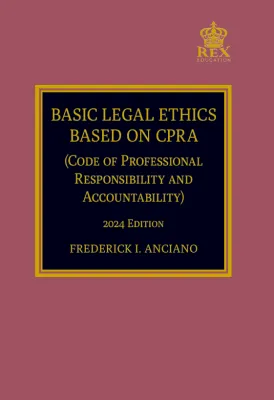

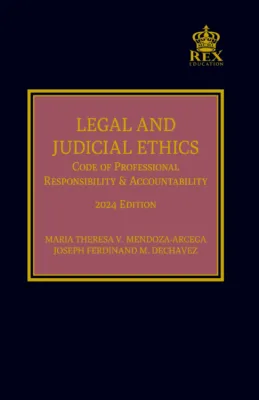
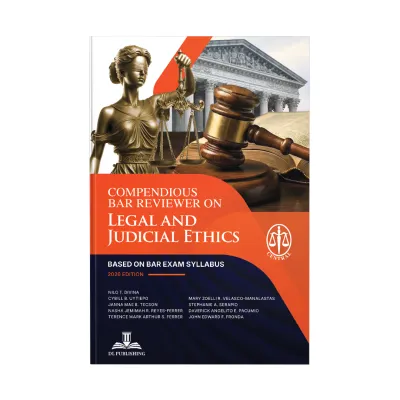


Prices are valid at publication and may change. Please refer to the product page for the latest price.
Technical compatibility and audio quality are equally critical when selecting your study tools. Verify that the audiobook files are in a format compatible with your preferred mobile devices and media players, allowing for seamless offline playback. This is particularly important when commuting through areas with spotty mobile data coverage, where streaming interruptions can disrupt your concentration. Take time to listen to sample clips to evaluate the narrator’s pacing, clarity, and tone, ensuring the voice is engaging enough to sustain your attention during long listening sessions.
Organizing your audio files systematically will prevent wasted time and decision fatigue during your study blocks. Divide your downloaded chapters or tracks into specific playlists categorized by ethics topics, such as duties to the court, client confidentiality, conflict of interest, and judicial independence. This structured setup allows you to quickly select a highly relevant topic that matches the duration of a short commute or a quick chore. In tropical climates where sudden downpours or high humidity can threaten electronic devices, ensure you use water-resistant earbuds and keep your playback device securely protected in a waterproof pouch.
Active Listening Strategies for Commuting and Multitasking
To maximize cognitive retention while multitasking, you must actively engage with the audio content rather than letting it play as mere background noise. One of the most effective ways to maintain focus is by adjusting the playback speed to match the complexity of the material. For dense, highly technical codal provisions or complex ethical canons, slow the playback speed down to 1.0x or even 0.8x to allow your brain time to process each element. Conversely, when the narrator is discussing familiar case backgrounds or narrative histories, you can increase the speed to 1.2x or 1.5x to maintain momentum without losing the core context.

Implementing the “pause and paraphrase” technique is another powerful method to prevent passive drifting during your commute. After the narrator explains a specific ethical rule or presents a hypothetical dilemma, pause the audio and mentally summarize the concept in your own words. If you are walking or in a private space, speaking these summaries aloud can significantly boost your memory retention. If you find yourself unable to explain the rule clearly, rewind the track immediately to identify the missing details before moving forward.
It is crucial to pair your audiobook listening strictly with low-cognitive physical tasks to avoid cognitive overload. Activities such as folding laundry, washing dishes, or walking along a familiar, safe path require minimal mental effort, leaving your cognitive resources free to analyze complex legal concepts. Avoid listening to dense ethical arguments while navigating chaotic traffic, driving, or performing tasks that demand active decision-making. If your attention is split between a complex road situation and a judicial ethics lecture, you will likely fail to retain the legal concepts while compromising your safety.
Integrating Audiobooks with Your Written Bar Review Materials
Audiobooks should never exist in a vacuum; they must be strategically integrated with your primary written review materials to build a cohesive study framework. Use your audio sessions to establish a conceptual foundation and understand the narrative background of landmark cases. Once you have grasped the general principles through listening, transition to your physical codals, syllabus outlines, and written reviewers to memorize the exact phrasing and legal elements. The bar exam demands precise textual application, and seeing the written words on a page reinforces the auditory concepts you absorbed on the go.
To maintain consistency, align your audio listening schedule directly with your written study calendar. If you plan to study judicial ethics at your desk on a Tuesday, spend the preceding Monday’s commute listening to the corresponding audio chapters. This pre-exposure primes your brain for the dense text, making your desk study sessions faster and more productive. Conversely, listening to an audio chapter immediately after a heavy reading session acts as an excellent review mechanism to solidify the information.
Leverage your mobile device to create a personalized feedback loop by recording brief voice memos immediately after an audio session. When you finish a chapter on client-lawyer relationships, open a recording app and dictate a two-minute summary of the key takeaways, exceptions, and personal insights. These self-generated voice notes serve as highly customized, active review tools that you can listen to later, further reinforcing your understanding of basic legal and judicial ethics. This practice bridges the gap between passive consumption and active, verbalized recall.
Tracking Retention and Adjusting Your Audio Study Plan
Evaluating the effectiveness of your audio study routine is essential to ensure you are meeting the analytical demands of the bar exam. To test your actual retention, attempt written practice questions, multiple-choice quizzes, or essay prompts immediately after completing an audio session. This immediate application reveals whether you have truly internalized the ethical rules or if you have merely memorized the rhythm of the narrator’s voice. If you struggle to apply the rules to hypothetical exam scenarios, it indicates that your listening sessions require more active engagement or a slower pace.
Use these practice test results to identify weak areas and adjust your study plan accordingly. If you consistently miss questions on specific topics, such as the boundaries of attorney advertising or judicial disqualification, temporarily remove those subjects from your audio rotation. Reassign these challenging topics to dedicated, distraction-free desk-study time where you can analyze the written texts, highlight key elements, and consult commentaries. Audiobooks are excellent for reinforcement, but highly complex or confusing rules often require the visual focus of traditional reading.
Be mindful of mental fatigue and recognize when multitasking yields diminishing returns. Studying for the bar exam is a marathon, and forcing yourself to listen to dense legal ethics lectures when you are exhausted can lead to burnout. If you find your mind wandering repeatedly during a commute, switch to a lighter audio format or take a complete break to rest your mind. Adjusting your listening schedule to match your daily energy levels ensures that every minute you spend listening to basic legal and judicial ethics is genuinely productive.
Frequently Asked Questions (FAQ)
Can I rely solely on audiobooks to pass the legal ethics portion of the bar exam?
No, audiobooks should not be your sole study resource for the legal ethics portion of the bar exam. While audio tools are exceptional for building conceptual familiarity, reinforcing key principles, and utilizing transit time, they cannot replace the rigorous textual analysis required for the exam. Mastering basic legal and judicial ethics demands memorizing exact codal phrasing, understanding precise statutory elements, and practicing written essay application. You must combine your audio listening with dedicated desk study, reading physical codals, and writing out practice answers to develop the analytical skills necessary to pass.
What should I do if the audiobook narrator mispronounces legal terms or case names?
If you encounter mispronunciations or unfamiliar terms in an audiobook, always cross-check them immediately with your written reviewers or official codals. Mispronunciations can create confusion and lead to incorrect mental associations during the exam. To avoid this, you can use the text-to-speech features on verified digital PDF readers with your official study materials, allowing you to control the vocabulary and pronunciation. Relying on verified written texts as your ultimate source of truth ensures that your technical vocabulary remains accurate and aligned with the expectations of the bar examiners.
Community discussion
Share your experience or ask a question. Comments are reviewed before publication.