
Walking into a local bookstore in Manila or browsing an online marketplace often leaves comic enthusiasts confused by the distinct terms manga, manhwa, and manhua, especially when trying to figure out what they are actually buying. While all three are East Asian comic formats, they differ fundamentally in their country of origin (Japan, South Korea, and China, respectively), their reading directions, their visual art styles, and whether they are designed for physical print or vertical digital scrolling. Understanding these core differences ensures you purchase the correct edition, format, and language translation compatible with your reading habits and device preferences.
Where Do Manga, Manhwa, and Manhua Originate?
Manga originates from Japan, manhwa comes from South Korea, and manhua is produced in China, including regions like Taiwan and Hong Kong. These distinct geographical and cultural roots shape the unique storytelling themes, historical backdrops, and narrative tropes found in each format.
Manga is deeply tied to Japan’s rich history of woodblock prints and post-World War II artistic evolution. Common themes often explore slice-of-life realism, complex psychological dramas, high-stakes fantasy, and sports. The cultural nuances of Japanese society, such as school dynamics, folklore, and corporate life, heavily influence these narratives.
Products mentioned in this guide
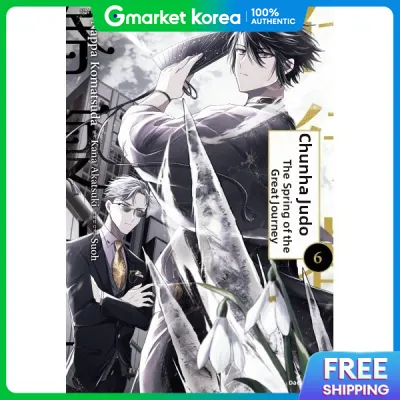
Prices are valid at publication and may change. Please refer to the product page for the latest price.
Manhwa reflects South Korea’s rapid modernization, digital integration, and distinct social structures. Many modern manhwa titles focus on contemporary Korean life, high-pressure academic or workplace environments, historical fantasy set in the Joseon dynasty, or virtual reality gaming systems. The storytelling often mirrors the fast-paced nature of modern Korean entertainment.
Manhua draws heavily from Chinese history, mythology, and traditional philosophies. Readers will frequently encounter genres like wuxia (martial heroes) and xianxia or xuanhuan (fantasy cultivation, where characters train to achieve immortality). These stories are deeply rooted in traditional folklore, Taoist concepts, and historical imperial settings.
While these cultural origins remain distinct, global cross-pollination is highly common today. Artists from different regions frequently collaborate, and digital platforms allow creators to blend stylistic elements, meaning a modern title might feature a Korean-style digital layout but incorporate Japanese-inspired character designs or Chinese mythological themes.
How Does the Reading Direction Change Your Experience?
The reading direction of these comics depends entirely on their country of origin and whether they are designed for physical print or digital screens. Traditional Japanese manga is read from right to left and top to bottom, whereas Korean manhwa and Chinese manhua are read from left to right and top to bottom.

When you open a physical manga volume, you start from what Western readers consider the “back” of the book. The panels and speech bubbles flow from the top-right corner of the page to the bottom-left. Official English translations preserve this original right-to-left layout to maintain the artistic integrity of the panels; reversing them can distort the artwork and make characters appear left-handed when they are not.
In contrast, physical editions of manhwa and manhua follow the standard Western layout of left to right, top to bottom. If you purchase a printed volume of a Korean or Chinese comic, you will open it from the front cover and read it exactly like a traditional English graphic novel.
However, the digital revolution has introduced a third layout: vertical scrolling. Modern digital manhwa and manhua are almost exclusively formatted as “webtoons,” designed to be read on smartphones or tablets. Instead of turning pages, you scroll continuously from top to bottom. This vertical format eliminates traditional panel borders, using the white or black space between drawings to control the narrative pacing and build dramatic tension.
What Are the Visual and Art Style Differences?
Manga is characterized by highly detailed, black-and-white artwork with expressive panel layouts, while manhwa and manhua are typically presented in vibrant, full-color digital formats. These visual differences stem from their primary publishing mediums and the artistic traditions of each region.
Traditional manga is designed for black-and-white printing on inexpensive newsprint paper, which is why artists rely heavily on intricate line work, screentones (shading patterns), and dramatic ink contrasts. The panel layouts are highly dynamic, often using diagonal borders and overlapping frames to convey rapid motion, especially in action-heavy genres. Color pages are rare, usually reserved for special promotional chapters or cover art.
Modern manhwa, being digital-first, embraces a cinematic, full-color aesthetic. Artists use digital painting tools to create smooth gradients, realistic lighting, and glowing special effects. Because manhwa is designed for vertical scrolling, the panels are spaced widely apart, creating a slower, more atmospheric pacing that mimics a film reel.
Manhua showcases a diverse spectrum of art styles, ranging from traditional Chinese ink-wash aesthetics to highly saturated, glossy digital illustrations. Many historical or fantasy manhua titles incorporate classical Chinese painting techniques, featuring soft brushstrokes, watercolor-like backgrounds, and elegant, flowing garments. Modern action or romance manhua titles, however, often adopt a vibrant, high-contrast digital style similar to manhwa, optimized for mobile screens.
How Do Publishing Formats and Digital Platforms Differ?
Manga is primarily distributed through physical, collected tankōbon volumes, whereas manhwa and manhua are predominantly published as digital-first, episodic webcomics. Understanding these distribution models helps you locate official releases and avoid regional compatibility issues.
For manga, the traditional publishing cycle involves serialization in weekly or monthly magazines, followed by compilation into physical paperback volumes (tankōbon). In the Philippines, these physical volumes are widely available in major bookstores and specialized comic shops, priced typically between ₱400 and ₱800 depending on the publisher and edition. When buying physical manga, always verify the publisher (such as Viz Media or Kodansha) to ensure you are purchasing an authorized, high-quality translation rather than an unauthorized bootleg.
Manhwa and manhua are digital-first media, released chapter-by-chapter on official webcomic platforms and mobile applications. While some exceptionally popular titles eventually receive physical print runs, the vast majority of these series are read on screens. Readers purchase digital currency or subscription passes within official apps to unlock new weekly episodes.
Before purchasing digital chapters or physical imports, buyers must check for regional restrictions and language options. Some digital platforms restrict content access based on your geographical location, while physical imports from overseas may only be available in their original Korean or Chinese text. Always verify the product specifications, language details, and publisher licensing agreements before finalizing your purchase. High humidity in tropical climates like the Philippines can also damage physical books, so collectors should store physical volumes in dry, well-ventilated spaces or protective plastic sleeves to prevent yellowing and warping.
Which Format Should You Choose Based on Your Reading Preferences?
Choosing between manga, manhwa, and manhua depends on whether you prefer physical book collecting, your preferred reading device, and your favorite storytelling genres. Each format offers a distinct reading experience tailored to different lifestyles and artistic tastes.
You should choose manga if you enjoy the tactile experience of turning physical pages, appreciate highly detailed black-and-white ink work, and prefer classic storytelling structures. Manga is ideal for those who want to build a physical library on their bookshelves and enjoy genres ranging from grounded slice-of-life dramas to complex, long-running fantasy epics.
Opt for manhwa if you do most of your reading on a smartphone during a daily commute, prefer vibrant, full-color digital art, and enjoy fast-paced, modern narratives. Manhwa is particularly suited for fans of modern romance, system-based fantasy (like RPG-style leveling), and high-action stories designed for quick, vertical scrolling.
Select manhua if you are fascinated by Chinese mythology, historical imperial dramas, and martial arts cultivation themes. Manhua is an excellent choice for readers who appreciate a blend of traditional artistic influences and colorful digital layouts, offering a unique cultural perspective on fantasy and adventure.
To help you decide, consider the following comparison of key features:
| Feature | Manga | Manhwa | Manhua |
|---|---|---|---|
| Country of Origin | Japan | South Korea | China (including Taiwan/Hong Kong) |
| Primary Medium | Physical print (tankōbon) | Digital-first (webtoons) | Digital-first (webcomics) |
| Color Palette | Predominantly black-and-white | Full color | Full color |
| Reading Direction | Right-to-left, top-to-bottom | Left-to-right, top-to-bottom | Left-to-right, top-to-bottom |
| Layout Style | Multi-panel page layouts | Vertical scrolling panels | Vertical scrolling or standard pages |
| Common Genres | Shonen, Shojo, Seinen, Slice-of-Life | Romance, Fantasy, RPG/System Action | Xianxia, Wuxia, Historical Drama |

Community discussion
Share your experience or ask a question. Comments are reviewed before publication.