
Quick Answer: Which Tagalog Bible Should You Read?
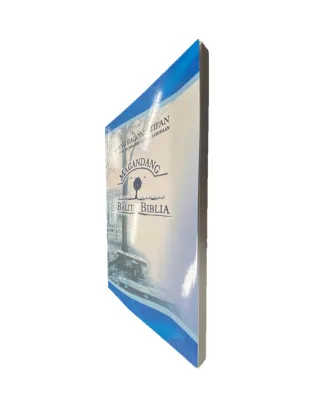
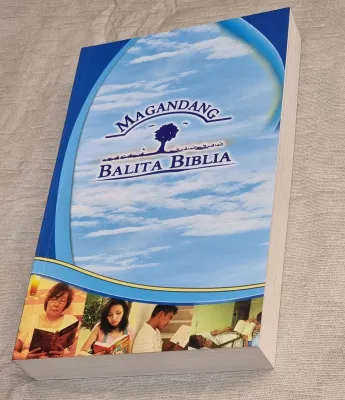
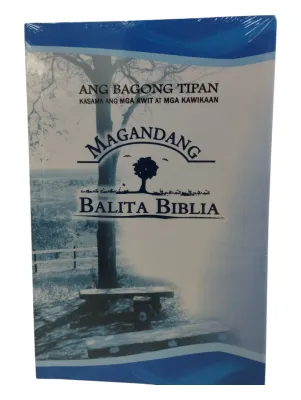
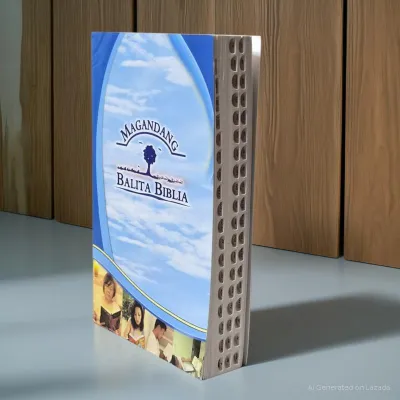
Choosing between the Magandang Balita Biblia (MBB) and Ang Biblia depends on your personal reading goals, linguistic comfort, and church environment. If you prioritize everyday readability, modern conversational Tagalog, and a clear narrative flow, the Magandang Balita Biblia is the ideal choice. It is highly recommended for youth ministries, new believers, daily devotionals, and those who speak Tagalog as a second language.
Conversely, if you prefer formal, poetic language, traditional church liturgy, or deep word-for-word textual study, Ang Biblia is the more suitable translation. This version preserves classical Tagalog structures and historical vocabulary, making it a favorite for academic analysis and traditional worship services.
Before purchasing, always verify the specific edition, revision history, and publication year on the copyright page. Because “Ang Biblia” can refer to multiple historical revisions—such as the landmark 1905 version, the 1978 revision, or more modern updates—the linguistic style can vary significantly from one copy to another.
Products mentioned in this guide
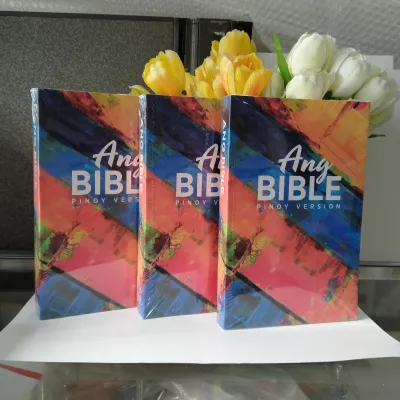
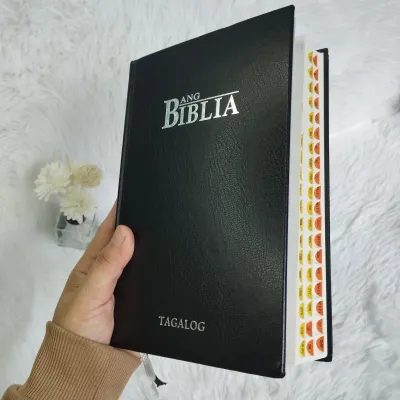
Prices are valid at publication and may change. Please refer to the product page for the latest price.
Translation Philosophy and Language Style
To understand why these two translations read so differently, it is essential to look at their underlying translation philosophies. The Magandang Balita Biblia utilizes dynamic equivalence, often described as a thought-for-thought translation method. This approach prioritizes the original meaning of the Greek and Hebrew texts and translates them into natural, contemporary Tagalog phrasing. Instead of translating word-for-word, the translators focused on how a modern reader in the Philippines would naturally express the same concept today. This makes the text highly accessible, as it avoids archaic idioms and complex sentence structures that can obscure the core message.

On the other hand, Ang Biblia generally follows formal equivalence, which is a word-for-word translation philosophy. This method attempts to preserve the grammatical structure, word order, and historical vocabulary of the original manuscripts as closely as possible. While this preserves the literal phrasing of the ancient texts, it often results in a highly formal, classical Tagalog. For readers who enjoy the majestic, poetic rhythm of traditional literature, this style carries a deep sense of solemnity and historical weight. However, it can also introduce archaic terms and complex sentence patterns that require closer study to fully comprehend.
You can easily observe these differences by comparing a familiar passage, such as John 3:16 or Psalm 23, side-by-side. In Ang Biblia, you will often encounter classical terms like “pagsinta” (love/affection) or “sinugo” (sent), arranged in formal sentence structures that mirror early 20th-century literary Tagalog. In contrast, the MBB version of the same passage will typically use contemporary terms like “pag-ibig” and “isinugo,” structured in a straightforward, modern conversational flow.
Because language naturally evolves over decades, readers should always check the publication year and revision notes of their specific copy. A revision from the late 20th century or early 21st century will feature updated spelling and vocabulary compared to an early 1905 printing, even if both are published under the name “Ang Biblia.” Understanding these linguistic shifts will help you choose a text that matches your study goals.
Readability and Target Audience
The readability of a translation directly impacts how consistently you engage with the text. The Magandang Balita Biblia is highly accessible for contemporary Filipino speakers, younger audiences, and those who use Tagalog as a second language. In the Philippines, where daily communication often blends regional languages and modern terms, the straightforward vocabulary of MBB ensures that readers of all ages can follow the narrative without constantly pausing to look up unfamiliar words. This makes it an excellent tool for family devotions, community outreach, and personal reading.
In contrast, traditional editions of Ang Biblia are best suited for readers who are already accustomed to classical Tagalog or those who appreciate historical continuity. Older generations who grew up with traditional liturgy often find comfort in the familiar, resonant cadences of this translation. It is also highly valued by students of literature and theology who want to experience the depth of classical Tagalog prose.
When selecting a physical copy, do not assume that all editions contain the same study aids. You should carefully check the specific edition’s physical features to verify the presence of study notes, cross-references, maps, and glossaries. Additionally, consider the local climate when choosing a physical Bible. The high humidity and tropical conditions in the Philippines can cause thin pages to warp or yellow over time. Look for editions with durable bindings, sturdy covers, and high-quality paper that can withstand regular handling and environmental moisture.
Before finalizing your choice, it is highly recommended to test a few chapters. You can do this by visiting a local Christian bookstore or viewing a digital preview online. Reading a few passages aloud will quickly reveal whether the vocabulary and sentence length feel comfortable and natural to you.
Denominational Acceptance and Church Usage
Your choice of a Tagalog Bible should also take into account your local church community’s practices and corporate worship style. Different congregations and denominations in the Philippines have historical preferences for specific translations. For instance, traditional liturgical churches often rely on the classical phrasing of Ang Biblia for public readings, liturgical responses, and choir performances, as the formal tone aligns with their established worship traditions.
Conversely, many modern, non-denominational, or youth-focused congregations prefer the Magandang Balita Biblia. Its clear, conversational style makes it highly effective for sermons, small group Bible studies, and youth ministries where immediate comprehension is a priority. If you plan to participate actively in group studies or follow along during Sunday sermons, using the same translation as your community can greatly enhance your experience.
To avoid confusion, consult your local pastors, priests, or church leaders to confirm which version is officially used for corporate worship and communal study. While your personal devotional Bible does not strictly have to match the version read from the pulpit, aligning them makes it much easier to follow corporate readings and participate in group discussions.
It is important to note that neither translation holds a universal endorsement across all denominations. Frame this verification step as a local, practical measure to ensure your personal study Bible complements your active participation in your local parish or congregation.
Decision Framework: Choosing Your Tagalog Bible
To help you make a final decision, use this practical framework to match a translation to your specific needs:
- Choose Magandang Balita Biblia (MBB) if: Your primary goals are personal daily devotions, youth ministry, evangelism, or if you prefer a modern, highly readable text that flows naturally in contemporary Tagalog.
- Choose Ang Biblia if: Your focus is deep textual study, academic analysis, traditional liturgical worship, or if you appreciate the poetic beauty of classical Tagalog literature.
- Consider a Dual-Translation Approach: If your budget and shelf space allow, keeping both translations on hand is an excellent strategy. You can use Ang Biblia to study the formal structure of a passage and refer to MBB to clarify the overall meaning and narrative flow.
When you are ready to purchase, verify the physical or digital format details. Check the font size to ensure comfortable reading, inspect the binding quality, and verify device compatibility if you prefer e-books or mobile applications. You can compare prices in ₱ across authorized online bookstores and local Christian bookshops to find an option that fits your budget.
Before completing your purchase, use this quick checklist to inspect the copy:
- Copyright Page: Verify the publisher (such as the Philippine Bible Society) and check the exact revision or printing year.
- Authorized Seals: Look for official publisher seals or holograms to ensure you are buying an authentic, complete edition.
- Physical Durability: Examine the cover material and paper weight to ensure the Bible can withstand daily use in a humid, tropical environment.
Frequently Asked Questions (FAQ)
Is Magandang Balita Biblia considered a Catholic or Protestant Bible?
To understand the ecumenical background of the Magandang Balita Biblia, readers should check the copyright page for an imprimatur, ecclesiastical approvals, or publisher details from organizations like the Philippine Bible Society. MBB was developed as an ecumenical translation, meaning representatives from various Christian traditions collaborated on its text to ensure broad accessibility. However, acceptance and official usage can still vary significantly by local parish or congregation. Always verify with your specific religious leaders before purchasing a copy for official group studies or liturgical use.
Which Tagalog Bible version is best for memorization?
The best version for memorization depends largely on your linguistic background and how you plan to use the verses. The traditional, rhythmic phrasing found in older Ang Biblia editions often aids memorization for individuals who are already familiar with classical Tagalog, traditional hymns, and formal literary structures. On the other hand, MBB is typically much easier to memorize for younger readers, new believers, or those who are more comfortable with modern conversational Filipino. To maintain consistency during communal recitation, it is highly recommended to choose the version that your local study group or church community uses.
Community discussion
Share your experience or ask a question. Comments are reviewed before publication.