
To choose between Liwayway and modern Filipino entertainment magazines, you must determine whether you value enduring literary heritage or rapid-fire pop culture updates. Liwayway is the premier choice if you seek long-form Tagalog fiction, serialized novels (nobela), traditional comics (komiks), and deep cultural essays that reflect classic Filipino values. It serves as a preserved piece of Philippine literary history, offering deep, reflective reading that spans generations.
Conversely, modern entertainment titles cater to readers who want immediate access to celebrity gossip, red-carpet fashion, television show updates, and trending social media personalities. These contemporary publications prioritize visual appeal, quick-read columns, and lifestyle trends over long-form narrative depth. If your goal is to stay current with the fast-moving entertainment landscape of the Philippines, modern titles will serve you best. For those who crave rich, slow-paced literary immersion and a connection to traditional Tagalog heritage, Liwayway remains unmatched in its value.
Content Mix: Serialized Fiction vs. Celebrity Pop Culture
The structural differences between Liwayway and contemporary entertainment magazines lie in their editorial core. Liwayway, established in 1922, has built its century-long reputation on the strength of its literary contributions. Its pages are traditionally filled with serialized novels (nobela), short stories (maikling kuwento), poetry (tula), and cultural commentary. This content mix is designed to build long-term engagement, requiring readers to follow narratives week after week, which fosters a deep emotional investment in characters and storylines.
Products mentioned in this guide
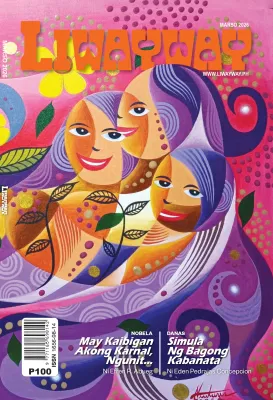
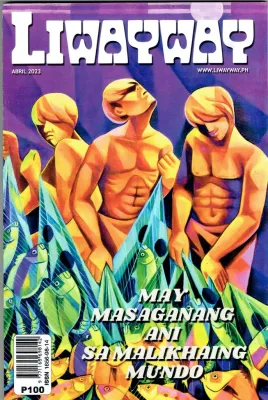

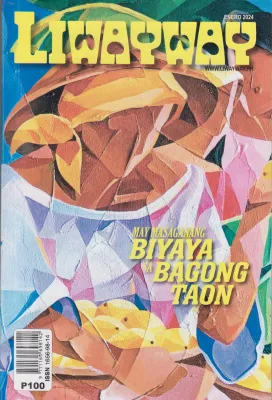
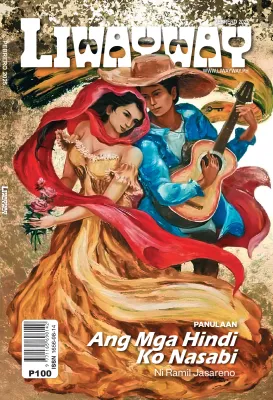
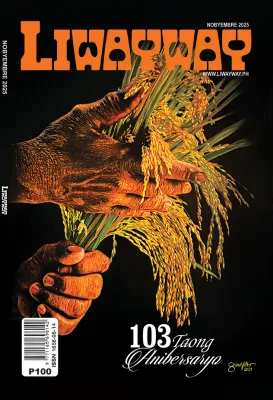
Prices are valid at publication and may change. Please refer to the product page for the latest price.
This narrative-heavy structure is supported by traditional Filipino komiks, which have historically served as a launching pad for legendary local artists and writers. The reading experience here is quiet, reflective, and intellectually stimulating, appealing to those who view reading as a deliberate leisure activity. The focus is on the beauty of the written Tagalog language and the exploration of domestic themes, rural life, historical dramas, and moral lessons.
In stark contrast, modern Filipino entertainment magazines are built around the concept of immediate, high-impact visual consumption. Their editorial lineups are dominated by exclusive celebrity interviews, behind-the-scenes looks at major television networks, beauty and fashion guides, and localized lifestyle advice. Rather than serialized fiction, these publications offer bite-sized news segments, quick-fire Q&A sections, and photo-heavy spreads of local stars and influencers.
The reading experience of a modern entertainment magazine is fast-paced and highly visual, designed to be consumed in short bursts during a daily commute or a quick break. The emphasis is on keeping the reader informed about the immediate present—what their favorite actors are wearing, who is dating whom, and which television dramas are currently dominating the ratings. There is little room for long-form fiction or abstract poetry; instead, the focus is on the tangible lifestyle aspirations of the modern Filipino urbanite.
When evaluating the personal value of these contrasting content mixes, you must analyze your own cognitive relationship with print media. If you appreciate the archival value of literature, Liwayway offers content that does not spoil with age. A serialized novel read today carries the same emotional weight and cultural relevance as it would several years from now, making back issues highly collectible and re-readable.
Modern entertainment magazines, however, suffer from rapid content depreciation. A celebrity gossip column or a red-carpet fashion critique loses most of its relevance once the next news cycle begins or the featured television show ends its run. The value of these modern titles is concentrated in the immediate excitement of the trend, making them ideal for readers who want to feel connected to the active, national conversation surrounding pop culture.
Language and Audience: Deep Tagalog vs. Modern Taglish
Language is the primary vehicle of cultural identity, and the linguistic choices of these publications create distinct reading communities. Liwayway is celebrated for its preservation of formal, deep Tagalog (malalim na Tagalog). The vocabulary used in its stories and essays is rich, grammatically precise, and often poetic, utilizing words and idioms that have largely faded from daily conversational use in urban centers.

This commitment to formal language makes the magazine a valuable educational resource and a point of cultural pride. For older readers, it offers a comforting, familiar connection to the linguistic traditions of their youth. For younger generations, students, and language enthusiasts, it serves as an active archive of proper Tagalog syntax and vocabulary, helping to maintain a high level of linguistic literacy that is rarely found in digital spaces or mainstream television.
Modern entertainment magazines, on the other hand, embrace the fluid, informal language of contemporary Philippine society. They primarily utilize conversational Taglish—a natural blend of Tagalog and English—or casual, colloquial Filipino. This linguistic style mirrors the everyday speech of urban professionals, university students, and the general public, making the content instantly accessible and highly relatable.
The use of Taglish allows these publications to discuss complex global fashion trends, beauty science, and westernized pop culture without the need for awkward or forced translations. It creates an intimate, conversational tone, as if the reader is chatting with a close friend about their favorite celebrity. This approach lowers the barrier to entry, making it easy for casual readers to skim through articles without feeling bogged down by dense or unfamiliar vocabulary.
Your choice between these styles should align with your linguistic goals and personal comfort. If you wish to deepen your understanding of formal Tagalog, appreciate the nuance of classical Philippine literature, or share traditional language values with your family, Liwayway provides an irreplaceable reading environment. The deliberate, slow reading required by its prose encourages vocabulary expansion and a deeper appreciation for the rhythms of the native tongue.
Conversely, if you prefer a relaxed, effortless reading experience that matches the fast-paced nature of modern life, contemporary entertainment titles are highly efficient. They do not demand intense linguistic concentration, allowing you to consume lifestyle tips and entertainment updates with ease. The choice is between the preservation of linguistic heritage and the convenience of modern colloquial communication.
Formats and Value: Print Heritage vs. Digital Convenience
The physical medium through which you consume media heavily influences its perceived value and overall cost. Liwayway maintains a strong commitment to its print heritage, continuing a tradition of physical distribution that spans over a century. For many dedicated readers in the provinces of the Philippines, receiving a physical copy of the magazine is an essential ritual, offering a tactile experience that digital screens cannot replicate.
However, maintaining a print subscription in the modern era comes with distinct logistical considerations. The cost of printing and distributing physical paper across an archipelago means that shipping fees can significantly impact the total price of a subscription. Readers must also consider the tropical climate of the Philippines; high humidity, seasonal rains, and pests require active effort to preserve physical paper collections from deterioration over time.
Modern entertainment magazines have largely transitioned to digital-first or hybrid publishing models. Many prominent lifestyle and celebrity titles have phased out regular print runs entirely, choosing instead to distribute content via dedicated mobile applications, digital newsstands, and social media platforms. This shift offers immediate global access, allowing overseas Filipino workers (OFWs) and readers across the globe to access the latest issues instantly without paying international shipping fees.
The digital format eliminates physical storage issues and protects the content from the environmental wear and tear common in tropical regions. Yet, digital reading introduces its own set of trade-offs. It requires a stable internet connection, compatible devices such as tablets or smartphones, and often involves navigating ad-supported platforms or managing recurring digital subscription renewals that may require credit cards or digital wallets.
To evaluate the true value of your purchase, use the following verification checklist before subscribing to any Filipino magazine:
- Authorized Sources: Always verify that you are purchasing from official publishing houses or authorized digital distributors. Avoid unauthorized PDF sellers on online marketplaces, as these do not support the creators and often contain incomplete or low-quality scans.
- Edition and Completeness: Confirm whether the subscription includes the complete editorial run, including special literary supplements, or if it is a condensed digital digest.
- Regional Delivery Limits: For print subscriptions, check with the publisher's customer service to ensure reliable delivery to your specific municipality or province, as some remote areas may incur additional courier surcharges.
- Device Compatibility: If opting for a digital subscription, verify the system requirements of the reading application on your specific tablet or smartphone model to prevent access issues.
- Subscription Terms: Read the auto-renewal policies carefully to understand how to cancel or pause your subscription, and check if regional taxes are included in the listed price.
By systematically working through these verification steps, you can avoid common purchasing pitfalls. Whether you choose the tangible, collectible charm of Liwayway’s print edition or the instant, space-saving convenience of a digital lifestyle magazine, aligning your choice with your local logistics ensures a satisfying reading experience.
Decision Framework: Which Magazine Should You Subscribe To?
To finalize your decision, assess your reading habits against this structured framework to determine where your time and money are best spent.
Choose Liwayway if you meet these criteria:
- Cultural and Literary Value: You want to support the preservation of traditional Tagalog literature, classical poetry, and historical storytelling.
- Engaging Serialized Fiction: You enjoy the anticipation of following long-form novels and character arcs over several weeks or months.
- Linguistic Appreciation: You prefer reading high-quality, formal Tagalog and wish to maintain or improve your proficiency in the language.
- Tactile Collectibility: You value the physical experience of print media and enjoy curating a physical library of historical Philippine publications.
Choose Modern Entertainment Magazines if you meet these criteria:
- Pop Culture and Celebrity Focus: Your primary goal is to stay updated on local showbiz news, celebrity lifestyles, and trending television programs.
- Visual and Lifestyle Trends: You look for high-fashion photography, beauty recommendations, and modern urban lifestyle advice.
- Modern Language Preference: You are most comfortable with casual Taglish or conversational Filipino that reflects daily urban speech.
- Digital-First Convenience: You prefer reading on mobile devices, value instant delivery, and do not want to manage physical storage space.
If neither option perfectly matches your needs, you may want to look elsewhere. For example, if you are looking for highly specialized academic research, deep political analysis, or independent film critiques, neither Liwayway nor mainstream entertainment magazines will satisfy your requirements. In such cases, specialized academic journals, independent cultural websites, or digital-only literary reviews may offer the targeted content you seek. Always verify the distribution channels and subscription terms of these niche platforms before committing.
Frequently Asked Questions (FAQ)
Is Liwayway still available in print across the Philippines?
Yes, Liwayway continues to maintain its print presence, though its availability can vary significantly depending on your location. To secure a physical copy, check major national bookstore chains, established newsstands in urban centers, or contact the official publisher directly for home delivery options. Because provincial distribution networks can sometimes face delays due to shipping logistics across the islands, setting up a formal subscription directly through authorized publishing channels is the most reliable way to ensure you never miss an issue.
Do modern entertainment magazines offer digital-only subscriptions?
Yes, the vast majority of modern Filipino entertainment and lifestyle publications have transitioned to digital formats. You can access these titles through global digital magazine platforms, proprietary publisher apps, or web-based subscription portals. Before purchasing a digital subscription, verify the compatibility of the host application with your specific smartphone, tablet, or e-reader. Additionally, check if the subscription grants you access to their complete archival catalog or if it is limited solely to newly released issues.
Community discussion
Share your experience or ask a question. Comments are reviewed before publication.