
Deciding on a subscription to a Filipino entertainment publication depends on your linguistic preferences, cultural interests, and the type of content you want to consume. If you appreciate deep, traditional Tagalog prose, serialized novels, and cultural heritage, subscribing to liwayway magazine is an excellent choice. Conversely, if you prefer fast-paced celebrity news, modern fashion spreads, and a mix of English and Taglish, contemporary entertainment and lifestyle magazines will better suit your reading habits. Before committing to any subscription, it is essential to verify the publication’s active status, format options, and regional availability.
Evaluating your options requires looking beyond the cover images. Legacy publications and modern entertainment glossies serve entirely different reading goals. While one acts as a cultural time capsule preserving literary traditions, the other offers a highly visual, trend-driven look into modern pop culture. This guide breaks down the core differences in language, content, and accessibility to help you make an informed subscription decision.
What Defines Liwayway Magazine?
To understand the unique position of liwayway magazine, one must look at its historical and cultural significance in the Philippines. Established in the early 20th century, it is recognized as one of the oldest continuously published Tagalog lifestyle and literary magazines. For generations, it served as the primary vehicle for written Tagalog, helping to standardize the language and make literature accessible to the general public. It has survived changing political landscapes, economic shifts, and the transition from print to digital media, maintaining a dedicated readership throughout its history.
Products mentioned in this guide
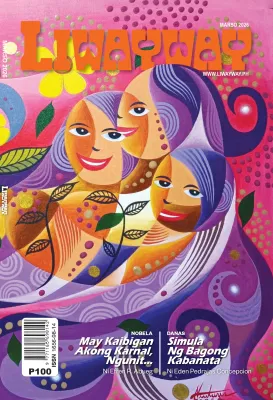
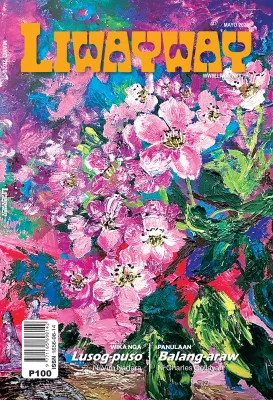
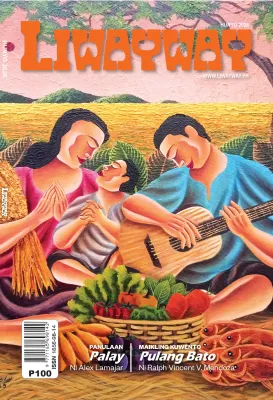
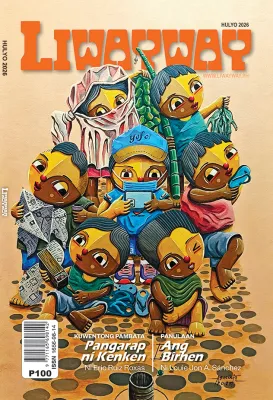
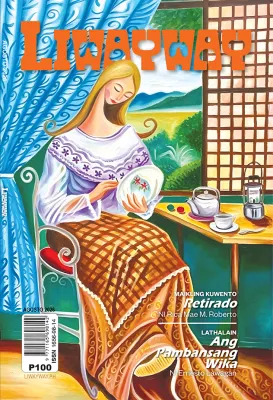
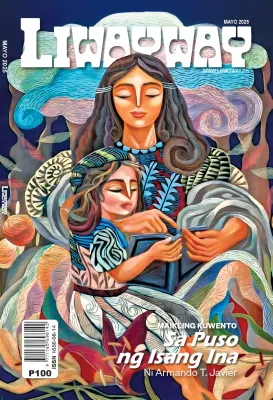
Prices are valid at publication and may change. Please refer to the product page for the latest price.
Historically, the magazine’s strength lies in its diverse literary offerings. Unlike modern publications that focus almost exclusively on celebrity gossip, this legacy title has traditionally featured serialized Tagalog novels (nobela), short stories (maikling kuwento), poetry (tula), and classic comic strips (komiks). These stories often explore themes of rural life, traditional family values, historical romance, and local folklore. It has served as a launchpad for some of the country’s most respected writers and illustrators, cementing its status as a literary institution rather than a simple entertainment weekly.
The target demographic for this publication historically spans older generations who grew up with physical copies, language students seeking to study formal Tagalog prose, and cultural enthusiasts who value traditional Filipino storytelling. It provides a sense of nostalgia and connection to a bygone era of Philippine literature. The tone is respectful, reflective, and deeply rooted in local customs, making it a stark contrast to the high-energy, youth-centric tone of modern lifestyle media.
Because the media landscape in the Philippines is highly dynamic, readers must approach subscriptions with an eye for current specifications. The publication frequency, page count, and distribution methods of legacy magazines have adapted over time. Some print runs have become limited or shifted entirely to digital archives and specialized print-on-demand editions. Verifying the current format and availability through official publishing channels is a necessary first step before purchasing a subscription.
Key Comparison Dimensions: Liwayway Magazine vs. Modern Publications
When choosing between a traditional literary publication and contemporary Filipino entertainment magazines, several distinct factors come into play. Understanding these dimensions ensures that your subscription matches your reading pace, language comfort, and aesthetic preferences.

Language, Tone, and Cultural Context
The most immediate difference you will encounter is the linguistic style. Traditional publications like liwayway magazine utilize formal, deep, and highly descriptive Tagalog. The vocabulary is rich, often incorporating classical terms, idioms, and grammatical structures that are rarely heard in daily conversational speech. This makes the reading experience highly immersive and educational, though it may require a higher level of language proficiency or a dictionary for younger readers and non-native speakers.
In contrast, modern Filipino entertainment and lifestyle magazines predominantly use English or Taglish—a fluid blend of Tagalog and English. The tone of these contemporary publications is casual, conversational, and fast-paced, mimicking the speech patterns of urban areas like Metro Manila. While this makes modern magazines highly accessible and easy to read quickly, it lacks the preservation of classical linguistic heritage found in legacy print media.
This linguistic divide also dictates the emotional and cultural resonance of the content. Traditional prose fosters a reflective, nostalgic connection to Filipino heritage, emphasizing community values and historical identity. Modern Taglish publications focus on global trends, cosmopolitan lifestyles, and individual expression, appealing directly to a younger, tech-savvy, and globally connected demographic.
Content Focus: Serialized Fiction vs. Pop Culture News
The structural layout of the content differs significantly between these two categories. Legacy magazines rely heavily on long-form, serialized fiction. Readers subscribe to follow complex character arcs, romantic dramas, and mystery plots that unfold over several issues. This episodic format encourages long-term engagement and a slower, more deliberate reading habit. Alongside fiction, you will find traditional advice columns, home economics tips, and essays on local history.
Modern entertainment publications prioritize immediate, visually driven content. Their pages are filled with exclusive celebrity interviews, behind-the-scenes event coverage, fashion editorials, beauty guides, and pop culture commentary. The focus is on what is happening right now in the entertainment industry, tracking the personal lives, relationships, and careers of local actors, musicians, and influencers.
If your goal is to sit down with a continuous story and appreciate the art of written fiction, the literary focus of legacy media is unmatched. However, if you want to keep up with current television shows, movie releases, fashion trends, and celebrity lifestyles, modern entertainment glossies are designed specifically for that purpose. The choice hinges on whether you prefer the depth of creative writing or the immediacy of pop culture reporting.
Format, Accessibility, and Archival Value
The physical and digital formats of these publications present distinct practical considerations. Traditional magazines were historically printed on lightweight newsprint, a cost-effective material that allowed wide distribution across provinces. However, in the high humidity and tropical climate of the Philippines, newsprint is highly susceptible to yellowing, moisture damage, and tearing over time. Preserving physical copies requires careful storage in climate-controlled environments or protective plastic sleeves.
Contemporary entertainment and luxury lifestyle magazines are typically printed on high-quality, heavy-weight glossy paper. This format preserves high-resolution photography, vibrant colors, and detailed fashion layouts, giving them a premium feel. While these physical copies are more durable than newsprint, they are also significantly more expensive and bulkier to store, making them popular as coffee table display pieces rather than casual, throwaway reading material.
The industry-wide shift toward digital publishing has transformed how readers access both types of magazines. Digital subscriptions have largely solved the physical preservation challenges associated with tropical climates. Readers can now access digital replicas of pages on tablets, smartphones, and e-readers. When opting for digital formats, it is crucial to verify the platform’s user interface, zoom capabilities, and offline reading features to ensure a comfortable visual experience.
How to Verify Current Availability and Subscription Options
Because the publishing industry undergoes frequent transitions, securing an active subscription requires a systematic verification process. Many legacy titles have consolidated their operations, altered their distribution schedules, or transitioned to digital-only formats. Following a clear checklist prevents subscription errors and ensures you receive genuine, active content.
First, identify the official publisher of the magazine. For instance, legacy titles are often managed by major established publishing houses in the Philippines, such as the Manila Bulletin Publishing Corporation. Visiting the publisher’s official website is the most reliable way to confirm if a magazine is still actively in print, has moved to a digital-only model, or is published as a special periodic compilation. Avoid relying on outdated forum posts or third-party blog reviews for current publication statuses.
Second, explore authorized digital newsstands. Platforms like PressReader, Magzter, or the publisher’s proprietary digital store often host current and back issues of prominent Filipino publications. When subscribing through these platforms, verify the following specifications:
- Device Compatibility: Ensure the digital platform supports your specific operating system (iOS, Android, or Windows) and device type (tablet, e-reader, or smartphone).
- File Format: Confirm whether the magazine is delivered as a static PDF replica or an interactive, responsive layout optimized for mobile screens.
- Subscription Scope: Check if the subscription grants access to the complete archive of past issues or only to newly released editions during your active subscription period.
Third, exercise caution when purchasing physical copies or subscriptions from online marketplaces or independent social media sellers. While some authorized distributors operate storefronts on major ecommerce platforms, many unauthorized sellers offer low-quality scanned PDFs or outdated physical copies. Purchasing from unauthorized sources violates copyright standards and often results in missing pages, poor image resolution, and unreadable text. Always cross-reference the seller’s credentials with the publisher’s official list of authorized retailers.
Finally, check the publication date of the most recently released issue on official channels. If the latest available issue is several months or years old, the publication may be on an indefinite hiatus or discontinued. Verifying active production protects you from paying for a recurring subscription on an inactive title.
Final Decision Framework: Matching Publications to Your Reading Goals
To finalize your decision, align your specific reading preferences, language skills, and preservation goals with the strengths of each publication type. Use the following structured guidelines to choose the correct path:
- Choose Liwayway Magazine if:
- Your primary goal is to read long-form, serialized Tagalog fiction, historical romance, and traditional drama.
- You want to improve or maintain your command of formal, classical Tagalog vocabulary and grammar.
- You appreciate the cultural heritage of the Philippines and enjoy nostalgic, community-focused storytelling.
- You are comfortable reading text-heavy layouts with classic illustrations rather than high-gloss celebrity photography.
- Choose Modern Entertainment Magazines if:
- You want up-to-the-minute news on Filipino celebrities, television dramas, movies, and pop culture trends.
- You prefer reading in English or casual Taglish, matching the conversational style of modern urban life.
- You value high-quality lifestyle photography, fashion spreads, beauty editorials, and modern design aesthetics.
- You prefer quick, bite-sized articles, interviews, and visual layouts over serialized, multi-part novels.
- Verify First if:
- You are looking for highly specialized niche content, such as independent Filipino cinema, specific regional music scenes, or underground art movements. These topics are rarely covered in general entertainment magazines and may require seeking out independent digital journals, zines, or dedicated online cultural platforms.
- You reside outside the Philippines, as international shipping costs for physical print magazines can easily exceed the cover price, making digital subscriptions through global newsstands the most practical and cost-effective alternative.
Frequently Asked Questions (FAQ)
Can I read Liwayway and other Filipino magazines outside the Philippines?
Yes, international readers can access these publications, but availability depends heavily on the publisher’s digital distribution strategy. Because shipping physical print editions internationally involves high postal fees and potential customs delays, digital subscriptions are the most efficient option. You should check if the official publisher offers international digital subscriptions through their website or if their titles are listed on global digital newsstand applications. These digital platforms allow you to download issues instantly to your device, bypassing regional shipping restrictions.
Are classic issues of Liwayway available for archival reading?
Access to historical issues of legacy Filipino magazines varies. While some academic institutions, university libraries, and the National Library of the Philippines preserve physical copies of classic issues for research purposes, public digital access is limited. You should check the publisher’s official digital archives or academic databases to see if specific vintage editions have been digitized and made legally available for public viewing. Avoid downloading unauthorized scans from peer-to-peer sharing sites, as these files often lack quality control and violate intellectual property rights.
Community discussion
Share your experience or ask a question. Comments are reviewed before publication.