
Quick Answer: Which Format Wins for Philippine Showbiz News?
Choosing between the historic Liwayway magazine and modern digital entertainment platforms for Philippine showbiz news depends entirely on your personal reading priorities, language preferences, and lifestyle. If your primary goal is to stay updated on breaking celebrity developments, real-time press conferences, and trending social media controversies, digital entertainment portals are the clear choice. They offer instantaneous updates, multimedia integration, and highly accessible formats optimized for mobile screens.
Conversely, if you appreciate deep-dive features, serialized Tagalog literature, and a slower, culturally rich reading experience that connects showbiz with local heritage, Liwayway remains an unmatched cultural institution. Rather than a simple race for speed, the choice is between the rapid-fire immediacy of the digital age and the thoughtful, tactile storytelling of a legacy publication.
Content Focus and Language: Deep Dives vs. Breaking Updates
Liwayway magazine, established in the 1920s, has long served as a cornerstone of Philippine popular culture. Its approach to showbiz news is fundamentally different from modern digital platforms. Instead of chasing fleeting daily rumors, Liwayway embeds its entertainment coverage within a broader tapestry of literary and lifestyle content. Showbiz profiles in this legacy magazine often read like narrative essays or deep-dive features, focusing on the long-term career trajectories, family values, and personal struggles of local stars. Furthermore, the publication is celebrated for its serialized novels, short stories, and poetry, which often feature illustrations by prominent local artists. This unique blend means that showbiz news is presented as part of a larger, cohesive cultural package rather than as isolated gossip.
Products mentioned in this guide

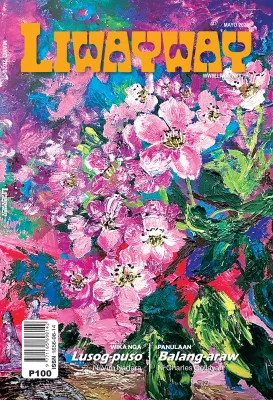

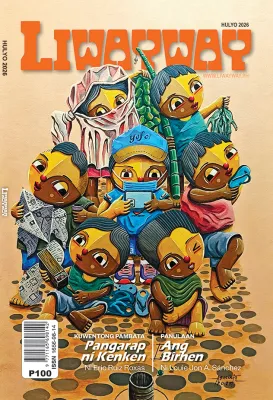


Prices are valid at publication and may change. Please refer to the product page for the latest price.

In contrast, modern digital entertainment magazines and portals prioritize immediate, high-impact updates. Their content focus is highly dynamic, shifting rapidly to match whatever is trending on social feeds. You will find short-form articles, listicles, quick recaps of celebrity social media posts, and immediate coverage of live press events. The editorial lens is sharp, fast, and designed to capture short attention spans in a crowded digital landscape.
The linguistic divide between these two formats is equally stark. Liwayway is famous for its use of formal, literary Tagalog. The prose is crafted with care, preserving linguistic nuances and regional idioms that are rarely found in contemporary media. This makes it an invaluable resource for readers who wish to maintain or deepen their command of the national language. Modern digital portals, however, almost exclusively employ conversational Taglish (a blend of Tagalog and English) or straightforward English. This linguistic style reflects the everyday speech of contemporary urban Filipinos and makes the content highly accessible to a younger, globally connected demographic.
When choosing between the two, you must evaluate whether you seek deep, culturally reflective storytelling in rich Tagalog, or rapid, digestible celebrity updates delivered in the casual, everyday vernacular of modern Philippine media.
Timeliness and Access: Weekly Prints vs. Real-Time Feeds
The publishing cycle of traditional print media introduces inherent delays that shape how news is consumed. A physical magazine like Liwayway operates on a scheduled production calendar, meaning that articles must be written, edited, laid out, printed, and distributed over days or weeks. Consequently, print is structurally unsuited for breaking news. If a major showbiz scandal breaks on a Tuesday evening, a weekly print publication cannot address it immediately; by the time the next issue hits the physical stands, the digital conversation has already moved on to new developments.
Digital entertainment platforms thrive on this very immediacy. Operating on a 24/7 cycle, digital newsrooms publish updates within minutes of an event occurring. Through push notifications, email alerts, and real-time social media feeds, readers are kept constantly informed of industry developments as they unfold. This real-time feed is essential for avid followers of Philippine showbiz, where controversies, network transfers, and project announcements develop rapidly.
Accessibility and distribution also present contrasting realities across the Philippine archipelago. Physical magazines require robust logistical networks to reach retail outlets, supermarkets, and local newsstands. In remote provincial areas, obtaining a physical copy of a specific print issue can be challenging, often subject to shipping delays or limited local stock.
Digital platforms bypass these physical distribution hurdles, offering universal access to anyone with an internet connection. However, this accessibility is bound to the realities of local digital infrastructure. While mobile data networks have expanded significantly across the Philippines, internet speed and reliability can still vary greatly between major urban centers like Metro Manila and distant rural barangays. For readers in areas with spotty connectivity, the constant loading demands of media-heavy digital sites can be frustrating, making scheduled, offline-ready alternatives highly appealing.
Reading Experience: Tactile Print vs. Multimedia Digital
The physical act of reading a printed magazine offers a distinct sensory experience that digital screens cannot replicate. Holding a copy of Liwayway provides a tactile connection to the content—the texture of the paper, the turning of pages, and even the characteristic scent of print ink. This format encourages a slower, more focused reading session. Because print lacks the interactive distractions of the internet, readers can immerse themselves in long-form features without the interruption of pop-up advertisements, auto-playing video ads, or incoming message notifications. It is a highly focused, offline leisure activity that fits perfectly into a relaxed weekend morning.
Conversely, digital entertainment platforms offer a rich, multi-sensory experience driven by interactive technology. A digital article about a new movie release or a celebrity wedding does not rely solely on static text and a few photos; it can feature embedded high-definition video clips of press conferences, interactive photo carousels, audio snippets of interviews, and direct links to official trailers. Furthermore, digital platforms often include active comment sections and social sharing buttons, transforming reading from a solitary activity into a communal, interactive experience where fans can debate and share opinions instantly.
However, this digital richness comes with practical trade-offs. Prolonged reading on smartphones, tablets, or laptops frequently leads to screen fatigue and eye strain, particularly under the bright glare of tropical sunlight or in low-light indoor environments. Print media offers a comfortable, glare-free reading experience that is gentle on the eyes and requires no battery power.
To mitigate these digital drawbacks, modern digital magazine interfaces often incorporate helpful accessibility features. Readers can easily adjust text sizes, switch to dark mode to reduce eye strain, or zoom in on high-resolution images. These customizable viewing options provide a level of physical comfort and adaptability that static print pages simply cannot match.
Side-by-Side Comparison: Liwayway vs. Digital Entertainment
To help you quickly evaluate which medium aligns with your specific reading habits, the table below outlines the core operational and editorial differences between classic print magazines like Liwayway and modern digital entertainment platforms.
| Dimension | Liwayway Magazine | Digital Entertainment Platforms |
|---|---|---|
| Primary Language | Formal, literary Tagalog | Conversational Taglish or English |
| Content Format | Long-form features, serialized fiction, and cultural essays | Short-form articles, breaking news, listicles, and social media recaps |
| Update Frequency | Scheduled (weekly or monthly distribution) | Real-time (24/7 continuous updates) |
| Multimedia Features | Static text and high-quality printed illustrations/photos | Embedded videos, audio clips, interactive polls, and photo galleries |
| Physical Demands | No battery or internet required; prone to physical wear and humidity | Requires device power and data connection; adjustable text and dark mode |
| Best For | Deep cultural appreciation, language preservation, and focused reading | Immediate trend tracking, active fan engagement, and on-the-go consumption |
This structured breakdown highlights that neither format is objectively superior; rather, they serve entirely different consumer needs and reading environments.
How to Choose the Right Format for Your Reading Habits
Selecting the ideal format for your Philippine showbiz news consumption depends on how you integrate reading into your daily lifestyle. By analyzing your routines, device preferences, and cultural interests, you can make an informed decision that maximizes your reading enjoyment.
Choose Liwayway (or traditional long-form print) if:
- You value language and heritage: You want to enjoy the beauty of formal Tagalog prose and support a publication that has preserved Philippine literary traditions for over a century.
- You seek a screen-free escape: You want to reduce your daily screen time and enjoy a focused, tactile reading experience free from digital notifications, trackers, and intrusive ads.
- You enjoy serialized storytelling: You look forward to following long-running fictional serials alongside your celebrity features, treating reading as a slow, weekly ritual.
Choose Modern Digital Entertainment Magazines if:
- You need real-time updates: You want to know about breaking showbiz developments, trending social media issues, and live event coverage the moment they happen.
- You prefer multimedia-rich content: You enjoy watching video interviews, scrolling through red-carpet galleries, and participating in online fan discussions.
- You read on the move: Your primary reading time occurs during daily commutes on public transport, quick work breaks, or travel, making a lightweight smartphone the most practical medium.
Crucial Verification Steps Before You Commit: Before purchasing a print subscription, buying a specific back issue, or subscribing to a digital magazine platform, keep these essential verification checks in mind:
- Verify Content Completeness and Format: If you are buying a digital replica of a print magazine, ensure that the digital edition includes all the original pages, illustrations, and serialized stories, as some digital licensing agreements may omit specific syndicated content.
- Check Device Compatibility: For digital subscriptions, confirm that the provider's app is compatible with your specific e-reader, tablet, or smartphone operating system to avoid access issues.
- Confirm Authorized Sources: Always purchase physical copies or digital subscriptions from authorized local distributors, official publishing group websites, or verified digital newsstands to ensure you are supporting the creators and receiving legitimate, high-quality files.
- Assess Offline Storage Needs: If you plan to read digital issues during travel or in areas with poor mobile reception, verify that the platform's app supports full offline downloading and check how much local storage space the files will require.
Ultimately, many Filipino media consumers find that the most satisfying approach is a hybrid one. You can rely on digital platforms for your daily, fast-paced showbiz updates while keeping a physical copy of a legacy magazine on your coffee table for relaxed, distraction-free reading during quiet weekend afternoons.
Frequently Asked Questions (FAQ)
Is Liwayway magazine still available in print today?
Legacy print publications in the Philippines have undergone significant business model transitions over recent years, with many shifting focus toward digital archives, special commemorative print runs, or online-only distribution under their parent publishing houses, such as the Manila Bulletin publishing group. To verify the current print availability of Liwayway, check the official social media pages and website of its parent publisher, consult major local book stores and newsstands in urban centers, or visit national library archives for historical research. Avoid relying on outdated online product listings on third-party marketplace sites, as these often feature out-of-print back issues rather than current publications.
What are the best digital alternatives for Philippine showbiz news?
When looking for reputable digital sources for local entertainment news, readers should prioritize platforms with established journalistic standards. Look for digital portals operated by major Philippine broadcasting networks or independent, verified entertainment news websites. To ensure you are reading accurate reporting rather than unverified clickbait, check that the site features clear author bylines, editorial corrections, and official verification badges on their social media channels.
Can I read Philippine entertainment magazines offline?
Yes, but the method depends entirely on the format you choose. Traditional print magazines are naturally offline, requiring no battery power, internet connection, or digital devices, making them highly resilient options for reading in areas with poor cellular coverage. For digital alternatives, many official magazine apps, e-reader platforms, and subscription services offer a download feature for offline reading. Before traveling, ensure you open the app while connected to Wi-Fi, fully download the desired issues or articles to your device’s local storage, and verify that they load correctly without an active internet connection.
Community discussion
Share your experience or ask a question. Comments are reviewed before publication.