
Choosing your next self-help book should not be a matter of chasing trends, but rather a targeted response to your current personal development bottleneck. If you find yourself constantly exhausted by trying to control how others perceive you, micromanaging your relationships, or carrying the emotional weight of everyone around you, starting with the Let Them Theory book is a highly effective path forward. This framework focuses on radical acceptance and emotional detachment, offering immediate relief from interpersonal anxiety. However, if your primary struggle lies in structuring your day, overcoming procrastination, or healing from deep-seated emotional patterns, other specialized self-help categories will serve you far better as a starting point.
Understanding the Core Focus of the Let Them Theory Book
The Let Them Theory centers on a deceptively simple premise: letting go of the desire to control other people’s actions, opinions, and choices. Instead of exhausting your mental energy trying to force specific outcomes or change how others behave, this philosophy encourages you to step back and allow situations to unfold naturally. By adopting a mindset of ‘let them,’ you shift your focus from external manipulation to internal peace, establishing a clear boundary between what is your responsibility and what belongs to others. This approach does not advocate for passive resignation, but rather for a strategic conservation of your emotional energy.
This framework is highly beneficial for specific reader profiles, particularly chronic overthinkers, individuals struggling with codependent relationship dynamics, and those experiencing severe burnout from over-functioning. If you frequently find yourself organizing events for people who show no interest, or constantly worrying about how a colleague might react to a minor decision, this book speaks directly to your daily struggles. It provides a conceptual toolkit to help you recognize when your helpfulness has crossed the line into control, allowing you to reclaim your time and mental clarity.
Products mentioned in this guide
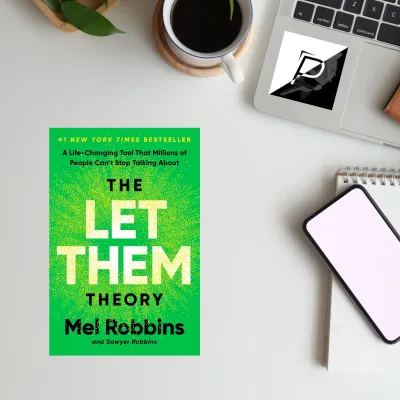
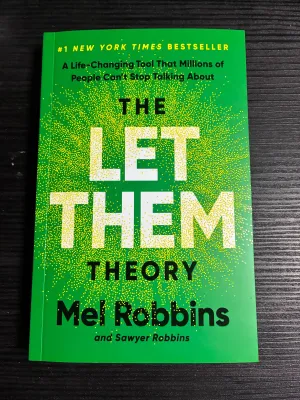
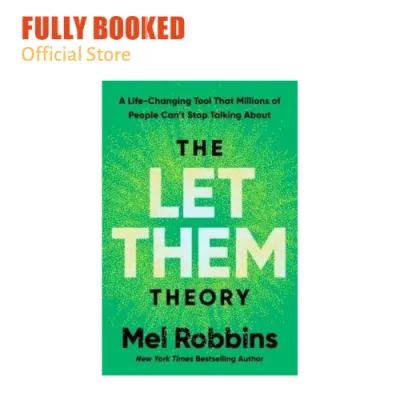
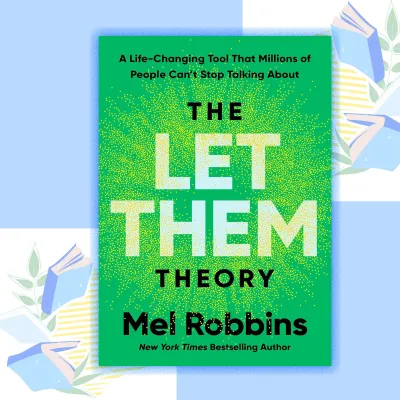
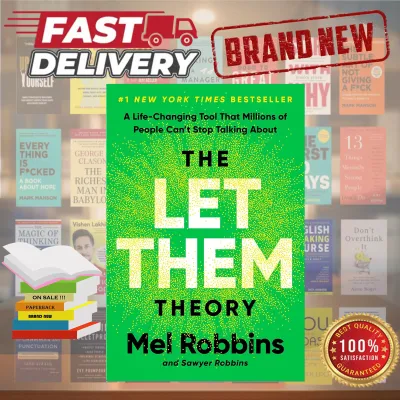
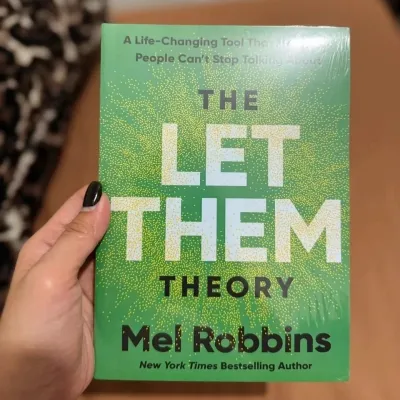
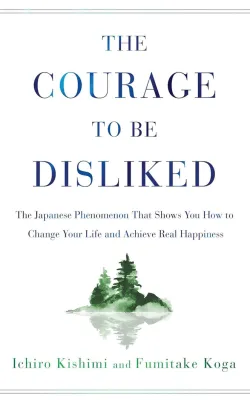
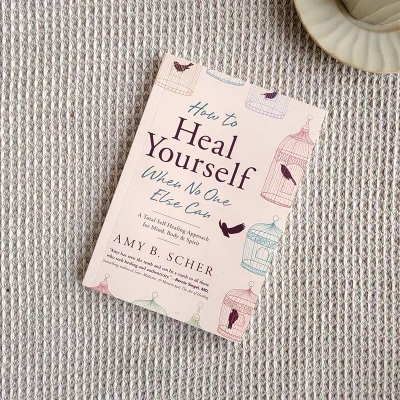
Prices are valid at publication and may change. Please refer to the product page for the latest price.
Because the concept of ‘letting them’ has gained significant traction across social media and digital platforms, readers must exercise caution before making a purchase. It is essential to verify the specific author and official edition of the book to ensure you are receiving the complete, authorized text rather than an unofficial summary, a low-quality transcription, or an AI-generated knockoff. Checking the publisher details and the author’s official channels before buying protects you from incomplete or misleading interpretations of the theory.
Identifying Your Current Personal Development Needs
Before selecting any self-help book, you must conduct a realistic self-diagnosis to pinpoint the exact nature of your current growth challenges. Personal development is not a one-size-fits-all journey, and reading a book that addresses the wrong bottleneck can lead to frustration and a sense of failure. Start by asking yourself whether your primary struggle is interpersonal, behavioral, cognitive, or emotional. Interpersonal struggles involve boundaries and communication; behavioral issues center on habits and productivity; cognitive challenges relate to mindset and self-talk; and emotional struggles often require deep healing or trauma-informed frameworks.

Your current life stage, daily stress levels, and actual time availability should also heavily influence your choice. For instance, if you are navigating a demanding career transition in a fast-paced environment, you might not have the cognitive bandwidth to digest a dense, academic text on cognitive behavioral therapy. In such periods, a highly accessible, concept-driven book like the Let Them Theory can offer immediate, practical relief without requiring hours of study. Conversely, if you are in a relatively stable phase of life and want to optimize your daily output, a structured guide on habit formation might be the perfect fit for your schedule.
Additionally, consider your personal learning preferences and how you absorb information best. Some readers thrive on highly actionable, step-by-step guides that feature worksheets, daily prompts, and measurable goals. Others prefer philosophical reflections, narrative-driven insights, and anecdotal evidence that allow them to contemplate concepts slowly over time. Recognizing whether you need a concrete blueprint or a shift in perspective will help you choose a book that you will actually finish and apply to your life.
Comparing Key Self-Help Categories and Reading Approaches
To make an informed decision, it is helpful to contrast the boundary-setting approach of the Let Them Theory with other mainstream self-help categories. Books focused on emotional detachment and boundaries teach you how to manage your internal reactions to external events that you cannot control. In contrast, habit-building and productivity systems focus entirely on what you can control: your daily routines, time management, and physical actions. While a boundary book helps you stop over-functioning in relationships, a productivity book helps you optimize your personal output and build consistent, positive behaviors.
Another major category involves cognitive reframing and mindset books, which sit between emotional boundaries and daily habits. These texts help you identify and dismantle deep-seated limiting beliefs, imposter syndrome, or negative self-talk. Understanding these distinctions is crucial because changing your internal reaction to others requires a completely different mental toolkit than altering your external daily routines. If you try to solve a boundary problem with a productivity system, you may simply end up micromanaging your schedule while remaining deeply anxious about your relationships.
| Book Category | Core Focus | Ideal Pain Points | Expected Reading Experience |
|---|---|---|---|
| Boundary & Detachment (e.g., Let Them Theory) | Releasing control, setting emotional limits, stopping people-pleasing | Burnout, relationship anxiety, over-functioning, micromanaging others | Perspective-shifting, reflective, emotionally liberating |
| Habits & Productivity | Building daily routines, time management, behavioral consistency | Procrastination, lack of discipline, disorganized daily schedule | Actionable, step-by-step, highly structured with templates |
| Mindset & Cognitive Reframing | Rewiring self-talk, overcoming limiting beliefs, building confidence | Imposter syndrome, chronic self-doubt, fear of failure | Analytical, psychological, focused on internal dialogue |
| Emotional Healing & Trauma | Processing past experiences, emotional regulation, deep self-compassion | Unresolved past issues, emotional reactivity, chronic stress | Gentle, therapeutic, requiring slow pacing and reflection |
By analyzing this matrix, you can see that the Let Them Theory is uniquely suited for those whose primary source of stress is external and interpersonal. If your days are chaotic because you are constantly reacting to the demands and dramas of others, learning to detach is your priority. If your days are chaotic simply because you struggle to wake up on time or manage your tasks, a productivity-focused book is the logical first step.
How to Verify Book Versions and Formats Before Buying
Once you have identified the right category, the next step is ensuring you purchase a high-quality, authorized version of your chosen book. The global self-help market is flooded with unauthorized translations, abridged summaries, and low-quality digital prints that can ruin your reading experience. Always verify the author’s full name, the publication year, and the official publisher before finalizing your purchase. This is especially important for trending concepts like the Let Them Theory, where multiple third-party summaries often appear on online marketplaces, mimicking the cover art of the original work.
You must also choose the format that best aligns with your lifestyle, device compatibility, and reading environment. Physical books are excellent for active reading, allowing you to highlight passages and write notes in the margins, though they require proper storage to protect them from tropical humidity. E-books offer unmatched portability and instant delivery, making them ideal for reading during long commutes, provided your e-reader or tablet is compatible with the file format. Audiobooks are perfect for multitasking, allowing you to absorb key concepts while exercising or doing household chores, though they require a compatible app and a stable internet connection for downloading.
When purchasing books in the Philippines, prices in ₱ can vary significantly depending on the format and the retailer. Authorized physical copies imported by major local bookstores generally carry a premium due to shipping and customs, while digital editions may offer a more cost-effective alternative. Be cautious of extremely low-priced listings on ecommerce platforms, as these are frequently unauthorized photocopies or pirated digital files. To guarantee you are supporting the author and receiving the complete, unedited content, always buy from official publisher channels, verified local bookstores, or established global digital platforms.
Decision Framework: Which Book Should You Read First?
To finalize your decision, apply a simple, condition-based framework to evaluate your immediate personal development goals. If your main source of daily anxiety is the behavior of your partner, family members, or colleagues, and you find yourself constantly trying to fix their problems, choose the Let Them Theory book first. This read will give you the immediate permission you need to step back, lower your stress levels, and establish healthy emotional distance. It acts as an emergency intervention for relationship-induced burnout.
If your relationships are relatively stable but you feel stuck in a cycle of procrastination, poor time management, or inconsistent habits, bypass the boundary books for now and select a structured productivity guide. Your immediate need is behavioral structure, not emotional detachment. Learning how to build a habit loop or manage a daily planner will yield much faster, more measurable improvements in your quality of life than analyzing your interpersonal dynamics.
If you are struggling with deeper psychological barriers, such as persistent imposter syndrome, a harsh inner critic, or unresolved emotional wounds, prioritize a mindset or healing book. These books offer structured psychological frameworks that help you unpack why you feel the way you do, often drawing on established therapeutic practices. If you are ever unsure about a specific book’s suitability, take advantage of official sample chapters or publisher previews online to assess the writing style and depth before spending your hard-earned ₱.
Frequently Asked Questions (FAQ)
Can I read the Let Them Theory book if I am already practicing other self-help methods?
Yes, the concepts in the Let Them Theory can easily complement your existing self-help routines, provided you manage your reading pace to avoid concept overload. For example, you can use a productivity system to organize your personal tasks while simultaneously applying the ‘let them’ mindset to handle workplace interruptions or difficult colleagues. The key is to avoid trying to implement too many major behavioral changes at once. Focus on mastering one core principle—such as setting a specific boundary or establishing a morning routine—before layering on additional self-help frameworks.
How do I know if a self-help book is just repeating common advice?
To determine if a book offers genuine depth or merely repackages basic platitudes, look closely at the author’s professional credentials, clinical background, or unique lived experience. Books grounded in evidence-based practices, psychological research, or years of professional coaching tend to offer much more robust, actionable frameworks than those relying solely on personal anecdotes. Additionally, seek out critical, detailed reviews from verified readers rather than relying on promotional blurbs or bestseller lists. A high-quality book will provide specific, practical exercises and address the nuances and difficulties of applying its advice, rather than promising effortless, overnight transformation.

Community discussion
Share your experience or ask a question. Comments are reviewed before publication.