
Finding a learning to love myself book is a deeply personal endeavor, especially when navigating the unique cultural landscape of the Philippines. While global self-help bestsellers offer valuable insights, many readers find a disconnect between Western individualistic advice and the collectivist realities of local daily life. True self-acceptance for a Filipino reader involves more than just positive affirmations; it requires unpacking complex family dynamics, societal expectations, and historical influences that shape how we view our worth. By choosing books that address these specific cultural nuances, you can embark on a transformative journey that feels both relevant and sustainable.
To make the most of your reading, it is helpful to understand how to evaluate books based on your personal needs, cultural context, and practical goals. Rather than picking a title at random, taking a structured approach to selecting your next read ensures that the time and emotional energy you invest will yield genuine, lasting growth.
Identifying Your Personal Growth Goals and Emotional Triggers
Before browsing the shelves of your local bookstore or scrolling through digital catalogs, it is essential to identify what specific emotional hurdles you are currently facing. Many readers seek out self-acceptance literature when they hit a wall of exhaustion, often driven by chronic people-pleasing, imposter syndrome, or severe burnout. In a culture where maintaining harmony and avoiding conflict are highly valued, the tendency to prioritize others’ needs over your own can easily lead to emotional depletion. Recognizing whether your primary struggle is setting boundaries, overcoming a sense of inadequacy at work, or recovering from physical and mental exhaustion will help you narrow down your reading list.
Products mentioned in this guide
![Learning To Love Myself by alex aubrey KL ENG]](https://img.lazcdn.com/g/p/26614516c50ead5cd6f14adfeb3632b1.jpg_400x400q80.jpg_.webp)
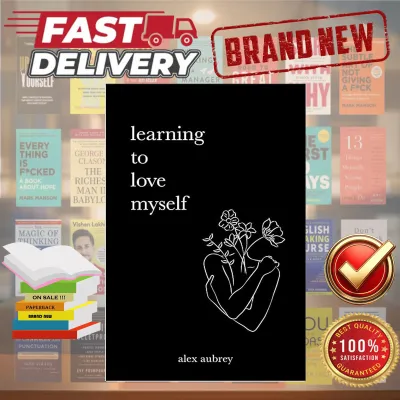
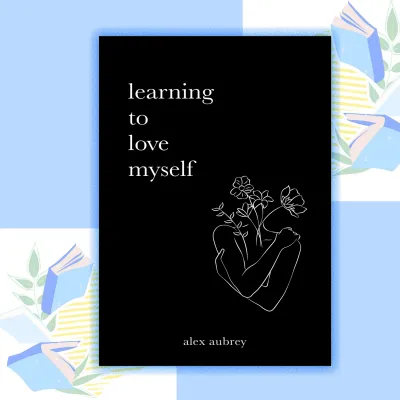
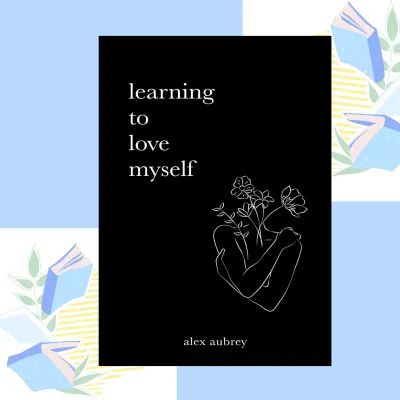


Prices are valid at publication and may change. Please refer to the product page for the latest price.
It is also important to distinguish between general motivational self-help and targeted self-acceptance work. Motivational books often focus on productivity, goal achievement, and maintaining a high-energy, positive outlook. While these can be inspiring, they sometimes gloss over deep-seated emotional wounds or encourage a cycle of toxic positivity. In contrast, a dedicated learning to love myself book focuses on self-compassion, emotional regulation, and accepting your flaws and limitations. This type of reading requires a different mindset—one that is patient, reflective, and willing to sit with uncomfortable truths rather than rushing toward a quick fix.
As you begin this process, set realistic expectations for your personal growth journey. Reading a book on self-acceptance is not a magic cure that will instantly resolve years of internalized pressure or low self-esteem. Real change happens in the quiet moments of reflection between chapters and in the deliberate application of the book’s concepts to your daily life. Treat the book as a supportive guide rather than a rigid rulebook, and allow yourself the grace to progress at your own pace, understanding that healing is rarely linear.
Key Cultural Themes to Look for in Self-Acceptance Books
To find a book that truly resonates, look for narratives and frameworks that address the specific cultural themes shaping the Filipino experience. One of the most prominent themes is navigating family expectations and filial piety. In close-knit family structures, individual desires often clash with parental expectations or the collective needs of the household. Setting healthy boundaries can easily be misinterpreted as disrespect or a lack of gratitude. A book that offers practical advice on establishing personal boundaries while maintaining deep, respectful family connections can provide invaluable guidance for local readers.

Another critical theme to look for is the dismantling of colonial mentality and internalized colorism. For generations, local beauty and success standards have been heavily influenced by external, Westernized ideals, often favoring lighter skin tones, specific physical features, and corporate benchmarks that do not align with everyone’s reality. This can leave many feeling inherently inadequate or disconnected from their identity. Books that encourage readers to redefine beauty, success, and self-worth on their own terms—free from historical biases—are essential tools for building authentic self-esteem.
Furthermore, a valuable self-acceptance book should address the delicate balance between traditional community values and individual mental health. The concepts of shared identity and communal unity are beautiful pillars of local society, fostering deep empathy and community support. However, when taken to an extreme, they can lead to the erasure of personal space and individual needs. Look for authors who explore how to honor these communal values without sacrificing your own mental well-being, teaching you that caring for yourself is actually a prerequisite for showing up fully for others.
Criteria for Evaluating and Selecting the Right Book
With thousands of titles available, evaluating a book’s suitability before purchasing can save you time and emotional energy. Start by assessing the author’s background and cultural competence. Consider whether the author’s perspective aligns with your lived experience or if they demonstrate a deep understanding of collectivist cultures. While Western psychologists offer excellent clinical insights, authors who have lived or worked within Asian or multicultural contexts often provide advice that translates more smoothly to a local household.
Next, examine the structural design of the book. A highly effective learning to love myself book rarely consists of pure theory or passive storytelling. Look for books that incorporate interactive elements, such as reflective journaling prompts, guided meditations, or actionable daily exercises. These practical tools encourage you to actively engage with the material, helping you translate abstract concepts of self-love into concrete behavioral changes in your daily routine.
Finally, make it a habit to read critical reviews rather than relying solely on promotional blurbs or bestseller badges. Look for reviews from readers who share similar backgrounds or struggles, paying close attention to any mentions of cultural mismatches, overly generalized advice, or toxic positivity. If multiple reviewers note that a book’s advice feels dismissive of real-world systemic challenges or family obligations, it may not be the most practical choice for your current journey.
Purchasing Channels and Pre-Purchase Verification Checklist
Once you have selected a title, sourcing an authentic copy is the next step to ensure a high-quality reading experience. Whenever possible, purchase from authorized local bookstores, direct publisher websites, or official brand stores on reputable e-commerce platforms. While unauthorized reprints or extremely cheap copies may seem tempting, they often suffer from severe quality issues, such as missing pages, blurry or illegible text, and weak bindings that fall apart after a single reading. Supporting authorized sellers also ensures that authors are fairly compensated for their work.
Before finalizing your purchase, run through a quick verification checklist. If you are buying a physical copy in a store, inspect the cover, spine, and pages for any printing defects or physical damage. If you prefer digital formats, verify the device compatibility of the e-book or audiobook. Some digital platforms use proprietary formats or digital rights management restrictions that may prevent the book from loading on your specific e-reader or mobile application. Additionally, check for region locks, as certain digital editions may not be accessible or downloadable within the Philippines due to licensing agreements.
Frequently Asked Questions (FAQ)
How many self-help books should I read at the same time?
It is generally highly recommended to focus on one self-acceptance book at a time. Unlike fiction or light non-fiction, personal growth books require deep mental processing, emotional vulnerability, and active practice of the exercises provided. Reading multiple books simultaneously can lead to information overload, confusing advice, and self-help fatigue. If you find yourself skimming pages, feeling overwhelmed by conflicting frameworks, or failing to apply any of the concepts to your life, these are clear signs of reading fatigue. When this happens, take a deliberate break from personal development materials and allow yourself time to integrate what you have already learned.
Can reading self-love books replace professional therapy?
While self-love books are excellent tools for daily reflection, psychoeducation, and developing basic coping strategies, they cannot replace professional therapy. Books offer generalized guidance, whereas a licensed therapist or counselor provides personalized support tailored to your unique history and mental health needs. If you experience persistent feelings of hopelessness, severe anxiety, unresolved trauma, or emotional struggles that interfere with your daily functioning and relationships, it is important to seek professional help. In the Philippines, many mental health organizations and clinics offer both in-person and teleconsultation services to support you alongside your self-guided reading journey.
Community discussion
Share your experience or ask a question. Comments are reviewed before publication.