
Choosing the right Laney LFR (Full Range Flat Response) cabinet for your guitar modeling setup depends on matching the speaker configuration, power handling, and physical form factor to your specific digital modeler, venue size, and transport options. While compact models excel in portability and personal stage monitoring, larger configurations provide the physical low-end and wide sound dispersion needed to fill bigger rooms. Finding the right balance ensures that your carefully crafted digital presets translate accurately from your headphones to a live audience. This guide breaks down the core decision factors to help you select the LFR model that best integrates with your rig and playing environment.
Understanding the Laney LFR Series for Guitar Modeling
Digital guitar modelers, profiling amps, and multi-effects processors have revolutionized how guitarists shape their tone. However, running these advanced digital systems through a traditional guitar amplifier and cabinet often leads to disappointing results. Traditional guitar cabinets are highly colored, meaning they naturally boost mid-range frequencies and roll off high and low extremes to suit a standard guitar signal. When you run a digital modeler—which already includes a simulated cabinet and microphone (known as an Impulse Response or IR)—through a traditional cabinet, you end up double-filtering your sound, resulting in a muddy, harsh, or unnatural tone.
This is where the Laney LFR series comes in. These cabinets are designed with a flat frequency response and a wide dynamic range, acting essentially as high-powered, flat-response reference monitors styled to look like classic guitar gear. By delivering an uncolored audio output, an LFR cabinet ensures that the precise amp simulations, cabinet models, and microphone placements you configure in your processor are reproduced faithfully without any added tonal coloration.
Products mentioned in this guide
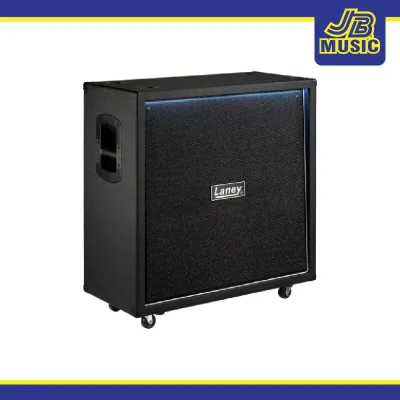
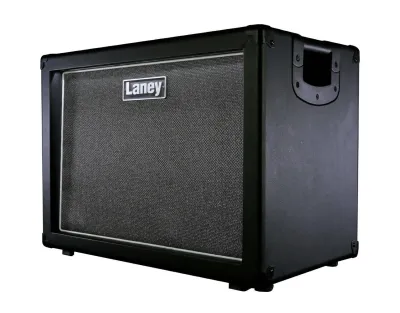
Prices are valid at publication and may change. Please refer to the product page for the latest price.
Before integrating an LFR cabinet into your setup, it is crucial to verify the output compatibility and signal chain requirements of your multi-effects unit. Most modern modelers offer dedicated line-level outputs, but you must ensure your unit is set to output a line-level signal rather than an instrument-level signal. Matching these levels correctly prevents input clipping at the cabinet’s preamp stage, keeping your signal clean, dynamic, and free of unwanted digital distortion or excessive background hiss.
Key Comparison Dimensions for Laney LFR Models
When comparing different models within the Laney LFR lineup, the physical speaker configuration and cabinet volume are the most immediate differentiators. A single-speaker cabinet, typically housing a 12-inch driver alongside a high-frequency compression driver, offers a compact footprint that is highly manageable for solo musicians. However, a dual-speaker configuration, which houses two 12-inch drivers, significantly increases the physical volume of the cabinet. This larger enclosure allows for deeper low-end reproduction and a wider horizontal sound dispersion, making your guitar sound massive and more three-dimensional on stage.

Power handling and headroom are equally critical specifications to verify. Active LFR cabinets feature built-in solid-state power amplifiers designed to deliver clean, uncolored power. When evaluating these models, focus on the continuous RMS power rating rather than peak power. High headroom is essential for digital modeling because digital amp simulations produce sharp transient peaks that can easily cause a low-wattage amplifier to clip. Ample headroom ensures your clean tones remain pristine and your high-gain patches retain their punch and definition even at high stage volumes.
Form factor, weight, and physical utility also play a major role in your daily workflow. Heavy gear can be a significant burden, especially when navigating tight stairwells or loading equipment into compact vehicles. In tropical climates like the Philippines, high humidity can also affect gear longevity. Cabinets constructed with high-quality, moisture-resistant materials or robust vinyl coverings are easier to maintain and protect against mold or wood swelling. Some LFR models feature built-in tilt mechanisms or are shaped like traditional stage wedges. A cabinet that can be tilted upward allows you to direct the high-frequency beam directly toward your ears rather than your legs, providing much clearer personal monitoring on a loud stage.
Finally, examine the input and output routing flexibility of each model. Look for cabinets that offer combi-input jacks (supporting both XLR and 1/4-inch connections) and link outputs. These features allow you to chain multiple cabinets together for a true stereo rig or send a balanced, cabinet-emulated direct signal straight to the front-of-house PA system. This routing flexibility ensures you can monitor your sound on stage while giving the sound engineer complete control over the audience mix.
Matching the Cabinet to Your Venue and Use Case
Your choice of a Laney LFR model should align closely with where you play most frequently. For home studios, bedroom practice, or quiet recording environments, a massive dual-speaker cabinet is often impractical. In these controlled spaces, a compact, single-speaker LFR model is highly advantageous. It provides a full-frequency, detailed response even at low volumes, allowing you to tweak your presets accurately without disturbing neighbors or family members.
For small to medium live venues, such as local bars and clubs in busy metropolitan areas, stage space is often at a premium. In these environments, balancing your stage volume with the venue’s front-of-house PA system is key. Transporting gear through heavy traffic or using compact ride-hailing services makes a highly portable rig incredibly valuable. A single-speaker LFR cabinet configured as a stage wedge is often a highly effective solution. It provides clear, localized monitoring for you and your bandmates, while a direct line-out sends your signal to the main PA. This setup keeps the stage quiet and prevents your guitar from overpowering the vocal microphones.
On larger stages or in loud band contexts—particularly when playing alongside an aggressive acoustic drummer or a powerful bass rig—you need more physical presence. A dual-speaker LFR cabinet or a stereo pair of single-speaker cabinets becomes necessary here. The increased air movement and wider dispersion help your sound cut through the stage noise, ensuring you can hear your nuances clearly without pushing the cabinet’s power amplifier into clipping.
Budget and Value Considerations
Evaluating the financial investment of a Laney LFR cabinet requires looking beyond the initial purchase price. It is highly recommended to check authorized local music retailers in the Philippines to obtain current pricing in ₱. Avoid relying on direct currency conversions from international websites, as local prices will reflect shipping costs, import duties, and local distributor warranties. Purchasing from an authorized local dealer also ensures you have access to reliable warranty support, which is crucial for active electronic gear.
When deciding between an entry-level single-speaker model and a premium dual-speaker configuration, weigh the cost difference against your actual gigging frequency and transport capabilities. If you gig constantly and rely on public transport or small vehicles, the added cost of a larger, heavier cabinet may not justify the logistical headache, even if it offers more power.
Additionally, remember to budget for essential accessories that complete your rig. To connect your digital modeler to an active LFR cabinet safely, you will need high-quality balanced XLR or TRS cables to prevent unwanted hum and interference. Investing in a heavy-duty padded transport bag is also highly advisable. In tropical climates with high humidity and sudden downpours, a durable, water-resistant cover protects the cabinet’s wooden enclosure, vinyl wrap, and internal electronics from moisture, dust, and physical damage during transit. This simple addition can significantly extend the lifespan of your active cabinet.
Final Decision Framework: Which LFR Should You Choose?
To finalize your decision, use a practical framework based on your portability needs, performance environments, and technical requirements. Choose a compact, single-speaker LFR configuration if your primary goals are portability, easy transport, and controlled stage volumes. This setup is ideal for guitarists who frequently play in venues with robust PA systems, where the cabinet serves primarily as a personal monitor, or for those who do most of their playing in home studios.
Opt for a larger, dual-speaker LFR configuration if you need to fill the stage with physical sound, play in loud bands without consistent PA support, or want to experience the full depth of stereo modulation and delay effects directly from your backline. The extra speaker surface area and cabinet volume are essential for recreating the physical punch of a traditional half-stack.
Regardless of the model you select, always verify your digital modeler’s output specifications before plugging in. Ensure that your processor’s output level matches the input sensitivity of the LFR cabinet to maintain optimal gain staging. This simple check prevents unwanted noise, preserves your dynamic range, and ensures your digital amp simulations sound as organic and responsive as possible.
Frequently Asked Questions (FAQ)
Do I need a specific cable to connect my modeler to a Laney LFR?
Yes, using the correct cable is highly important for maintaining signal integrity and minimizing noise. Most digital modelers and active Laney LFR cabinets are designed to use balanced connections, which typically require XLR or 1/4-inch TRS (Tip-Ring-Sleeve) cables. Balanced cables are designed to reject external electromagnetic interference, which is common on stages with complex lighting rigs or older electrical wiring. Check your digital modeler’s user manual to confirm if its outputs are balanced. While standard unbalanced TS instrument cables will work over very short distances, they are highly susceptible to picking up hum and noise over longer cable runs.
Can I use a Laney LFR cabinet with a traditional tube amp head?
No, you must never connect the speaker output of a traditional tube amplifier head directly to an active Laney LFR cabinet. Active LFR cabinets contain their own built-in solid-state power amplifiers and are designed to receive low-level line signals from digital modelers, preamps, or multi-effects units. Sending a high-voltage speaker signal from a tube amp head into the line-level input of an active cabinet will instantly destroy the cabinet’s input circuitry and can cause catastrophic damage to your tube amplifier’s output transformer due to an extreme impedance mismatch. If you want to use a tube amp head, you must run it through a dedicated reactive load box with a line-level output before connecting to the LFR.
Community discussion
Share your experience or ask a question. Comments are reviewed before publication.