
Quick Answer: Which Instrument Fits Your Needs?
Choosing the right keyboard instrument can feel overwhelming when faced with terms like “portable keyboard,” “digital piano,” and the colloquial “keyboard piano.” If you are looking for a quick answer, the choice comes down to your personal goals, budget, and space. A digital piano is designed to replicate the touch and sound of an acoustic piano, making it the ideal choice for classical students and serious pianists. Conversely, a portable keyboard piano offers a wide array of instrument sounds, rhythms, and a lightweight, budget-friendly design that is perfect for casual players, music producers, and beginners.
Use this simple decision framework to guide your purchase:
- Choose a Digital Piano if: Your primary goal is to learn classical piano technique, you need an authentic acoustic piano touch with fully weighted keys, and you have a dedicated, permanent space at home.
- Choose a Portable Keyboard if: You want versatility with hundreds of instrument sounds and auto-accompaniment rhythms, need a lightweight instrument for travel or small spaces, are producing pop or electronic music, or are on a strict entry-level budget.
- Verify First if: You are unsure about your long-term musical commitment. In this scenario, consider a mid-tier portable keyboard with touch-sensitive keys as a practical bridge option before investing in a heavy digital piano.
What Is a "Keyboard Piano" vs a Digital Piano?
The term “keyboard piano” is a colloquial umbrella phrase that often blends two distinct categories of electronic instruments. In retail and musical circles, this linguistic overlap can lead to confusion, but the structural, mechanical, and functional differences between a portable keyboard and a digital piano are substantial.
Products mentioned in this guide
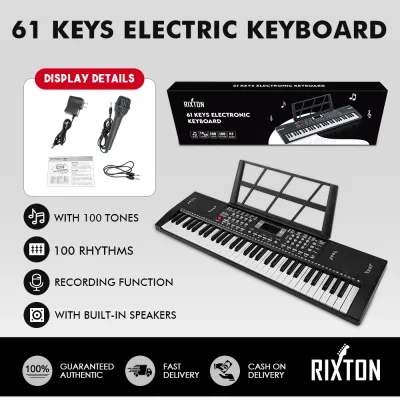
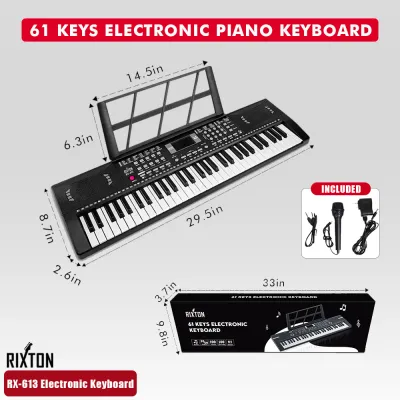
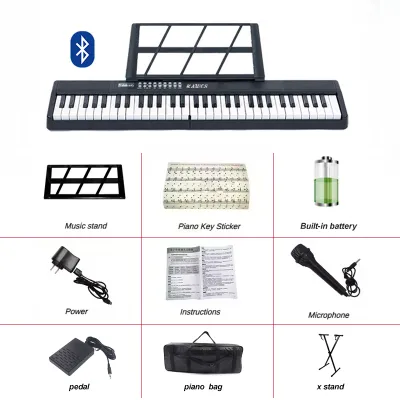
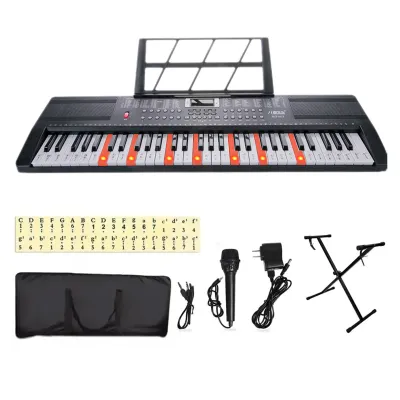
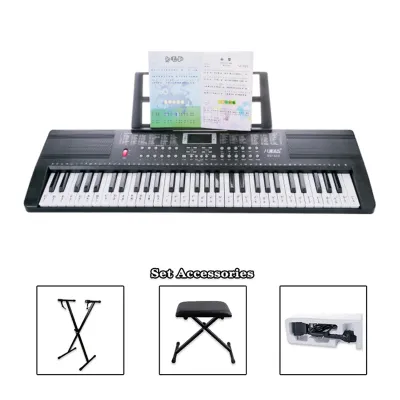
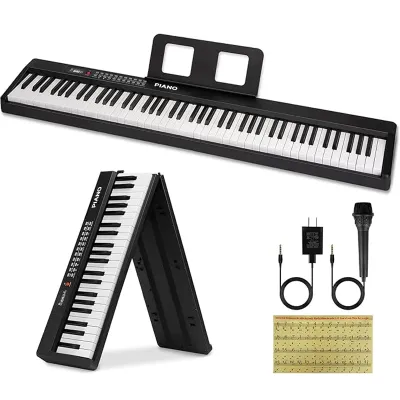
Prices are valid at publication and may change. Please refer to the product page for the latest price.

A Portable Keyboard is designed for versatility, portability, and musical exploration. These instruments typically feature 61 or 76 unweighted or semi-weighted keys, which offer little to no physical resistance when pressed. Housed in a lightweight plastic chassis, they are easy to carry and store. Portable keyboards are packed with massive libraries of instrument voices—ranging from synths and brass to drums and sound effects—alongside auto-accompaniment rhythms that act as a virtual backing band. They are built for casual play, songwriting, and introducing beginners to basic music theory.
A Digital Piano, on the other hand, is engineered with a singular focus: to replicate the acoustic piano experience as closely as possible. It almost always features a full keyboard of 88 fully weighted keys that simulate the hammer action of a traditional grand piano. The internal sound engine is dedicated to high-resolution, deeply sampled acoustic piano tones, capturing the subtle nuances of string resonance and key-off dynamics. Digital pianos are heavier, more substantial instruments, available either as sleek, portable stage pianos or as furniture-style cabinet models designed to remain stationary in a room.
Key Differences: Comparing a Keyboard Piano and a Digital Piano
To understand which instrument will best serve your musical journey, it is essential to look under the hood. The differences in key action, sound generation, and physical design directly impact how you play, how the instrument responds, and where you can use it.
Key Action and Touch Response
The physical sensation of pressing a key is the most critical difference between these two instruments. Portable keyboards typically utilize synth-action or unweighted keys. These keys rely on simple plastic springs or rubber dome contacts, offering a light, springy feel with zero resistance. While excellent for playing fast synthesizer leads, organ glissandos, or brass hits, they do not behave like acoustic piano keys. Some mid-range keyboards offer semi-weighted keys, which add a small amount of resistance but still lack the mechanical complexity of a real piano action.
Digital pianos employ fully weighted hammer action (often called graded hammer action). This mechanism uses physical weights and levers inside the chassis to replicate the weight of real wooden hammers striking strings. On a graded keyboard, the keys in the lower bass register feel heavier to press than those in the higher treble register, precisely mirroring an acoustic piano. This resistance is vital for building finger strength, developing muscle memory, and mastering dynamic control (the ability to play softly pianissimo or loudly fortissimo).
Sound Engine and Polyphony
The sound libraries of these instruments prioritize different goals. A portable keyboard focuses on width. It provides hundreds of varied, sometimes synthetic voices. While having access to electric guitars, flutes, and sci-fi synth pads is highly entertaining, the individual quality of the acoustic piano samples on an entry-level keyboard is often basic and flat.
A digital piano focuses on depth. Manufacturers record high-end concert grand pianos at multiple dynamic levels to create complex, multi-layered samples. Advanced digital pianos also use physical modeling to simulate string resonance, damper resonance, and even the sound of the wooden cabinet vibrating.
Furthermore, digital pianos offer higher polyphony—the maximum number of individual notes or voices the instrument can produce simultaneously. While a basic keyboard might offer 32-note or 64-note polyphony, a quality digital piano typically features 128-note or 256-note polyphony. High polyphony is crucial when playing complex classical pieces with the sustain pedal pressed; without it, older notes will abruptly cut off to make room for new ones.
Portability, Footprint, and Connectivity
Portable keyboards are built for the musician on the move. Weighing between 3 to 6 kilograms, they can easily be carried in a gig bag, set up on a light collapsible stand, or powered by AA batteries for outdoor performances. This makes them highly convenient for small living spaces where the instrument must be packed away after practice.
Digital pianos are considerably heavier. Portable stage pianos weigh between 11 to 25 kilograms and require robust, heavy-duty stands. Cabinet-style digital pianos, which feature integrated wooden stands and three-pedal units, can weigh anywhere from 30 to over 80 kilograms. These are stationary furniture pieces that require a dedicated footprint in your home.
In terms of connectivity, both instruments generally offer headphone jacks for silent practice and USB-to-Host (MIDI) ports to connect to computers or tablets. However, you must verify specific model specifications for advanced interfaces, proprietary codecs, and system compatibility if you plan to connect external audio gear or use specific digital audio workstations (DAWs).
| Feature | Portable Keyboard | Digital Piano |
|---|---|---|
| Key Count | 61 or 76 keys | 88 keys (standard) |
| Key Action | Synth-action / Unweighted / Semi-weighted | Fully weighted / Graded hammer action |
| Sound Focus | Broad library (hundreds of diverse voices) | Deep, highly detailed acoustic piano samples |
| Polyphony | Typically low (32 to 64 notes) | High (128 to 256 notes, or unlimited) |
| Weight | Very light (3 to 6 kg); highly portable | Moderate to heavy (11 to 80+ kg); stationary |
| Power Source | AC adapter or battery power | AC adapter only |
| Primary Use | Casual play, songwriting, portable gigging | Classical training, serious piano study |
Which Instrument Fits Your Playing Goals and Space?
Choosing between these two instruments requires looking past the specifications and focusing on your daily life, musical ambitions, and living arrangements. Base your final purchase decision on your intended use, content preferences, and learning goals.
For Classical Students and Serious Pianists
If your goal is to learn classical piano, prepare for formal music examinations, or play complex solo piano repertoire, a digital piano is non-negotiable. Music teachers almost universally mandate an 88-key instrument with graded hammer action from day one.
Learning on unweighted keys prevents you from developing the finger strength and hand posture required to play an acoustic instrument. If you practice exclusively on a light keyboard, you will find it incredibly difficult to control your volume and expression when sitting down at a real acoustic piano, as the keys will feel heavy and unresponsive to your untrained hands.
For Beginners, Kids, and Casual Players
For young children, absolute beginners, or those who simply want to play popular melodies as a hobby, a 61-key portable keyboard is an excellent, low-risk starting point. The lighter keys are easier on small, developing fingers, and the interactive features can keep learners engaged.
Many portable keyboards feature built-in lesson suites, light-up keys that guide your fingers, and auto-accompaniment styles. Playing along with a drum beat and a backing bass line makes practice sessions feel like playing in a band, which can be highly motivating for kids who might otherwise grow bored of repetitive classical scales.
For Music Producers and Gigging Musicians
For music production, a lightweight portable keyboard with USB-MIDI connectivity is often the more practical choice. Producers rarely need a full 88-weighted-key bed to input MIDI notes, program drum loops, or trigger synthesizer lines into a computer. A compact 61-key keyboard fits neatly on a studio desk and leaves room for other production gear.
For gigging musicians, the choice depends entirely on the genre. If you play in a wedding band or a church worship group where you need to switch rapidly between acoustic pianos, vintage electric pianos, string sections, and synth pads, a versatile stage keyboard is ideal. However, if your role is to provide solo piano accompaniment, you will require the expressive touch and high-quality piano samples of a dedicated 88-key stage piano.
Navigating Space and Living Constraints
Living arrangements play a massive role in instrument selection, particularly in urban areas of the Philippines where apartment spaces can be compact.
If you live in a shared space or high-rise condominium, a portable keyboard offers unmatched flexibility. You can set it up on a collapsible X-stand for a quick practice session and slide it under a bed or into a closet when guests arrive.
If you opt for a digital piano, you must plan for its permanent footprint. While a cabinet-style digital piano looks elegant, it cannot be easily moved. Furthermore, the tropical climate in the Philippines presents unique environmental challenges. High humidity and ambient heat can affect the internal electronics and physical key mechanisms of any instrument. If you choose a premium digital piano, ensure it is kept away from open windows during the rainy season, direct sunlight, and direct drafts from air conditioning units. Utilizing dust covers and placing silica gel packets near the internal keybed can help protect electronic contacts from moisture damage.
Budget and Buying Tips for Local Shoppers
When navigating the market, understanding the relative value within different pricing tiers will help you allocate your budget effectively without overspending.
Understanding Pricing Tiers
- Entry-Level (Budget-Friendly): This tier is dominated by 61-key portable keyboards. They are highly affordable but feature unweighted keys and basic sound engines. They are perfect for toddlers, casual hobbyists, or testing a child's initial interest.
- Mid-Range (Value & Versatility): Here you will find advanced portable keyboards with touch-sensitive keys, as well as entry-level 88-key portable digital pianos. This tier offers the best balance for serious beginners who want weighted keys but need to stay within a reasonable budget.
- Premium (Performance & Cabinet Models): This tier features high-end digital pianos with advanced hybrid or wooden key actions, physical sound modeling, powerful multi-speaker systems, and elegant wooden cabinets. These are lifetime investments for dedicated pianists.
Factoring in Hidden Costs
When planning your purchase, remember that the instrument itself is only part of the equation. Ensure you budget for these essential accessories:
- A Sturdy Stand: Avoid cheap, flimsy single-braced X-stands for heavy 88-key digital pianos; they will wobble when you play energetically. Opt for a double-braced X-stand, a Z-stand, or the manufacturer's matching wooden stand.
- An Adjustable Bench: Proper playing height is crucial for preventing wrist strain and maintaining correct posture.
- A Sustain Pedal: Many entry-level keyboards do not include a sustain pedal, or they include a cheap plastic square switch. For realistic piano practice, purchase a physical metal sustain pedal (preferably one that supports half-damper pedaling if your instrument is compatible).
- Studio Headphones: A good pair of closed-back headphones allows for silent practice at any hour without disturbing family members or neighbors, while delivering a much richer stereo sound than basic built-in speakers.
Verification and In-Store Testing
Before finalizing your purchase, verify the specific edition of the instrument, language support for any built-in educational software, regional restrictions on companion mobile apps, and device compatibility with your smartphone or computer. Never infer the exact contents, sound libraries, or key actions solely from a product’s title or cover image on online marketplaces.
Touch sensitivity, key weight, and speaker resonance are highly subjective. It is strongly recommended to visit authorized local music stores to test the instruments in person. Play a few notes, feel the weight of the keys, and listen to the speakers at different volume levels. Bring your own headphones to test the sound engine objectively without showroom background noise.
Finally, always purchase from authorized local dealers to ensure you receive a valid manufacturer’s warranty. This protects your investment against voltage fluctuations (common in local electrical grids—always use a high-quality surge protector) and ensures access to official replacement parts and repair services if needed.
Frequently Asked Questions (FAQ)
Can I learn piano on a 61-key keyboard?
Yes, you can learn the absolute basics of music theory, finger placement, simple melodies, and basic chords on a 61-key keyboard. However, as you progress to intermediate classical or contemporary pieces, you will quickly run out of keys. Standard piano music is written for an 88-key range, and the lack of weighted keys on a standard 61-key keyboard will eventually hinder your ability to develop proper finger strength and dynamic expression.
Do digital pianos need tuning?
No, digital pianos and portable keyboards never require tuning. The sounds are generated digitally from pre-recorded samples or mathematical models, meaning they will always remain perfectly in tune. However, they do require physical maintenance. Keep the instrument covered when not in use to prevent dust from settling between the keys and interfering with the electronic sensors. Clean the keys using a dry, lint-free microfiber cloth, and avoid using harsh liquid cleaners or wet cloths that could introduce moisture to the internal circuitry.
Is a portable keyboard good for toddlers?
Yes, a portable keyboard is excellent for toddlers and very young children. The light, unweighted keys are easy for small hands to press, and the colorful buttons, animal sound effects, and built-in rhythms are highly engaging. It serves as a fantastic tool for sensory development and introducing basic rhythm. However, if the child shows a serious interest in learning formal piano as they grow older, you should transition them to an instrument with touch-sensitive or fully weighted keys to support their motor skill development.
Community discussion
Share your experience or ask a question. Comments are reviewed before publication.