
Collecting physical music releases and exclusive merchandise has become a core part of supporting global music groups like KATSEYE. As their fanbase grows, limited and special edition items naturally become highly sought-after pieces of memorabilia. Navigating the world of physical collectibles requires a clear understanding of what makes an item rare, how to verify its authenticity, and how to preserve its condition over time. By focusing on official release details, physical condition, and secure sourcing methods, you can build a valuable collection that stands the test of time.
To make informed decisions, collectors must look past the initial excitement of a release and analyze the structural factors that determine long-term value. Not every item labeled as special is truly rare, and understanding the mechanics of production runs is the first step toward smart collecting. Whether you are looking to acquire physical albums, exclusive photobooks, or limited event merchandise, establishing a systematic approach to evaluation will protect your investment and enhance your enjoyment of the hobby.
Criteria for Evaluating KATSEYE Collectible Value
Evaluating the collectible value of physical music merchandise requires a balance of objective criteria and market awareness. The primary factor in determining rarity is the distinction between standard, limited, and special edition pressings. Standard editions are typically kept in print continuously to satisfy ongoing demand, meaning their supply remains flexible. In contrast, limited editions are produced in a single, predetermined run, often accompanied by an official announcement stating that no additional copies will be manufactured once stock is depleted. Special editions may feature unique packaging or bonus content but might still be reprinted if demand warrants, making it essential to monitor official distributor announcements for production caps.
Products mentioned in this guide

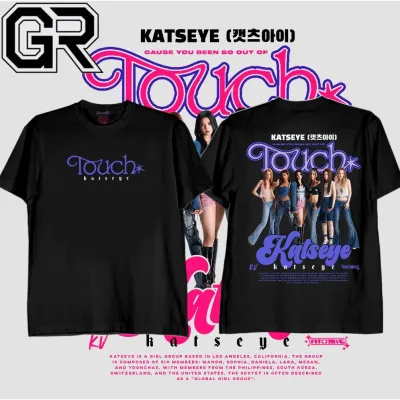




Prices are valid at publication and may change. Please refer to the product page for the latest price.
Inclusions play a massive role in the overall desirability of a physical release. For many collectors, the physical disc or photobook is only part of the appeal; the inclusion of exclusive items like specific photocards, posters, postcards, or event entry tickets often drives the secondary market value. Randomly distributed inclusions, where buyers receive one of several possible designs, naturally create a secondary market for trading and purchasing individual components. When evaluating a complete set, the presence of all original inclusions significantly elevates its value compared to an “unsealed” or “incomplete” item that has been stripped of its inserts.
The physical condition of the item is another critical pillar of collectible value. In the secondary market, items are often graded based on their state of preservation. A factory-sealed item, still wrapped in its original shrink-wrap, commands a premium because it guarantees that the contents are pristine and untouched. Once an item is unsealed, its value depends heavily on packaging integrity. Dented corners, torn outer sleeves, or faded covers caused by sunlight exposure can drastically reduce an item’s appeal to serious collectors. Maintaining a flawless exterior is just as important as keeping the internal components intact.
Main Categories of Limited and Special Edition Merch
Physical music releases form the foundation of any music collection, and they come in several distinct configurations. Standard CD albums are the most common, but special versions often feature alternative cover art, expanded photobooks, or unique packaging concepts like box sets or tin cases. Vinyl records represent another highly collectible category, often pressed in limited quantities with colored wax, picture discs, or gatefold jackets. These vinyl variants are highly prized not only for their analog audio quality but also for their visual appeal and larger artwork format, making them standout display pieces.

Beyond standard album releases, official photobooks and seasonal packages offer a deeper look into a group’s visual concepts. Seasonal greeting packages, often released annually, typically include a combination of calendars, planners, behind-the-scenes photobooks, and exclusive stationery items. These sets are inherently limited because they are tied to a specific year and are rarely reprinted once that year passes. Anniversary commemorative sets or special milestone photobooks also fall into this category, offering high-quality printing and exclusive editorial content that is not available in standard album releases.
Exclusive event merchandise represents some of the rarest items a collector can acquire. This category includes items sold exclusively at physical pop-up stores, concert tour venues, or special fan meetings. Because these items are often sold only for a limited time at specific physical locations, they carry a high level of geographic exclusivity. Additionally, broadcast items—such as exclusive photocards given to attendees of television music show recordings—are produced in extremely small quantities and are never made available for public sale, making them some of the most coveted pieces in the secondary market.
Crucial Verification Steps Before Buying Rare Items
Before purchasing any rare or limited edition item, especially from secondary sellers, verifying the product’s technical specifications is essential. Physical media releases often vary by region, which can affect compatibility and content. For video content, such as DVDs or Blu-rays included in special packages, you must check the region codes to ensure they will play on your local equipment. Language specifications, subtitle options, and audio formats should also be verified, as different regional pressings may feature different language tracks or translation options.
Authenticity markers are your primary defense against counterfeit goods. Official merchandise almost always features specific security elements, such as holographic stickers, embossed logos, or unique serial numbers on the packaging. Many music distributors use specialized holographic labels that change color or reveal hidden patterns when tilted under light. Before finalizing a purchase, compare the seller’s photos with official product images and unboxing videos from trusted sources to verify that the placement of logos, text fonts, and overall color saturation matches the official release.
When browsing listings on online marketplaces or e-commerce platforms, learning to identify red flags can save you from costly mistakes. Be cautious of listings that use generic stock photos instead of actual pictures of the item in the seller’s possession. Vague descriptions that fail to list the exact condition of the item or omit details about included components should be treated with suspicion. If a seller claims an item is “like new” but refuses to provide close-up photos of the corners, edges, or holographic stickers, it is safer to look elsewhere. Always ask for a complete list of inclusions to ensure you are getting what you expect.
Sourcing Authentic Releases and Avoiding Counterfeits
The safest way to acquire genuine limited edition merchandise is to prioritize official retail channels. Purchasing directly from official brand websites, authorized physical music stores, or recognized regional distributors in the Philippines ensures that your money goes toward authentic products and directly supports the artists. These authorized sellers receive their inventory directly from the manufacturers, eliminating the risk of receiving counterfeit goods. For international releases, look for established global distributors that offer reliable shipping and clear tracking options.
When an item is sold out through official channels, navigating the secondary market becomes necessary, requiring a more cautious approach. Whether you are budgeting ₱1,000 or a larger amount for a rare release, verifying authenticity is crucial. When buying from individual sellers on online marketplaces, always request verifiable proof of purchase, such as the original digital receipt or a physical invoice from the authorized retailer. Another excellent way to verify authenticity is to ask the seller for unboxing evidence. Many collectors film their unboxing process to document the condition of the item upon arrival; a seller who can provide a continuous, unedited video of the item being unboxed is far more trustworthy than one who cannot.
It is also important to distinguish between official limited editions and unofficial fan-made items. The fan community often produces high-quality merchandise, such as custom photocards, apparel, and accessories, which are often referred to as “fan-made” or “made-to-order” items. While these products can be wonderful additions to a personal collection for sentimental reasons, they do not hold official collectible value and should not be priced or marketed as official releases. Always clarify with the seller whether an item is an official release from the group’s management or a creative fan-made tribute.
Preserving the Condition of Your Physical Collection
Once you have acquired rare physical items, preserving their condition is vital to maintaining their value and aesthetic appeal. Paper-based collectibles, such as photobooks, album covers, and posters, are highly sensitive to environmental factors. Store your collection in a room with a stable temperature and moderate humidity levels to prevent paper warping, mold growth, or adhesive degradation. Avoid storing items in direct sunlight or under harsh fluorescent lights, as ultraviolet (UV) rays will cause colors to fade and paper to yellow over time. Using closed shelving or UV-filtering glass doors can provide excellent protection.
Photocards require specialized care due to their delicate surfaces and high collectible value. Never store photocards loose or stacked together without protection, as friction can cause scratches and scuffs. The standard preservation method involves placing each photocard into an acid-free, PVC-free protective sleeve. PVC can degrade over time, releasing chemicals that damage the plastic and ruin the card’s surface. For added protection, place the sleeved card inside a rigid plastic top loader or a dedicated collector’s binder with archival-safe pages, ensuring the cards remain flat and protected from bending.
When cleaning your physical collection, always use gentle, non-destructive methods. Dust your albums and photobooks regularly using a clean, dry microfiber cloth or a soft-bristled brush to prevent dust buildup. Never use liquid cleaners, harsh chemicals, or wet wipes on printed paper surfaces, as moisture can cause the paper fibers to swell, colors to bleed, and finishes to peel. For plastic jewel cases or acrylic displays, a slightly damp microfiber cloth can be used to remove fingerprints, but ensure the surface is dried immediately with a separate dry cloth to prevent water spots.
Frequently Asked Questions (FAQ)
How can I tell if a KATSEYE album is a first press or limited edition?
First pressings and limited editions often feature distinct physical markers that set them apart from subsequent print runs. Look for specific stickers on the outer shrink-wrap, unique obi strips wrapped around the spine, or embossed details on the packaging that are only present during the initial production run. Additionally, first pressings frequently include exclusive bonus items, such as limited-edition posters or special photocard variants, that are not included in later pressings. To confirm, cross-reference the item’s barcode or catalog number with official distributor announcements and collector databases, which list the exact specifications and production details of the initial release.
Are digital exclusive inclusions considered valuable for physical collectors?
Digital exclusive inclusions, such as download codes for exclusive audio tracks, digital photobooks, or access codes for virtual fan events, carry a different type of value compared to physical items. While they offer unique content, they present specific risks for physical collectors. Digital codes often have strict expiration dates, meaning a sealed older album may contain codes that are no longer redeemable. Furthermore, digital content is dependent on the hosting platform remaining active; if the platform shuts down or changes its service terms, access to the content may be lost. For long-term physical collecting, tangible items like physical photocards and printed books generally retain more consistent value than digital-only bonuses.

Community discussion
Share your experience or ask a question. Comments are reviewed before publication.