
Deciding which KATSEYE album version to collect depends on your budget, storage space, and overall collecting goals. For general listeners who want a tangible connection to the music, the Standard Edition offers the classic physical experience with a complete photobook and random inclusions. Dedicated collectors who value exclusive merchandise, rare photo cards, and premium display pieces will find the greatest satisfaction in Limited or Special Editions.
If you are operating on a tighter budget or have limited physical shelf space, Platform or Digipack versions provide a compact alternative, trading traditional CDs and heavy photobooks for digital app access and a few physical selfie cards. Ultimately, matching the version to your personal preferences—whether you are chasing a specific member’s photocard or seeking a stunning display piece—ensures a rewarding collection experience.
Breakdown of KATSEYE Album Versions
To build a collection that matches your expectations, it is essential to understand how music labels structure physical releases. Each version of a KATSEYE album is designed with a specific type of fan in mind, balancing physical content, digital convenience, and price. By breaking down these categories, you can identify which format aligns with your collecting style.
Products mentioned in this guide

![[ +WEVERSE GIFT ] KATSEYE - [ WILD ] Photobook ver](https://img.lazcdn.com/g/ff/kf/Sbafe9c317d9a4067bb2ec776d7b4e200Z.jpg_400x400q80.jpg_.webp)
![[ +WEVERSE GIFT ] KATSEYE - [ WILD ] Member ver](https://img.lazcdn.com/g/ff/kf/S5d0741148509466aae3bd0b369dd7964F.jpg_400x400q80.jpg_.webp)
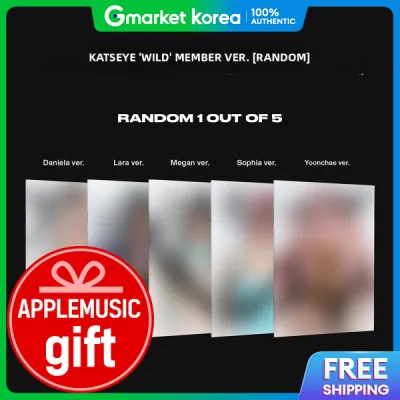

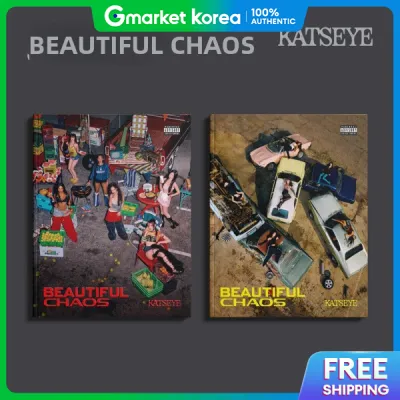
Prices are valid at publication and may change. Please refer to the product page for the latest price.
Standard Edition
The Standard Edition serves as the foundation of any physical discography, offering a balanced combination of visual and audio elements. This version typically includes a physical CD, a comprehensive photobook showcasing the visual theme of the release, a lyric booklet, and a selection of randomized paper inclusions. Among these inclusions, you will generally find postcards, sticker sheets, and one or two highly coveted random photocards.
Standard editions are widely distributed and remain in print for a longer duration compared to specialty releases. This makes them highly accessible for fans in the Philippines who prefer to purchase their albums from local physical retailers or established online music boutiques. The focus of the Standard Edition is to deliver the core aesthetic concept of the album cycle in a durable, shelf-friendly format.
Limited and Special Editions
Limited and Special Editions are premium releases designed specifically for dedicated collectors and enthusiasts who want unique memorabilia. These versions often feature oversized box packaging, hardbound slipcases, or unconventional container designs that stand out on a display shelf. The physical materials used are frequently of higher quality, featuring textured papers, foiled lettering, or specialized finishes.
Inside a Special Edition, the inclusions go far beyond the standard offerings. You can expect to find exclusive merchandise items such as mini-posters, keyrings, fabric patches, pin badges, or rare polaroid-style photos. Because these editions are produced in limited quantities, they are highly prone to selling out during the pre-order phase, often commanding premium prices in the secondhand market once official retail stock is depleted.
Member-Specific or Concept Versions
Member-Specific or Concept Versions cater directly to fans who have a clear favorite member—commonly referred to as a “bias”—or those who prefer a highly focused visual aesthetic. Instead of featuring group photography, the cover art, photobook pages, and even the CD face design focus entirely on an individual member of KATSEYE. This allows you to collect a volume dedicated solely to the styling and portraits of a single artist.
For collectors, the primary advantage of these versions is the narrowed pool of randomized inclusions. The photocards and postcards contained within a member-specific version are typically themed around that specific member, significantly reducing the randomness associated with standard group releases. This format is highly efficient for fans who want to guarantee they receive merchandise of their favorite member without having to buy multiple copies of the standard album.
Platform and Digipack Editions
Platform and Digipack Editions represent the modern, eco-friendly, and space-saving segment of music releases. Digipacks utilize a slim, paper-based folding sleeve with a plastic tray to hold the physical CD, offering a minimalist physical footprint and a lower price point. They contain smaller photobooks and fewer randomized inclusions, making them a practical choice for budget-conscious collectors.
Platform editions, on the other hand, completely omit the physical CD and traditional paper photobook. Instead, they feature a small, pocket-sized package containing a QR code card and a few physical photocard inclusions. Scanning the QR code grants access to a dedicated digital application where you can stream the high-fidelity audio tracks, view digital photobooks, and access exclusive digital content. This format is ideal for fans who listen to music exclusively on mobile devices and wish to collect physical photocards without accumulating physical paper bulk.
Key Comparison Dimensions for Collectors
Evaluating different album versions requires looking closely at specific criteria that affect both the financial cost and the long-term enjoyment of your collection. By comparing these dimensions, you can avoid buyer’s remorse and select the edition that offers the best value for your specific goals.

Inclusions and Photocards
Photocards are the primary driver of collectibility in modern music releases, and their distribution varies significantly by version. Standard albums offer a highly randomized experience, drawing from a large pool of cards featuring different members and concepts. This encourages community trading but makes completing a full set of your favorite member challenging.
Limited editions often feature exclusive card designs, holographic finishes, or complete card sets that are not available in standard pressings. Pre-order benefits (POBs) offered by authorized retail partners add another layer of exclusivity, providing unique bonus cards for those who purchase early. If your primary goal is collecting rare cards, investing in limited editions or pre-ordering standard versions from specific retailers is the most effective path.
Packaging and Aesthetics
An album’s visual appeal on a display shelf is a major consideration for physical collectors. Standard and limited editions offer excellent display value due to their thick spines, large-format photography, and sturdy construction. Limited editions, with their elaborate box designs, often serve as central showpieces for dedicated display areas.
However, local environmental factors are a critical consideration for collectors in the Philippines. The high tropical humidity can cause paper components to warp, photobook pages to stick together, and photocards to bend over time. Heavy, laminated box sets from limited editions offer better structural protection against moisture than thin digipacks, but all paper-based collectibles require careful storage, such as using acid-free plastic sleeves and placing silica gel desiccant packs inside storage boxes.
Price and Accessibility
Physical collecting involves balancing your budget against the retail cost and shipping overheads. Platform and digipack versions represent the most budget-friendly entry point, usually retailing for a fraction of the cost of a full photobook album. Standard editions offer a balanced price-to-content ratio, making them the most practical choice for general collectors.
Limited editions carry a premium retail price, and their cost can escalate significantly in the aftermarket once they go out of print. When purchasing in the Philippines, you must also account for international shipping fees, customs duties, and local handling charges. Participating in local group orders (GOs) organized by trusted community managers is a common way to split these overhead costs and make premium editions more affordable.
Format and Audio
Before purchasing, it is vital to verify the physical medium and device compatibility of your chosen edition. Traditional physical CDs require a dedicated CD player, a home stereo system, or an external disc drive, which many modern listeners do not own. If you do not have the hardware to play a physical CD, the audio content of a standard or limited edition remains purely a collectible item.
Platform versions solve this by delivering high-fidelity digital audio directly to your smartphone via a dedicated application. However, before purchasing a platform version, you must check the system requirements of the associated app to ensure compatibility with your specific smartphone operating system. Additionally, keep in mind that digital platforms rely on ongoing server support and app updates, whereas physical CDs remain playable indefinitely on compatible hardware.
| Version Type | Best Suited For | Key Physical Inclusions | Relative Price Tier |
|---|---|---|---|
| Standard Edition | General listeners, display-focused collectors | CD, full photobook, lyric book, random photocards, postcards | Standard Retail |
| Limited / Special | Dedicated collectors, visual displays | CD, premium box, large photobook, exclusive merchandise, rare cards | Premium |
| Member-Specific | Single-member fans, targeted collections | CD, member-focused photobook, member-specific photocards | Standard Retail |
| Platform / Digipack | Budget collectors, digital-only listeners | QR code card, slim paper sleeve, minimal physical selfie cards | Budget |
Decision Framework: Which Edition Fits Your Goals?
To make a final decision, evaluate your collecting habits, budget constraints, and display space against these clear, scenario-based recommendations.
- Choose the Standard Edition if: You want the classic, tactile experience of flipping through a physical photobook, displaying a full-sized album on your shelf, and collecting a balanced mix of group and individual member content. This version offers the most reliable availability and stable pricing.
- Choose a Limited or Special Edition if: You view your music collection as a visual gallery, desire premium physical merchandise, and want to secure rare, time-sensitive items. You should be prepared to monitor pre-order windows closely and allocate a larger budget for these premium packages.
- Choose a Member-Specific or Concept Version if: You have a clear favorite member within KATSEYE and want to guarantee that your photobook and physical inclusions focus on them. This is an efficient way to collect without spending money on randomized group versions that may not feature your favorite artist.
- Choose a Platform or Digipack Edition if: You have limited storage space, prefer listening to music digitally, or are primarily interested in collecting physical photocards rather than bulky photobooks.
When buying aftermarket or secondhand items, always perform a thorough verification check. Request clear, unedited videos of the photocard under direct light to inspect for surface scratches, dents, or bent corners. For platform versions, ensure that the digital QR code has not already been scanned and registered, as these codes are typically single-use only and cannot be transferred to a new account once redeemed.
Buying and Verifying KATSEYE Albums in the Philippines
Navigating the local market requires caution to ensure your purchases are authentic, count toward official music charts, and arrive in excellent condition.
To guarantee authenticity, always purchase your albums from authorized local music boutiques, established physical music stores in major shopping malls, or official brand webstores. Avoid unverified online listings that offer suspiciously low prices, as these are often counterfeit or have had their valuable photocard inclusions removed. Buying from certified retailers ensures that your purchase directly supports the artists on international music charts.
Pre-ordering is the most reliable way to secure exclusive pre-order benefits (POBs) and guarantee you receive limited editions before they sell out. However, if you only want specific inclusions, waiting for the aftermarket can be highly cost-effective. Many local collectors buy albums in bulk to collect specific photocards and then sell the “unsealed” albums—containing the photobook and CD but no photocards—at a significant discount, which is an excellent option for budget-conscious fans who just want the physical music.
When verifying physical items, look for official distribution stickers or holographic licensing seals on the back of the album packaging. Genuine photocards feature high-quality, sharp printing, rounded corners with clean, uniform cuts, and a specific card thickness; counterfeit cards are often thinner, have blurry images, or show signs of being scanned and reprinted. For platform versions, verify that the QR code card is printed on sturdy cardstock and that the scratch-off security coating is intact if purchasing from a secondhand seller.
Frequently Asked Questions (FAQ)
Do all KATSEYE album versions contain the same music tracks?
Yes, the physical CDs, digipacks, and digital platform versions of a specific album release typically contain the exact same core tracklist. The differences between the versions lie entirely in the physical packaging, the size and content of the photobook, and the type of physical collectibles included, rather than the audio content itself.
How can I ensure I get a specific member's photocard?
Because standard editions contain randomized photocards, the most reliable way to secure a specific member’s card is to purchase a member-specific version of the album if one is available. Alternatively, you can join verified local trading communities, participate in group orders where the organizer offers photocard sorting based on member preferences, or purchase the specific card directly from trusted collectors in the secondhand market.
Are platform albums considered official physical releases?
Yes, platform albums are official physical products manufactured and distributed by the record label. While they do not contain a traditional CD and rely on mobile applications for audio playback, they are recognized as official releases. They are highly valued by collectors for their official physical photocard inclusions and compact design.
Community discussion
Share your experience or ask a question. Comments are reviewed before publication.