
Collecting physical music media has evolved far beyond a simple desire to listen to songs. In the modern landscape of K-Pop and P-Pop, physical albums serve as tangible connections to artists, tactile art pieces, and highly sought-after memorabilia. Among the various retro formats making a comeback, the mini cassette tape has emerged as a distinct, highly collectible novelty. Evaluating which of these 2024 releases are worth adding to your shelf requires understanding their unique physical formats, verifying their technical specifications, and knowing how to preserve them in challenging climates.
Unlike standard compact cassettes, mini cassette formats are often produced in highly restricted quantities, making them instant collector’s items. Their value is driven not by audio fidelity, but by the aesthetic appeal of the packaging, the rarity of the release, and the exclusive physical inclusions that accompany them. Navigating this niche market requires a careful eye for authenticity, condition, and format compatibility.
The Appeal of Mini Cassette Tapes in Modern K-Pop and P-Pop
Physical albums in the K-Pop and P-Pop industries have long transitioned from simple music carriers into elaborate merchandise packages. While compact discs and digital streaming dominate daily listening, retro formats like vinyl and cassette tapes satisfy a deep desire for nostalgia and tangible ownership. The mini cassette tape, in particular, offers a charming, pocket-sized aesthetic that appeals directly to fans who appreciate the visual design of physical media.
Products mentioned in this guide
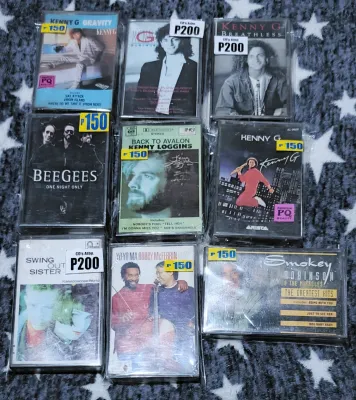
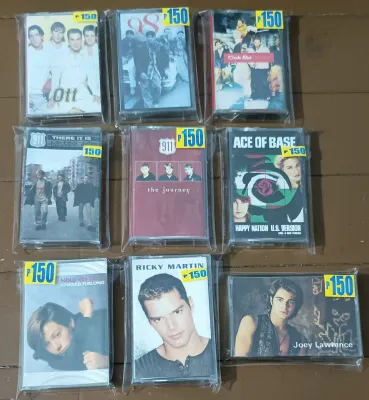
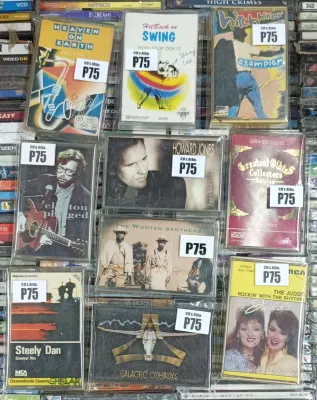
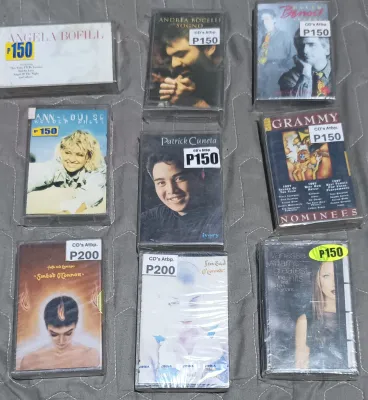
Prices are valid at publication and may change. Please refer to the product page for the latest price.
It is crucial to distinguish between standard audio cassettes and specialized mini or micro-cassette formats. Standard cassettes follow the traditional compact cassette dimensions established in the 1960s, which are widely compatible with vintage and modern tape players. In contrast, mini cassette formats are often scaled-down replicas or highly specialized micro-formats. Many of these releases are designed primarily as display pieces, keychains, or conceptual art objects rather than practical audio carriers. They serve as a physical anchor for a digital release, combining vintage design with modern convenience.
This unique format is tailored specifically for collectors who prioritize aesthetic presentation and exclusive memorabilia over pure analog playback. For these collectors, the draw lies in how the miniature tape looks on a display shelf, how it complements an existing collection, and the exclusive inclusions—such as miniature photobooks, custom stickers, and rare photocards—tucked inside the tiny packaging. The actual tape inside is often viewed as a secondary feature, with many collectors choosing to keep the item completely sealed to preserve its pristine condition.
How to Evaluate the Collector Value of 2024 Releases
Determining which 2024 mini cassette releases will hold their value over time requires a methodical approach. Because physical music merchandise is highly subject to market trends, collectors must look at concrete indicators of long-term desirability rather than temporary social media hype.

Edition Scarcity and Numbering
The primary driver of long-term value in physical music collecting is limited production. Many mini cassette releases from 2024 were produced as one-time pressings, meaning once the initial stock sold out, no further units were manufactured. Collectors should look for editions tied to specific events, such as limited-edition concert merchandise, fan-club exclusive webstores, or commemorative anniversary releases. Albums that feature individual serial numbering on the packaging are particularly valuable, as they provide verifiable proof of scarcity.
Packaging and Inclusions
In the K-Pop and P-Pop collecting communities, an album’s value is heavily tied to its physical components. When evaluating a mini cassette release, look closely at the complexity of the packaging. High-value releases often feature custom-molded plastic outer cases, lenticular covers that display different images depending on the angle, and high-quality mini paper goods. Exclusive photocards—especially those unique to the cassette version of the album—are major value drivers. A cassette release that includes a highly coveted, hard-to-find photocard will always command a premium on the secondary market.
Artist and Label Significance
The career trajectory of the artist and the reputation of their management label play a significant role in collector demand. Debut-era releases from rising P-Pop groups and milestone anniversary albums from established K-Pop acts tend to retain the strongest collector interest. These releases represent historical markers in an artist’s career, making them highly desirable to dedicated fans. Furthermore, major labels tend to invest more in high-quality manufacturing, reducing the likelihood of physical defects that could hurt the album’s long-term value.
Condition and Sealing
The physical condition of the item is the ultimate deciding factor in its secondary market value. A factory-sealed album with its original shrink-wrap completely intact represents the gold standard for collectors. Unopened albums guarantee that all original internal inclusions, such as photocards and lyric sheets, are present and undamaged. Even minor imperfections, such as hairline cracks in the plastic jewel case, dented corners on the outer paper sleeve, or slightly torn shrink-wrap, can significantly reduce the item’s market value. Collectors should budget for protective cases to keep these delicate items in mint condition.
Pre-Purchase Checklist: Formats, Compatibility, and Region Limits
Before purchasing a 2024 mini cassette album, it is essential to verify its technical and physical specifications. Because these releases are highly non-standard, assuming they will function like a traditional CD or standard cassette can lead to frustration and financial loss.
Version and Language Verification
Many physical albums are released in multiple versions, often featuring different member covers, tracklists, or language options. Before finalizing a purchase, carefully inspect the product listings to verify the exact edition you are buying. Do not rely solely on the cover art shown in promotional images, as labels sometimes reuse similar design templates across different regional pressings or language versions. Check the official tracklist and catalog number to ensure the version matches your collecting goals.
Media Format and Digital Codes
Collectors must clarify what they are actually purchasing under the “mini cassette” label. Some releases are purely visual display pieces—solid plastic shells molded to look like cassettes but containing no actual magnetic tape or internal playback components. Others contain fully functional magnetic tape. Many modern releases also include digital redemption codes, QR codes, or NFC chips that allow you to access the music digitally on a smartphone. Always read the manufacturer’s product description to understand whether you are buying a functional analog tape, a digital-physical hybrid, or a purely decorative novelty item.
Device Compatibility
If the mini cassette does contain playable magnetic tape, do not assume it will work in a standard home cassette deck or portable tape player. Mini and micro-cassettes have physical dimensions, tape widths, and playback speeds that differ entirely from standard compact cassettes. Attempting to force a mini-format tape into a standard deck can permanently damage both the delicate tape and the player’s mechanism. Verify if the release requires a specific vintage micro-cassette player, a proprietary adapter, or if it is intended strictly as a non-playable collectible.
Region Locks and Digital Rights
If the mini cassette album relies on a digital download card, a QR code, or a specialized streaming application to deliver the audio, you must check for geographic restrictions. Some digital platforms restrict code redemptions to specific countries or regions. For collectors importing albums, this means the digital portion of the physical package may not function without a regional account or virtual private network (VPN). Always verify the digital platform’s compatibility and regional terms of service before purchasing.
Sourcing Authentic Albums and Avoiding Counterfeits
The popularity of K-Pop and P-Pop physical media has unfortunately led to a rise in counterfeit goods and unreliable sellers. Protecting your investment requires sourcing albums through secure, authorized channels and knowing how to spot unauthorized reproductions.
Authorized Retailers vs. Secondary Markets
Whenever possible, prioritize purchasing your albums directly from official brand stores, authorized music retailers, or verified fan-club distribution channels. These sources guarantee authenticity and ensure that physical sales are officially counted on major music charts. When sourcing out-of-print 2024 releases on secondary markets or general online marketplaces, only deal with highly rated sellers who specialize in physical music memorabilia. Avoid unverified third-party listings that offer prices that seem too good to be true, as these are often unauthorized reproductions or opened albums with the valuable inclusions removed.
Spotting Counterfeits
Detecting counterfeit mini cassettes requires a close inspection of the physical packaging. Genuine releases feature crisp, high-resolution printing with accurate color reproduction; blurry text, washed-out colors, or misaligned graphics are immediate red flags. Look for official holographic security stickers, such as the KOMCA (Korea Music Copyright Association) sticker on Korean imports, which reflect light in a distinct pattern. Verify that the barcode matches official database registries and check that the copyright text on the back of the packaging correctly identifies the artist’s official management label and distributor.
Shipping and Handling Risks
Importing physical media involves significant transit risks, especially when shipping to tropical regions like the Philippines. High temperatures and extreme humidity in cargo holds or delivery vans can warp thin plastic cassette shells and cause tight shrink-wrap to melt, warp, or stick to the paper packaging. When purchasing from online sellers, explicitly request protective packaging, such as heavy-duty bubble wrap, rigid cardboard shipping boxes, and corner protectors. Avoid sellers who ship delicate collectible items in thin, unpadded poly mailers.
Frequently Asked Questions (FAQ)
How should I store mini cassette tapes to prevent degradation?
To preserve the physical and structural integrity of your mini cassette collection, store them in a cool, dry environment away from direct sunlight. In tropical climates with high humidity, such as the Philippines, moisture can trap mold inside the paper packaging and cause the magnetic tape to stick or degrade. It is highly recommended to store your albums in airtight acrylic display cases or sealed plastic storage bins accompanied by silica gel packets to absorb excess moisture. Keep your collection away from electronic devices that generate strong magnetic fields, such as large audio speakers or subwoofers, as these can partially erase or distort the data on magnetic tapes.
Can I play a mini cassette on a standard cassette deck?
No, you cannot play a mini or micro-cassette on a standard compact cassette deck. Standard cassette decks are engineered specifically for the physical dimensions, tape thickness, and playback speed of standard compact cassettes. Mini-cassettes and micro-cassettes are entirely different physical formats with smaller shell sizes and different track configurations. Attempting to insert a non-standard tape into a regular deck can cause severe mechanical damage to the player and tear the delicate magnetic tape. Always check the manufacturer’s technical specifications to determine the exact playback equipment or specialized adapter required for your specific format.
Community discussion
Share your experience or ask a question. Comments are reviewed before publication.