
Deciding whether to add a premium fashion publication like Vogue Philippines to your monthly reading list depends heavily on what you hope to extract from its pages. If you are looking for a highly practical, step-by-step guide to assembling budget-friendly outfits for your daily commute, a high-fashion editorial magazine may not be your primary tool. However, if you view fashion as an art form and seek to understand the broader cultural, artistic, and design movements shaping the local and global landscape, it can serve as an invaluable source of creative inspiration.
To determine if this publication aligns with your lifestyle, you must evaluate how its blend of avant-garde editorial photography, local designer spotlights, and luxury lifestyle features fits into your personal style journey. By analyzing the editorial focus, the practicality of its beauty and climate-conscious styling advice, and the format that best suits your reading habits, you can make an informed decision before committing to a single copy or an annual subscription.
Is Vogue Philippines Right for Your Personal Style?
The editorial identity of Vogue Philippines is built on a foundation of high-fashion storytelling, which inherently leans toward the aspirational rather than the strictly utilitarian. When you flip through its pages, you are greeted by sprawling, visually arresting editorial shoots that prioritize creative expression, dramatic silhouettes, and high-concept themes. These images are designed to push creative boundaries, meaning the exact outfits featured are rarely intended to be copied directly for a casual day out or a standard corporate office environment.
Products mentioned in this guide
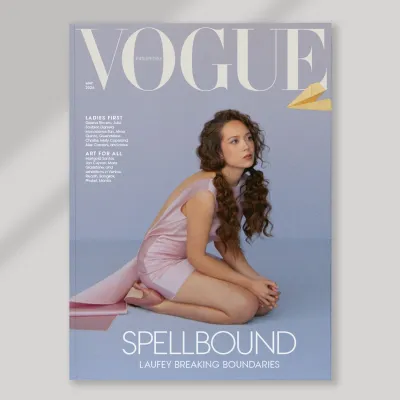
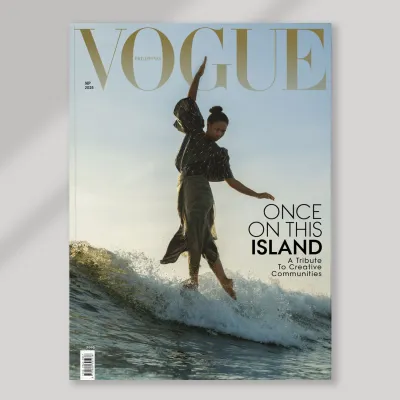
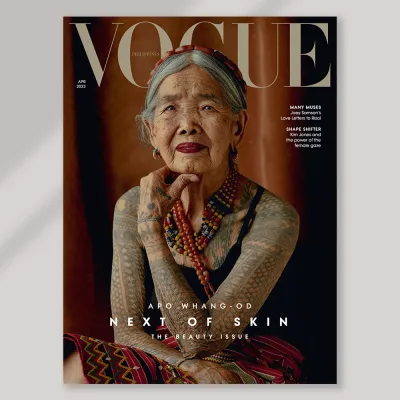
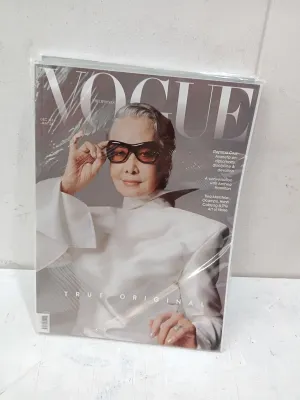
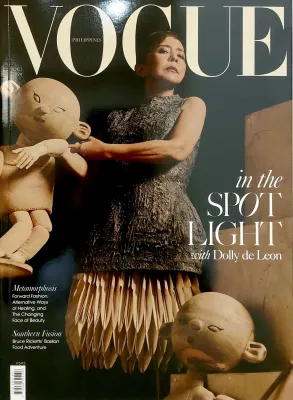
Prices are valid at publication and may change. Please refer to the product page for the latest price.
For the everyday fashion enthusiast, the value of these high-fashion spreads lies in translation. Instead of attempting to replicate an avant-garde look entirely, you can use these editorials to train your eye in color theory, proportion, and texture pairing. A dramatic, layered editorial concept can inspire you to experiment with lightweight draping or unique color combinations that are perfectly suited for your personal wardrobe. It encourages a more creative approach to dressing, helping you break out of style ruts by introducing unexpected visual ideas.
Furthermore, the publication offers a unique bridge between global luxury trends and the domestic fashion scene. While international editions of major fashion magazines often focus heavily on European and North American seasonal collections—which rarely align with tropical weather patterns—Vogue Philippines places a strong emphasis on local relevance. The editorial teams frequently showcase how global design movements can be reinterpreted through a local lens, making the aesthetic much more relatable for readers living in warm, humid climates.
Ultimately, if your personal style goals involve cultivating a deeper appreciation for design, supporting local craftsmanship, and incorporating artistic elements into your daily wear, the magazine’s aesthetic will likely resonate with you. If, however, you prefer straightforward, highly accessible outfit formulas and shopping directories filled with mass-market brands, you may find the highly conceptual nature of the publication less aligned with your immediate, practical needs.
What to Expect from the Fashion, Beauty, and Culture Coverage
To judge the practical utility of the magazine, it is essential to look closely at how its core sections—fashion, beauty, and culture—are structured. The beauty coverage, in particular, offers a fascinating mix of high-end luxury product showcases and highly relevant, climate-conscious advice. Living in a tropical environment means dealing with unique skincare and makeup challenges, such as high humidity, intense sun exposure, and sweat-resistance. The publication addresses these realities by featuring lightweight bases, advanced sun protection strategies, and skincare routines tailored to maintaining a healthy skin barrier in warm weather.

In addition to global beauty trends, the pages frequently highlight local beauty brands and regional ingredients, offering readers a curated look at the domestic beauty industry. This blend of international science and local botanical knowledge provides a well-rounded perspective on self-care. However, readers should expect these features to lean toward premium and luxury product categories, meaning you will often need to seek out budget-friendly alternatives on your own if you prefer to keep your beauty routine highly economical.
The integration of local culture and lifestyle is another defining feature of the publication’s editorial voice. Rather than treating fashion as an isolated industry, the articles frequently explore the cultural narratives, historical contexts, and artisanal communities behind the garments. Features on traditional weaving communities, local textile preservation, and contemporary artists provide a rich, educational layer to the reading experience. This cultural depth elevates the magazine from a simple catalog of trends to a meaningful record of modern cultural identity.
When evaluating this coverage, it is helpful to distinguish between purely conceptual photography and actionable advice. While the visual essays dominate the layout, the accompanying articles, designer profiles, and trend reports offer the substance. By reading the interviews with local designers and industry insiders, you gain insight into the materials, construction techniques, and styling philosophies that define modern style in the region. This knowledge empowers you to make more intentional, quality-focused decisions when building your own wardrobe.
Print vs. Digital: Choosing the Best Format for Your Routine
Once you decide that the editorial content aligns with your interests, the next step is choosing the medium that best fits your daily routine and lifestyle. The physical print edition of Vogue Philippines is designed as a premium, collectible object. Printed on high-quality paper with rich color reproduction, each issue functions almost like a softcover art book. For collectors, design enthusiasts, and those who enjoy the tactile experience of turning physical pages, the print format offers a sensory satisfaction that digital screens cannot fully replicate. A physical copy also serves as a stylish decorative element on a coffee table or bookshelf.
However, maintaining a physical magazine collection in a tropical climate requires careful consideration. High humidity levels can cause paper to warp, yellow, or develop mold over time if not stored in a well-ventilated or climate-controlled space. Additionally, physical magazines take up significant storage space, which may not be ideal for those living in compact urban apartments or striving for a minimalist living environment.
The digital format, accessible through official digital newsstands and subscription apps, offers a highly practical alternative for modern, on-the-go lifestyles. Digital editions provide instant access to new issues without the need for physical storage or delivery wait times. They are highly portable, allowing you to carry an entire library of back issues on your tablet or smartphone during daily commutes or travel. Many digital platforms also feature zoom capabilities, enabling you to examine the intricate details of garment construction and jewelry designs more closely than you might on a printed page.
Before opting for a digital subscription, it is important to verify device compatibility and offline reading capabilities. High-fashion photography relies heavily on vibrant color accuracy and sharp detail, so reading on a high-resolution color tablet will provide a vastly superior experience compared to a standard monochrome e-ink e-reader. Ensure that your preferred digital platform allows you to download issues for offline reading, so you can enjoy the content seamlessly even when internet connectivity is unstable.
How to Decide: Pre-Purchase Checklist and Alternatives
To ensure your investment is worthwhile, establishing a clear pre-purchase decision framework can prevent buyer’s remorse. Before committing to a recurring subscription or purchasing a single issue, take a few practical steps to evaluate your actual interest level. Start by previewing recent cover stories and editorial highlights on the publisher’s official website or verified social media channels. This quick digital scan will give you a clear sense of the current issue’s theme, featured designers, and overall visual direction, helping you decide if the specific content appeals to your current style interests.
Next, verify the current subscription rates and single-issue prices in Philippine Pesos (₱) exclusively through authorized distribution channels. Prices can vary significantly between direct publisher subscriptions, authorized physical bookstores, and third-party online resellers. Purchasing directly from official portals or established local book retailers ensures you pay the standard retail price without unfair markups, and guarantees that you receive a genuine, undamaged copy. Be sure to factor in shipping fees and delivery timelines if you choose a print subscription, as regional shipping logistics can sometimes affect how quickly the physical copy arrives at your doorstep.
It is also beneficial to assess how much time you realistically have to dedicate to reading. If your schedule rarely permits quiet reading time, a physical magazine may end up gathering dust, making a digital single-issue purchase a more sensible starting point. Ask yourself if you are looking for immediate shopping links and quick outfit formulas, or if you are willing to spend time absorbing longer-form profiles and conceptual imagery.
Finally, remember that you do not have to rely on a single publication for your entire fashion media diet. If you find that the magazine’s focus is too conceptual for your daily needs, you can easily supplement it with free digital resources. Local fashion blogs, street style photography accounts, and independent style newsletters often provide highly practical, budget-friendly outfit inspiration tailored to everyday life. By combining the high-concept artistic inspiration of a premium publication with the practical, real-world utility of digital creators, you can build a well-rounded source of style inspiration that perfectly fits your lifestyle and budget.
Frequently Asked Questions (FAQ)
Where can I officially buy or subscribe to Vogue Philippines?
To ensure you are purchasing an authentic copy and paying the correct retail price, always use authorized distribution channels. You can subscribe directly or order single print issues through the official publisher website operated by Mega Global Licensing Inc. For physical purchases, major national bookstore chains, specialty newsstands, and select high-end lifestyle boutiques across the country carry current issues. If you prefer the digital format, authorized digital newsstands such as Magzter, as well as the official Apple App Store and Google Play Store, offer legitimate digital subscriptions and single-issue downloads. Avoid purchasing from unauthorized sellers on general online marketplaces, as these copies may be counterfeit, damaged, or sold at highly inflated prices.
Does the magazine feature local designers and brands?
Yes, supporting and elevating the domestic fashion industry is a core pillar of the publication’s editorial mission. Each issue regularly features dedicated profiles, interviews, and editorial spreads showcasing the work of both established Filipino couturiers and emerging contemporary designers. The styling teams frequently mix international luxury garments with pieces from homegrown brands, demonstrating how local craftsmanship fits into the global fashion landscape. Readers can use the detailed editorial credits listed alongside the photographs as a practical directory to discover new local labels, explore traditional textile integrations, and connect directly with domestic designers for custom or ready-to-wear pieces.
Community discussion
Share your experience or ask a question. Comments are reviewed before publication.