
For fashion enthusiasts in the Philippines, deciding whether to invest in Vogue magazine is more than a simple purchase decision; it is an evaluation of cultural relevance, aesthetic inspiration, and financial practicality. As one of the most iconic names in global fashion publishing, the magazine serves as a visual and intellectual blueprint for the industry. However, with imported print editions commanding premium prices and digital alternatives offering instant access, readers must weigh the intrinsic value of its content against the realities of local availability, tropical weather, and personal style goals.
This comprehensive evaluation analyzes the editorial pillars of the publication, examines how its global fashion narratives translate to the Philippine context, compares the physical and digital reading experiences, and suggests alternative resources to help you decide if it deserves a place on your bookshelf or device.
Quick Verdict: Who Should Buy Vogue Magazine?
Investing in Vogue magazine is highly valuable if you view fashion as an art form, a professional resource, or a source of high-end creative inspiration. For aspiring designers, stylists, photographers, and luxury fashion collectors, the publication offers unparalleled visual references, masterfully curated editorial spreads, and deep industry insights that cannot be easily replicated by casual social media feeds. It serves as a historical archive of contemporary design, making it a worthy investment for those who study the evolution of visual culture.
Products mentioned in this guide
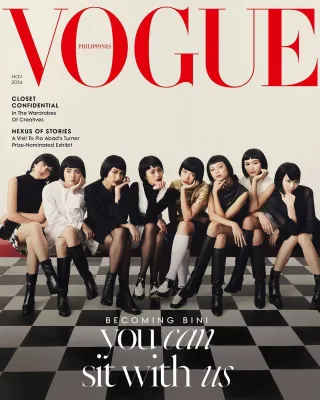
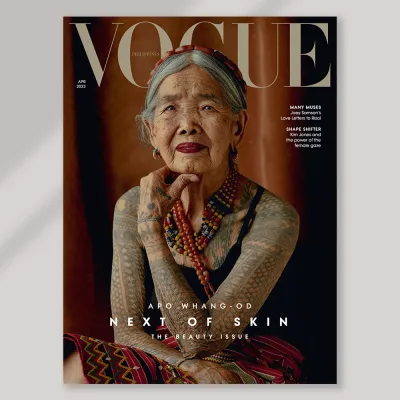
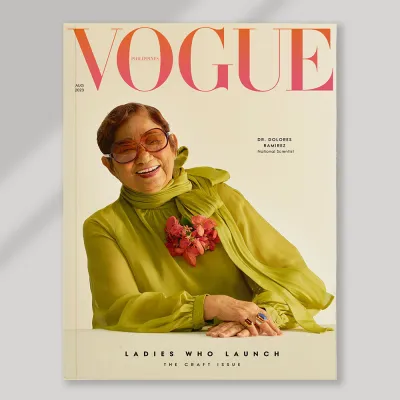
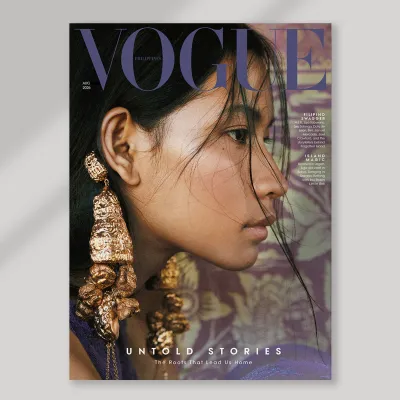
Prices are valid at publication and may change. Please refer to the product page for the latest price.
Conversely, if your primary goal is to find practical, budget-friendly, everyday outfit ideas tailored to the warm Philippine climate, you should likely skip this purchase. The heavy focus on international luxury brands, avant-garde runway styling, and seasonal autumn/winter collections makes much of the content impractical for daily wear in a tropical environment. For readers seeking immediate, accessible retail links and casual streetwear inspiration, local digital platforms and independent style zines offer far more practical utility.
Evaluating the Content: What You Get for Your Money
To understand whether the magazine justifies its cost, one must look closely at its core editorial pillars. The publication is built on a foundation of high-concept fashion, cultural commentary, and artistic photography that distinguishes it from standard commercial catalogs.

High Fashion and Runway Coverage
The primary draw of the publication is its ability to translate complex, avant-garde runway concepts from the fashion capitals of Paris, Milan, New York, and London into cohesive editorial narratives. Instead of merely presenting garments, the magazine contextualizes the creative visions of top-tier designers, explaining the historical references, artistic movements, and societal shifts that influence each collection.
For readers who want to stay ahead of global fashion cycles, the trend forecasting provided in these pages is highly sophisticated. It identifies emerging silhouettes, color palettes, and textile innovations long before they filter down to mass-market retail chains. This forward-looking perspective is invaluable for industry professionals and serious hobbyists who want to understand where the fashion world is heading rather than where it currently stands.
Beauty, Wellness, and Culture
Beyond garments, the publication dedicates significant editorial space to high-end beauty, skincare, and wellness. The beauty features go beyond basic product recommendations, often exploring the science of skincare, the artistry of editorial makeup, and global wellness philosophies. Crucially, modern editions have made strides in representing diverse skin tones, hair textures, and age groups, providing inspiration that is increasingly relevant to a global audience.
In addition to visual aesthetics, the magazine includes long-form cultural essays, profiles of contemporary artists, and interviews with influential public figures. These pieces ground the fashion content in a broader cultural framework, exploring how style intersects with literature, cinema, politics, and social change. This intellectual depth ensures that the magazine offers a substantial reading experience alongside its visual appeal.
Visual and Artistic Direction
The visual direction of the publication is arguably its most significant asset. By collaborating with legendary photographers, visionary creative directors, and world-class stylists, the magazine produces imagery that functions as contemporary art. The lighting, composition, set design, and storytelling within a single editorial spread can inspire creative projects across various disciplines, from graphic design to interior styling.
Because of this high artistic caliber, physical copies of the magazine are frequently treated as collector’s items. They serve as excellent coffee-table pieces that elevate the aesthetic of a living space, or as physical archives for mood boards and creative research. For visual artists and design enthusiasts, this artistic value alone often justifies the cover price.
The Philippine Context: Global Inspiration vs. Local Reality
While the artistic merit of the publication is undeniable, Filipino readers must navigate the practical challenges of translating global fashion narratives into their daily lives. This requires a thoughtful approach to climate, brand representation, and product accessibility.
Climate and Wardrobe Translation
The most immediate challenge for a reader in the Philippines is the country’s tropical climate. International editions of the magazine heavily feature seasonal collections designed for temperate climates, showcasing heavy wool coats, layered knits, leather outerwear, and winter boots. Wearing these literal garments in the humid heat of Manila or during the heavy monsoon season is highly impractical.
To extract value from these seasonal spreads, local fashion enthusiasts must learn the art of translation. Instead of copying the exact layers, focus on the underlying design principles of the trend:
- Analyze the Silhouette: If a winter collection emphasizes oversized, structured shoulders, look for lightweight linen blazers or structured cotton shirts that mimic that shape without adding heat.
- Deconstruct the Color Palette: Adapt the rich, earthy tones of an autumn spread or the icy pastels of a winter shoot into your tropical wardrobe using breathable fabrics.
- Focus on Texture Mixing: Recreate the visual depth of layered winter wear by pairing different lightweight textures, such as combining a sheer silk blouse with a structured cotton skirt or a local handwoven textile.
Local Brand Representation
Historically, international editions of global fashion magazines have offered limited coverage of Southeast Asian designers and local fashion ecosystems. While pioneering Filipino designers have occasionally graced their pages, the primary focus remains on Western luxury houses. For readers who want to support and engage with the vibrant local fashion scene, relying solely on international editions can create a gap in knowledge.
Fortunately, the landscape has evolved with localized franchises, such as Vogue Philippines, which actively bridge this gap. These local editions celebrate Filipino craftsmanship, highlighting traditional weaves like inabel and hablon, profiling homegrown designers, and exploring the unique cultural identity of Philippine fashion. To build a well-rounded perspective, readers should consider supplementing global editions with local publications to stay connected to both international movements and domestic artistry.
Accessibility of Featured Items
Another practical consideration is the availability of the featured luxury items. Many of the garments, accessories, and beauty products showcased in international editorials are produced in limited quantities or are exclusive to flagship boutiques in major fashion capitals. Sourcing these items in the Philippines often requires visiting high-end shopping districts in metropolitan areas like Makati or Bonifacio Global City, or navigating international shipping and customs fees through authorized online luxury retailers.
Before attempting to purchase any featured item, readers should verify local availability through official brand boutiques or authorized distributors. It is common for specific runway pieces to never enter production or to be distributed only to select global markets. Treating the magazine as a source of stylistic inspiration rather than a direct shopping catalog will prevent frustration and encourage more creative, localized wardrobe choices.
Print vs. Digital: Choosing the Right Format
Choosing how to consume the magazine depends on your budget, storage space, and reading preferences. Both print and digital formats offer distinct advantages and trade-offs that impact the overall value of your investment.
The Print Experience
For many fashion purists, nothing compares to the tactile experience of a physical magazine. The weight of the premium paper stock, the scent of the ink, and the scale of the large-format photography create a sensory experience that digital screens cannot replicate. Physical pages allow you to appreciate the fine details of textile textures, intricate embroidery, and subtle color gradations in high-resolution print.
When considering physical storage, the physical footprint of the publication is a key factor. While standard international editions use their own proprietary dimensions, some regional collectors look for specific print layouts, such as the larger-format vogue magazine f4 size or similar folio-style prints, which require dedicated shelving space. These larger physical formats are highly prized by collectors who use them as design objects or reference materials for creative studios.
However, print copies in the Philippines come with logistical challenges. Imported international editions are subject to shipping delays and high markup costs at local bookstores, often retailing between ₱600 and ₱1,500 per issue depending on the country of origin. Before purchasing imported print copies, always verify the edition, language, and content completeness, as some regional imports may omit specific supplements or contain localized advertising inserts that alter the reading experience.
Digital Subscriptions and Apps
Digital subscriptions offer a highly practical, cost-effective, and space-saving alternative to print. Through official apps and digital publishing platforms, readers can access the latest issues instantly on the day of release, completely bypassing international shipping delays and local retail markups. Digital issues are typically priced at a fraction of the cost of imported print copies, making it much easier to justify a monthly or annual subscription.
Furthermore, digital formats offer unique interactive features that enhance the reading experience. Many digital editions include behind-the-scenes video clips, interactive runway galleries, and direct links to designer websites. The ability to search digital archives for specific designers, trends, or historical articles is an invaluable tool for students, researchers, and writers who need to find information quickly without flipping through stacks of physical paper.
Before purchasing a digital subscription, readers must verify device compatibility, operating system requirements, and regional restrictions for the specific app or platform. Ensure that your tablet or e-reader can render the high-resolution images smoothly, as a small phone screen or a low-contrast display can significantly diminish the visual impact of the editorial layouts.
Best Alternatives for Filipino Fashion Enthusiasts
If you find that the global focus or premium price of the publication does not align with your current needs, several excellent alternatives offer high-quality fashion content tailored to different budgets and interests.
Local Fashion Publications
For readers who want to focus on style that is directly applicable to life in the Philippines, local digital editorial platforms and independent fashion zines are excellent resources. These publications focus on tropical-appropriate styling, highlight local streetwear trends, and profile emerging Filipino designers who are shaping the domestic fashion landscape. They offer practical shopping guides featuring accessible local brands, making it much easier to build a stylish wardrobe that fits both the local climate and budget.
Niche Global Magazines
If you appreciate the high production value of international print but want a different editorial focus, consider other global titles. Publications like Harper’s Bazaar often offer a more classic, wearable approach to luxury fashion, while Elle frequently emphasizes accessible trends and diverse lifestyle content. For those interested in avant-garde, experimental fashion and youth culture, independent journals such as Dazed, i-D, or Purple provide cutting-edge visual direction and counter-culture commentary that goes beyond mainstream luxury.
Digital-First Fashion Platforms
For real-time industry updates without the monthly print lag, digital-first fashion platforms are indispensable. Websites and apps dedicated to runway archives allow you to view complete collections from global fashion weeks immediately after they happen, complete with high-resolution close-ups of garments and accessories. Additionally, reputable industry analysis platforms, such as The Business of Fashion, provide deep insights into the commercial, financial, and technological forces shaping the global fashion market, offering a highly educational resource for those interested in the business side of the industry.
Frequently Asked Questions (FAQ)
Where can I buy physical copies of Vogue in the Philippines?
Physical copies of international and local editions can be purchased at major national bookstore chains, such as Fully Booked, which regularly stock current issues in their larger metropolitan branches. Premium newsstands and specialty lifestyle stores located in major business districts like Makati, Bonifacio Global City, and Ortigas also carry imported editions. Additionally, specialized online magazine importers and independent book distributors offer subscription services or individual issue orders, though readers should always verify the reliability of the seller and check estimated delivery times to avoid outdated issues.
Is there a specific Vogue Philippines edition?
Yes, there is an official localized franchise, Vogue Philippines, which launched to showcase the unique intersection of global fashion and Filipino culture. This local edition focuses heavily on Philippine craftsmanship, local designers, cultural heritage, and tropical-appropriate styling, making it highly relevant for readers seeking representation and domestic fashion news. When purchasing, readers should distinguish between this official localized edition and imported international copies (such as the US, UK, or Paris editions), as the editorial content, cover stars, and advertising will differ significantly. Always verify that you are purchasing from authorized local distributors to ensure you receive complete, high-quality prints.
How can I adapt Vogue's winter fashion trends to a tropical climate?
To adapt cold-weather trends to the humid climate of the Philippines, focus on the conceptual elements of the design rather than the heavy garments themselves. Recreate the look of structured winter coats by opting for lightweight, unlined blazers made from breathable fabrics like linen, fine cotton, or tropical wool blends. You can also mimic the visual depth of winter layering by utilizing sheer fabrics, sleeveless vests, or lightweight local weaves like inabel and hablon, which provide texture and structure without trapping heat. Finally, incorporate seasonal color trends, prints, and accessory styles—such as bags, jewelry, and footwear—to stay aligned with global aesthetics while remaining comfortable in the heat.
Community discussion
Share your experience or ask a question. Comments are reviewed before publication.