
The Very Hungry Caterpillar book is developmentally appropriate for children from birth up to age six, with the absolute peak engagement window occurring between ages one and four. Because of its unique combination of vibrant collage illustrations, interactive die-cut holes, and simple repetitive language, this classic story transitions smoothly from a sensory toy for infants into an educational tool for early readers. Parents can easily adapt how they share the story to match their child’s growing cognitive and motor abilities, making it a highly versatile addition to any home library.
How to Match the Book to Your Child's Developmental Stage
Evaluating how a book aligns with your child’s current developmental milestones ensures they get the most enjoyment out of reading time. Eric Carle’s signature collage style features bright, high-contrast illustrations set against clean white backgrounds. This design is highly effective for young infants whose visual tracking is still developing, allowing them to focus on distinct shapes and bold primary colors without getting overwhelmed by busy, detailed backgrounds.
As children grow, their physical interaction with books changes from passive viewing to active exploration. The book’s famous die-cut pages and tiny finger holes where the caterpillar “ate through” various foods offer an excellent way to practice hand-eye coordination. Toddlers love poking their fingers through these holes, which helps build the fine motor control and finger strength needed for later tasks like holding a pencil, drawing, or turning delicate pages.
Products mentioned in this guide
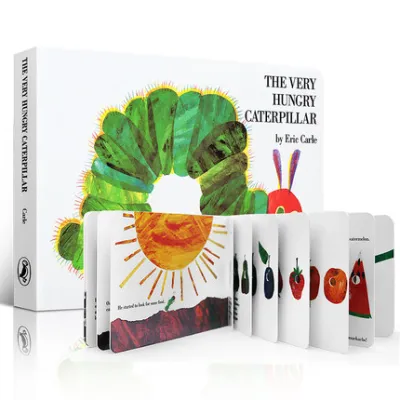
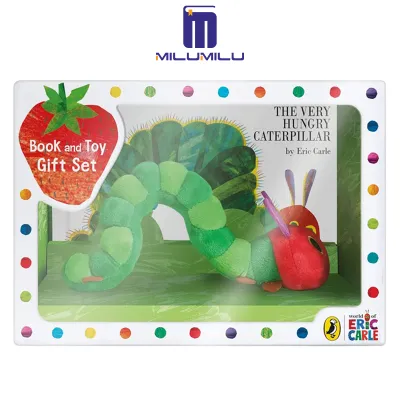
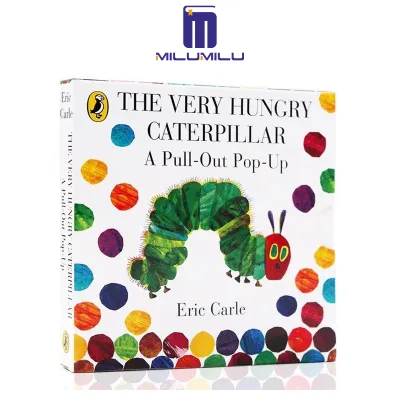
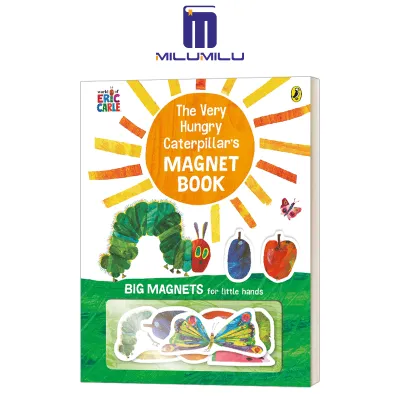
Prices are valid at publication and may change. Please refer to the product page for the latest price.
Beyond physical interaction, the story supports basic cognitive concept recognition. As children approach preschool age, they begin recognizing everyday objects and basic sequences. The book introduces the days of the week, numbers from one to five, and a variety of familiar fruits and treats, making it a natural tool for testing whether a child can point to, name, and count items in a structured order. Observing whether your child naturally points to these items during a read-aloud session is a great way to gauge their readiness for more structured learning games.
Reading Together: Adapting the Story for Different Age Groups
Sharing a book is not a one-size-fits-all activity, and you can easily tailor your reading style to match your child’s age. For infants and toddlers aged zero to two years, reading is primarily a sensory and bonding experience. Focus on pointing to the bold illustrations, naming the fruits, and letting your child touch the pages. Do not worry about reading every word on the page; instead, use the book to build vocabulary by labeling colors, shapes, and objects in a warm, conversational tone.

Preschoolers aged three to five years can actively engage with the narrative sequence and character motivations. Encourage them to predict what the caterpillar will eat next or ask them why they think the caterpillar got a stomachache after eating so much junk food on Saturday. This is also a wonderful time to talk about the natural world, discussing how a caterpillar spins a cocoon and emerges as a beautiful butterfly, which helps build early scientific curiosity and narrative comprehension.
For early readers aged five and older, the book serves as an excellent tool for independent reading practice. The repetitive sentence structures and predictable patterns help young readers build confidence. They can easily pair the written sight words with the clear visual clues on each page to practice decoding text on their own, turning a familiar bedtime story into an empowering learning milestone. You can encourage them to read the repetitive lines aloud while you handle the longer descriptive sentences.
Signs Your Child Is Ready for The Very Hungry Caterpillar
One of the clearest indicators that your child is ready for this book is an interest in interactive play with physical media. If your child actively tries to turn pages, points at pictures in other books, or enjoys toys with holes and textures, they will likely appreciate the tactile design of this classic story. Even mimicking reading behaviors, such as holding the book and babbling along, shows they are ready to engage with the format.
Another sign is a growing curiosity about numbers and the environment. If you notice your child attempting to count their snacks at snack time or showing excitement when they spot ants, butterflies, or leaves in the garden, the book’s themes will directly align with their current real-world interests. This connection between the page and their daily life makes the reading experience much more meaningful.
Lastly, look for verbal cues and questions about change. Children who ask why the sky changes color, how plants grow, or where bugs go when it rains are developing the cognitive capacity to understand the caterpillar’s transformation. This curiosity indicates they are ready to move beyond simple object identification and begin exploring the concept of a story arc.
Choosing the Right Format for Your Child's Age
Selecting the right physical format is crucial for ensuring the book survives daily use, especially in warm, humid climates like the Philippines where paper can easily soften or warp over time. For infants and toddlers who still explore objects with their mouths, the board book edition is the most practical choice. Its thick, laminated cardboard pages resist teething marks, drool, and accidental tears, making it highly durable for everyday play and easy to wipe clean.
For older preschoolers and early readers who have developed gentle page-turning habits, the standard paperback or hardcover editions are excellent options. These formats feature thinner pages that allow the full scale of the artwork to shine, and they are lightweight enough for a child to hold comfortably during independent reading sessions. They also fit neatly onto standard bookshelves and are easier for older children to carry in their school bags.
When purchasing, always verify the physical dimensions, language, and page counts of the edition. Some miniature board books are designed for small hands but might be harder to read during group lap-reading sessions, while oversized lap editions are perfect for sharing but less portable. Checking these specifications on your preferred online marketplace beforehand ensures you get a copy that fits your specific reading environment and budget, with prices typically ranging around a few hundred ₱ depending on the format.
Frequently Asked Questions (FAQ)
Is The Very Hungry Caterpillar a good gift for a newborn?
Yes, it makes a wonderful keepsake gift for a newborn. While a newborn baby cannot follow the storyline or count the fruits, the high-contrast illustrations are excellent for early visual stimulation. Parents can read the rhythmic text aloud to soothe the baby, and the book will remain highly relevant as the child grows into toddlerhood.
How long does it take to read the book aloud?
Reading the book aloud typically takes about three to five minutes. This short duration is ideal for the limited attention spans of toddlers and young children. The brief reading time also makes it a perfect choice for a quick bedtime story or a transition activity between playtime and naptime.
Does the book teach specific educational concepts?
Yes, the book naturally introduces several foundational concepts without feeling like a school lesson. Children can practice counting from one to five, learn the sequential days of the week, identify various healthy and unhealthy foods, and get a basic introduction to the life cycle of a butterfly.
Community discussion
Share your experience or ask a question. Comments are reviewed before publication.