
If you recently finished watching the anime adaptation of Too Many Losing Heroines! and found yourself wanting more of its unique blend of comedy and romance, transitioning to the original light novel series is a highly rewarding step. The original written work offers a deeper look into the characters’ minds and provides plenty of content that never made it to the screen. However, before you start spending your pesos, it is important to understand what the light novel offers and how to navigate the local market to find authentic copies.
Story Value: What the Light Novel Adds Beyond the Anime
The anime adaptation of Too Many Losing Heroines! did an exceptional job of capturing the vibrant, comedic, and slightly melancholic tone of the series. However, a television series must naturally compress events to fit a standard broadcast runtime, which means some narrative elements are inevitably left behind.
In the light novel, the first-person perspective of the protagonist, Kazuhiko Nukumizu, offers a much richer experience. His internal monologues provide a cynical yet deeply observant commentary on the social dynamics around him, which often gets simplified into quick visual gags on screen.
Products mentioned in this guide
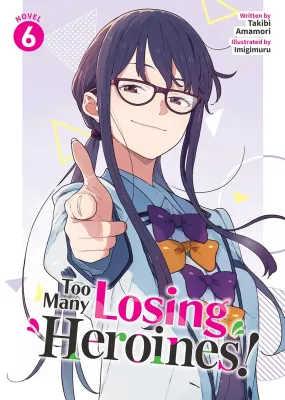
Prices are valid at publication and may change. Please refer to the product page for the latest price.
Pacing in the written format allows the comedy to breathe. The dry humor and awkward pauses are spelled out with meticulous detail, giving readers a clearer understanding of why certain interactions feel so wonderfully uncomfortable.
Character development receives far more space in the text. The “losing heroines” themselves—Anna Yanami, Lemon Yakishio, and Chika Komari—have their quirks, vulnerabilities, and personal growth detailed through subtle interactions that the anime had to skip or condense.
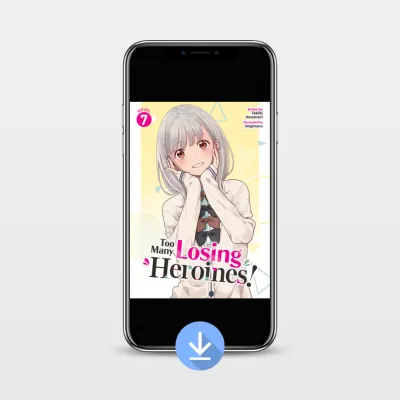
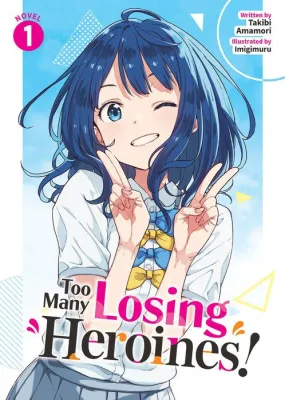
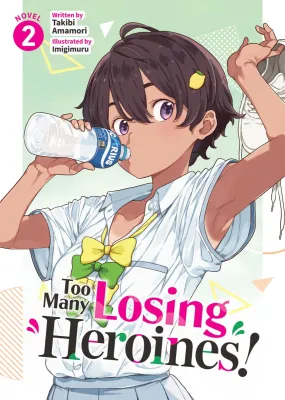
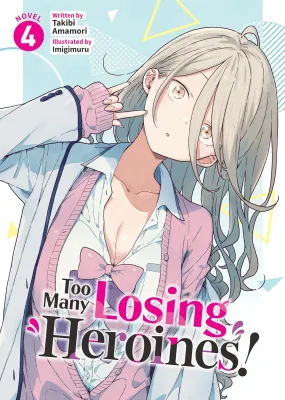
Physical volumes also feature beautiful illustrations by the light novel’s artist, Imigimuru. These high-quality character designs and insert illustrations offer a visual treat that complements the text, alongside exclusive short stories or afterwords that are never adapted for television.
Checking Language Editions and Format Compatibility
Before purchasing, it is crucial to verify that you are buying an official, authorized translation. The official English translation is published by Seven Seas Entertainment, so look for their logo on the spine or cover, and verify the ISBN on the copyright page.

Be cautious of unofficial or fan-translated physical prints sold on online marketplaces. These bootleg copies are often poorly bound, feature low-resolution cover art, and violate copyright laws, depriving the original creators of their royalties.
Regarding a Tagalog translation, readers should check official announcements from local publishers. Currently, major light novel licenses in the Philippines are predominantly distributed in English; do not assume a Tagalog edition exists unless a reputable local publisher formally announces a licensed translation.
Format compatibility is another key decision point. Physical paperbacks are highly collectible but require proper care in the humid Philippine climate, where high moisture levels can warp pages or cause yellowing over time.
Digital editions offer an excellent, space-saving alternative that is immune to tropical humidity. However, you must verify regional compatibility on digital storefronts, as some platforms apply geographical restrictions that might prevent accounts registered in the Philippines from purchasing certain Japanese light novel translations.
Where to Find Authentic Copies in the Philippines
Finding authentic physical copies of Too Many Losing Heroines! in local brick-and-mortar stores requires a bit of strategy. Major bookstore chains in the Philippines occasionally stock popular light novels in their manga and light novel sections, particularly in larger branches located within major metropolitan areas.
Specialty comic book shops and hobby stores that focus on imported Japanese pop culture are often more reliable sources. These shops frequently offer pre-order services, allowing you to secure upcoming volumes directly from international distributors.
When shopping on local e-commerce platforms, always filter for official flagship stores or preferred sellers with high ratings and verified customer reviews. Avoid listings that use generic stock photos or have suspiciously low prices, as these are common indicators of counterfeit prints.
Examine user reviews closely for red flags. If previous buyers complain about blurry text, thin paper, irregular book sizes, or a lack of publisher logos on the spine, steer clear of that seller and look for an authorized retailer instead.
For digital readers, official global e-book platforms and dedicated manga/light novel digital storefronts are the safest bet. They ensure that your purchase directly supports the author and illustrator while delivering high-resolution text and illustrations instantly to your device.
Cost and Value Considerations for Collectors
Budgeting for a light novel series in the Philippines involves weighing the convenience of local retailers against the costs of direct importation. A standard physical volume of an imported English light novel typically ranges from ₱600 to ₱900 when purchased from local specialty shops.
If you choose to order directly from overseas online retailers, the base price of the book might seem lower, but international shipping fees can easily double the total cost. Direct importing is generally more cost-effective only when ordering multiple volumes at once to consolidate shipping charges.
Be mindful of potential customs duties or handling fees when importing physical goods. While books are generally exempt from standard customs duties in the Philippines under certain educational and literary agreements, courier service handling fees can still add unexpected costs to your delivery.
For budget-conscious readers, digital platforms frequently offer promotional discounts, seasonal sales, or bundled deals. Choosing digital volumes allows you to enjoy the story immediately without waiting weeks for shipping, making it a highly practical option if shelf space and budget are tight.
Ultimately, collectors who value the tactile experience of holding a book and displaying it on a shelf will find the physical investment worthwhile. If your primary goal is simply to follow the narrative journey of Nukumizu and the losing heroines, digital formats offer the best value for your pesos.
Frequently Asked Questions (FAQ)
Is there an official Tagalog translation available?
Currently, there is no official Tagalog translation of the Too Many Losing Heroines! light novel series. To check for any future localizations, always monitor the official social media channels and websites of established Philippine publishers who specialize in translated literature. Until an official announcement is made, the authorized English translation remains the best way to read the series legally in the country.
Will the light novel spoil the anime, or vice versa?
Because the light novel is the original source material, its later volumes contain story arcs that extend far beyond the events covered in the first season of the anime. Reading ahead will reveal future plot developments, character introductions, and relationship progressions before they ever appear on screen. If you want to transition smoothly from the anime, you can check online fan communities or volume summaries to identify exactly which light novel volume picks up where the anime adaptation concluded.
Community discussion
Share your experience or ask a question. Comments are reviewed before publication.