
Deciding whether to integrate the Tank Pro into your instrument setup depends on your specific performance goals, your current gear limitations, and your technical compatibility requirements. As a portable multi-effects and preamp unit, this accessory aims to streamline your signal chain, offering a compact alternative to bulky pedalboards or complex amplifier rigs. However, before making the investment, you must evaluate whether your playing style, typical performance environments, and existing instruments align with what this device actually delivers. By systematically analyzing your current setup, you can determine if this unit will genuinely elevate your sound or simply replicate tools you already own.
Evaluating a new piece of gear requires looking beyond marketing promises to focus on practical integration. Whether you are a gigging musician looking to lighten your load or a hobbyist practicing at home, the right accessory should solve a clear problem in your workflow. This guide will help you diagnose the gaps in your current rig, match the technical specifications of the Tank Pro to your musical needs, and make an informed purchasing decision.
Identify the Gaps in Your Current Instrument Setup
Before adding any new accessory to your rig, you must identify the specific limitations in your current gear that you need to solve. Many musicians experience frustration with their tone, playability, or the sheer physical effort required to transport their equipment. If you find yourself struggling with a muddy tone, a lack of effects variety, or signal degradation caused by a chain of low-quality patch cables, your setup is signaling a clear need for optimization. Identifying these pain points is the first step in determining if a multi-effects and preamp unit is the right solution.
Products mentioned in this guide
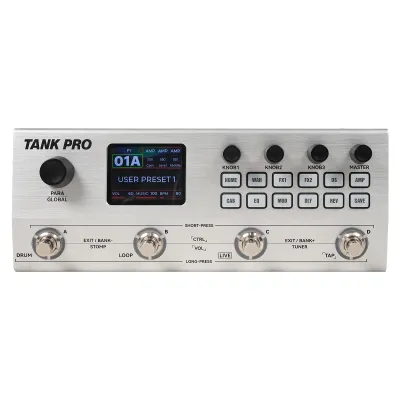
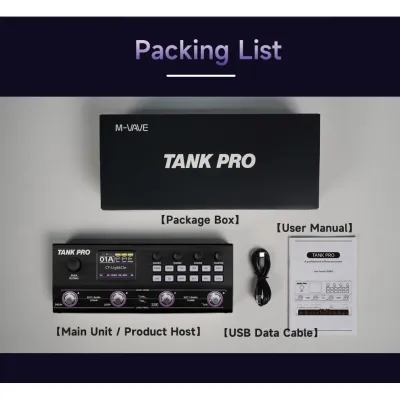
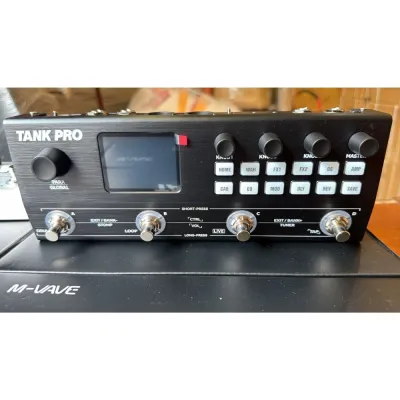
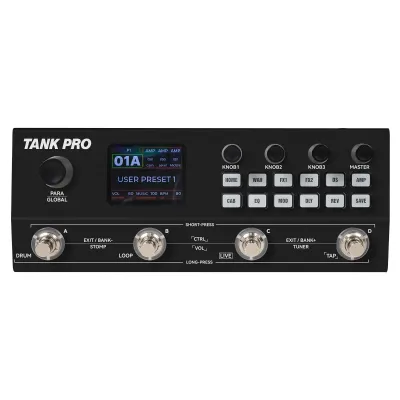
Prices are valid at publication and may change. Please refer to the product page for the latest price.
It is crucial to determine whether your current issues stem from your core instrument or your existing accessories. If your guitar has worn frets, faulty pickups, or poor intonation, adding a digital processor will not resolve these fundamental playability problems; in this case, your budget is better spent on professional instrument maintenance. However, if your instrument is in excellent condition but your amplifier lacks versatility, or if you lack the spatial and modulation effects needed for your repertoire, a dedicated multi-effects unit can bridge that gap effectively.
Clearly define your primary goal and the expected outcome of adding a new component to your signal chain. Are you looking to replace a heavy amplifier with a direct-to-PA solution for easier travel? Do you need a silent practice rig that allows you to plug in headphones and play late at night without disturbing others? Or are you searching for a versatile backup system in case your primary amplifier fails during a live performance? Establishing these goals beforehand prevents impulse purchases and ensures that any new gear serves a concrete purpose in your daily musical workflow.
Match the Tank Pro to Your Playing Style and Performance Needs
Evaluating how a portable processor aligns with your musical genre and playing technique is essential for long-term satisfaction. Different musical styles place unique demands on your equipment. If your repertoire requires rapid transitions between pristine clean tones, heavy overdrive, and ambient delays, a versatile multi-effects unit can handle these shifts seamlessly. Conversely, if you are a purist who relies on a single, highly specific analog tube tone, a digital multi-effects processor might introduce more complexity than your playing style actually requires.

Your typical performance environment should also heavily influence your decision. In tropical climates like the Philippines, high humidity and sudden temperature shifts can take a toll on delicate analog gear and complex pedalboards. Gigging musicians often perform in outdoor venues or crowded local bars where stage space is limited and power outlets are shared. A compact, ruggedly built unit that simplifies your physical footprint reduces setup time and minimizes the risk of gear failure in challenging environments. Consider whether your performance spaces favor a streamlined, direct-to-PA setup or if you still prefer the traditional feel of a physical amplifier behind you.
Always review the manufacturer’s official descriptions to confirm that the accessory targets your specific user profile and use case. Some portable processors are optimized primarily for electric guitars, featuring specific cabinet simulations and overdrive models, while others are tailored for acoustic-electric instruments or bass guitars. Ensuring that the device’s core algorithms and input sensitivity match your primary instrument prevents the frustration of trying to force a piece of gear to perform a role it was never designed to handle.
Verify Compatibility and Technical Requirements Before Buying
Physical and technical integration is often where gear upgrades encounter unexpected hurdles. Before purchasing the Tank Pro, measure your existing pedalboard or gig bag to ensure the unit’s physical dimensions and weight fit comfortably within your setup. Consider how you will mount or secure the device, and verify that the input and output jacks are positioned in a way that does not strain your cables or crowd adjacent equipment. A unit that is too bulky or awkwardly shaped can disrupt an otherwise organized performance rig.
Electrical and digital compatibility must be verified to prevent equipment damage and ensure optimal performance. Check the exact voltage, current draw (measured in milliamperes), and polarity requirements specified by the manufacturer. Using an incompatible power supply can introduce unwanted hum, cause digital instability, or permanently damage the internal circuitry. If you plan to use the device as a digital audio interface for home recording, verify its compatibility with your computer’s operating system or mobile device, checking if it requires specific drivers or supports plug-and-play functionality.
Consult the manufacturer’s official specifications for any required adapters, proprietary cables, or firmware updates. Some advanced features, such as loading custom impulse responses (IRs) or editing presets, may require a companion mobile application or desktop software. Ensure your smartphone or computer meets the minimum system requirements to run these applications smoothly. Checking these technical details beforehand guarantees a hassle-free setup on the day your new gear arrives.
Final Verdict: When to Buy the Tank Pro and When to Wait
Recognizing the clear signs that the Tank Pro is a necessary upgrade will help you make a confident decision. This unit is highly suitable if you need a lightweight, all-in-one fly rig that fits easily into a backpack, or if you want to transition to an amplifier-free setup to simplify your live performances. It is also an excellent choice for home recordists who need a space-saving interface with built-in cabinet simulations and effects, allowing for quick, high-quality tracking without a complex setup.
However, there are scenarios where your current gear is entirely sufficient, or where an alternative solution might serve you better. If you are completely satisfied with the tone of your current amplifier and individual analog pedals, or if you prefer the tactile experience of physical knobs over digital menus, you may want to wait. Additionally, if your playing style demands highly specialized, niche effects that standard multi-effects units do not prioritize, investing in dedicated single-effect pedals remains the superior path.
Finally, factor in your budget limits in ₱ and ensure you are purchasing from authorized sellers. While a portable multi-effects unit can save you money compared to buying multiple individual pedals, you must also budget for high-quality instrument cables, a reliable power source, and a protective case. Always verify that your seller is an authorized local distributor or a reputable music store in the Philippines to ensure your purchase is covered by a valid manufacturer’s warranty and reliable customer support.
Frequently Asked Questions (FAQ)
Does the Tank Pro work with all instrument types?
To verify compatibility, you should always consult the manufacturer’s official compatibility list or user manual. While many portable multi-effects units are designed primarily for electric guitars, some models offer specific modes or frequency responses tailored for acoustic guitars or bass guitars. Check the physical input impedance and frequency range specifications to ensure the unit can handle the signal from your specific instrument’s pickups without clipping or losing low-end response.
What should I check before connecting it to my existing gear?
Before making any connections, verify the power requirements, input/output impedance, and signal levels of both the unit and your existing equipment. Check the product manual to confirm whether the outputs are designed for instrument-level inputs (like an amplifier’s front input) or line-level inputs (like a mixing console or PA system). Ensuring these specifications match prevents signal distortion, excessive noise, or potential electrical damage to your gear.
How do I know if my current setup already solves this problem?
Before purchasing new gear, test your current equipment by experimenting with different settings, signal routing, or playing techniques. If you can achieve your desired tone and portability by simply reorganizing your existing pedalboard or adjusting your amplifier’s equalizer, a new accessory may be redundant. Compare your current setup’s capabilities directly against the specific features, portability, and routing options that the new unit is designed to offer.
Community discussion
Share your experience or ask a question. Comments are reviewed before publication.