
Deciding on your first bass drum pedal is a pivotal step in your drumming journey, especially when considering a high-performance model like the TAMA Speed Cobra 910. While this pedal is widely celebrated by advanced players for its responsiveness and speed, it is generally not the most practical choice for an absolute beginner. For someone just starting to coordinate their hands and feet, the highly sensitive mechanics and premium price tag of a professional-grade pedal can introduce unnecessary complexity.
However, the decision is not entirely black and white. Your long-term musical goals, budget, and willingness to navigate a steep learning curve play significant roles in determining if this investment makes sense for you today. Understanding how the pedal’s unique design affects your physical development will help you make an informed choice.
Understanding the TAMA Speed Cobra 910's Core Mechanics
To evaluate if this pedal suits a beginner, you must first understand its physical design. The most prominent feature of the Speed Cobra 910 is its long footboard. Unlike traditional pedals that feature a shorter board and a prominent heel plate, a longboard design extends the playing surface closer to the hinge. This structural change alters the leverage point, making the pedal feel significantly lighter and faster underfoot. For a beginner, this extreme sensitivity can make it challenging to develop a consistent, powerful stroke, as the pedal responds to the slightest accidental foot movement.
Products mentioned in this guide
Prices are valid at publication and may change. Please refer to the product page for the latest price.
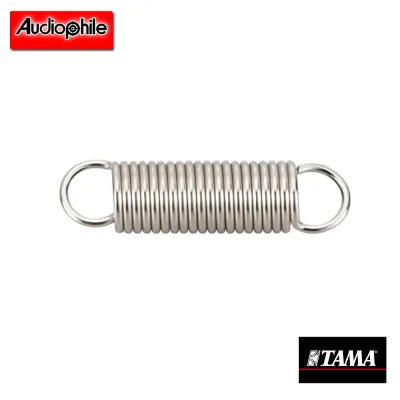
Another key mechanical component is the Cobra Coil spring system. This is a small, adjustable steel spring located beneath the footboard that physically assists in returning the board to its original position after a stroke. While this system is highly beneficial for rapid-fire double strokes, a beginner might find the extra upward force disorienting. When you are still trying to keep your foot relaxed and in contact with the pedal board, a strong rebound mechanism can feel like it is fighting against your natural foot movement.
Finally, the Speed Cobra 910 offers an extensive range of adjustability. You can modify the beater angle, footboard angle, and spring tension independently to customize the physical response. In tropical climates like the Philippines, where high humidity can affect physical comfort and stamina during long practice sessions, having a highly customizable pedal is a luxury. However, for a beginner, too many adjustment options can lead to confusion. It is common for new players to constantly tweak their hardware to fix a technique issue that actually requires physical practice and muscle development.
Signs You Are Ready for a Professional-Grade Pedal
While entry-level pedals are standard for beginners, certain factors can justify investing in a professional-grade model early on. The most significant indicator is a clear, long-term commitment to specific musical genres. If you are dedicated to learning extreme metal, progressive rock, or fast-tempo fusion, you will eventually require a pedal designed for rapid double-kick work. Starting with a high-end pedal allows you to build your muscle memory on the exact tool you will use for years to come, avoiding the need to relearn your foot placement later.

Another sign is physical frustration with standard entry-level gear. If you have been practicing on a basic, stock pedal that came with a budget drum kit, you may begin to notice physical limitations. If the pedal feels sluggish, exhibits lateral wobble, or lacks the adjustability to accommodate your posture or shoe size, it can actively hinder your progress. Upgrading to a professional model eliminates these mechanical bottlenecks, ensuring that your hardware is never the limiting factor in your development.
Lastly, budget readiness is a practical consideration. If you have the financial flexibility to cover the premium price in ₱ upfront, buying a durable, professional-grade pedal can be a smart long-term financial decision. High-quality hardware is built to withstand years of heavy practice without losing its structural integrity. By purchasing a robust pedal at the start, you avoid the intermediate costs of buying, maintaining, and eventually replacing cheaper hardware as your skills progress.
When an Entry-Level Pedal Makes More Sense
For many beginners, delaying the purchase of a high-end pedal is the most logical path. The primary reason is the need to develop fundamental foot coordination and timing. When you are learning basic rock beats or simple fills, your focus should be on physical balance and stroke consistency. A standard-length footboard with a traditional round cam provides a predictable, linear response. This natural resistance is actually beneficial for beginners because it forces you to build the leg and ankle strength necessary to control the pedal, rather than relying on mechanical assistance.
Uncertainty about your long-term commitment to the instrument is another strong reason to opt for a simpler alternative. Drumming is a highly physical and time-consuming hobby. Investing heavily in professional hardware before you are certain you will stick with the instrument for more than a few months carries a high financial risk. A basic, reliable pedal is more than adequate for testing your interest and mastering the basics of rhythm and coordination.
Additionally, a drum kit is a complex system of individual components, and your budget must be allocated wisely. If you have a limited amount of money to spend, dedicating a massive portion of it to a single bass drum pedal can force you to compromise on other critical gear. For instance, upgrading from harsh-sounding stock cymbals to a decent set of bronze cymbals, or investing in a highly supportive, ergonomic drum throne to protect your posture in a warm practice room, will have a much greater impact on your overall playing experience than a high-end pedal.
How to Make Your Final Purchasing Decision
To finalize your choice, you should follow a practical, step-by-step evaluation process. First, test the pedal in person at an authorized local music retailer. Sit down at a test kit and pay close attention to how the long footboard feels under your foot compared to a standard-sized pedal. Notice if your foot naturally slides forward or if you struggle to maintain control. Physical comfort is highly subjective, and no amount of online research can replace the feel of the pedal under your own foot.
Second, evaluate the compatibility of the pedal with your existing drum kit setup. If you practice on an electronic drum kit, as many beginners do to manage volume, you must verify that the pedal’s frame and beaters are compatible with your specific electronic bass drum pad. Some double-pedal setups or specialized beaters may not align correctly with smaller electronic pads, which can lead to poor triggering or physical damage to the pad surface.
Finally, compare the price in ₱ against reliable mid-tier alternatives and check the warranty terms. Ensure you are purchasing from an authorized dealer who can provide genuine replacement parts and after-sales support. In humid tropical environments, sweat and moisture can accelerate wear on metal bearings and springs. Having local access to official maintenance support and spare parts is essential for protecting your investment and keeping your hardware performing smoothly over the years.
Frequently Asked Questions (FAQ)
Will the Speed Cobra 910 make me play faster instantly?
No, a professional pedal will not instantly increase your playing speed. While the mechanical design of the Speed Cobra 910 reduces physical resistance and accelerates the return of the beater, speed is ultimately a product of clean technique, muscle memory, and consistent practice. Relying on high-end gear to bypass foundational training often leads to sloppy timing and poor foot control.
Can I adjust the Speed Cobra 910 to feel like a standard beginner pedal?
You can adjust the spring tension to be tighter and modify the beater angle to require a wider stroke, which can simulate some of the resistance of a standard pedal. However, because of the physical geometry of the long footboard and the specific design of the recessed cam, the pedal will always maintain a lighter, more responsive baseline feel than a traditional entry-level model.
Community discussion
Share your experience or ask a question. Comments are reviewed before publication.