
Selecting a study Bible is a significant milestone in your spiritual life. It marks a transition from simply reading the sacred text to actively engaging with its historical, theological, and literary depths. The St. Ignatius Study Bible is one of the most prominent resources available for Catholic scripture study, but determining whether it is the right fit for your personal journey requires careful reflection.
Because a study Bible is a long-term investment in your faith, you must evaluate how its specific translation, commentary style, and physical format align with your daily routines and spiritual goals. In the Philippines, where daily life often balances busy schedules, family commitments, and community parish activities, finding the right study tool can transform your quiet moments. Whether you are reading during a peaceful early morning before the tropical heat sets in or studying during a quiet evening rain, your Bible should serve as an accessible gateway to deeper contemplation.
By assessing your current needs and verifying the exact specifications of this edition, you can make an informed decision that truly enriches your spiritual practice.
Products mentioned in this guide
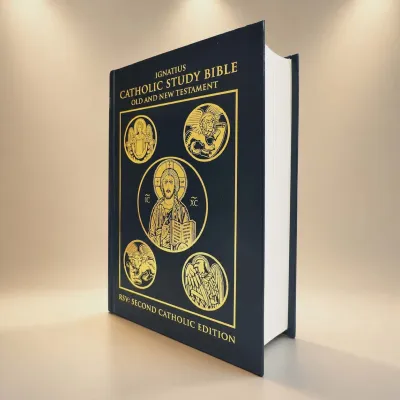

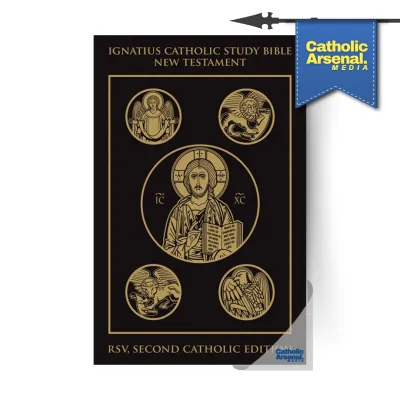
Prices are valid at publication and may change. Please refer to the product page for the latest price.
Assess Your Current Catholic Bible Study Needs
To determine if a comprehensive study Bible is necessary, begin by examining your current reading habits and spiritual routines. Ask yourself whether your daily practice consists of brief, five-minute devotional readings or if you regularly set aside dedicated blocks of time for structured theological exploration. If you primarily seek quick inspiration or daily mass reading reflections to carry you through a busy commute, a highly detailed study Bible with extensive footnotes might feel distracting rather than helpful.
Conversely, if you find yourself constantly questioning the historical context of a passage or wanting to understand how a specific verse connects to Catholic doctrine, an in-depth study tool is highly beneficial. Next, identify your primary objective for studying Scripture. Are you preparing to defend your faith in apologetics discussions, seeking historical context about the ancient Near East, or looking for deep patristic insights from the Early Church Fathers?
Different study Bibles prioritize different aspects of scholarship. If your goal is academic research or preparing for parish leadership, you will require a text that offers robust scholarly annotations. If you simply want basic spiritual reflection, a standard Bible without extensive commentary may better preserve the flow of the narrative.
Finally, consider your comfort level with academic language and dense page layouts. A study Bible typically features a multi-column format where the biblical text occupies the top portion of the page, while explanatory notes, cross-references, and word studies fill the bottom. If you prefer a clean, uncluttered page that allows for uninterrupted reading or personal journaling in the margins, the busy layout of a study Bible might feel overwhelming.
Verify the Translation, Edition, and Format Before Buying
Before finalizing any purchase, it is essential to verify the exact translation used in the edition you are viewing. The St. Ignatius Study Bible is widely known for utilizing the Revised Standard Version, Second Catholic Edition (RSV-2CE), which is highly regarded for its formal equivalence—or literal word-for-word translation style. However, you should never assume the translation based solely on the cover design or a generic product title.

Always check the publisher’s label, copyright page, or detailed product specifications on the retailer’s listing to confirm that the translation matches your study preferences and parish requirements. Physical format is another critical consideration, especially in a tropical climate. High humidity and seasonal rains in the Philippines can take a toll on paper products over time.
When browsing online marketplaces or local bookstore catalogs, compare the durability of hardcover, paperback, and synthetic leather bindings. A sturdy hardcover or a high-quality synthetic leather cover may offer better protection against moisture and page curling in humid environments. If you prefer a digital format for reading on a tablet or e-reader during your daily travels, double-check the file compatibility and formatting quality on the seller’s listing to ensure the extensive footnotes navigate smoothly on your device.
You must also verify the inclusion of essential study aids as stated in the product description. A complete study Bible should offer more than just footnotes; look for listings that explicitly confirm the inclusion of full-color maps, historical charts, topical essays, and a comprehensive cross-reference system. Do not rely on general assumptions—verify these details in the product specifications. Additionally, check the current price in ₱ and review shipping conditions from authorized local bookstores or reputable online platforms. Ensure the seller uses protective, water-resistant packaging so your Bible arrives undamaged by tropical weather.
Match the Commentary Style to Your Spiritual Goals
The value of any study Bible lies largely in its commentary, so you must ensure the theological notes align with your spiritual goals. The commentary in the St. Ignatius Study Bible, primarily crafted by respected Catholic scholars, focuses heavily on orthodox Catholic theology, biblical apologetics, and patristic interpretations. If your goal is to understand how the Catholic Church interprets specific passages in light of Sacred Tradition and the Catechism of the Catholic Church, this commentary style will be highly rewarding.
However, you should evaluate whether the academic depth of these footnotes suits your current level of understanding. If the commentary relies heavily on Greek and Hebrew word analyses or complex historical-critical methodologies, it may require a slower, more analytical reading pace. If you are looking for purely devotional reflections that focus on immediate personal application, you might find the scholarly tone of these notes to be more intellectual than meditative.
It is also worth noting how the commentary supports specific spiritual practices. While the name “Ignatian” is associated with the spiritual exercises and imaginative contemplation of St. Ignatius of Loyola, the study Bible itself is primarily an academic and theological tool rather than a guide to Ignatian prayer methods. If you are specifically seeking step-by-step guides for imaginative contemplation or lectio divina, you will want to verify if the commentary includes these practical exercises or if you need to supplement your reading with dedicated spiritual guidebooks.
Decide Your Next Step: Purchase, Pause, or Explore Alternatives
With a clear understanding of your needs, translation preferences, and spiritual goals, you can now make an informed decision. If you find that the RSV-2CE translation, the apologetic and patristic commentary style, and the available physical formats closely match your desire for deep, structured study, proceeding with the purchase is a logical next step. Ensure you buy from an authorized Catholic bookstore or a trusted online seller to guarantee you receive a genuine, high-quality print edition.
If you feel hesitant or unsure about whether the theological depth or translation is right for you, it is wise to pause. Take the opportunity to consult with your parish priest, a spiritual director, or a knowledgeable staff member at a local Catholic bookstore. They can offer personalized guidance based on your current spiritual journey and may even allow you to look at a physical copy before making a financial commitment. Taking this time prevents buyer’s remorse and ensures your investment truly serves your faith.
Alternatively, you may realize that your current spiritual practice requires a different approach. If you prefer a more modern, dynamic translation that is commonly used in local liturgies, you might want to explore alternatives like the New American Bible Revised Edition (NABRE). If your primary goal is simple daily devotion rather than academic study, look for a standard Catholic Bible paired with a separate daily devotional guide. This approach keeps your scripture reading focused and lightweight, allowing you to grow at a comfortable and sustainable pace.
Frequently Asked Questions (FAQ)
Does this edition include the complete Catholic canon?
To verify that the edition you are purchasing contains the complete Catholic canon of 73 books, including the deuterocanonical books, carefully read the product description or table of contents on the retailer’s page. You should also look for the official imprimatur and nihil obstat declarations on the copyright page or in the publisher’s specifications, which certify that the text has been reviewed and approved by Catholic ecclesiastical authorities.
Is it suitable for beginners in Catholic theology?
While beginners can certainly benefit from this study Bible, the academic depth of the commentary and the extensive footnotes may feel intimidating at first. To determine if the reading level is appropriate for you, look for online sample pages or publisher previews to review the style of the study notes. If the commentary seems too dense, you might consider starting with a basic reading plan or consulting a spiritual director to help guide your study.
Can I use it for group parish studies?
Yes, this study Bible can be an excellent resource for parish study groups, but you should first confirm if the publisher offers companion study guides or workbooks designed for this edition. Additionally, check with your parish group leader to ensure that the RSV-2CE translation and the specific commentary style align with the group’s chosen curriculum and learning objectives.
Community discussion
Share your experience or ask a question. Comments are reviewed before publication.