
The Silva Mind Control Method remains a highly relevant and practical self-help resource for individuals seeking structured mental development, particularly those navigating the high-stress environments of modern urban life. In a fast-paced society where daily commutes through congested metropolitan areas and the constant buzz of digital notifications can easily lead to mental fatigue, this classic text offers a systematic approach to stress reduction and mental clarity. Rather than offering vague philosophical advice, the book provides concrete, actionable exercises designed to help readers access deeper states of relaxation and tap into their creative potential. For those willing to commit to the practice, it serves as a valuable manual for self-directed cognitive training.
While many self-help books focus purely on motivational theory, this work distinguishes itself by requiring active participation. The core value of the book does not lie in passive reading, but in the systematic application of its mental exercises. By learning to consciously lower brain wave frequency, readers can establish a reliable mental routine to manage daily anxieties, improve concentration, and approach problem-solving with a calm, analytical mindset. Whether you are a student preparing for major exams, a professional managing a demanding workload, or simply someone looking to cultivate inner peace, understanding the mechanics of this method can help you decide if it aligns with your personal growth journey.
Core Concepts and What the Book Actually Teaches
At the heart of the book is the concept of the “alpha level,” a state of deep mental and physical relaxation associated with lower brain wave frequencies. The text explains that while most of our waking hours are spent in the active beta state, accessing the slower alpha frequency allows the mind to become highly receptive to positive suggestion, creative visualization, and intuitive problem-solving. The author, Jose Silva, developed a series of structured exercises designed to help individuals consciously enter this relaxed state without falling asleep, bridging the gap between conscious awareness and the subconscious mind.
Products mentioned in this guide
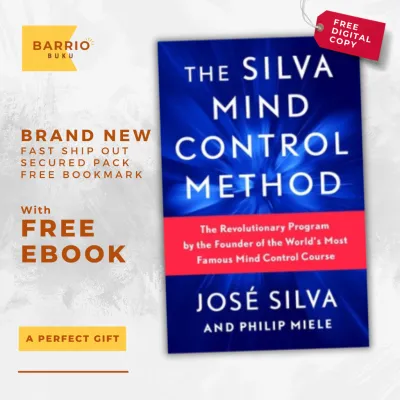
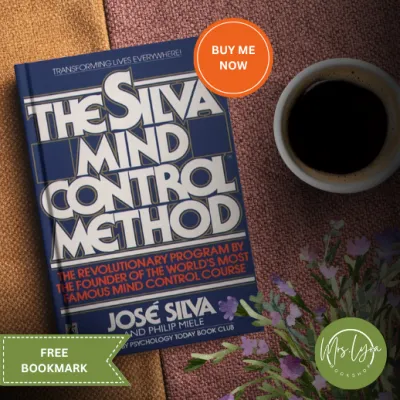
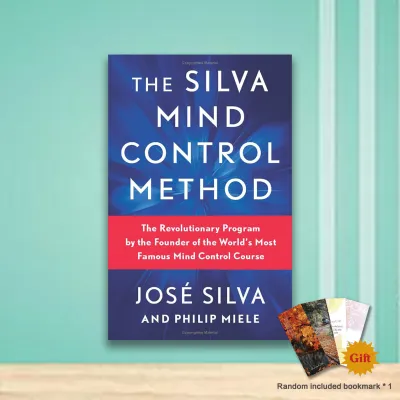
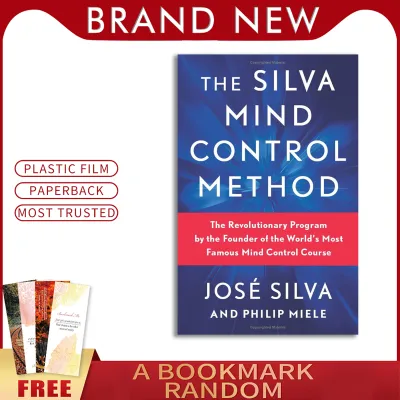
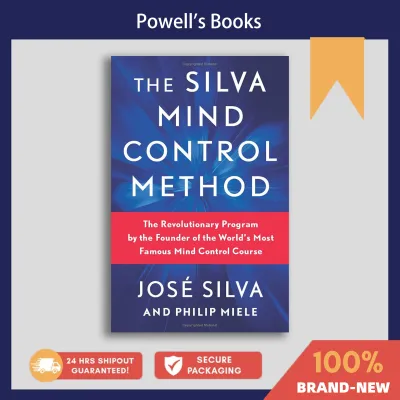
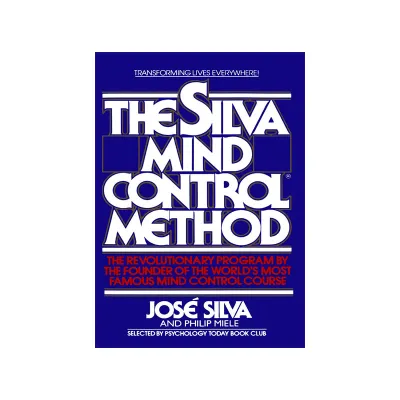
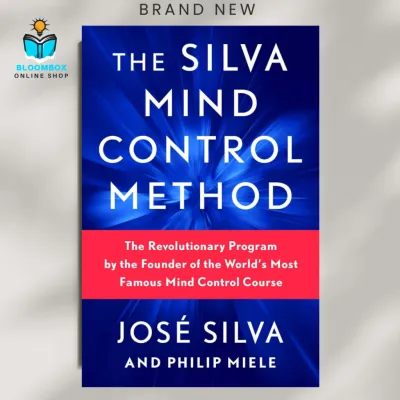
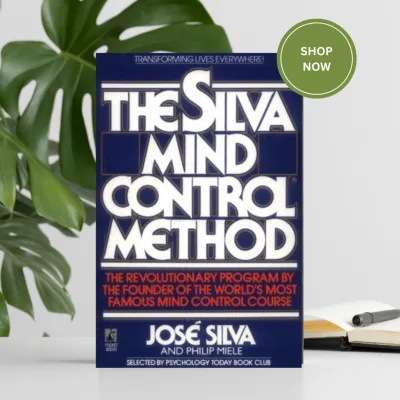
Prices are valid at publication and may change. Please refer to the product page for the latest price.
To achieve this state, the book introduces progressive physical and mental relaxation techniques. Readers are taught to systematically release tension from every part of the body, starting from the scalp and moving down to the toes. This physical release is particularly beneficial in tropical climates, where physical discomfort from high heat and humidity can often contribute to mental restlessness and irritability. Once physical relaxation is achieved, the book guides readers through mental countdown exercises—such as counting down slowly from 100 to 1, or eventually from 3 to 1—to quiet the mind and establish a stable, focused state of inner calm.
Crucially, the book emphasizes the distinction between passive reading and active mental training. Simply understanding the theory behind the alpha state will not yield results; readers must actively perform the visualization exercises daily. One of the primary tools introduced is the “mental screen,” an imaginary projection screen where readers visualize their goals, solve complex problems, and practice creative visualization. By visualizing desired outcomes in a highly relaxed state, the method aims to reprogram negative thought patterns, enhance focus, and foster a more proactive approach to daily challenges.
In addition to stress reduction, the techniques are designed to improve creative problem-solving and memory retention. The book outlines methods for recalling forgotten information, programming the mind for better sleep, and finding innovative solutions to professional or personal dilemmas. By training the mind to remain calm under pressure, readers can avoid the reactive, stress-induced decision-making that often leads to burnout, replacing it with a structured, deliberate approach to cognitive development.
Who Will Benefit Most from This Self-Help Classic
This self-help classic is exceptionally well-suited for individuals who struggle with traditional, open-ended meditation practices. Many beginners find it difficult to “empty the mind” or sit in silence without their thoughts racing. The structured, almost mechanical nature of these techniques provides a clear, step-by-step framework that gives the active mind a specific task to focus on. If you prefer concrete instructions, guided countdowns, and active visualization exercises over silent contemplation, this book offers an excellent entry point into mental training.

Professionals and students operating in highly competitive, high-pressure environments will also find great value in these stress management tools. The ability to quickly access a state of calm can be a significant advantage when preparing for exams, delivering presentations, or managing demanding workplace responsibilities. By practicing the relaxation techniques, individuals can learn to lower their baseline stress levels, allowing them to maintain clarity and focus even in chaotic or noisy surroundings, such as busy offices or crowded public transit systems.
However, it is important to clarify what the book is not designed to address. Those seeking clinical psychological therapy, deep trauma processing, or immediate behavioral fixes will find the material misaligned with their needs. The book is a personal development tool focused on self-regulation and cognitive enhancement; it does not replace professional medical intervention or evidence-based psychiatric care. Readers must approach the material with realistic expectations, understanding that mental conditioning is a gradual process rather than an overnight miracle.
Furthermore, engaging with this material requires a high degree of self-discipline and a consistent daily time commitment. To experience the subjective benefits of the exercises, readers must dedicate at least 15 to 20 minutes each day to quiet practice. If you are looking for a quick read that requires no lifestyle adjustments or active effort, you may find the practical demands of this book challenging. The techniques are most rewarding for those who view mental development as an ongoing, active discipline.
Practical Limitations and Reader Considerations
When reading this book, modern audiences must take its historical context into account. Originally published in the late 1970s, the text contains dated language, cultural references, and scientific analogies that may feel obsolete today. For example, the author frequently compares the human mind to early computer systems and programming hardware of that era. While these analogies serve to explain the concepts of mental reprogramming, they can occasionally feel simplistic or outdated when compared to contemporary neuroscience and modern cognitive behavioral theories.
Another practical limitation is the constant temptation of passive consumption. Because the book is written in an engaging, anecdotal style, it is easy to read through the chapters quickly without actually stopping to perform the multi-week training exercises. Without the self-discipline to pause reading and practice the countdowns daily, the book becomes just another collection of interesting theories rather than a transformative tool. The responsibility for implementing the structure rests entirely on the reader’s shoulders.
Most importantly, readers must establish clear boundaries regarding the book’s application. While the relaxation and visualization techniques can significantly enhance your overall well-being and stress resilience, they are not a substitute for professional medical, psychological, or psychiatric treatment. If you are experiencing severe anxiety, clinical depression, or other mental health conditions, it is vital to seek guidance from qualified healthcare professionals. Using self-help exercises as a complementary tool for relaxation is beneficial, but it should never delay or replace evidence-based medical care.
How to Choose the Right Edition and Format
Selecting the appropriate edition and format of the book is essential for ensuring a complete and productive learning experience. The book is widely available in print, e-book, and audiobook formats, each offering distinct advantages depending on your lifestyle and learning preferences. For many readers, the audiobook format is highly recommended for this specific title. Because the method relies heavily on guided relaxation and countdown exercises, listening to a professional narrator guide you through the steps allows you to keep your eyes closed and fully immerse yourself in the practice without having to interrupt your focus to read the next instruction.
If you prefer a physical book for highlighting key passages and taking notes, look for complete, unabridged print editions from reputable publishers. Some older or condensed versions may omit specific exercise steps or explanatory chapters, which can hinder your progress. When purchasing a physical copy in the Philippines, a genuine paperback typically costs between ₱300 and ₱800, depending on the retailer and edition. Be cautious of extremely low-priced copies sold on unregulated online marketplaces, as these are often unauthorized, poorly printed bootlegs that may contain missing pages, formatting errors, or incomplete exercises.
To ensure you are getting an authorized and complete copy, purchase your books from established local brick-and-mortar bookstores, official publisher storefronts, or reputable global digital platforms. If you choose an e-book format, verify that the file is compatible with your e-reader or reading application and that the formatting of the visualization diagrams is clear and legible. Taking the time to verify the source and quality of your edition ensures that you have all the necessary tools to practice the method accurately and safely.
Building a Realistic Mental Development Routine
Integrating these mental exercises into a busy daily schedule requires a practical, sustainable approach to avoid burnout. Rather than attempting long, exhausting sessions, start by carving out a short, dedicated window of time each day. Practicing early in the morning, before the household wakes up and the tropical heat or daily noise intensifies, can provide a calm, focused foundation for the rest of your day. Alternatively, performing a brief countdown exercise during a quiet lunch break or right before bed can help transition your mind from a state of high alert to deep relaxation.
When starting your practice, it is helpful to set subjective baselines to track your personal progress and shifts in mood. Instead of relying on rigid, unrealistic metrics or expecting immediate, dramatic cognitive changes, pay attention to subtle indicators of well-being. Note whether you feel more patient during stressful commutes, experience improved sleep quality, or find it easier to concentrate on complex tasks. Keeping a simple journal to record your daily experiences can help you identify patterns and stay motivated as you build your mental discipline.
It is also important to know when to pause, adjust, or adapt the techniques to suit your personal comfort. If you experience frustration, mental fatigue, or headaches during the visualization exercises, take a step back and shorten your sessions. The practice should feel restorative, not stressful. You can safely combine these relaxation techniques with other modern mindfulness practices, such as deep breathing exercises or yoga, provided you maintain a clear distinction between the routines and do not overwhelm yourself with conflicting instructions. By maintaining a flexible, patient attitude, you can build a realistic routine that supports your long-term mental development.
Frequently Asked Questions (FAQ)
Is The Silva Mind Control Method scientifically proven?
While general relaxation, meditation, and creative visualization have been shown in numerous scientific studies to help reduce stress, lower blood pressure, and improve focus, the specific proprietary claims of the Silva Method lack large-scale, peer-reviewed clinical validation. The book’s concepts should be approached as a practical self-help framework rather than a clinically proven medical treatment. For any clinical mental health concerns, readers should always consult with qualified medical professionals to receive evidence-based care.
How long does it take to see results from the Silva techniques?
The timeline for experiencing subjective benefits from these techniques varies significantly from person to person, depending on individual consistency, practice quality, and baseline stress levels. Some readers report feeling a greater sense of calm and mental clarity within a few days of practicing the basic countdown exercises. However, developing deeper visualization skills and integrating them into daily problem-solving typically requires several weeks of consistent, daily practice. Readers are advised to avoid expecting overnight transformations and to focus on gradual, steady progress.
Can I practice the Silva Method alongside other meditation styles?
Yes, the relaxation and visualization techniques taught in the book are generally compatible with other mainstream mindfulness practices, such as breathwork, yoga, or transcendental meditation. Most of these practices share the common goal of calming the nervous system and enhancing focus. However, to avoid mental fatigue or confusion, it is best to practice them in separate sessions and monitor your personal comfort. If combining different styles feels overwhelming, simplify your routine and focus on the specific framework that brings you the greatest sense of ease and clarity.
Community discussion
Share your experience or ask a question. Comments are reviewed before publication.